machinery lifting equipment
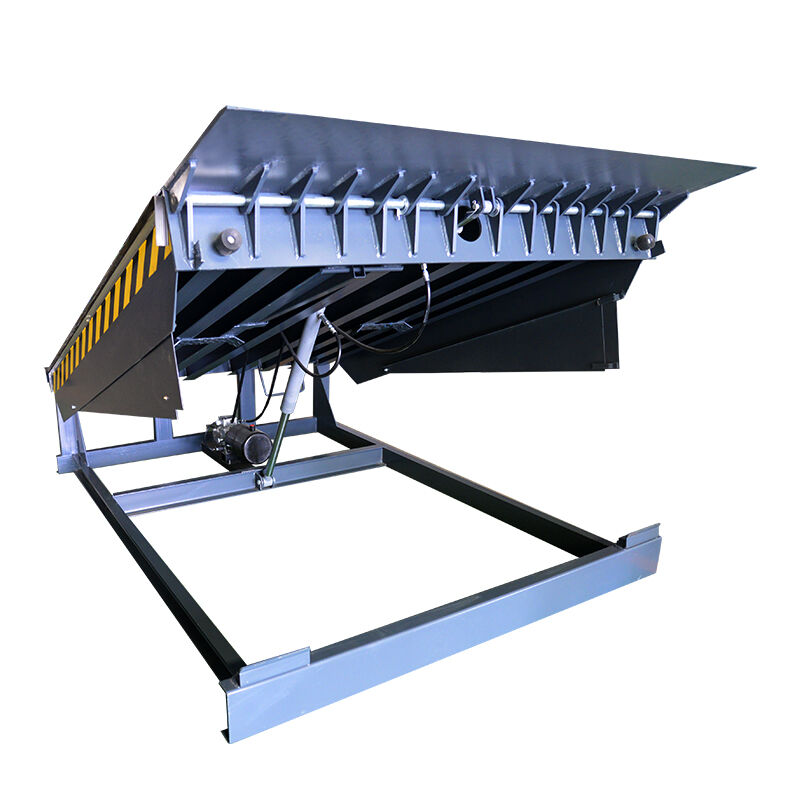
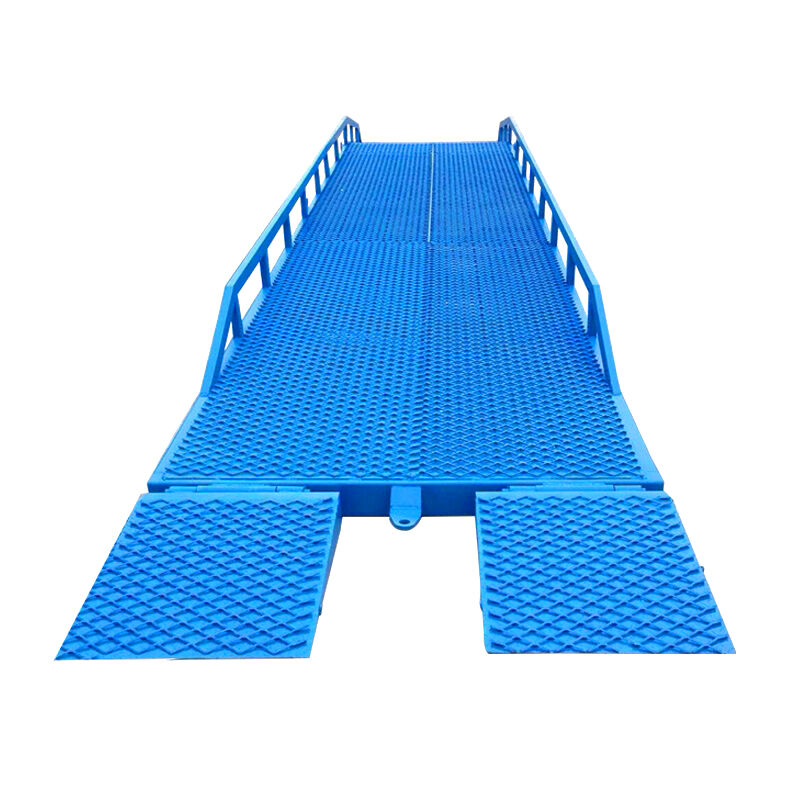
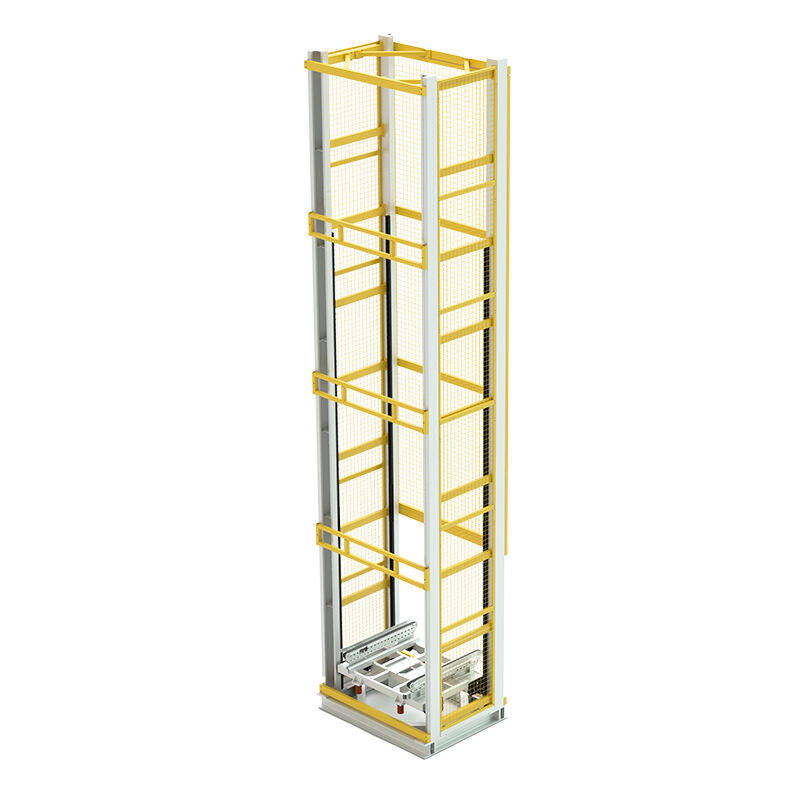
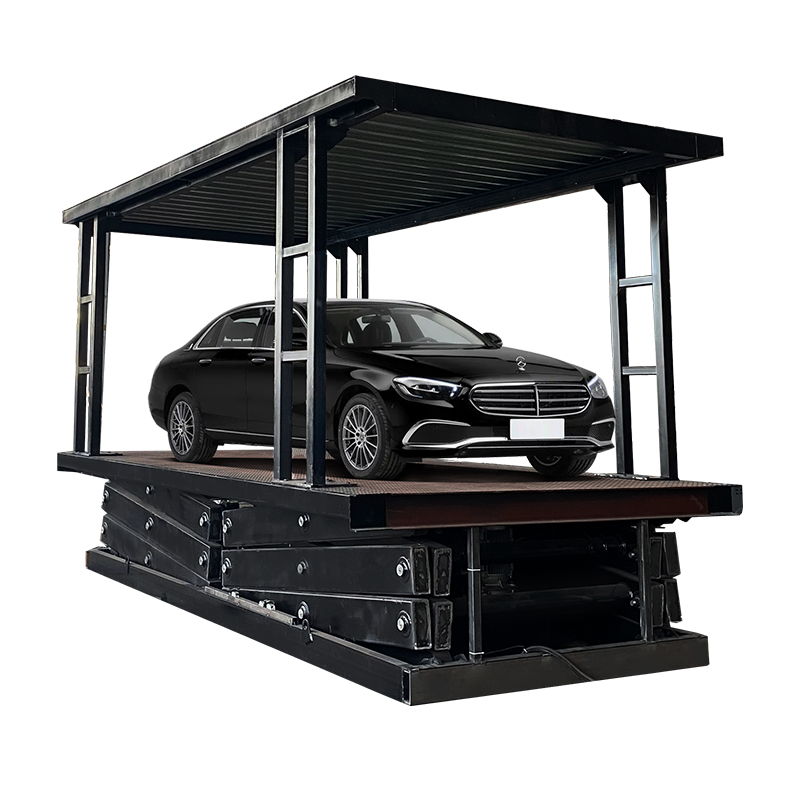
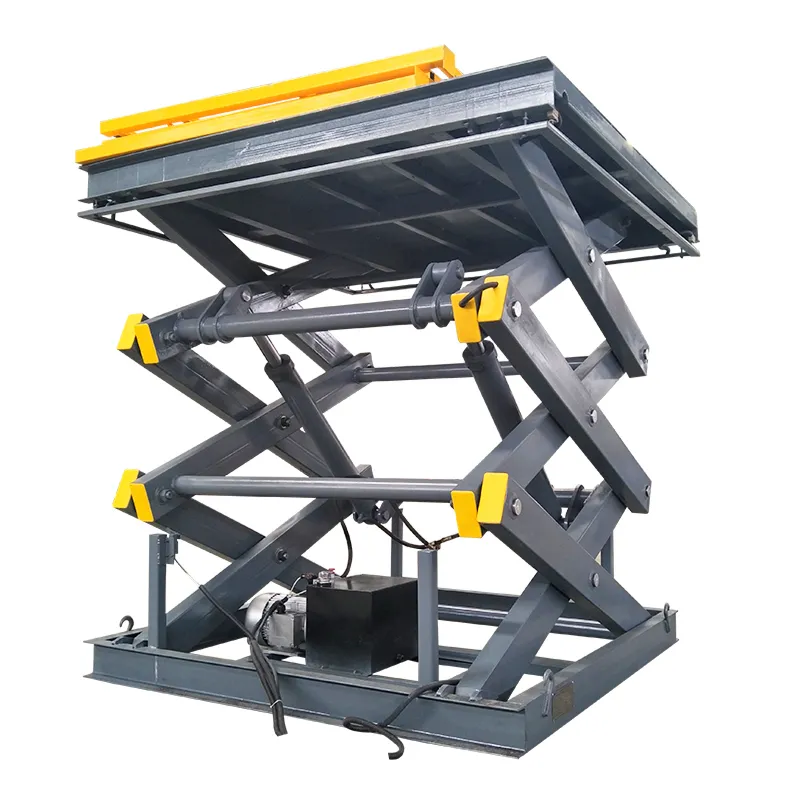
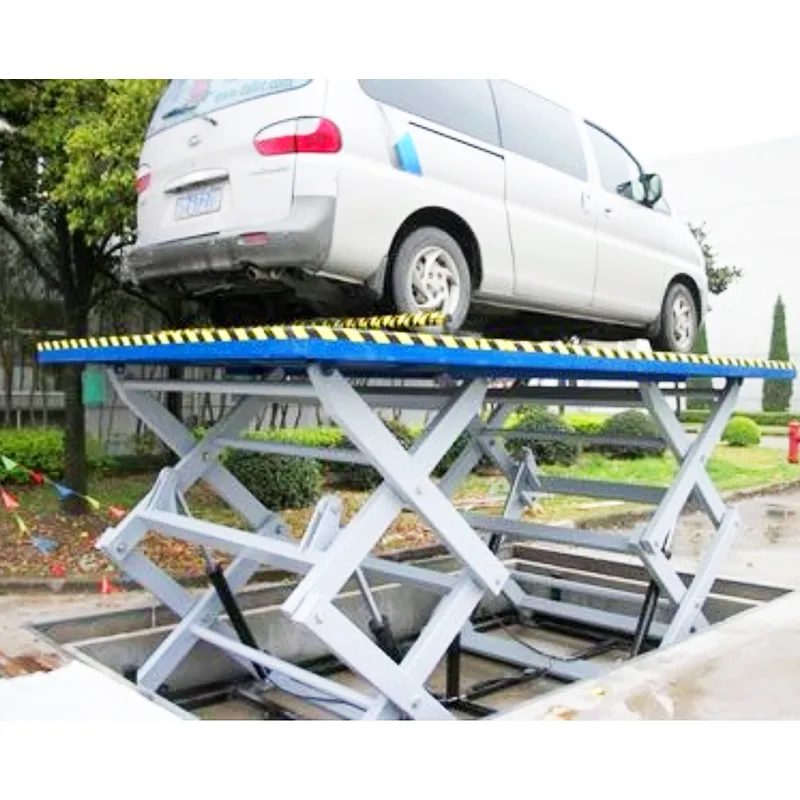
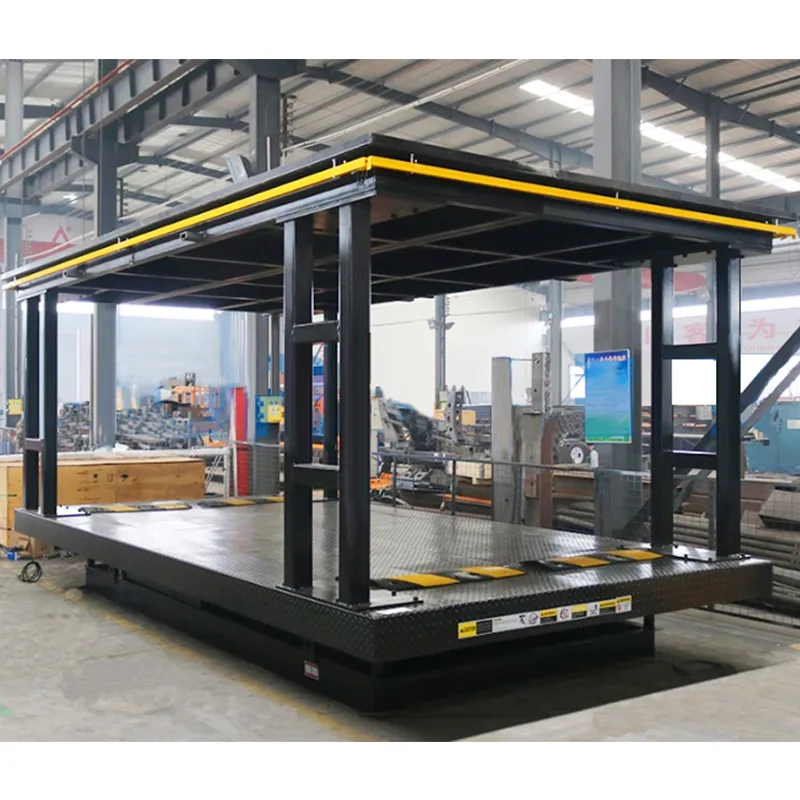
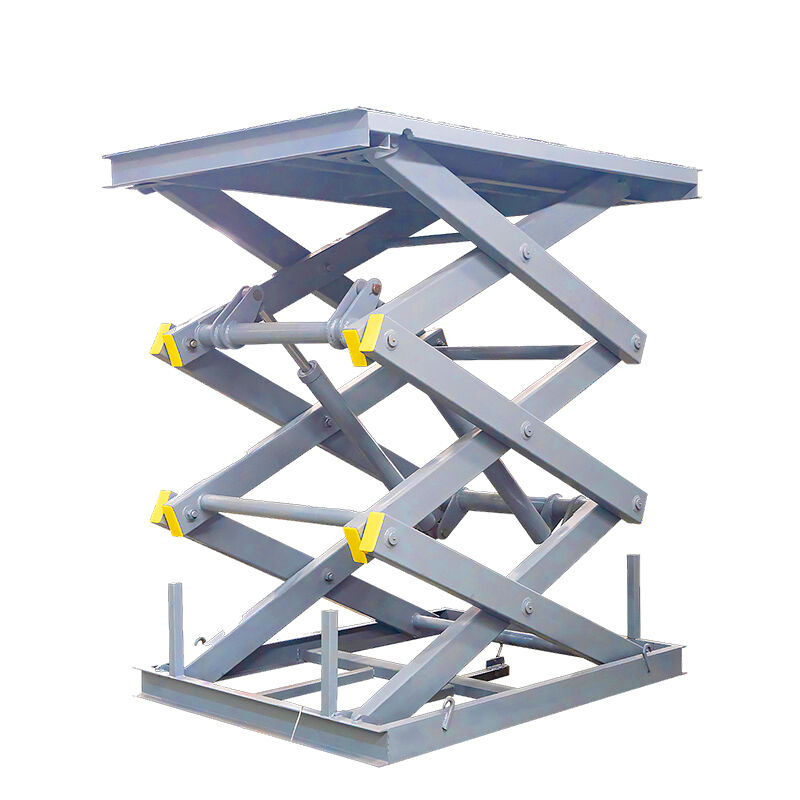
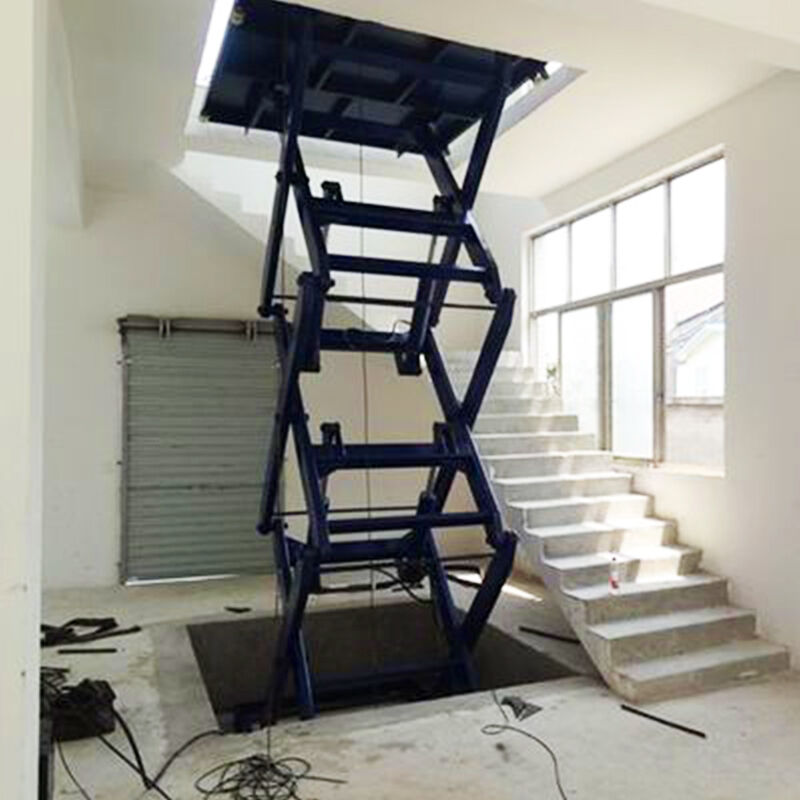
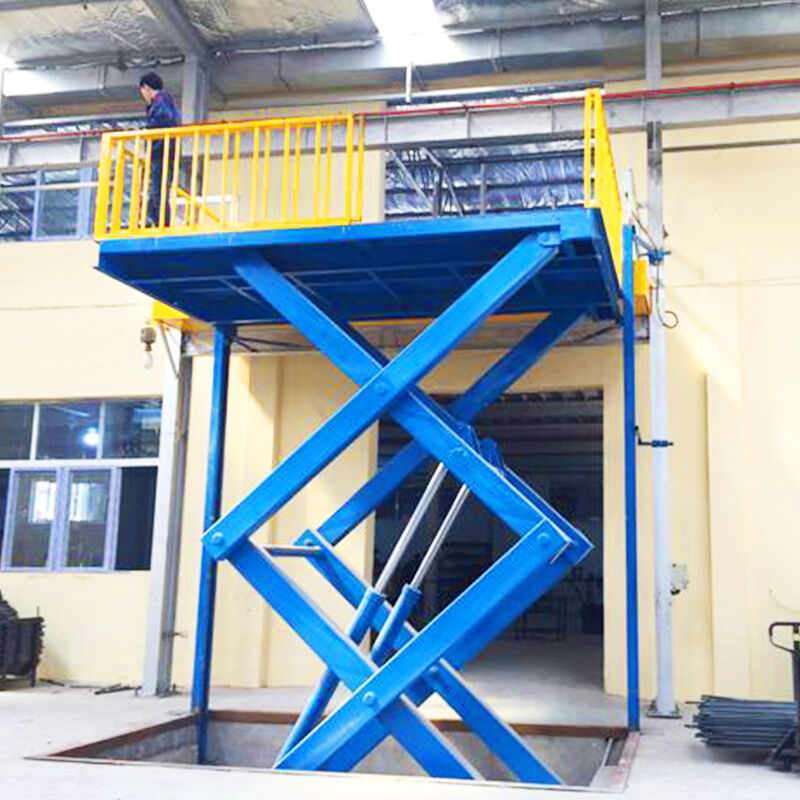
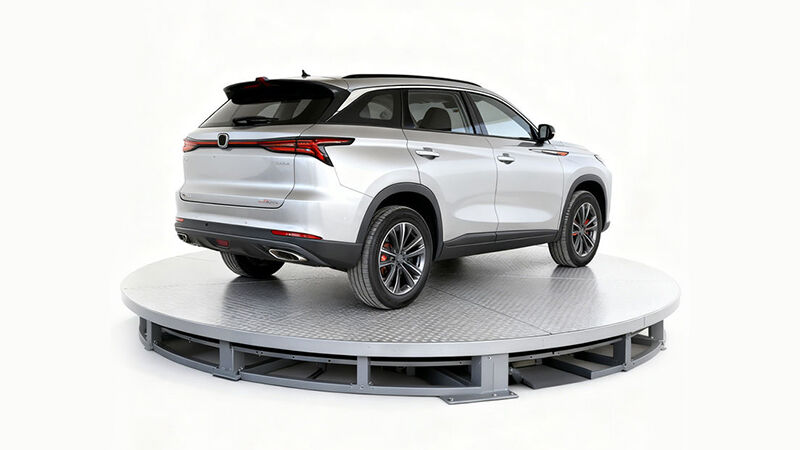
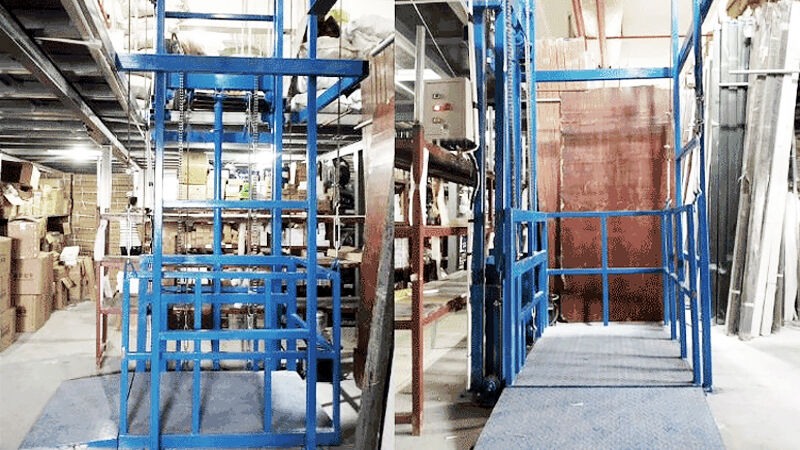
Machinery lifting equipment represents a cornerstone of modern industrial operations, encompassing sophisticated systems designed to handle heavy loads with precision and safety. These versatile solutions integrate advanced engineering principles with cutting-edge technology to facilitate the movement, positioning, and transportation of substantial materials across various industrial environments. The primary functions of machinery lifting equipment include vertical elevation, horizontal transportation, precise positioning, and controlled lowering of heavy objects ranging from construction materials to manufacturing components. These systems operate through hydraulic, mechanical, or pneumatic mechanisms that generate sufficient force to overcome gravitational resistance while maintaining operational stability. The technological features of modern machinery lifting equipment incorporate computerized control systems, load monitoring sensors, emergency safety protocols, and automated positioning capabilities. Digital interfaces provide real-time feedback on load capacity, operational status, and maintenance requirements, ensuring optimal performance throughout extended operational cycles. Smart technology integration enables remote monitoring, predictive maintenance scheduling, and data analytics for improved efficiency metrics. Applications span numerous industries including construction, manufacturing, warehousing, shipbuilding, and heavy machinery assembly. Construction sites utilize machinery lifting equipment for positioning structural elements, moving building materials, and installing prefabricated components at significant heights. Manufacturing facilities depend on these systems for assembly line operations, component positioning, and finished product handling. Warehousing operations employ lifting equipment for inventory management, storage optimization, and logistics coordination. The equipment accommodates diverse load specifications, environmental conditions, and operational requirements through customizable configurations and specialized attachments. Modern designs prioritize operator safety through integrated protection systems, automated safety checks, and ergonomic control interfaces that minimize human error risks while maximizing operational efficiency and productivity outcomes.
 EN
EN