loading dock ramps for forklift
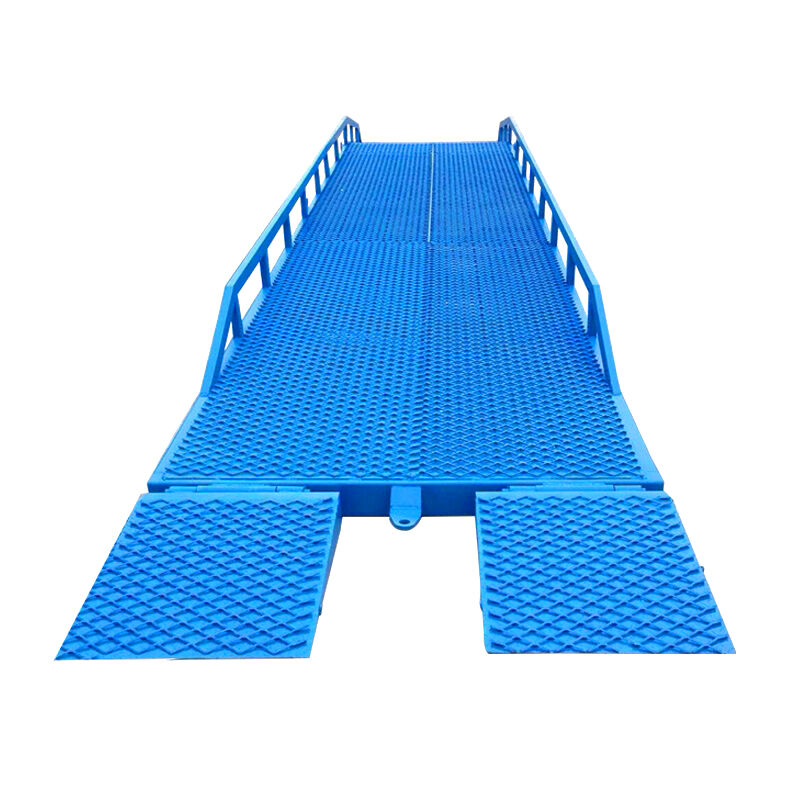
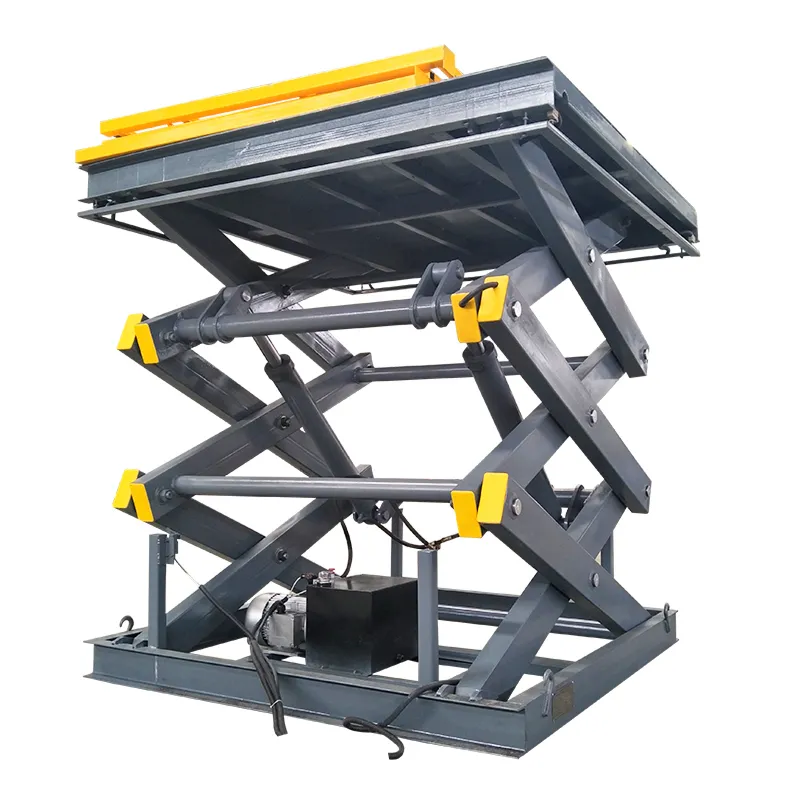
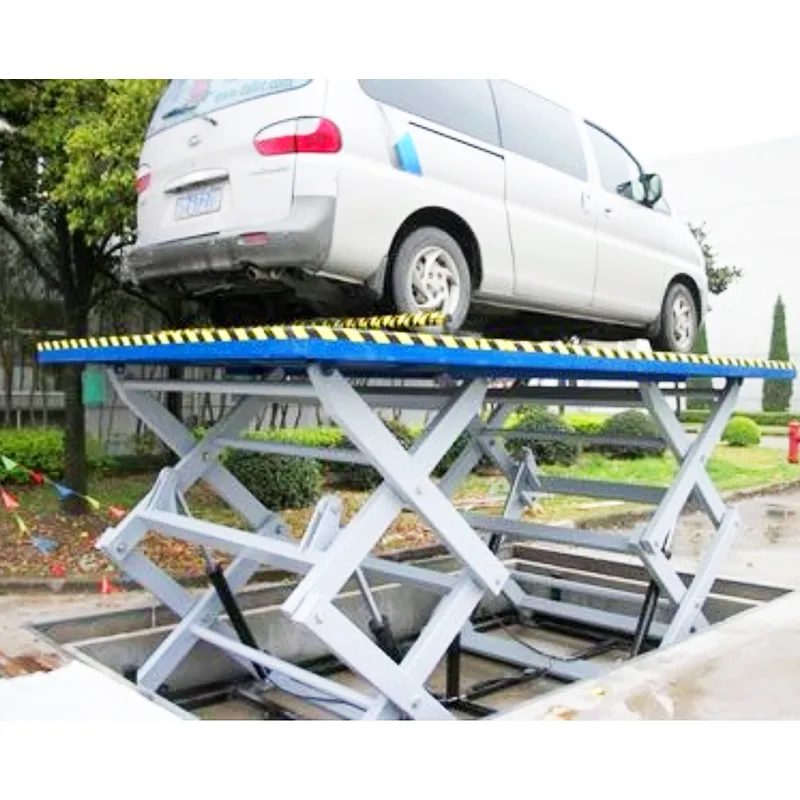
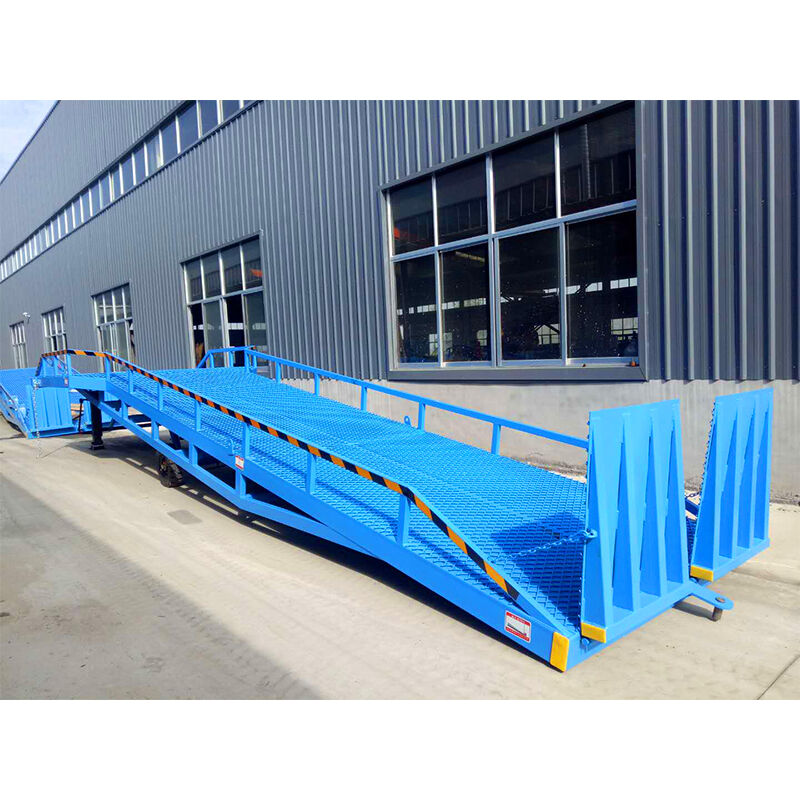
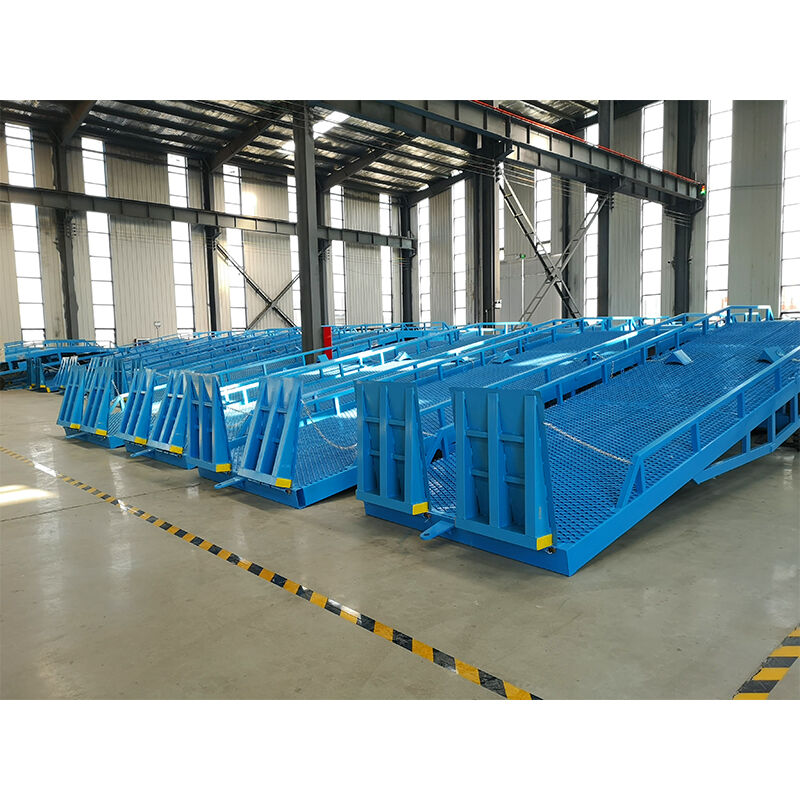
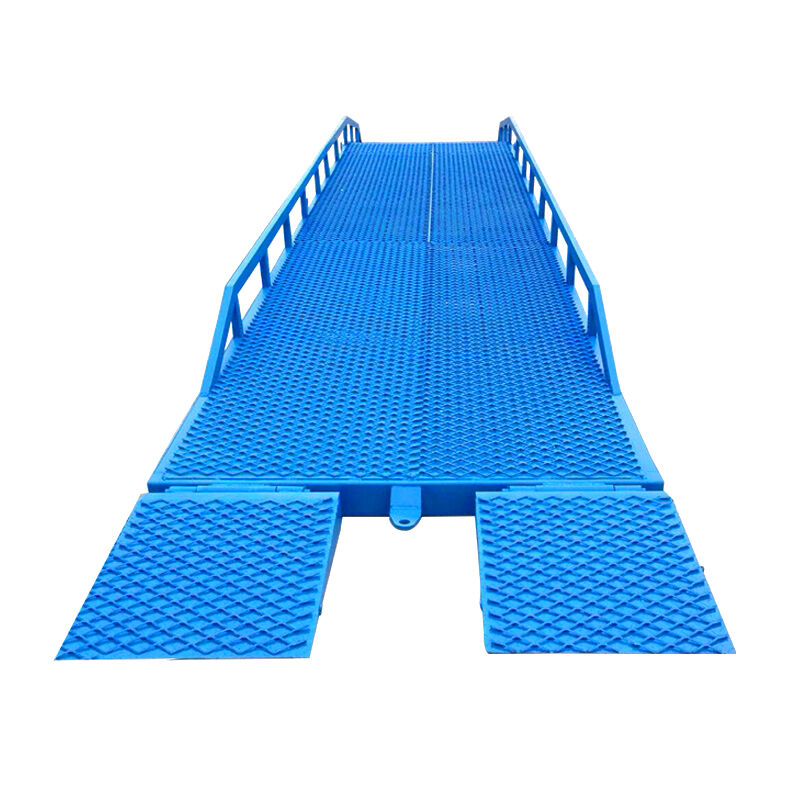
Loading dock ramps for forklift represent essential infrastructure components that bridge the height gap between warehouse floors and truck trailers, enabling seamless material handling operations. These specialized structures are engineered to withstand heavy loads while providing safe passage for forklifts and other material handling equipment. The primary function of loading dock ramps for forklift involves creating a smooth transition zone where goods can be efficiently loaded and unloaded from delivery vehicles. Modern loading dock ramps for forklift incorporate advanced hydraulic systems that allow for precise height adjustments, accommodating various truck bed heights and ensuring optimal positioning for material transfer. The technological features include robust steel construction with anti-slip surfaces, integrated safety barriers, and automated positioning systems. These ramps typically feature adjustable lip plates that extend onto the truck bed, creating a secure connection point that prevents gaps or instability during forklift operations. Many loading dock ramps for forklift also include safety mechanisms such as vehicle restraint systems, which secure trucks in position during loading operations, and dock lights that improve visibility in low-light conditions. The applications span across diverse industries including manufacturing, distribution centers, retail warehouses, cold storage facilities, and logistics hubs. Loading dock ramps for forklift are particularly valuable in facilities handling high-volume shipments where efficiency and safety are paramount. These systems support various forklift types, from standard counterbalance units to reach trucks and pallet jacks, making them versatile solutions for different operational requirements. The integration of smart technology in modern loading dock ramps for forklift includes sensor systems that detect truck positioning and automatically adjust ramp angles for optimal safety and efficiency. Professional installation ensures proper integration with existing dock infrastructure while maximizing operational benefits.
 EN
EN