portable truck loading ramp
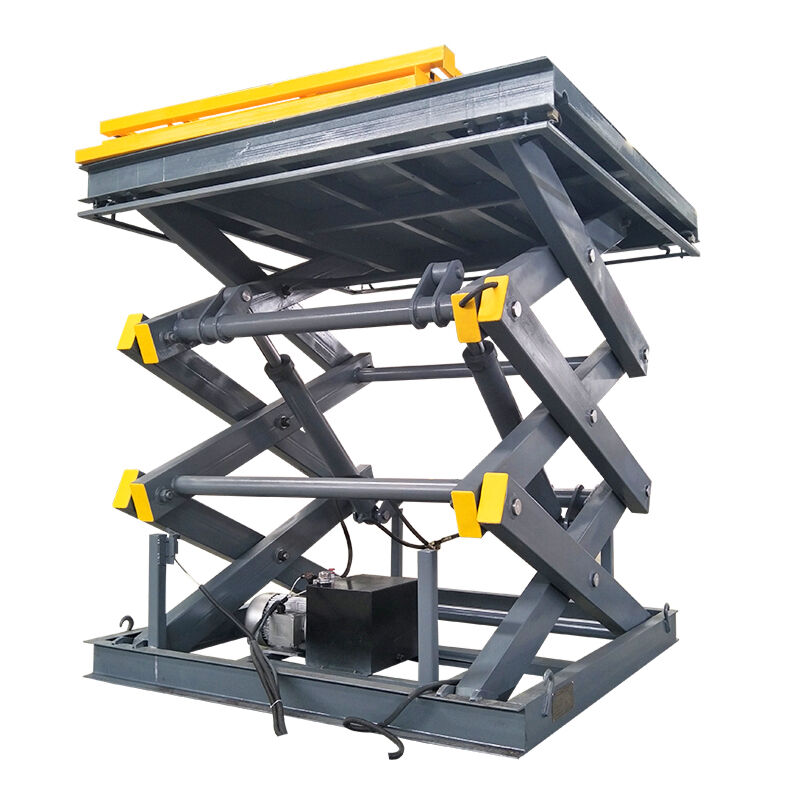
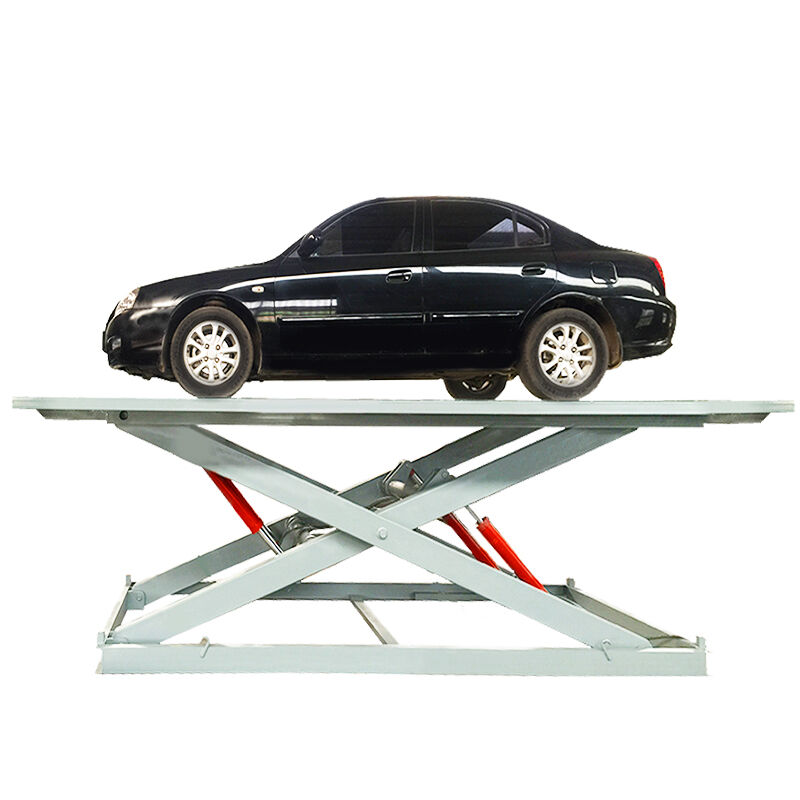
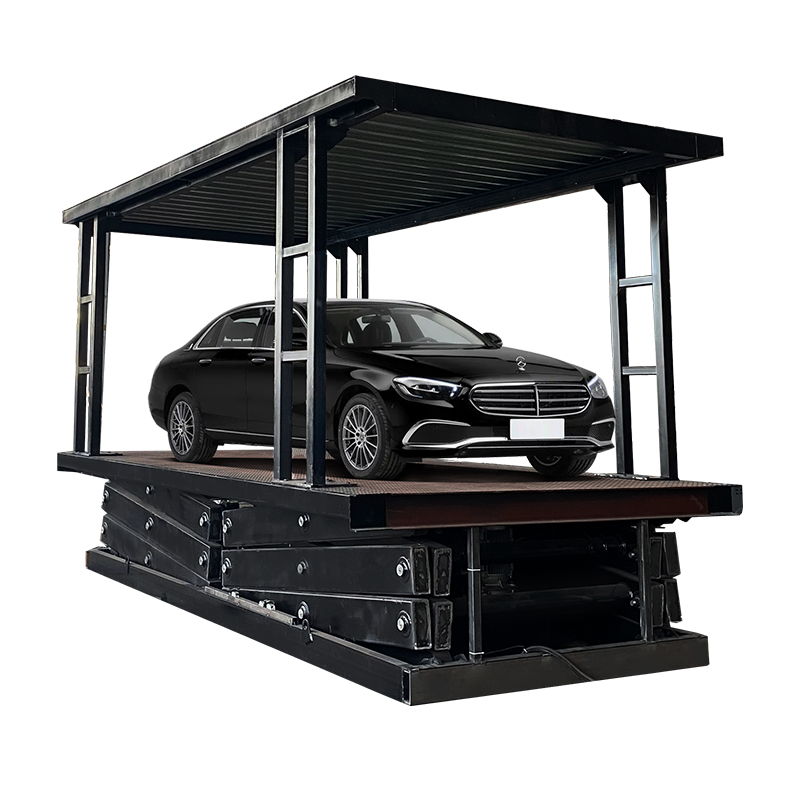
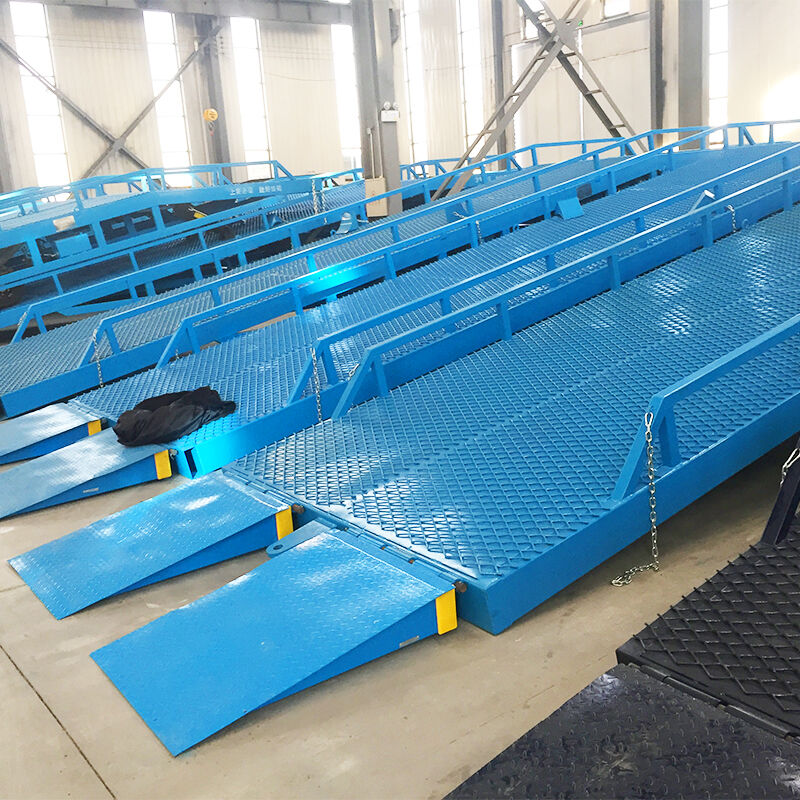
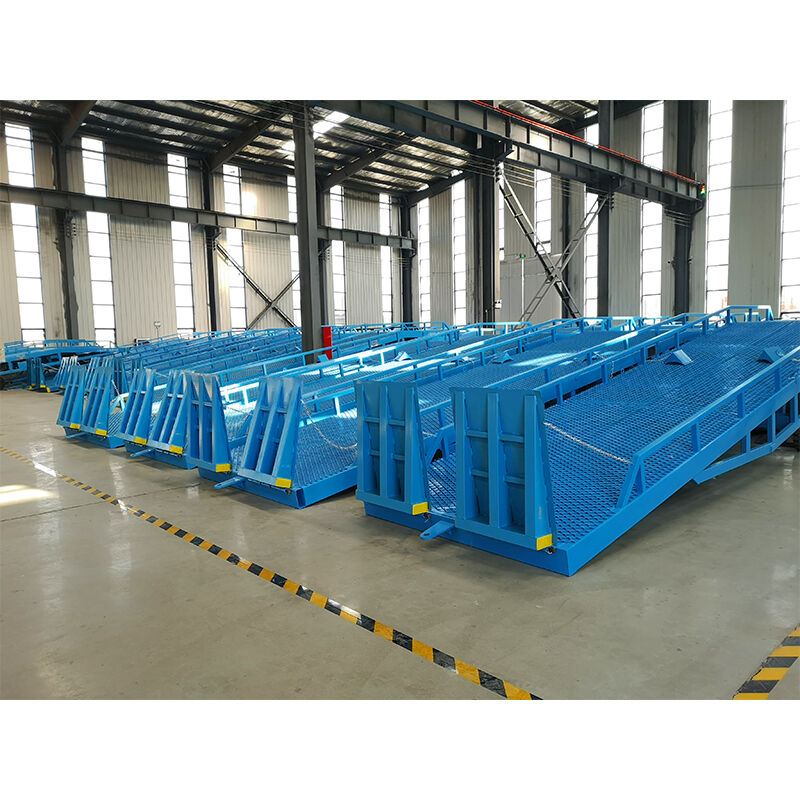
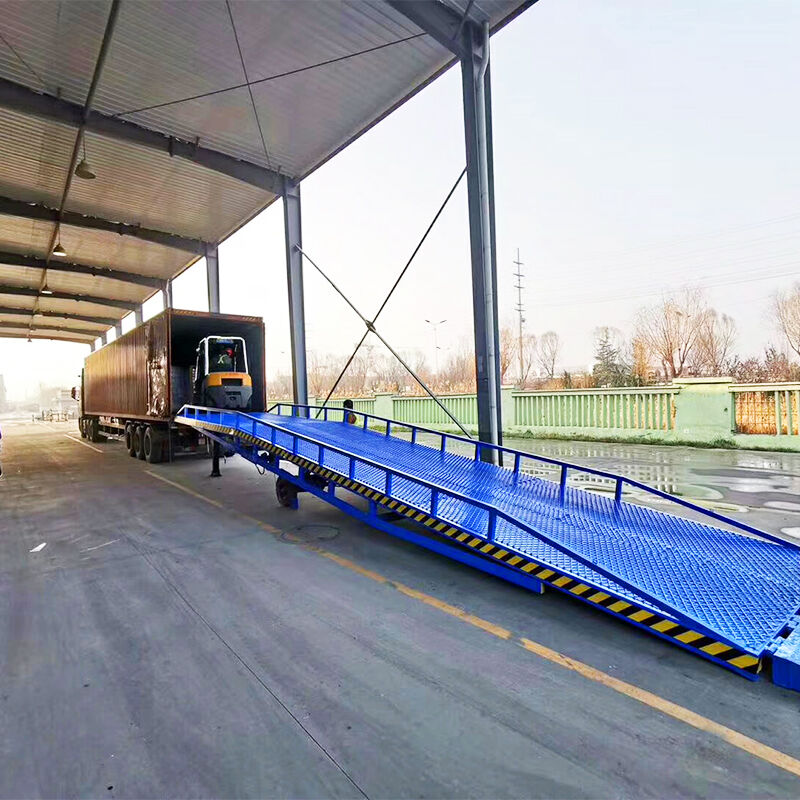
A portable truck loading ramp represents an essential piece of equipment designed to facilitate the safe and efficient transfer of goods, vehicles, and materials between ground level and truck beds or trailers. These innovative ramps serve as temporary bridges that eliminate the need for permanent loading dock installations, making them invaluable for businesses operating in multiple locations or requiring flexible loading solutions. The primary function of a portable truck loading ramp involves creating a smooth, inclined pathway that allows wheeled equipment, forklifts, hand trucks, and personnel to move safely between different elevation levels. Modern portable truck loading ramps incorporate advanced engineering principles to ensure maximum load-bearing capacity while maintaining structural integrity under demanding operational conditions. These ramps typically feature adjustable height mechanisms that accommodate various truck bed heights, from standard pickup trucks to large commercial trailers. The technological features integrated into contemporary portable truck loading ramp designs include anti-slip surfaces that provide superior traction in wet or dry conditions, reinforced aluminum or steel construction for durability, and hydraulic or mechanical adjustment systems for precise positioning. Many models incorporate safety rails, approach plates, and locking mechanisms to prevent accidental movement during loading operations. Applications for portable truck loading ramp equipment span numerous industries including construction, manufacturing, retail distribution, agricultural operations, and emergency services. Construction companies utilize these ramps for loading heavy machinery onto transport vehicles, while retail businesses employ them for efficient inventory management and delivery operations. Agricultural enterprises benefit from portable truck loading ramp solutions when transferring livestock, equipment, and produce. The versatility of these systems extends to military applications, disaster relief operations, and specialized transportation requirements where permanent infrastructure is unavailable or impractical.
 EN
EN