Factory Goods Lift Solutions - Industrial Material Handling Equipment for Heavy-Duty Operations

Get a Free Quote

Our representative will contact you soon.
Email
Mobile/WhatsApp
Name
Company Name
Message
0/1000

factory goods lift

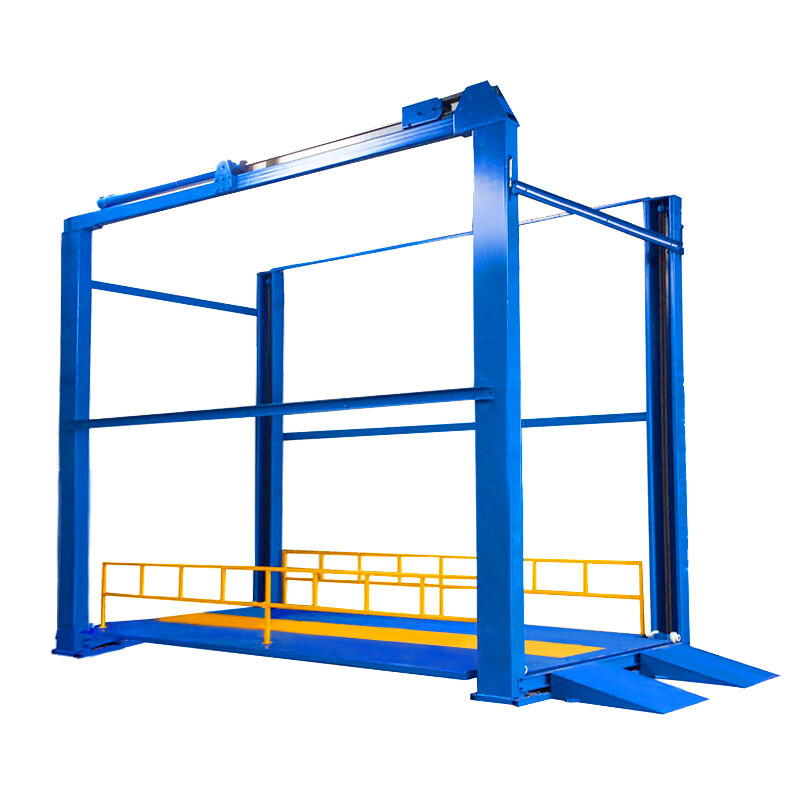
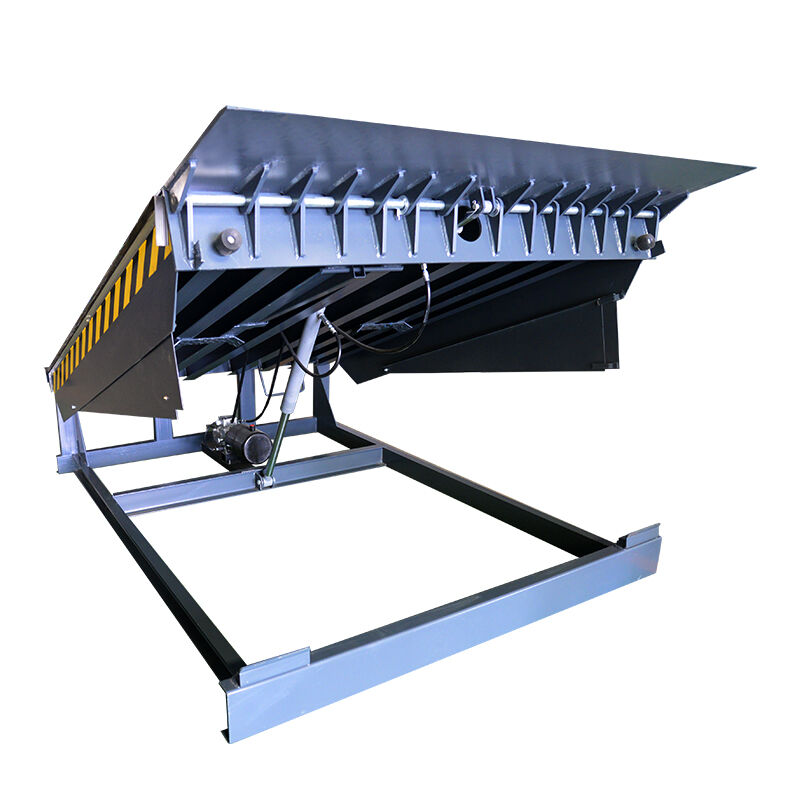
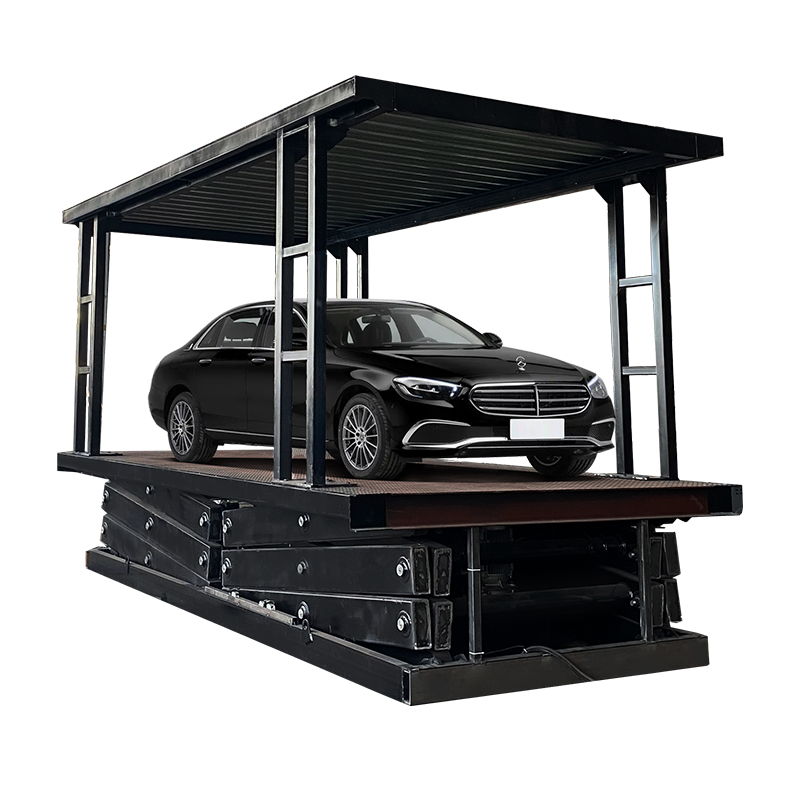
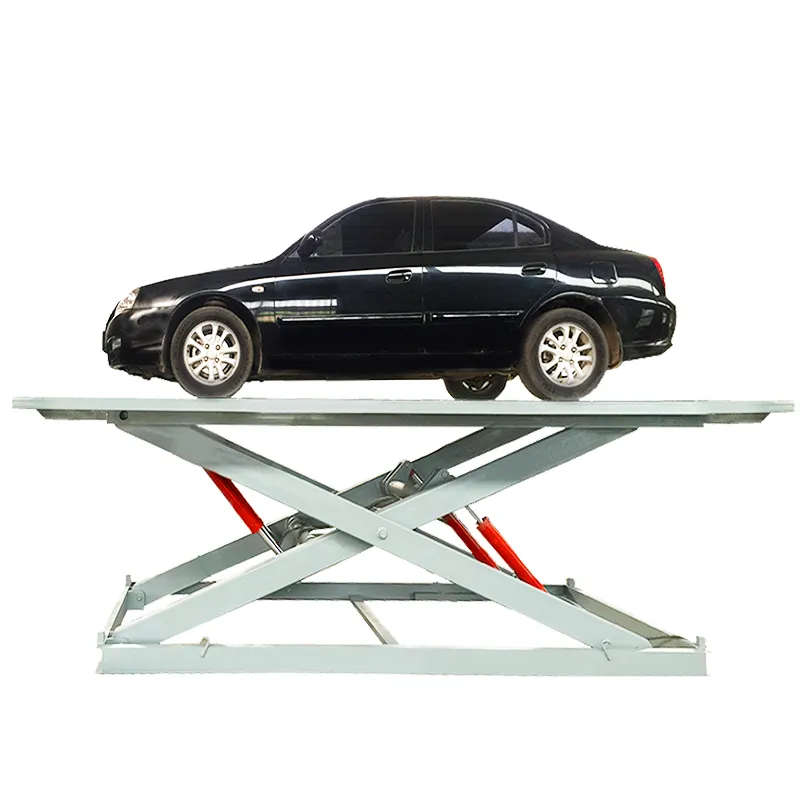
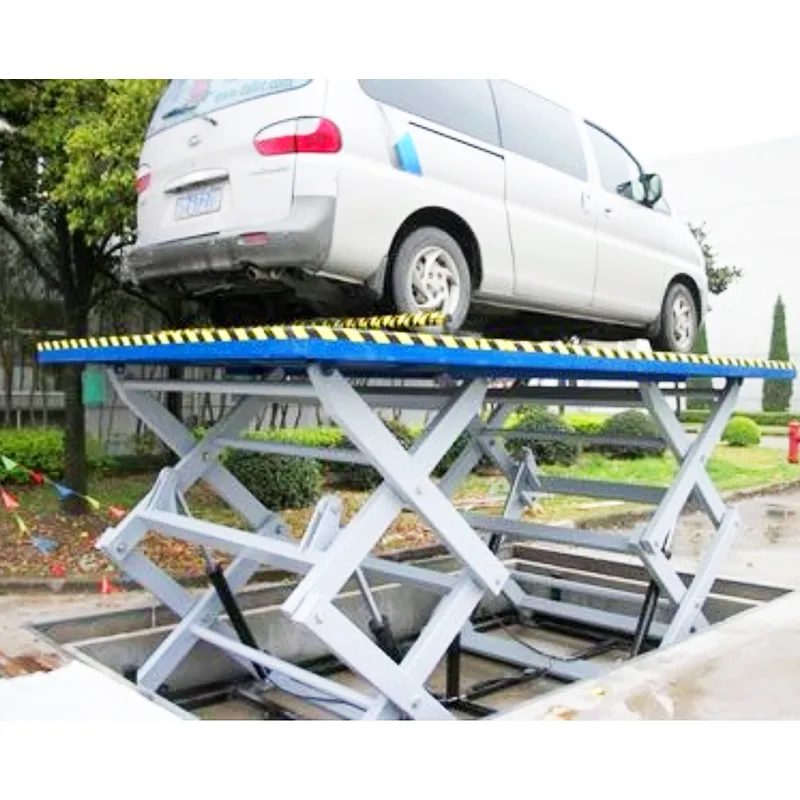
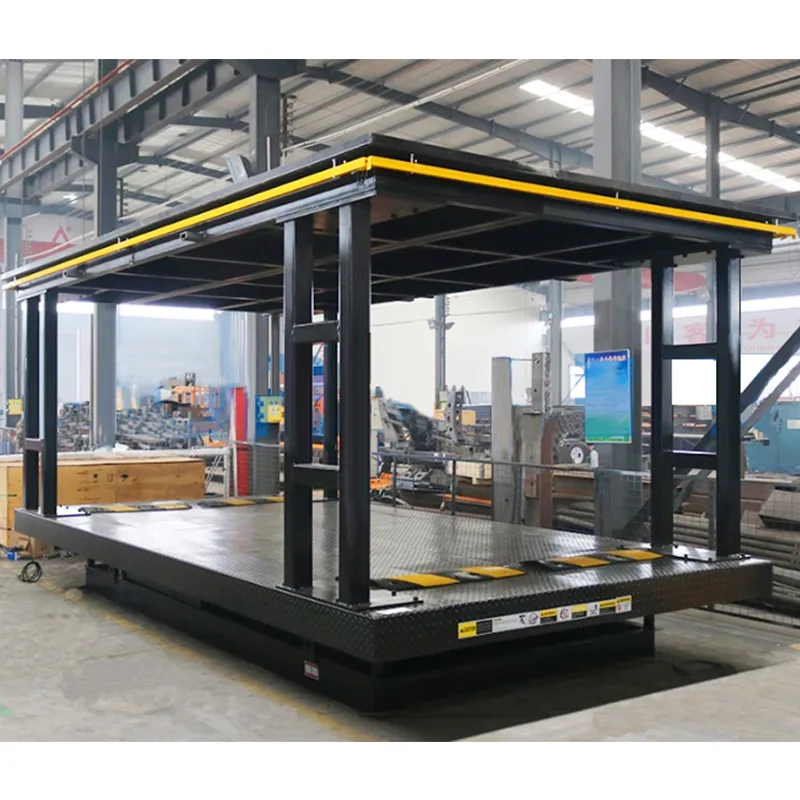
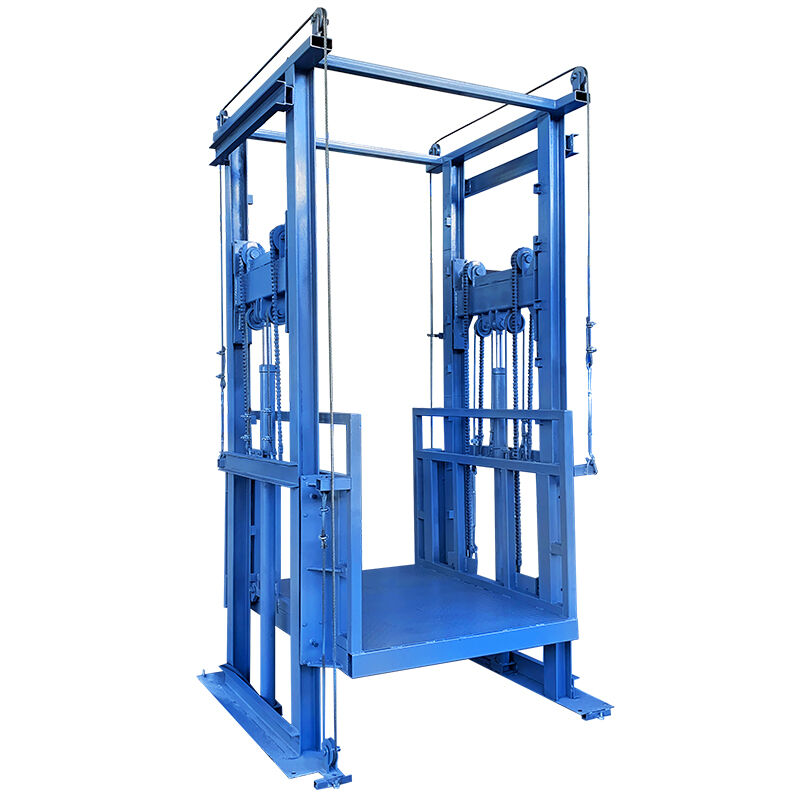
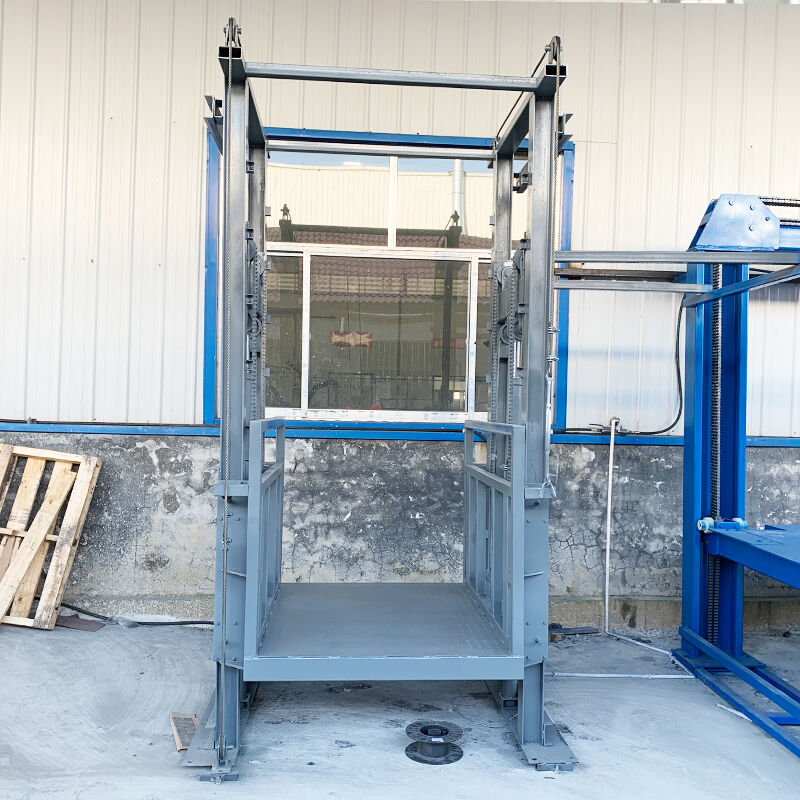
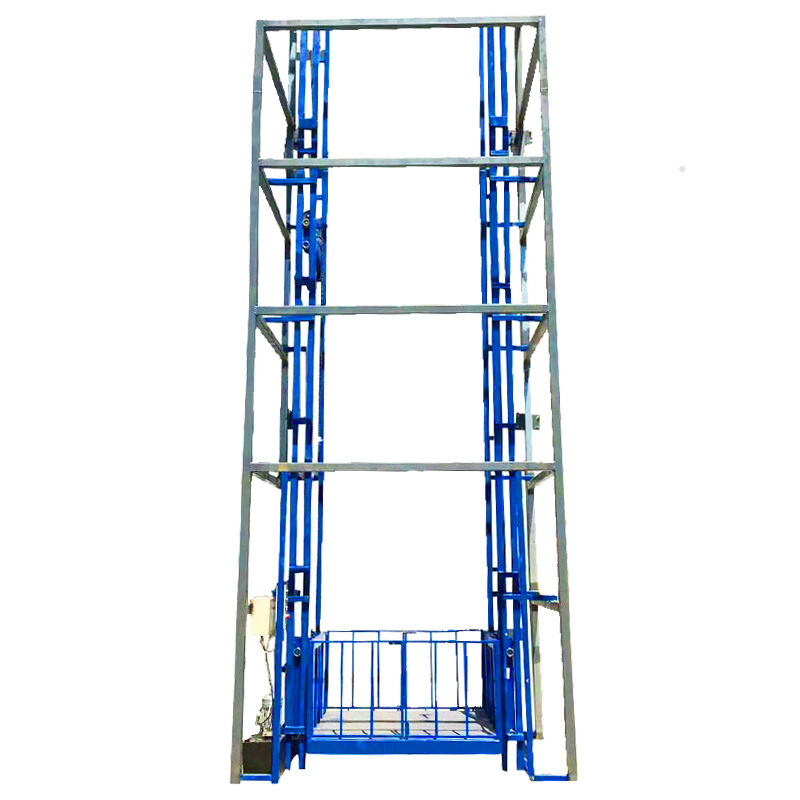
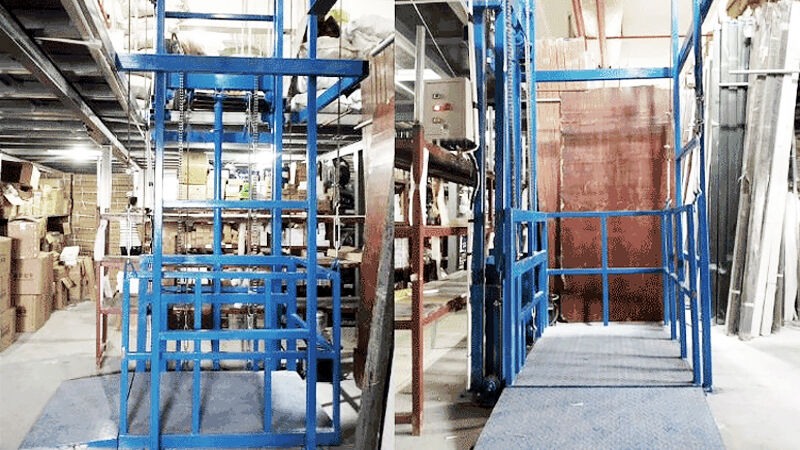
The factory goods lift represents a sophisticated vertical transportation solution specifically engineered for industrial environments and manufacturing facilities. This robust mechanical system serves as the backbone of efficient material handling operations, enabling seamless movement of heavy equipment, raw materials, finished products, and various industrial components between different floor levels within manufacturing plants, warehouses, and distribution centers. Unlike conventional passenger elevators, the factory goods lift prioritizes durability, load capacity, and operational reliability to meet the demanding requirements of industrial applications. These specialized lifting systems incorporate advanced hydraulic or electric drive mechanisms, reinforced structural components, and precision control systems designed to handle substantial weight loads while maintaining consistent performance under continuous operation. Modern factory goods lift installations feature intelligent control panels with programmable logic controllers that optimize lifting sequences, monitor system performance, and provide diagnostic feedback to maintenance teams. The technological architecture includes heavy-duty guide rails, industrial-grade motors, redundant safety systems, and weather-resistant enclosures that protect internal components from harsh industrial environments. Safety mechanisms encompass emergency stop functions, overload protection, door interlocks, and backup power systems ensuring operational continuity during power fluctuations. The factory goods lift accommodates diverse cargo configurations through adjustable platform sizes, customizable loading heights, and specialized attachment points for securing various types of industrial equipment. Installation versatility allows integration into existing building structures or incorporation into new construction projects, with options for indoor and outdoor mounting configurations. Maintenance accessibility features include service platforms, diagnostic ports, and modular component design facilitating routine inspections and repairs without extensive downtime.

Popular Products

Factory goods lift systems deliver exceptional operational benefits that directly impact productivity and cost-effectiveness in industrial settings. The primary advantage centers on dramatic improvements in material handling efficiency, eliminating the need for manual lifting of heavy components and reducing labor-intensive transportation processes. Workers can quickly move substantial loads between floors without physical strain, significantly decreasing workplace injury risks and associated insurance costs. Time savings represent another crucial benefit, as automated lifting operations complete vertical transportation tasks in minutes compared to hours required for alternative methods like crane systems or manual carrying. The factory goods lift operates with remarkable energy efficiency, utilizing modern motor technology and regenerative braking systems that reduce overall power consumption while maintaining consistent performance levels. Installation costs prove economical when compared to complex conveyor systems or multiple freight elevators, providing excellent return on investment through enhanced operational capacity. Maintenance requirements remain minimal due to robust construction and quality components designed for extended service life, reducing long-term ownership expenses and minimizing production disruptions. The system adapts easily to changing operational needs through adjustable configurations and expandable capacity options, ensuring long-term viability as business requirements evolve. Space utilization benefits include compact installation footprints that maximize available floor space for production activities while providing essential vertical transportation capabilities. Operational flexibility allows scheduling of lifting operations during specific production cycles, optimizing workflow coordination and preventing bottlenecks in material movement. Noise reduction features ensure comfortable working environments by minimizing operational sound levels compared to traditional mechanical lifting equipment. The factory goods lift enhances workplace safety through elimination of manual handling risks, reducing accident rates and improving overall safety compliance ratings. Quality control improvements result from reduced product damage during transportation, as secure lifting platforms protect materials from impacts and environmental exposure. Integration capabilities allow seamless connection with existing warehouse management systems and automated production lines, creating comprehensive material handling solutions that boost overall operational efficiency.

Tips And Tricks

What Are the Advantages of Choosing a Custom Lift Manufacturer?

05

Mar

What Are the Advantages of Choosing a Custom Lift Manufacturer?

When businesses need vertical transportation solutions, they often face a critical decision: choose a standard, off-the-shelf lift system or partner with a custom lift manufacturer. While pre-engineered lifts may seem like the simpler option, working...
View More
Why Are Stationary Scissor Lifts Popular in Manufacturing Plants?

16

Mar

Why Are Stationary Scissor Lifts Popular in Manufacturing Plants?

Manufacturing plants worldwide have increasingly turned to stationary scissor lifts as essential equipment for their vertical material handling and access needs. These robust hydraulic platforms have become indispensable in modern industrial operatio...
View More
How Do Car Lifts for Home Garage Add Value to Real Estate Projects?

20

Mar

How Do Car Lifts for Home Garage Add Value to Real Estate Projects?

Car lifts for home garage installations have emerged as a premium feature that significantly enhances property value in today's competitive real estate market. These sophisticated automotive storage solutions transform ordinary residential garages in...
View More
What Are the Key Benefits of Installing a Goods Lift in Factories?

30

Mar

What Are the Key Benefits of Installing a Goods Lift in Factories?

In today’s highly competitive industrial environment, factories are under constant pressure to improve operational efficiency, reduce labor costs, and ensure workplace safety. One of the most practical solutions adopted by modern manufactu...
View More

Get a Free Quote

Our representative will contact you soon.
Email
Mobile/WhatsApp
Name
Company Name
Message
0/1000

factory goods lift

Superior Load Capacity and Structural Durability

Superior Load Capacity and Structural Durability

The factory goods lift excels in handling exceptionally heavy loads with uncompromising structural integrity, setting industry standards for industrial lifting applications. Engineering specifications typically accommodate loads ranging from 2,000 to 20,000 pounds, with specialized configurations capable of supporting even greater capacities for unique industrial requirements. The structural framework utilizes high-strength steel construction with reinforced support beams, precision-welded joints, and corrosion-resistant coatings that ensure decades of reliable service under demanding operational conditions. Advanced load distribution systems incorporate multiple support points and shock-absorbing mechanisms that protect both the cargo and lifting mechanism from dynamic forces during operation. The platform design features non-slip surfaces, adjustable tie-down points, and removable safety barriers that accommodate diverse cargo configurations while maintaining optimal security throughout the lifting process. Quality materials include industrial-grade hydraulic cylinders manufactured to withstand millions of operational cycles, premium-grade electrical components rated for continuous duty applications, and heavy-duty guide systems that eliminate lateral movement during vertical transportation. Rigorous testing protocols validate structural performance under maximum load conditions, seismic stress scenarios, and extreme temperature variations, ensuring consistent reliability in challenging industrial environments. The factory goods lift incorporates redundant safety systems including dual-circuit hydraulic configurations, emergency mechanical locks, and overload sensors that automatically prevent operation beyond safe capacity limits. Maintenance accessibility features allow easy inspection of critical components, replacement of wear items, and system upgrades without major disassembly requirements. Environmental protection includes weatherproof enclosures, moisture-resistant seals, and temperature-compensated hydraulic fluids that maintain performance consistency across varying operational conditions.
Advanced Safety Systems and Compliance Standards

Advanced Safety Systems and Compliance Standards

Safety excellence defines the factory goods lift through comprehensive protection systems that exceed industry regulations and workplace safety requirements. Multi-layered safety architecture incorporates active monitoring systems that continuously assess operational parameters, detecting potential hazards before they compromise system integrity or operator safety. Emergency stop mechanisms include easily accessible controls positioned at platform level and control stations, enabling immediate system shutdown from multiple locations throughout the operational area. Interlock systems prevent unauthorized access during lifting operations through secure door controls, light curtain barriers, and pressure-sensitive edges that halt movement upon detecting unexpected obstructions. The factory goods lift features dual-circuit hydraulic systems with independent backup mechanisms ensuring controlled descent capability even during primary system failures, eliminating sudden dropping risks that could endanger personnel or damage cargo. Certified safety components meet stringent OSHA guidelines, ANSI standards, and international safety certifications, providing documentation required for insurance compliance and regulatory inspections. Regular safety audits validate ongoing compliance with evolving workplace safety regulations, while built-in diagnostic systems monitor component performance and alert maintenance teams to potential safety concerns before they become critical issues. Training protocols ensure operators understand proper loading procedures, weight distribution requirements, and emergency response procedures, creating comprehensive safety awareness throughout the operational team. Visual and audible warning systems alert nearby personnel during lifting operations, including flashing lights, audible alarms, and clear signage that designate restricted access zones. Fail-safe design principles ensure that any system malfunction results in safe operational states rather than dangerous conditions, with automatic locking mechanisms engaging whenever power interruptions or component failures occur. Documentation packages include detailed safety manuals, operational guidelines, and maintenance schedules that support ongoing safety management programs and regulatory compliance requirements.
Operational Efficiency and Cost-Effective Performance

Operational Efficiency and Cost-Effective Performance

The factory goods lift transforms industrial operations through exceptional efficiency gains and measurable cost reductions that directly impact bottom-line profitability. Operational speed capabilities enable rapid material movement with lifting rates typically ranging from 20 to 60 feet per minute, significantly reducing transportation time compared to alternative methods while maintaining smooth, controlled motion that protects cargo integrity. Energy efficiency features include variable-speed drive systems that optimize power consumption based on load requirements, regenerative controls that capture energy during descent operations, and smart scheduling systems that coordinate multiple lifting cycles for maximum efficiency. The factory goods lift reduces labor costs through automation of previously manual processes, allowing personnel to focus on value-added activities while the system handles routine material transportation tasks with minimal supervision. Integration capabilities enable seamless connection with warehouse management systems, inventory tracking software, and production scheduling platforms, creating comprehensive operational visibility and enabling data-driven optimization decisions. Maintenance scheduling becomes predictable through condition monitoring systems that track component wear patterns, operational hours, and performance metrics, allowing proactive maintenance planning that minimizes unexpected downtime. Space optimization benefits include vertical storage solutions that maximize warehouse capacity utilization while reducing horizontal transportation distances and associated handling costs. The system accommodates diverse operational schedules through programmable controls that enable automatic operation during off-hours, extended operational windows that support multiple shift operations, and rapid cycle times that prevent production bottlenecks. Quality improvements result from consistent, controlled material handling that reduces damage rates, contamination risks, and handling errors compared to manual transportation methods. Return on investment calculations typically show payback periods of 18 to 36 months through combined savings in labor costs, reduced damage rates, improved operational capacity, and enhanced safety performance. Long-term operational benefits include scalable capacity that accommodates business growth, adaptable configurations that support changing operational requirements, and proven reliability that ensures consistent performance over extended service life spanning decades of industrial use.

Get a Free Quote

Our representative will contact you soon.
Email
Mobile/WhatsApp
Name
Company Name
Message
0/1000