Professional Goods Platform Lift Solutions - Heavy Duty Vertical Transportation Systems

Get a Free Quote

Our representative will contact you soon.
Email
Mobile/WhatsApp
Name
Company Name
Message
0/1000

goods platform lift

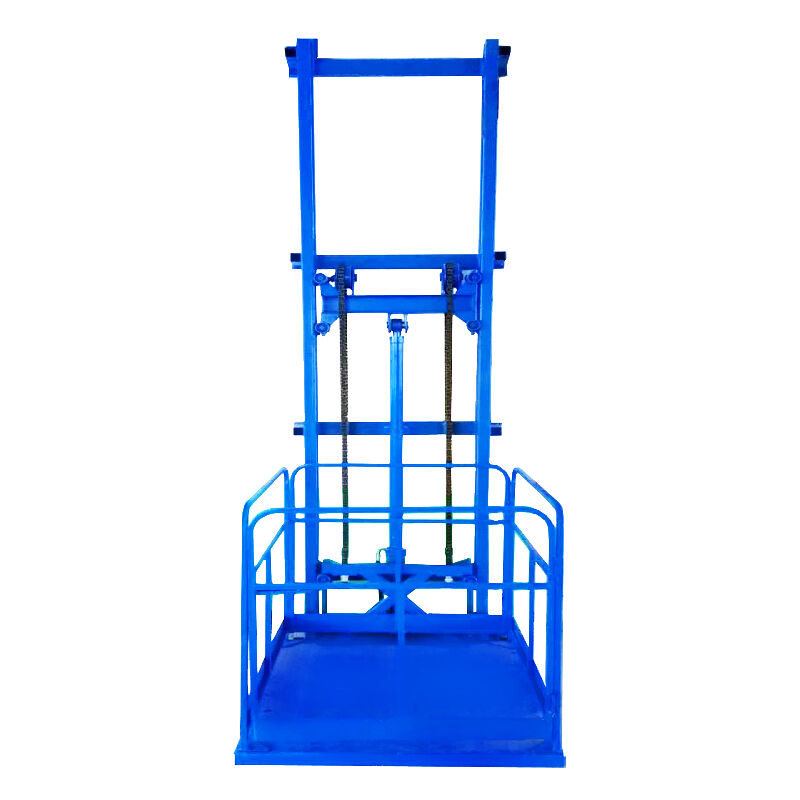
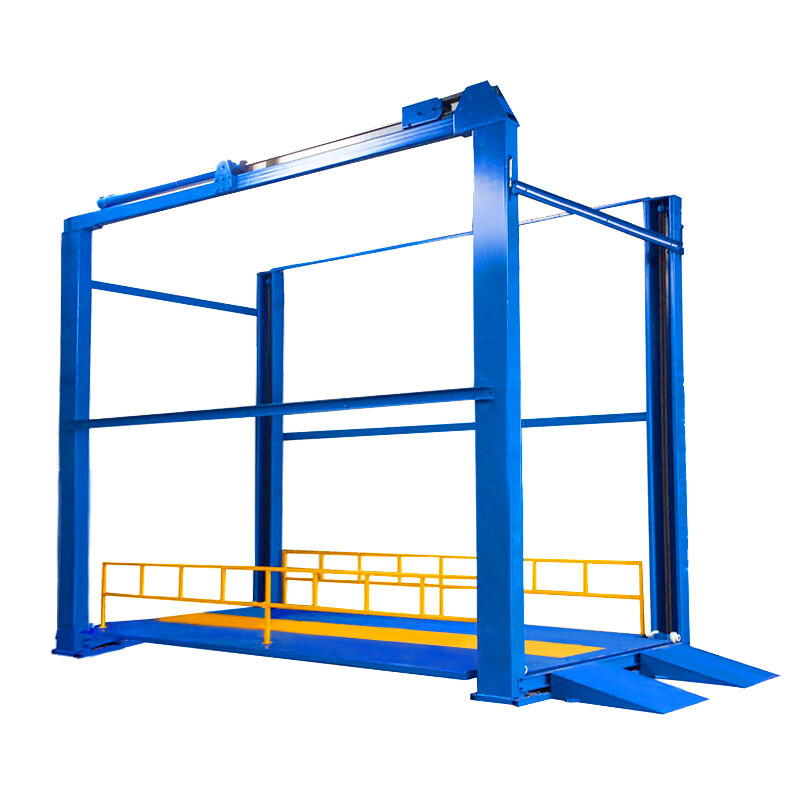
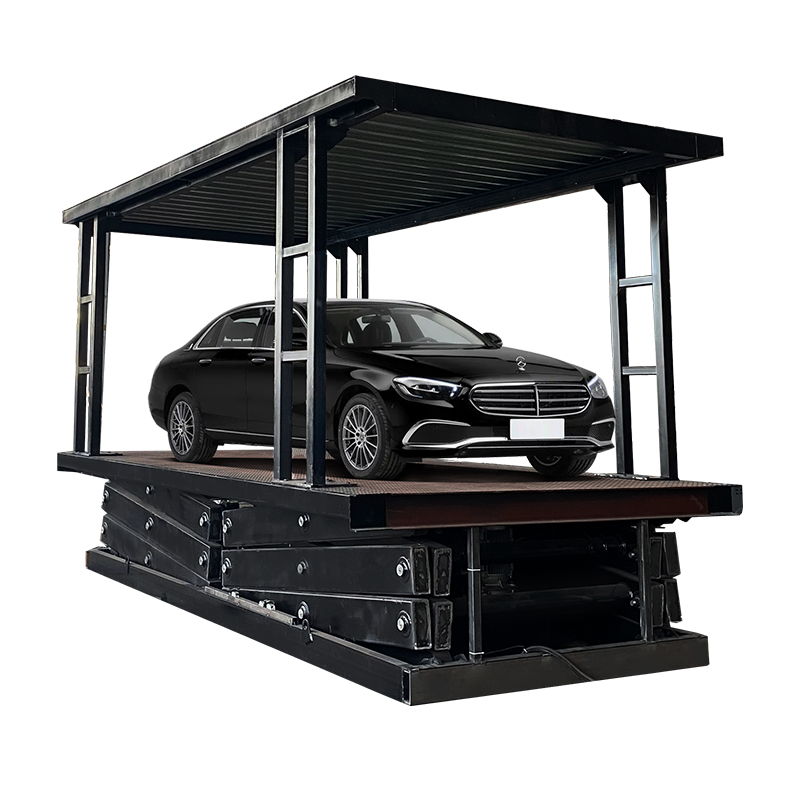
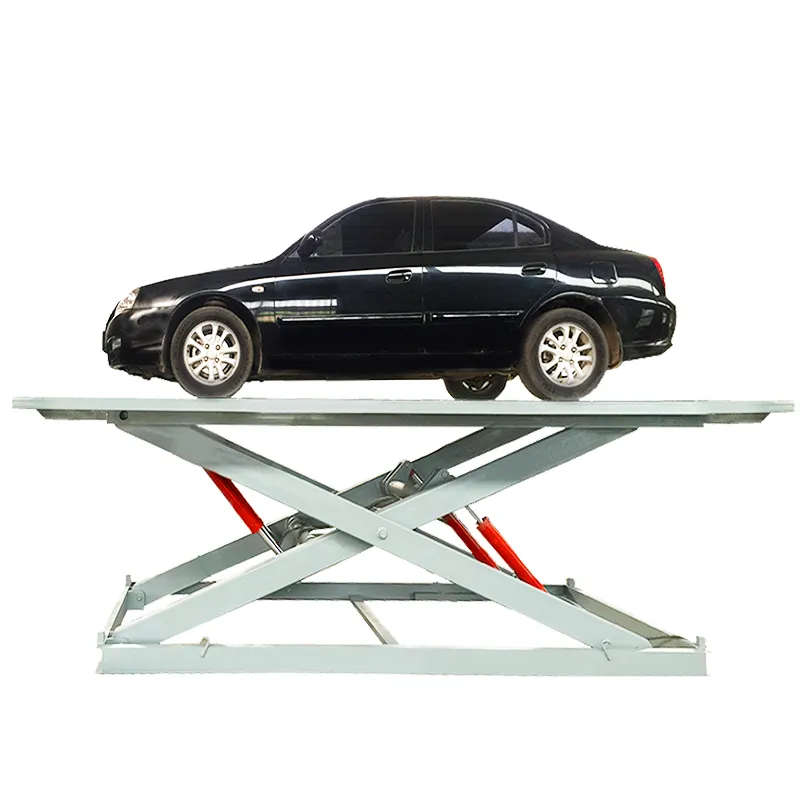
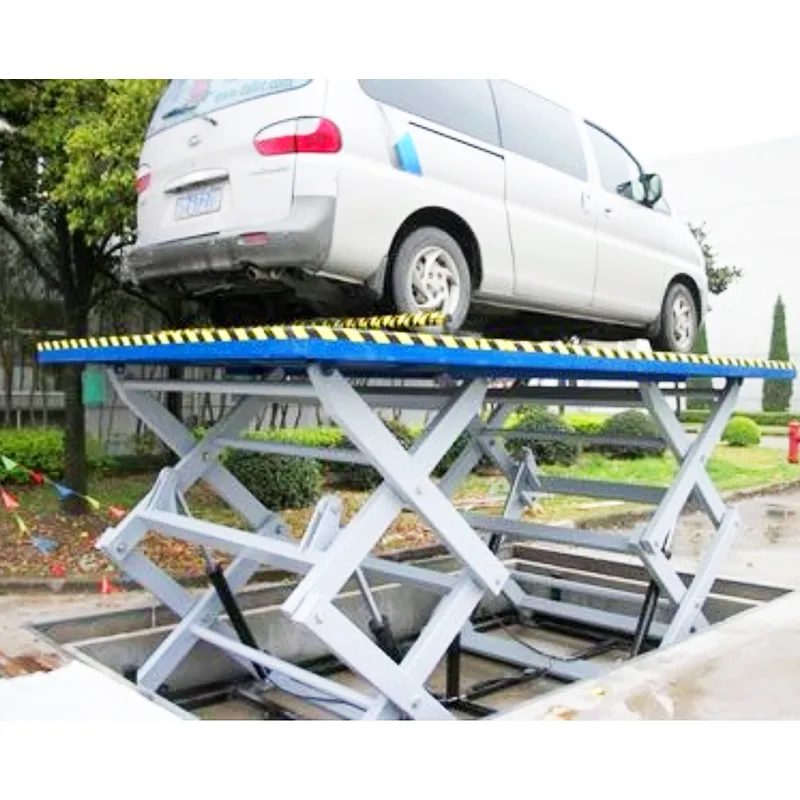
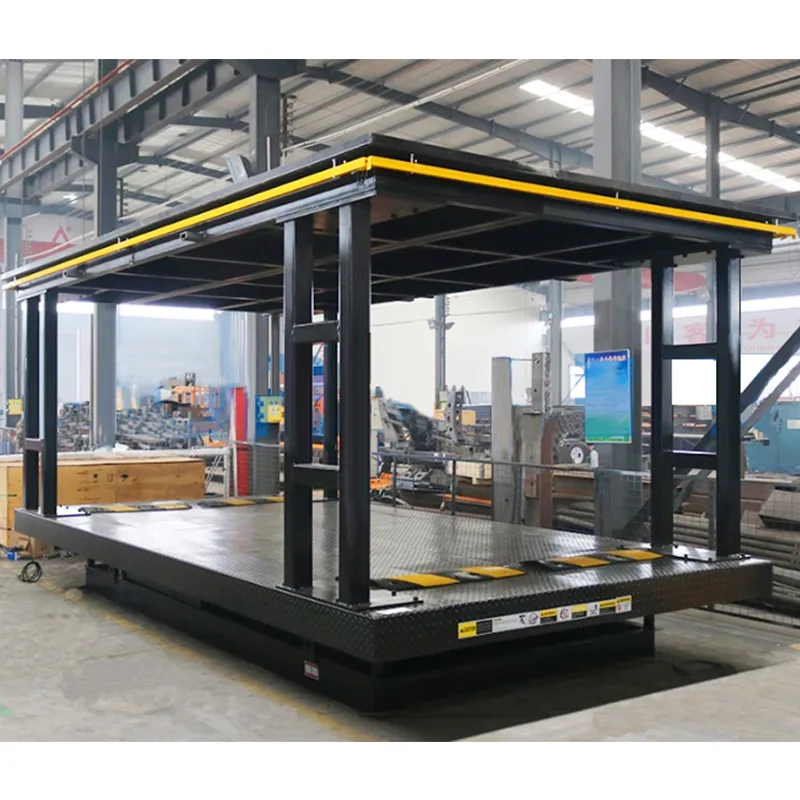
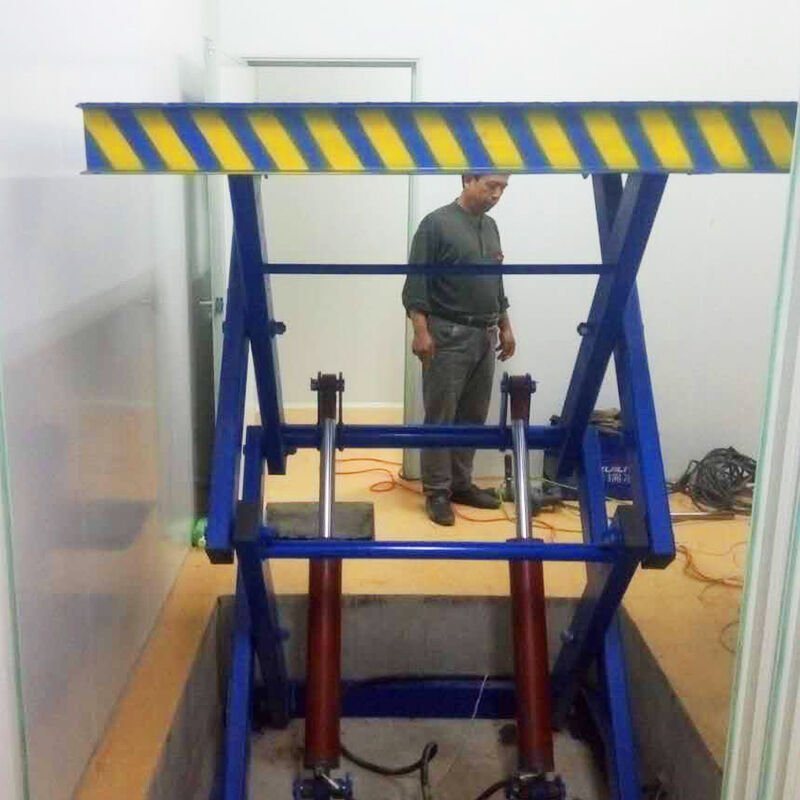
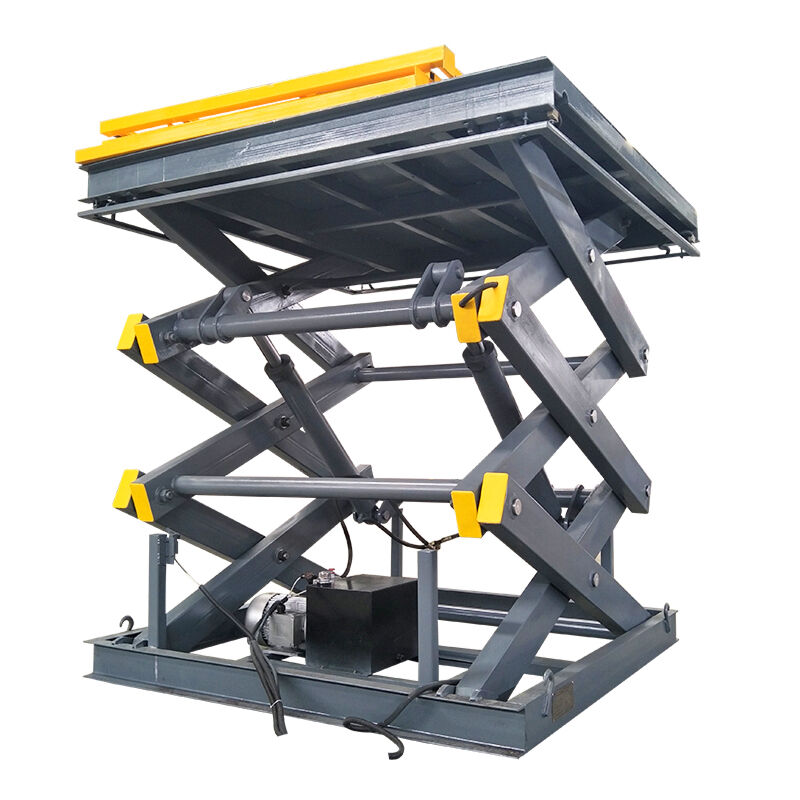
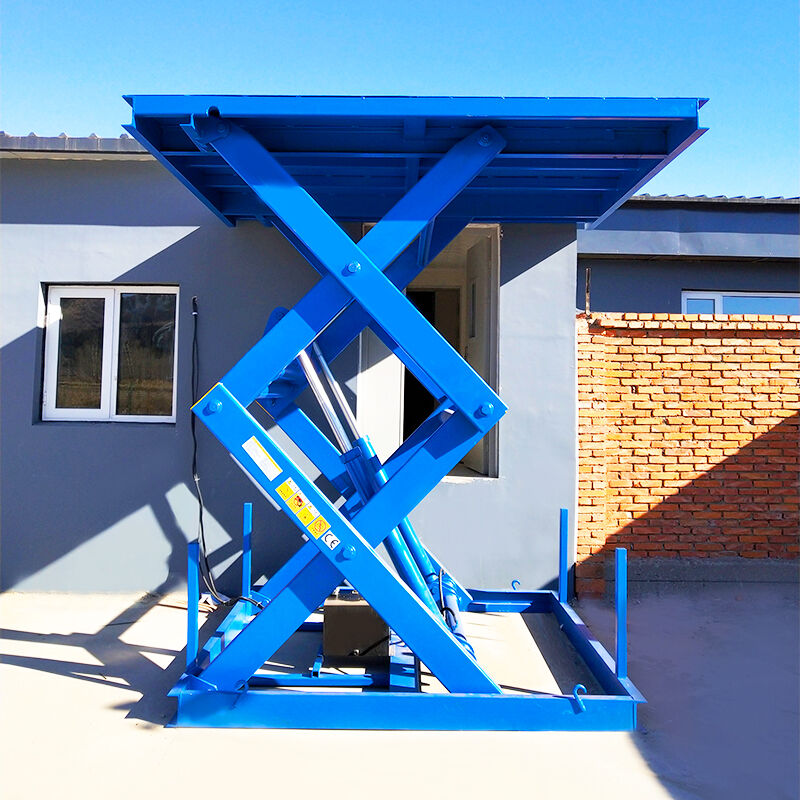
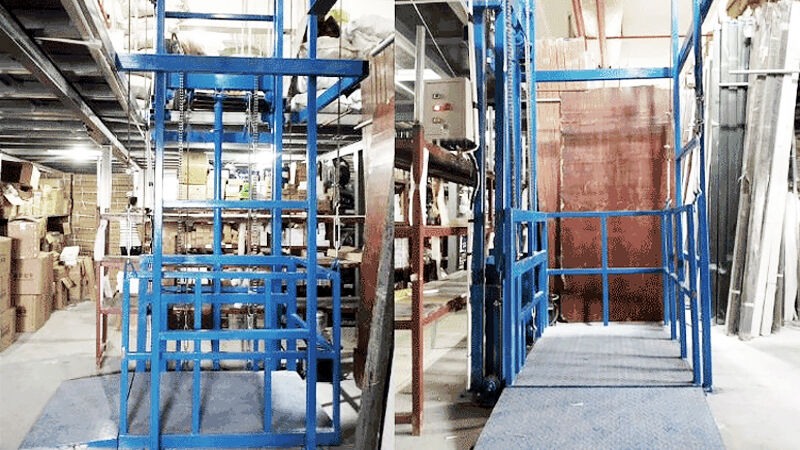
A goods platform lift represents a sophisticated vertical transportation solution designed specifically for moving heavy materials, equipment, and merchandise between different floor levels within commercial and industrial facilities. This essential piece of machinery operates as a freight elevator system that prioritizes load capacity and durability over passenger comfort features. The goods platform lift incorporates robust hydraulic or traction-based mechanisms that enable smooth vertical movement of substantial cargo loads ranging from 1,000 to 10,000 kilograms or more, depending on the specific model and configuration. Modern goods platform lifts feature advanced control systems with programmable logic controllers that ensure precise positioning and safe operation throughout the lifting process. These systems integrate multiple safety mechanisms including emergency stop functions, load sensors, and mechanical locks that prevent accidental movement during loading and unloading operations. The platform construction typically utilizes heavy-duty steel frameworks with reinforced flooring capable of withstanding concentrated loads and frequent use in demanding environments. Installation flexibility allows goods platform lifts to be configured for various shaft dimensions and travel heights, accommodating single-story applications up to multi-level installations spanning several floors. The lift systems incorporate weather-resistant components suitable for both indoor and outdoor installations, with optional enclosures providing additional protection against environmental factors. Energy-efficient motor systems reduce operational costs while maintaining reliable performance standards required for continuous commercial use. Advanced door systems with interlocking mechanisms ensure operator safety and prevent unauthorized access during operation cycles. The goods platform lift design emphasizes ease of maintenance with accessible components and diagnostic systems that facilitate routine inspections and service procedures, minimizing downtime and extending equipment lifespan while maintaining optimal performance levels.

New Product Recommendations

The goods platform lift delivers exceptional operational efficiency by eliminating the manual labor required to transport heavy materials between floors, significantly reducing workplace injuries and increasing productivity levels throughout your facility. This automation saves considerable time compared to traditional methods such as using stairs, ramps, or manual hoisting systems, allowing workers to focus on more valuable tasks while the lift handles the heavy lifting responsibilities. Cost-effectiveness becomes apparent through reduced labor expenses and decreased insurance premiums related to workplace safety incidents, as the goods platform lift minimizes the risk of back injuries and other lifting-related accidents that commonly occur in manual material handling operations. The system provides remarkable versatility in handling diverse cargo types, from palletized goods and machinery to raw materials and finished products, accommodating irregular shapes and sizes that would be challenging to move through conventional passenger elevators. Space optimization represents another significant advantage, as the goods platform lift requires minimal floor space compared to ramps or conveyor systems while providing vertical access to multiple levels within your building structure. Installation proves straightforward in most existing buildings, with minimal structural modifications required compared to traditional freight elevator systems, reducing both installation time and associated costs. The goods platform lift operates with exceptional reliability, featuring robust construction materials and components designed to withstand continuous use in demanding industrial environments without frequent breakdowns or maintenance issues. Energy efficiency translates to lower operational costs through modern motor technology and optimized hydraulic systems that consume less electricity while maintaining superior lifting performance. Enhanced safety features protect both operators and cargo through multiple redundant systems including emergency stops, load monitoring sensors, and mechanical safety locks that prevent accidents during operation. Customization options allow the goods platform lift to be tailored to specific operational requirements, including platform sizes, lifting capacities, travel heights, and control systems that integrate seamlessly with existing warehouse management systems. The lift system improves workflow organization by creating dedicated vertical transportation channels that separate material movement from pedestrian traffic, reducing congestion and improving overall facility efficiency. Long-term durability ensures consistent performance over many years of operation, providing excellent return on investment through reduced maintenance costs and extended equipment lifespan compared to alternative material handling solutions.

Latest News

What Are the Advantages of Choosing a Custom Lift Manufacturer?

05

Mar

What Are the Advantages of Choosing a Custom Lift Manufacturer?

When businesses need vertical transportation solutions, they often face a critical decision: choose a standard, off-the-shelf lift system or partner with a custom lift manufacturer. While pre-engineered lifts may seem like the simpler option, working...
View More
Why Are Stationary Scissor Lifts Popular in Manufacturing Plants?

16

Mar

Why Are Stationary Scissor Lifts Popular in Manufacturing Plants?

Manufacturing plants worldwide have increasingly turned to stationary scissor lifts as essential equipment for their vertical material handling and access needs. These robust hydraulic platforms have become indispensable in modern industrial operatio...
View More
How Do Car Lifts for Home Garage Add Value to Real Estate Projects?

20

Mar

How Do Car Lifts for Home Garage Add Value to Real Estate Projects?

Car lifts for home garage installations have emerged as a premium feature that significantly enhances property value in today's competitive real estate market. These sophisticated automotive storage solutions transform ordinary residential garages in...
View More
What Are the Key Benefits of Installing a Goods Lift in Factories?

30

Mar

What Are the Key Benefits of Installing a Goods Lift in Factories?

In today’s highly competitive industrial environment, factories are under constant pressure to improve operational efficiency, reduce labor costs, and ensure workplace safety. One of the most practical solutions adopted by modern manufactu...
View More

Get a Free Quote

Our representative will contact you soon.
Email
Mobile/WhatsApp
Name
Company Name
Message
0/1000

goods platform lift

Advanced Safety Systems and Compliance

Advanced Safety Systems and Compliance

The goods platform lift incorporates comprehensive safety mechanisms that exceed industry standards and regulatory requirements, providing peace of mind for operators and facility managers while protecting valuable cargo and personnel. Multiple independent safety systems work together to create redundant protection layers that prevent accidents even if individual components fail. Emergency stop buttons positioned at strategic locations allow immediate shutdown of lift operations from any accessible point, while automatic safety sensors detect obstructions and prevent crushing incidents during platform movement. Load monitoring technology continuously measures cargo weight and prevents overloading that could compromise structural integrity or create dangerous operating conditions. Mechanical safety locks engage automatically when the platform reaches designated floor levels, preventing accidental movement during loading and unloading activities that could result in serious injuries or cargo damage. The platform incorporates safety rails and barriers that prevent personnel from falling or being caught in moving components during operation cycles. Electrical safety systems include ground fault protection and emergency power cutoffs that eliminate shock hazards and prevent equipment damage during power fluctuations or electrical faults. Regular safety inspections and maintenance procedures ensure continued compliance with local building codes and occupational safety regulations, while comprehensive documentation provides audit trails for insurance and regulatory purposes. The goods platform lift design includes fail-safe mechanisms that automatically return the system to a safe state in the event of power loss or mechanical failure, preventing cargo from becoming stranded or creating hazardous conditions. Warning systems including audible alarms and visual indicators alert personnel to platform movement and potential hazards, while access controls prevent unauthorized operation that could create safety risks. These advanced safety features not only protect personnel and property but also reduce liability exposure and insurance costs while maintaining operational efficiency and regulatory compliance throughout the equipment lifecycle.
Exceptional Load Capacity and Versatility

Exceptional Load Capacity and Versatility

The goods platform lift demonstrates remarkable versatility through its ability to handle diverse cargo types and weights that exceed the capabilities of standard passenger elevators or manual handling methods. Heavy-duty construction enables the system to transport loads ranging from lightweight packages to multi-ton industrial equipment, accommodating the varied material handling requirements found in modern commercial and industrial facilities. The platform design features reinforced steel construction with distributed weight capabilities that prevent localized stress concentrations while maintaining structural integrity under maximum load conditions. Customizable platform dimensions allow the goods platform lift to accommodate oversized items including machinery, furniture, building materials, and irregularly shaped cargo that would be impossible to transport using conventional elevator systems. The lifting mechanism utilizes precision-engineered hydraulic or traction systems that provide smooth, controlled movement regardless of load distribution or cargo weight variations, ensuring safe transportation of delicate equipment alongside heavy industrial materials. Variable speed controls allow operators to adjust lifting rates based on cargo sensitivity and operational requirements, from rapid transport of routine materials to careful handling of fragile or precision equipment. The platform surface incorporates anti-slip materials and optional cargo restraint systems that secure loads during vertical movement, preventing shifting or damage that could occur with unstable cargo arrangements. Multiple access configurations including side-loading, end-loading, and corner access options accommodate different facility layouts and workflow patterns, maximizing operational flexibility and integration with existing material handling systems. The goods platform lift handles palletized cargo efficiently with optional pallet guides and positioning systems that ensure accurate placement and prevent damage during loading operations. Specialized attachments and accessories expand functionality to include roll-on/roll-off capabilities for wheeled equipment, adjustable platforms for variable load heights, and climate-controlled enclosures for temperature-sensitive materials, making the system adaptable to virtually any material handling challenge encountered in modern facilities.

Energy Efficiency and Cost-Effective Operation

Energy Efficiency and Cost-Effective Operation

The goods platform lift delivers outstanding energy efficiency through advanced motor technology and intelligent control systems that minimize power consumption while maintaining superior performance standards required for demanding commercial applications. Modern variable frequency drives optimize motor operation by adjusting power output based on actual load requirements, significantly reducing electricity costs compared to traditional fixed-speed systems that consume constant power regardless of cargo weight or lifting distance. Regenerative braking technology captures energy during descent operations and returns it to the electrical system, further reducing overall power consumption while providing smooth, controlled lowering of heavy loads. The hydraulic systems incorporate energy-efficient pumps and valves that minimize pressure losses and reduce heat generation, extending component life while decreasing cooling requirements that add to operational costs. Intelligent control systems include programmable scheduling features that automatically manage lift operations during peak and off-peak periods, optimizing energy usage patterns to take advantage of lower electricity rates while maintaining operational availability when needed. Standby mode functionality reduces power consumption during idle periods by shutting down non-essential systems while maintaining safety monitoring and emergency response capabilities. The goods platform lift requires minimal maintenance compared to complex mechanical systems, with fewer moving parts and robust construction that extends service intervals and reduces maintenance labor costs. Predictive maintenance capabilities monitor system performance and component wear patterns, allowing scheduled maintenance activities that prevent costly emergency repairs and unexpected downtime. The durable construction materials and protective coatings resist corrosion and wear, extending equipment lifespan and reducing replacement costs over the system's operational life. Energy monitoring systems provide detailed consumption data that enables facility managers to optimize usage patterns and identify additional cost-saving opportunities. The goods platform lift integration with building automation systems enables coordinated operation that maximizes efficiency across multiple building systems while maintaining optimal performance. These energy-efficient features combine to deliver substantial cost savings over the equipment lifecycle while supporting corporate sustainability initiatives and reducing environmental impact through decreased energy consumption and extended equipment longevity.

Get a Free Quote

Our representative will contact you soon.
Email
Mobile/WhatsApp
Name
Company Name
Message
0/1000