Professional Vertical Goods Lift Solutions - Efficient Material Handling Systems

Get a Free Quote

Our representative will contact you soon.
Email
Mobile/WhatsApp
Name
Company Name
Message
0/1000

vertical goods lift

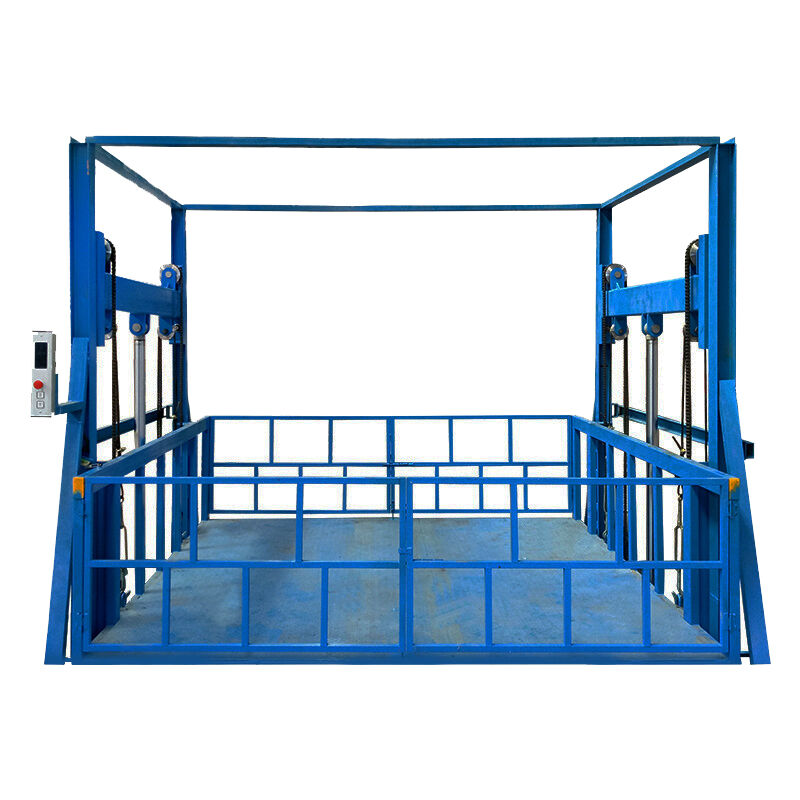
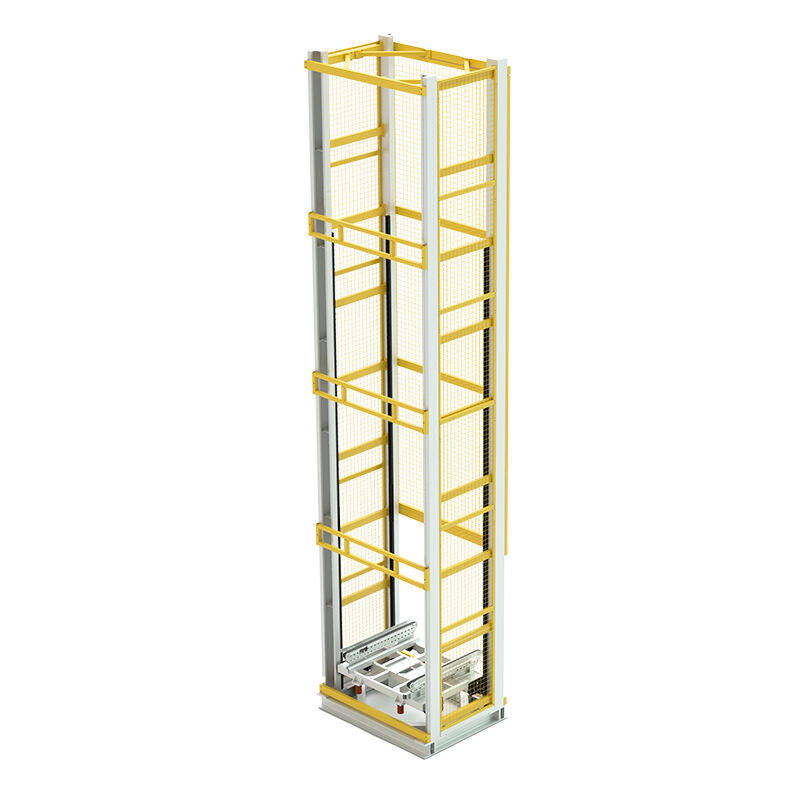
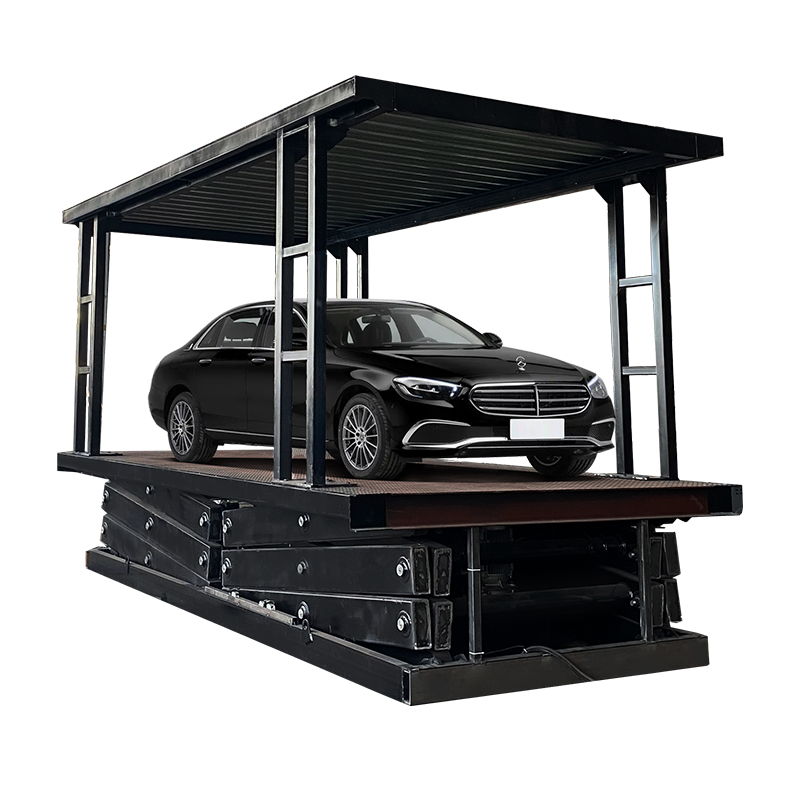
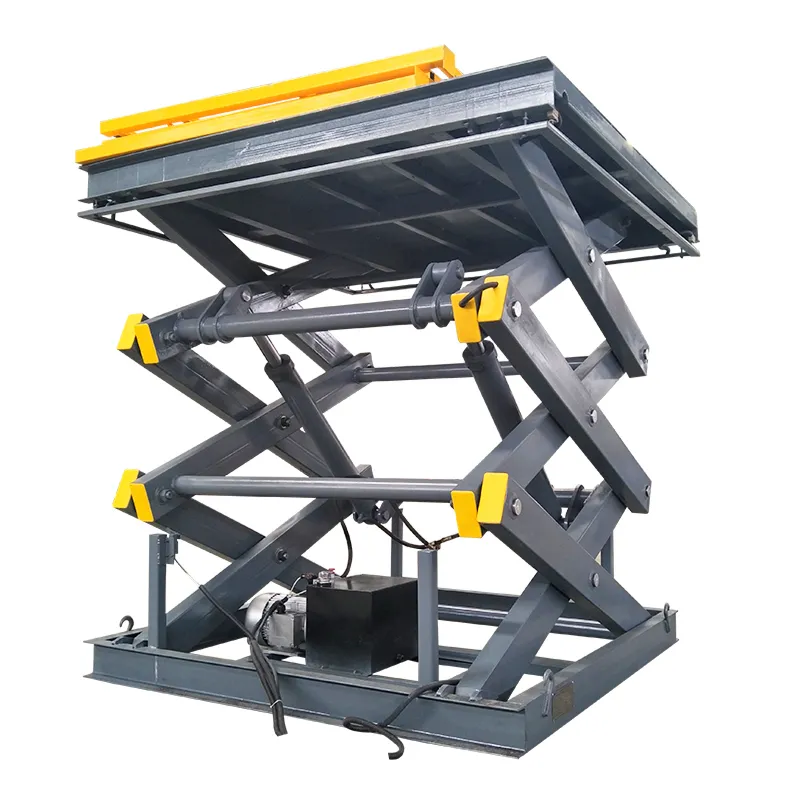
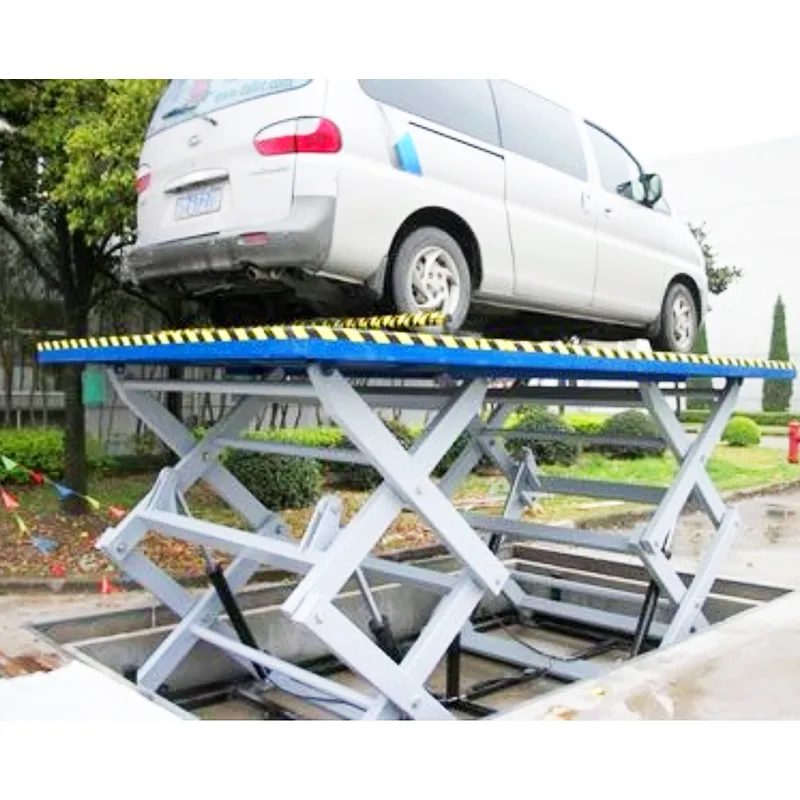
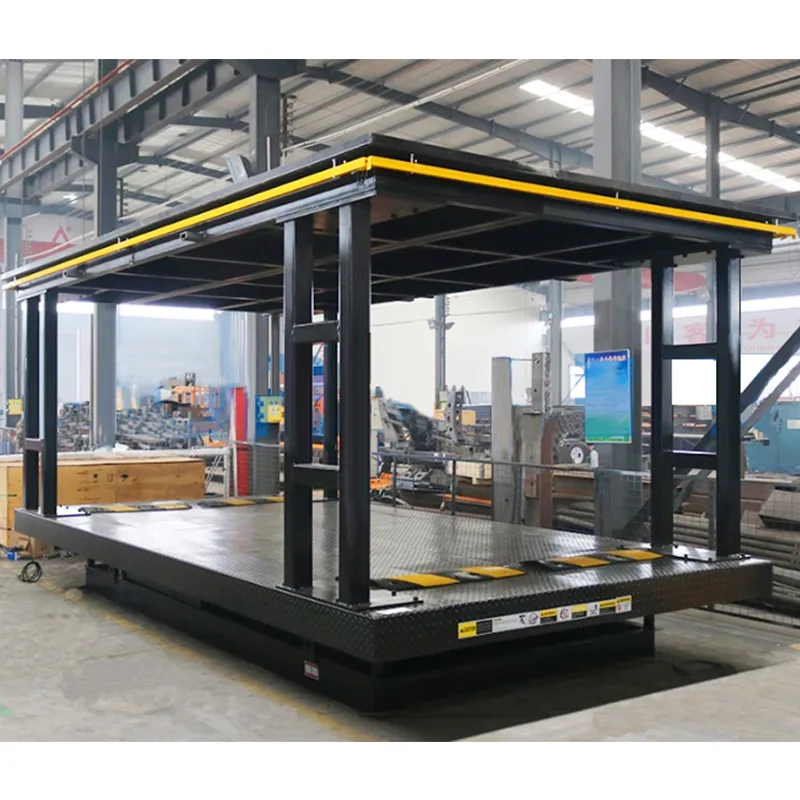
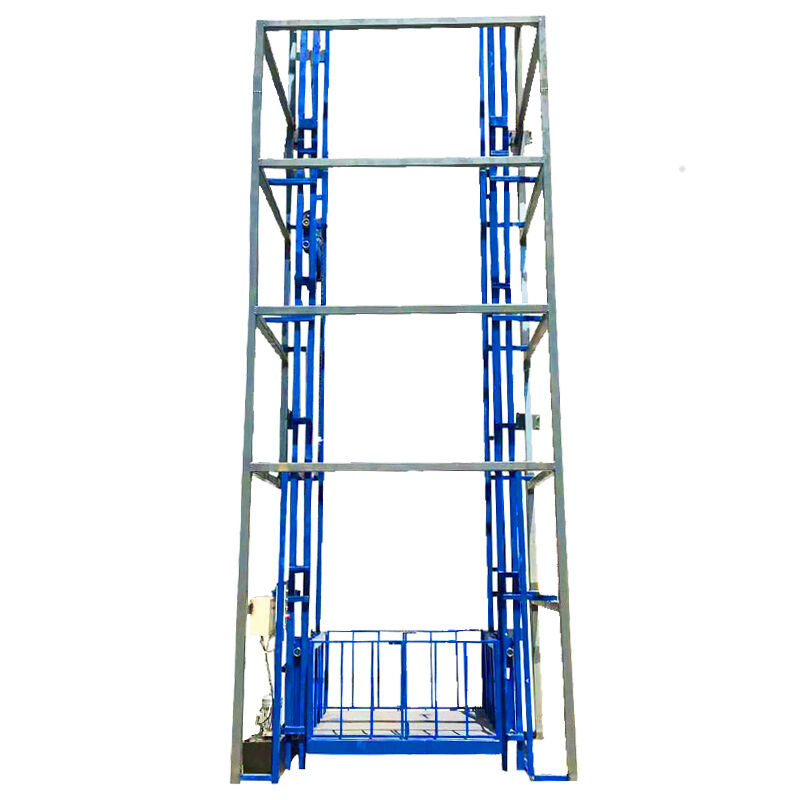
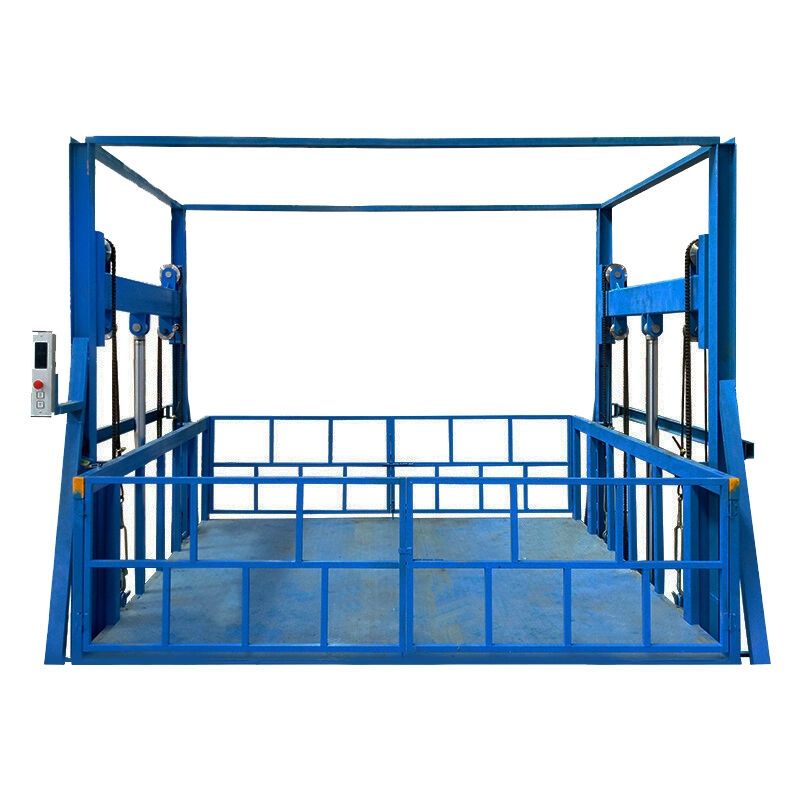
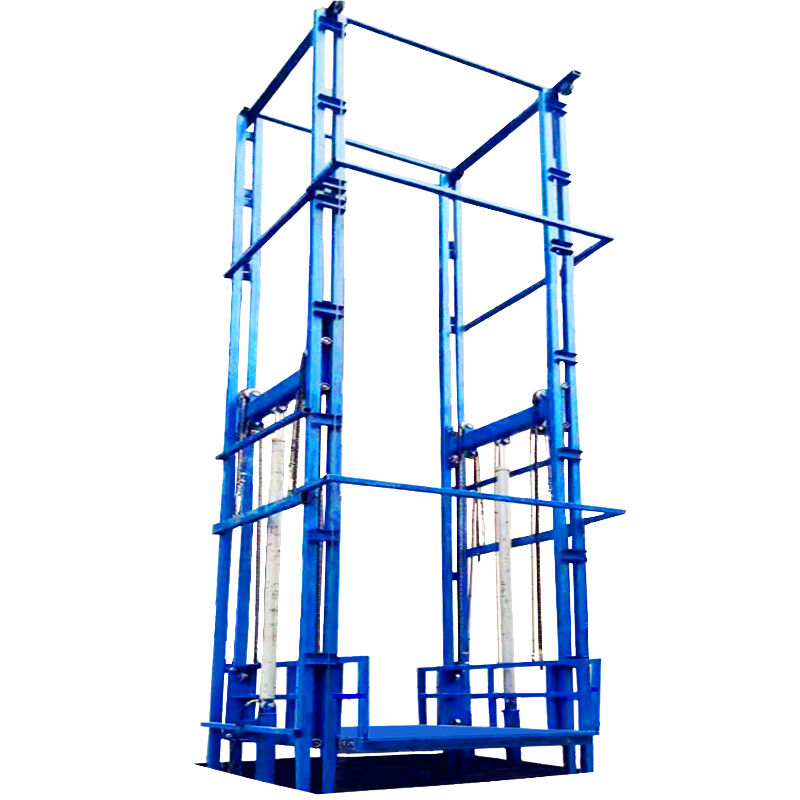
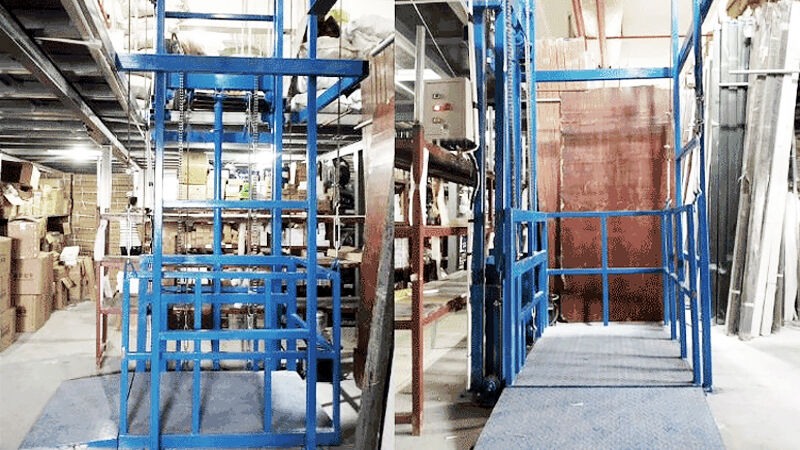
The vertical goods lift represents a revolutionary solution for efficient material transportation within commercial and industrial facilities. This innovative lifting system operates on a vertical axis, enabling seamless movement of products, inventory, and supplies between multiple floor levels without occupying excessive floor space. Unlike traditional horizontal conveyor systems, the vertical goods lift maximizes operational efficiency by utilizing vertical space effectively. The primary functions of this equipment include automated product elevation, inventory redistribution, and streamlined workflow management across different building levels. Modern vertical goods lift systems incorporate advanced control mechanisms that ensure precise positioning and safe material handling throughout the lifting process. These systems feature robust construction materials designed to withstand heavy-duty operations while maintaining consistent performance standards. The technological architecture includes programmable logic controllers, safety sensors, and emergency stop mechanisms that guarantee operator protection and equipment longevity. Smart integration capabilities allow the vertical goods lift to connect with existing warehouse management systems, creating synchronized material flow processes. The lifting mechanism operates through hydraulic or mechanical drive systems, providing reliable power transmission for various load capacities. Safety features encompass multiple protection layers including overload sensors, emergency brakes, and backup power systems. Installation flexibility enables customization according to specific facility requirements, with options for different platform sizes, lifting heights, and load specifications. The vertical goods lift serves diverse applications across manufacturing plants, distribution centers, retail facilities, and storage warehouses. These systems prove particularly valuable in environments where space optimization remains critical for operational success. The equipment supports various material types including packaged goods, raw materials, finished products, and specialized inventory items. Modern vertical goods lift installations incorporate energy-efficient components that reduce operational costs while maintaining high performance standards. The system design prioritizes minimal maintenance requirements through durable component selection and simplified mechanical interfaces.

New Product Releases

The vertical goods lift delivers substantial operational benefits that directly impact business productivity and cost management. First, this equipment significantly reduces manual labor requirements by automating material transportation processes between different floor levels. Workers no longer need to carry heavy items up and down stairs, which eliminates physical strain and reduces workplace injury risks. The automation aspect increases throughput capacity, allowing facilities to process larger volumes of materials within shorter timeframes. Space utilization becomes dramatically more efficient as the vertical goods lift requires minimal floor space compared to ramp systems or large freight elevators. This compact footprint frees up valuable warehouse space for additional storage or operational activities. Energy consumption remains remarkably low due to modern motor technologies and intelligent control systems that optimize power usage during lifting cycles. The vertical goods lift operates with minimal noise levels, creating a more comfortable working environment for facility personnel. Installation costs prove economical when compared to structural modifications required for alternative material handling solutions. Maintenance requirements stay minimal thanks to robust engineering design and high-quality component selection. The system provides consistent lifting performance regardless of load variations within specified capacity limits. Safety improvements become immediately apparent as the vertical goods lift eliminates risks associated with manual material transportation between floors. Operational flexibility increases substantially as the system accommodates various load sizes and types without requiring equipment modifications. The vertical goods lift integrates seamlessly with existing facility operations, requiring minimal workflow adjustments during implementation. Return on investment accelerates through reduced labor costs, improved efficiency, and decreased workplace insurance premiums. The equipment supports continuous operation schedules, enabling round-the-clock material handling when business demands require extended operating hours. Quality control improvements emerge as materials experience less handling damage during transportation processes. The vertical goods lift contributes to improved workplace organization by establishing dedicated material flow pathways between floor levels. Scalability options allow businesses to expand system capacity as operational requirements grow over time.

Latest News

What Are the Advantages of Choosing a Custom Lift Manufacturer?

05

Mar

What Are the Advantages of Choosing a Custom Lift Manufacturer?

When businesses need vertical transportation solutions, they often face a critical decision: choose a standard, off-the-shelf lift system or partner with a custom lift manufacturer. While pre-engineered lifts may seem like the simpler option, working...
View More
How Does an Industrial Lift Support High-Load Transportation Tasks?

10

Mar

How Does an Industrial Lift Support High-Load Transportation Tasks?

Industrial facilities across manufacturing, warehousing, and logistics sectors face constant challenges in moving heavy materials between different floor levels efficiently and safely. The mechanism by which an industrial lift handles high-load trans...
View More
How Do Car Lifts for Home Garage Add Value to Real Estate Projects?

20

Mar

How Do Car Lifts for Home Garage Add Value to Real Estate Projects?

Car lifts for home garage installations have emerged as a premium feature that significantly enhances property value in today's competitive real estate market. These sophisticated automotive storage solutions transform ordinary residential garages in...
View More
What Are the Key Benefits of Installing a Goods Lift in Factories?

30

Mar

What Are the Key Benefits of Installing a Goods Lift in Factories?

In today’s highly competitive industrial environment, factories are under constant pressure to improve operational efficiency, reduce labor costs, and ensure workplace safety. One of the most practical solutions adopted by modern manufactu...
View More

Get a Free Quote

Our representative will contact you soon.
Email
Mobile/WhatsApp
Name
Company Name
Message
0/1000

vertical goods lift

Advanced Safety Integration for Maximum Workplace Protection

Advanced Safety Integration for Maximum Workplace Protection

The vertical goods lift incorporates comprehensive safety systems that establish new standards for material handling equipment protection. Multiple redundant safety mechanisms work simultaneously to prevent accidents and ensure operator security throughout all lifting operations. Primary safety features include sophisticated overload detection sensors that immediately halt operation when weight limits are exceeded, preventing mechanical stress and potential equipment damage. Emergency stop systems provide instant response capabilities, allowing immediate cessation of all movement when activated from any access point around the equipment. The vertical goods lift utilizes advanced proximity sensors that detect personnel presence within the operational zone, automatically stopping movement to prevent injury incidents. Backup power systems ensure controlled descent even during electrical failures, maintaining load security and preventing sudden drops. Safety barriers and interlocked access gates restrict unauthorized entry to operational areas while the vertical goods lift remains active. Visual and audible warning systems alert nearby personnel when the equipment begins operation, creating awareness of potential hazards. The control system incorporates fail-safe logic that defaults to secure positions when any safety component experiences malfunction. Regular safety diagnostics run automatically, continuously monitoring system integrity and alerting maintenance personnel to potential issues before they become critical problems. Compliance with international safety standards ensures the vertical goods lift meets or exceeds regulatory requirements across different industrial sectors. Training programs accompany equipment installation, providing comprehensive operator education on proper safety procedures and emergency protocols. The safety management system maintains detailed operation logs, tracking usage patterns and safety event history for regulatory compliance and performance analysis. These comprehensive safety measures create confidence among facility managers and operators, knowing that the vertical goods lift prioritizes human safety while maintaining operational efficiency.
Exceptional Load Capacity and Versatility for Diverse Applications

Exceptional Load Capacity and Versatility for Diverse Applications

The vertical goods lift demonstrates remarkable versatility through its ability to handle diverse load types and weights while maintaining consistent performance across varied operational demands. Engineering excellence enables these systems to accommodate substantial weight capacities ranging from lightweight packages to heavy industrial materials, making them suitable for virtually any material handling requirement. The platform design accommodates irregular load shapes and sizes, providing flexibility that standard elevators or conveyor systems cannot match. Load distribution systems ensure balanced weight placement across the platform, maintaining stability during vertical transportation regardless of cargo configuration. The vertical goods lift handles temperature-sensitive materials safely, with optional climate control features that protect valuable inventory during transportation. Customizable platform dimensions allow perfect sizing for specific facility requirements, optimizing space utilization while maximizing load capacity. Multi-level stops provide precise positioning capabilities, enabling material delivery to exact floor locations without manual repositioning. The system processes continuous material flow efficiently, supporting high-volume operations through rapid cycle times and minimal waiting periods. Specialized attachments and accessories expand functionality for unique applications, including container handling, pallet management, and specialized product transportation. The vertical goods lift adapts to seasonal demand fluctuations, scaling operation intensity according to business cycles without requiring equipment modifications. Integration capabilities with automated storage and retrieval systems create comprehensive material handling solutions that streamline entire warehouse operations. Quality construction materials ensure consistent performance under demanding operational conditions, maintaining reliability even during peak usage periods. The equipment supports just-in-time delivery processes by providing rapid material access between storage levels and production areas. Maintenance scheduling flexibility accommodates business operations, allowing service activities during low-demand periods without disrupting critical material flow processes. Performance monitoring systems track operational efficiency, providing data insights that help optimize material handling strategies and identify improvement opportunities.
Cost-Effective Operation with Rapid Return on Investment

Cost-Effective Operation with Rapid Return on Investment

The vertical goods lift delivers exceptional financial value through reduced operational costs and improved productivity that generates rapid return on investment for businesses across various industries. Initial equipment costs remain competitive when compared to alternative material handling solutions, particularly considering the long-term operational savings and efficiency gains. Labor cost reduction becomes immediately apparent as automation eliminates the need for manual material transportation between floors, allowing personnel redeployment to more valuable activities. Energy efficiency features minimize electrical consumption through intelligent motor control systems and optimized lifting mechanisms that consume power only during active operation periods. Maintenance costs stay remarkably low due to robust construction quality and simplified mechanical design that reduces component wear and extends operational lifespan. The vertical goods lift increases overall facility productivity by accelerating material flow processes, enabling businesses to process larger order volumes within existing operational timeframes. Space optimization benefits translate directly into cost savings as businesses avoid expensive facility expansions or external storage costs. Insurance premium reductions often result from improved workplace safety records associated with automated material handling systems. The equipment supports lean manufacturing principles by eliminating waste in material transportation processes and reducing inventory handling times. Operational flexibility allows businesses to adapt quickly to market changes without additional capital investment in material handling infrastructure. The vertical goods lift contributes to improved customer satisfaction through faster order fulfillment and reduced delivery times, supporting business growth and revenue expansion. Depreciation benefits provide tax advantages while the equipment continues delivering operational value throughout its extended service life. Training costs remain minimal due to intuitive control systems and straightforward operational procedures that require limited specialized knowledge. The system supports business scalability by accommodating increased material handling demands without proportional increases in labor or operational costs. Performance consistency ensures predictable operational expenses and reliable material flow that supports accurate business planning and cost forecasting.

Get a Free Quote

Our representative will contact you soon.
Email
Mobile/WhatsApp
Name
Company Name
Message
0/1000