hydraulic lift for loading dock
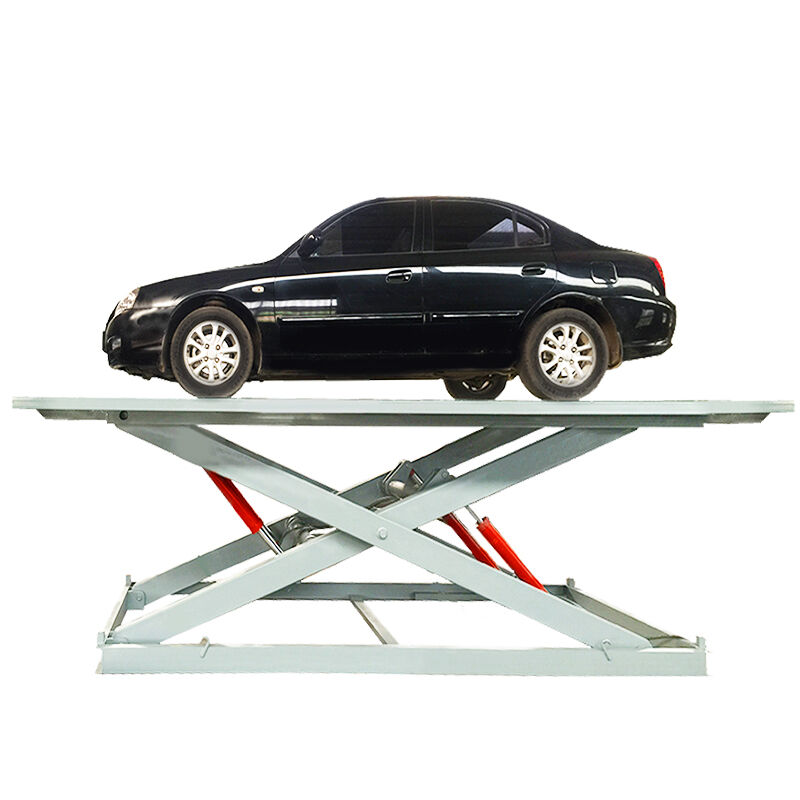
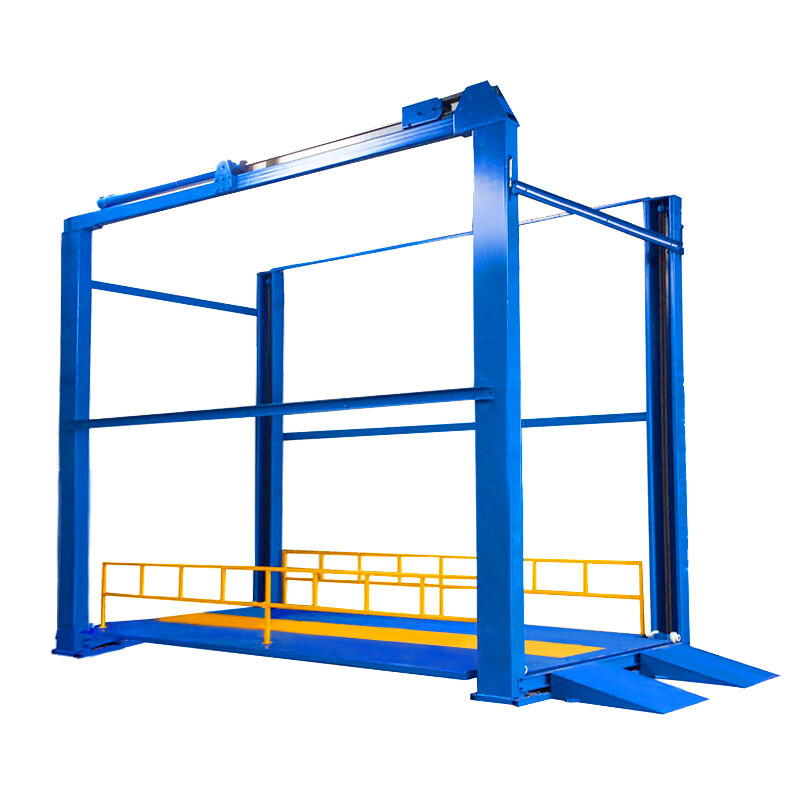
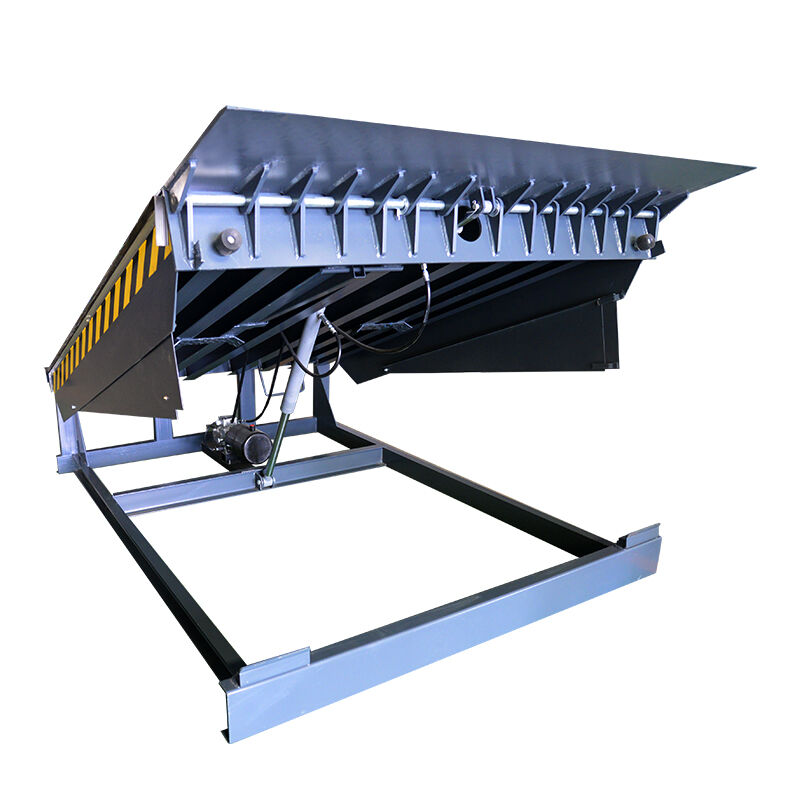
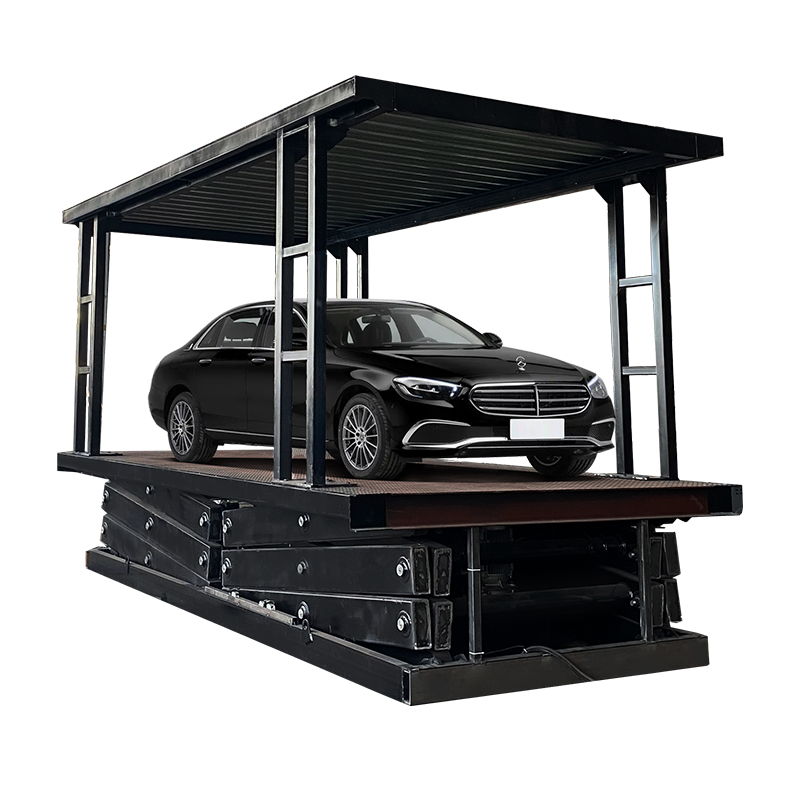
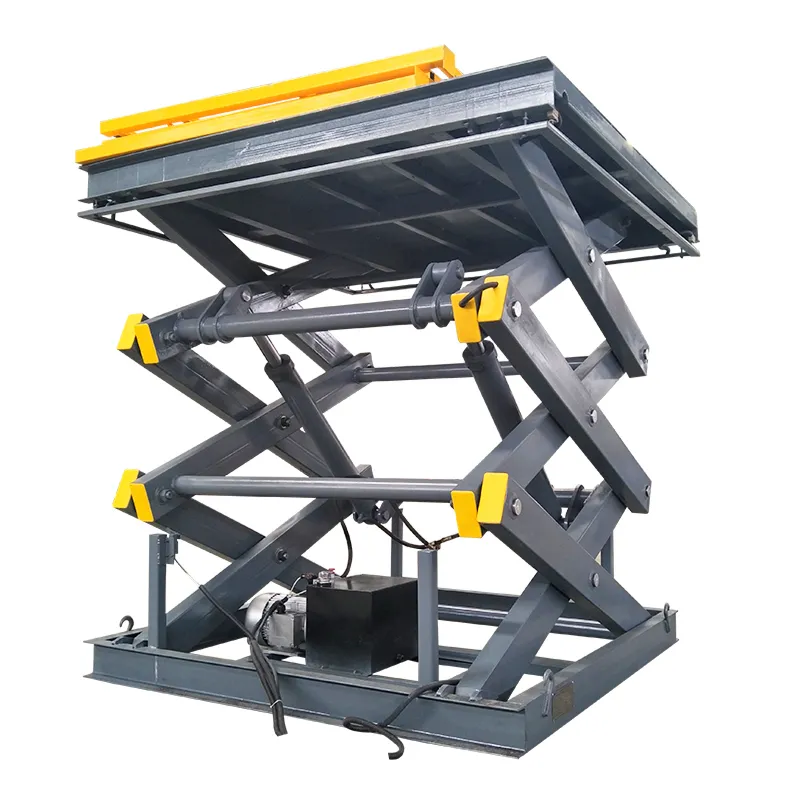
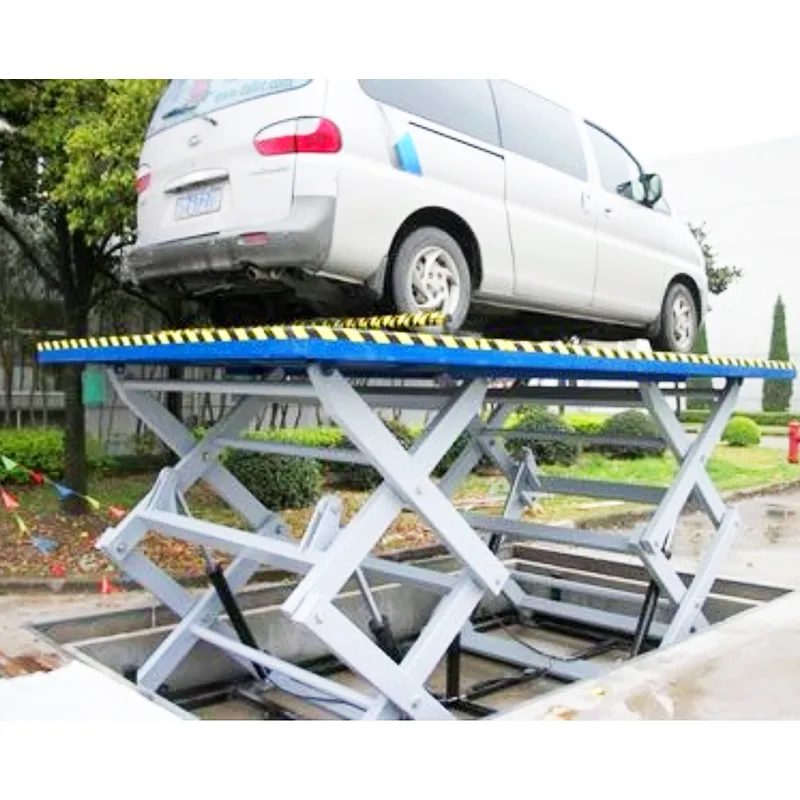
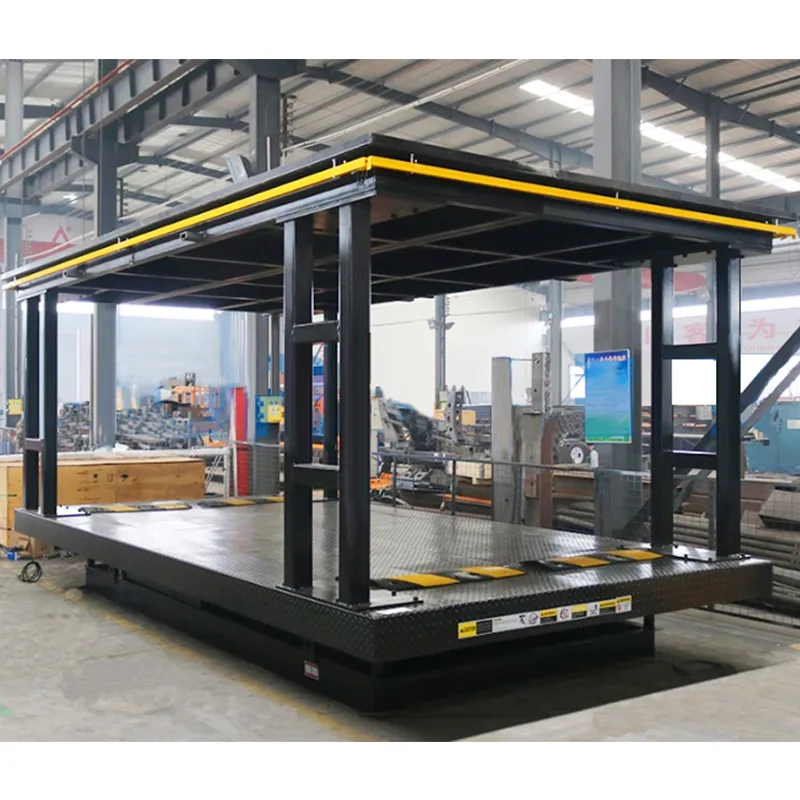
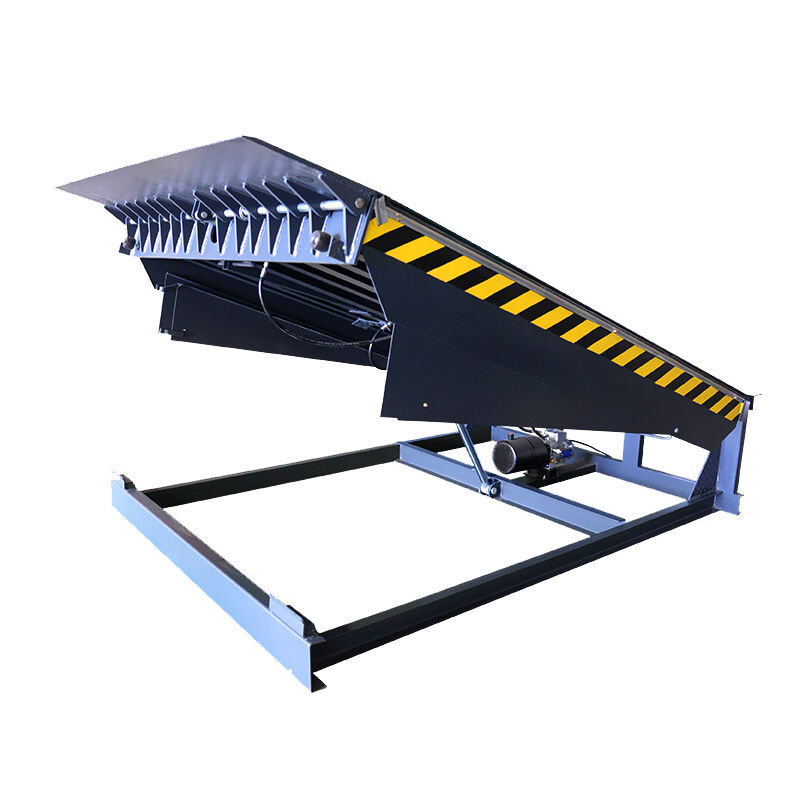
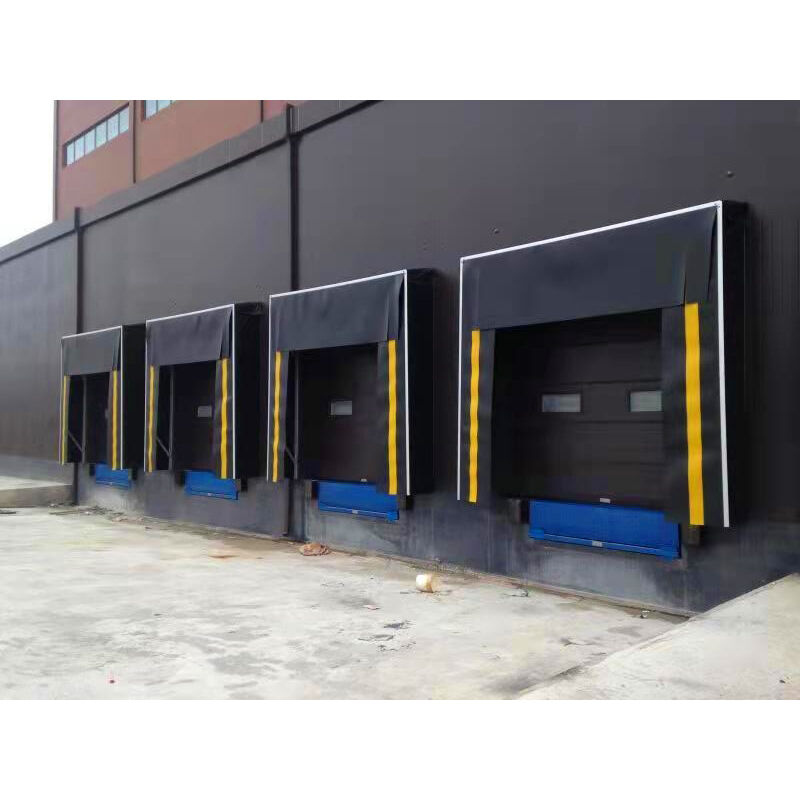
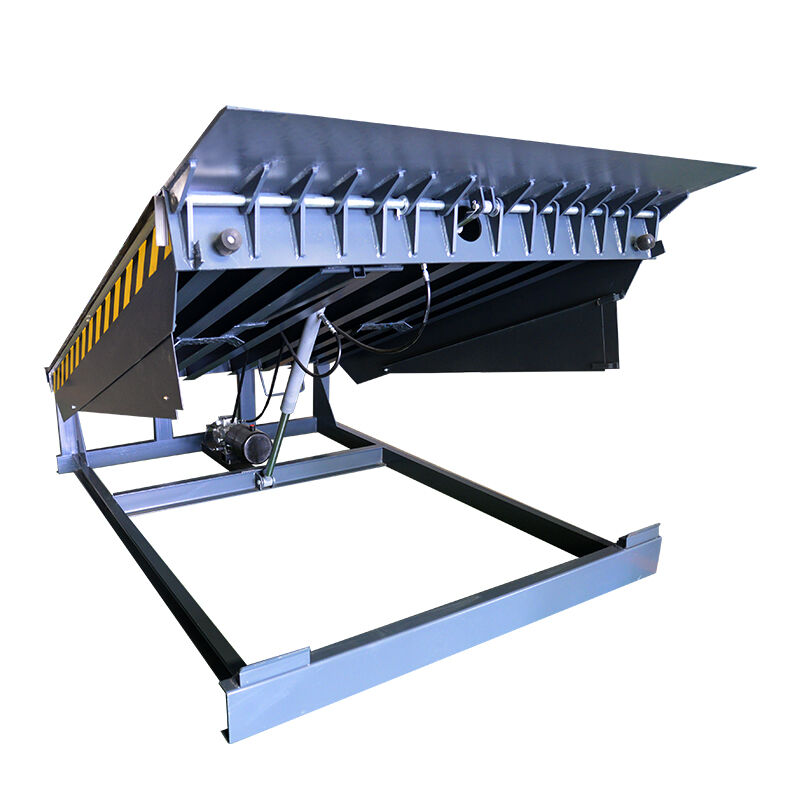
A hydraulic lift for loading dock represents a sophisticated mechanical solution designed to bridge the gap between vehicles and warehouse platforms, ensuring seamless cargo transfer operations. This essential piece of equipment utilizes hydraulic power systems to provide smooth vertical movement, enabling efficient loading and unloading processes across various vehicle heights. The hydraulic lift for loading dock serves as a critical component in modern logistics operations, facilitating safe and efficient material handling while reducing manual labor requirements. These systems incorporate advanced engineering principles, featuring robust construction materials and precision-engineered hydraulic components that deliver reliable performance under demanding operational conditions. The primary function of a hydraulic lift for loading dock involves creating a stable platform that can accommodate different truck bed heights, eliminating the physical strain associated with manual lifting and reducing the risk of workplace injuries. Technological features include variable speed controls, emergency stop mechanisms, and integrated safety systems that ensure operator protection during all phases of operation. The hydraulic system provides consistent lifting capacity, typically ranging from 2,000 to 10,000 pounds, depending on the specific model configuration. Modern hydraulic lift for loading dock units incorporate corrosion-resistant materials, weatherproof sealing systems, and maintenance-friendly designs that minimize operational downtime. Applications span across diverse industries including manufacturing, distribution centers, retail operations, and freight terminals where efficient cargo handling represents a critical operational requirement. These versatile systems accommodate various vehicle types, from delivery vans to large commercial trucks, making them indispensable for businesses requiring flexible loading solutions. The hydraulic lift for loading dock enhances productivity by reducing loading times, improving worker safety, and maintaining consistent operational efficiency regardless of external weather conditions or varying vehicle specifications.
 EN
EN