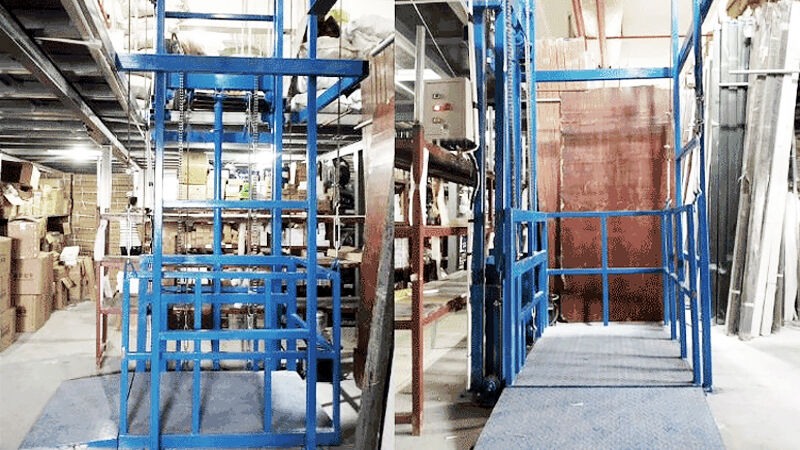
dock leveler in warehouse
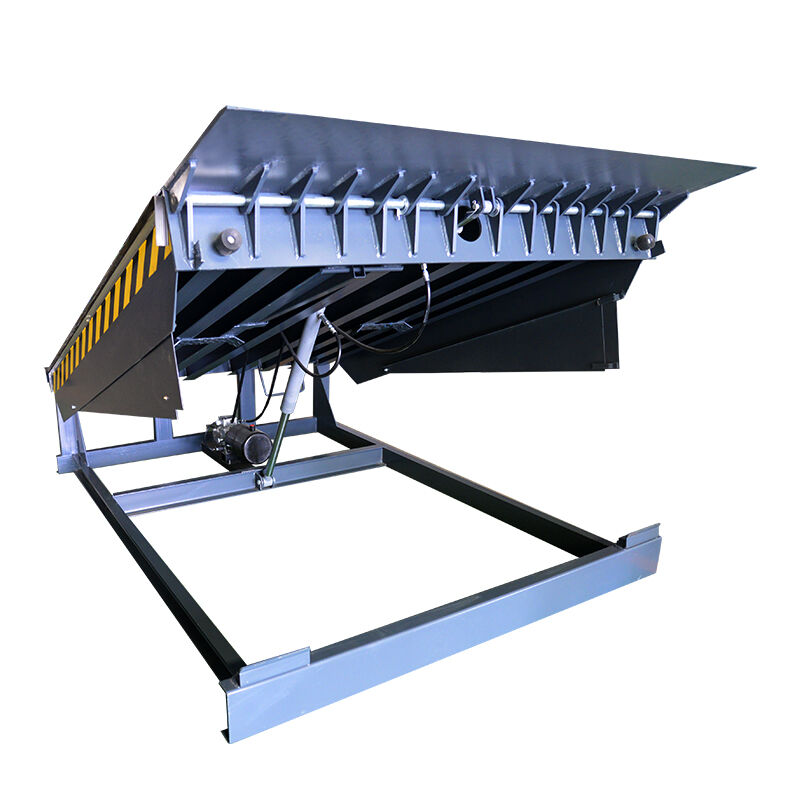
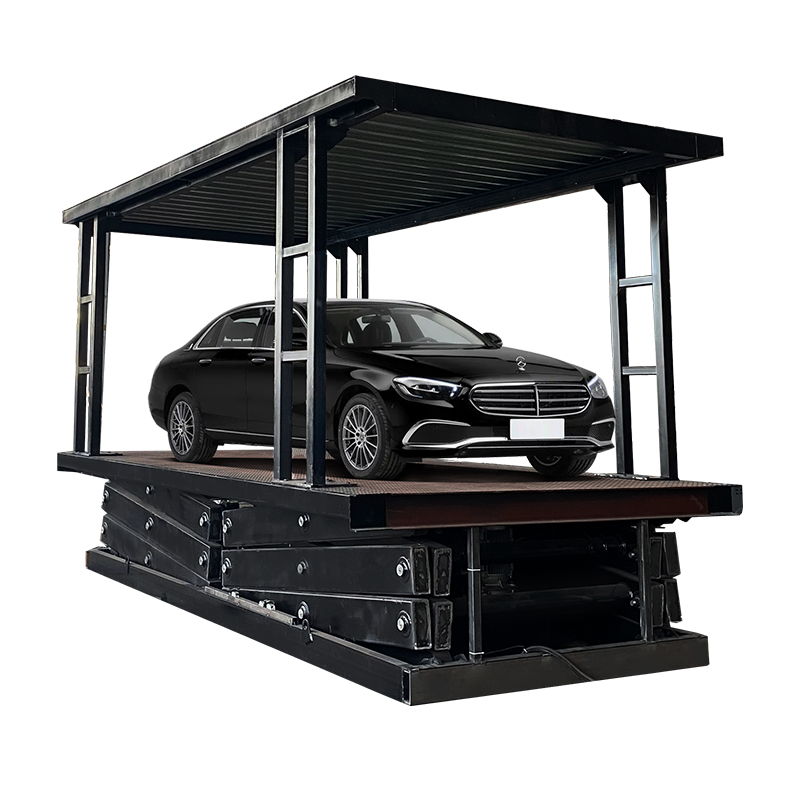
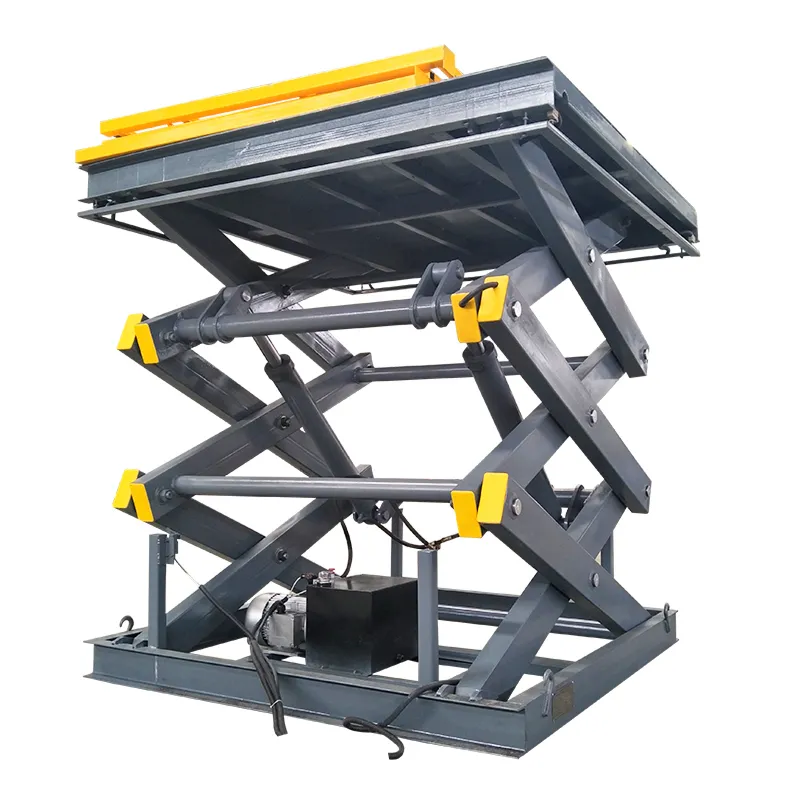
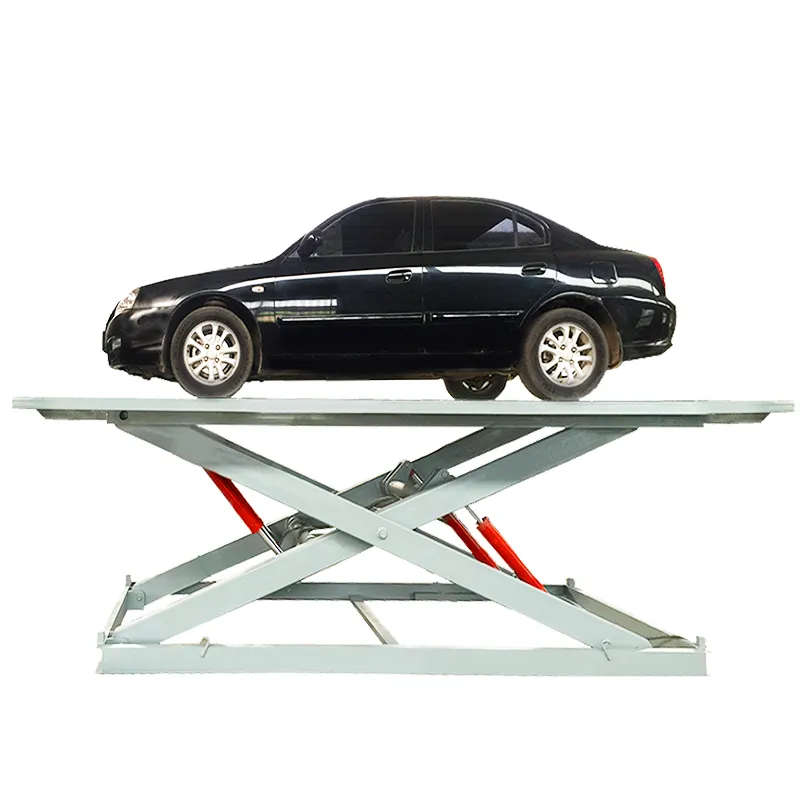
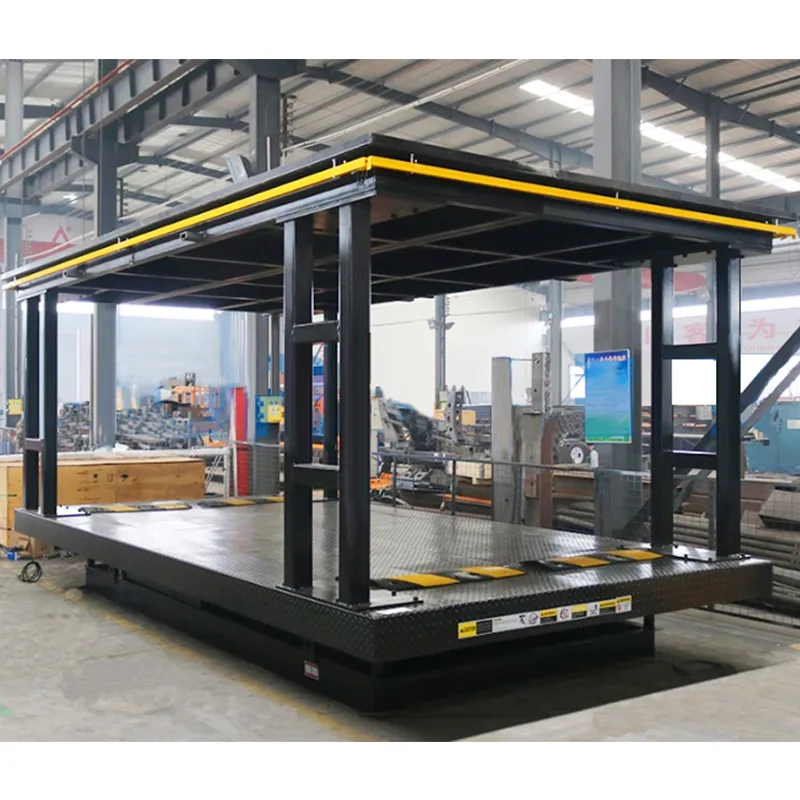
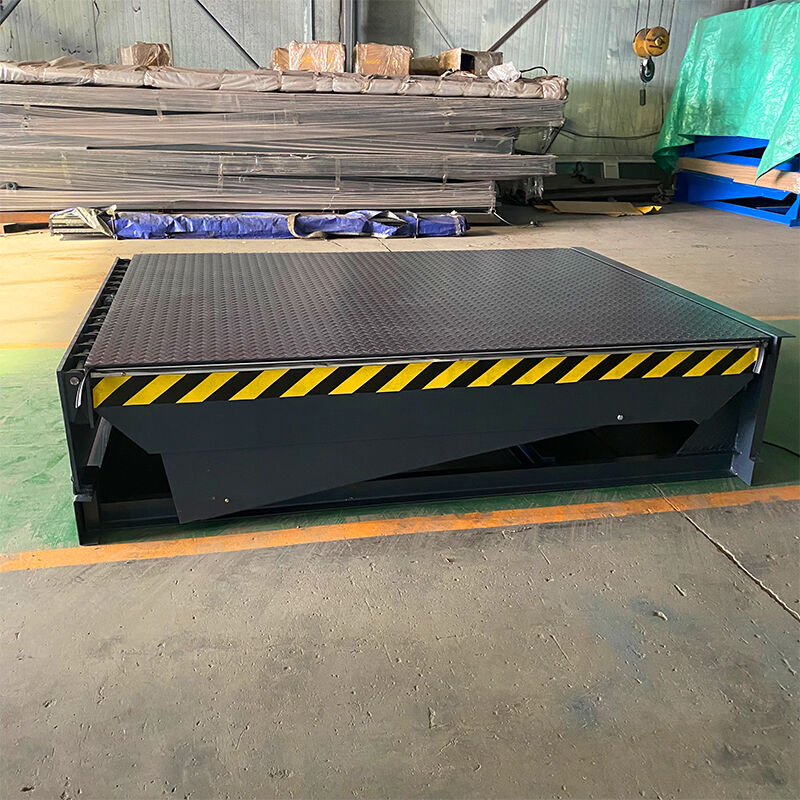
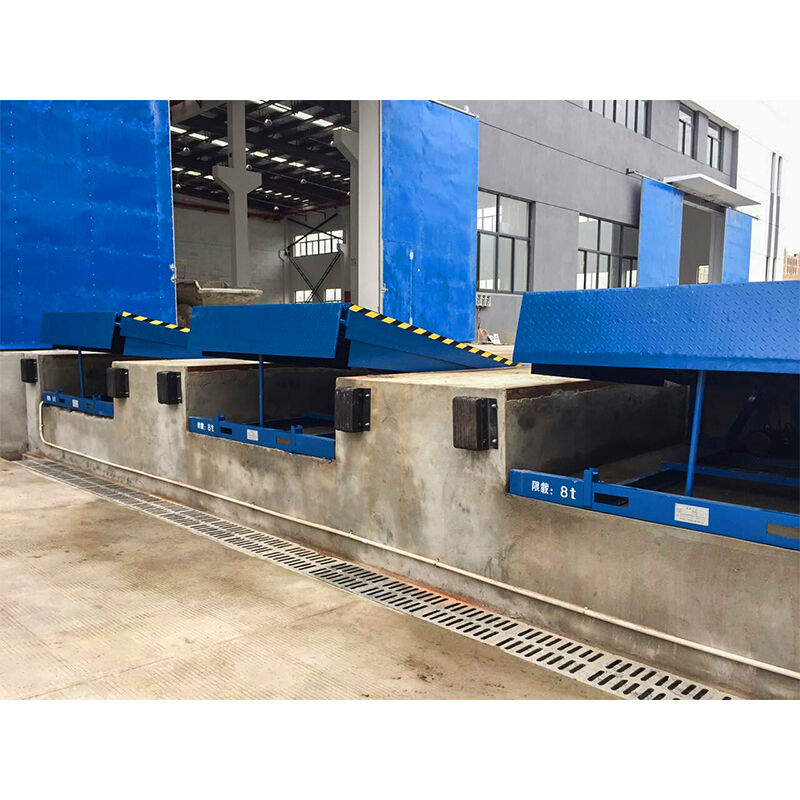
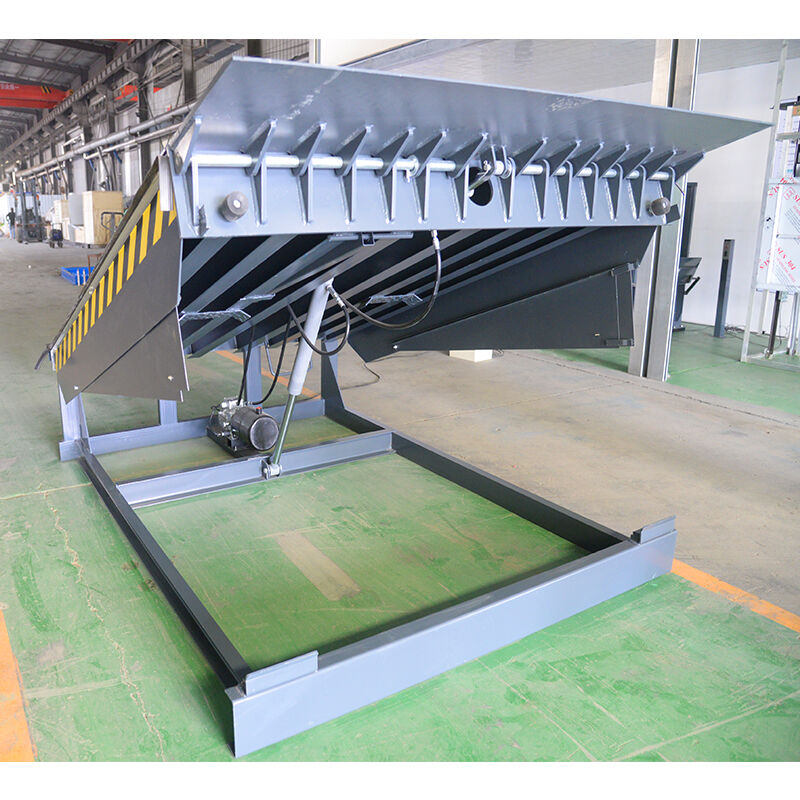
A dock leveler in warehouse operations represents a critical piece of loading dock equipment designed to bridge the gap between a building's loading dock and delivery vehicles. This essential warehouse infrastructure component ensures safe, efficient, and seamless material handling during loading and unloading processes. The dock leveler in warehouse settings functions as an adjustable platform that compensates for height differences between the dock floor and truck beds, which can vary significantly due to different vehicle types, cargo weights, and suspension systems. Modern dock levelers incorporate sophisticated hydraulic, mechanical, or air-powered systems that allow operators to precisely adjust the platform height and lip extension to create a smooth transition pathway. The primary technological features of a dock leveler in warehouse applications include heavy-duty steel construction capable of supporting substantial weight loads, typically ranging from 25,000 to 80,000 pounds capacity. Advanced models feature automatic lip extension mechanisms, float functionality that allows the leveler to follow truck movement during loading, and safety systems including velocity fuses and maintenance struts. The dock leveler in warehouse environments serves multiple critical functions including eliminating manual handling risks, reducing product damage during transfer, improving operational efficiency, and ensuring compliance with workplace safety regulations. These systems accommodate various truck heights automatically, from low-profile delivery vans to high-deck trailers, making them indispensable for facilities handling diverse transportation fleets. Applications span across manufacturing plants, distribution centers, cold storage facilities, retail warehouses, and logistics hubs where consistent, high-volume material movement occurs daily. The dock leveler in warehouse operations significantly reduces labor costs while improving worker safety and productivity.
 EN
EN