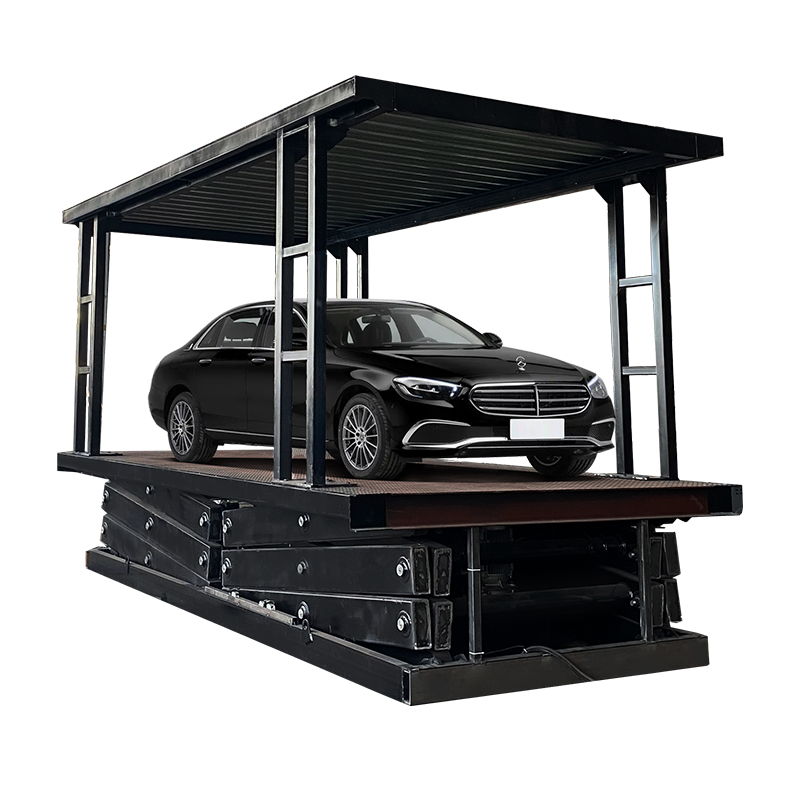
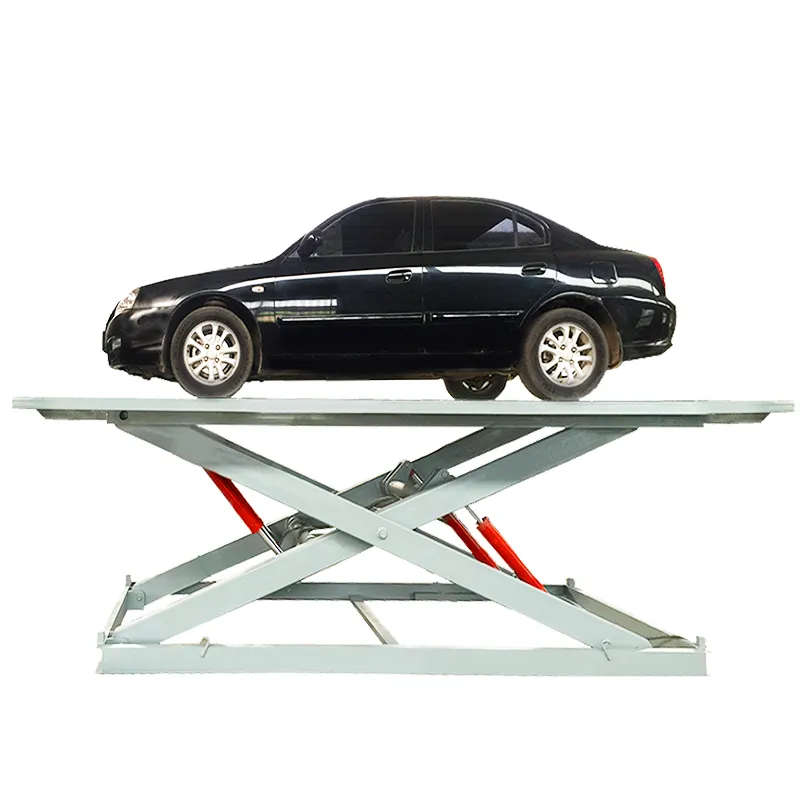
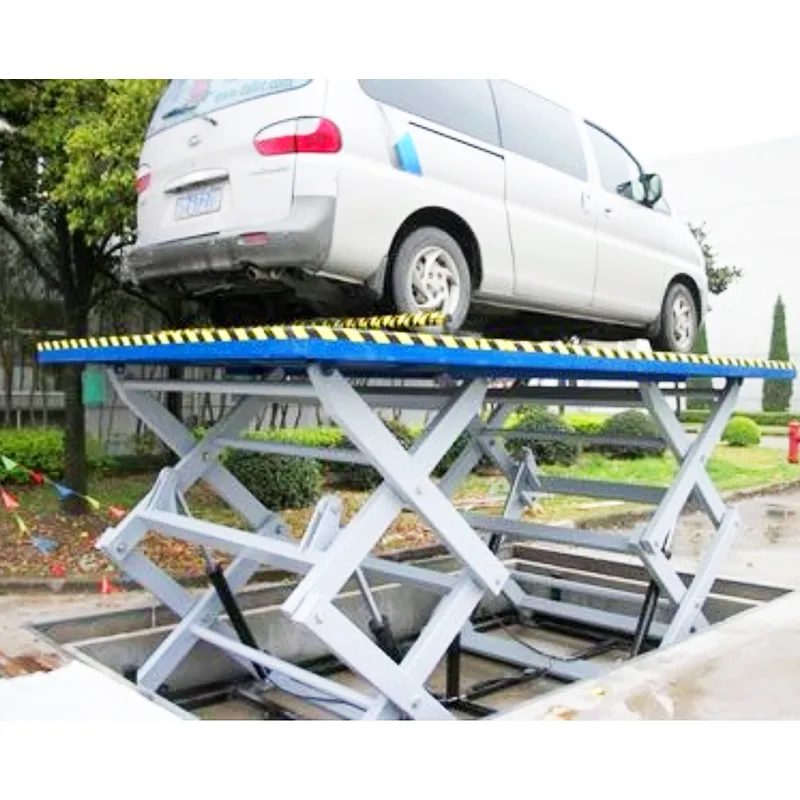
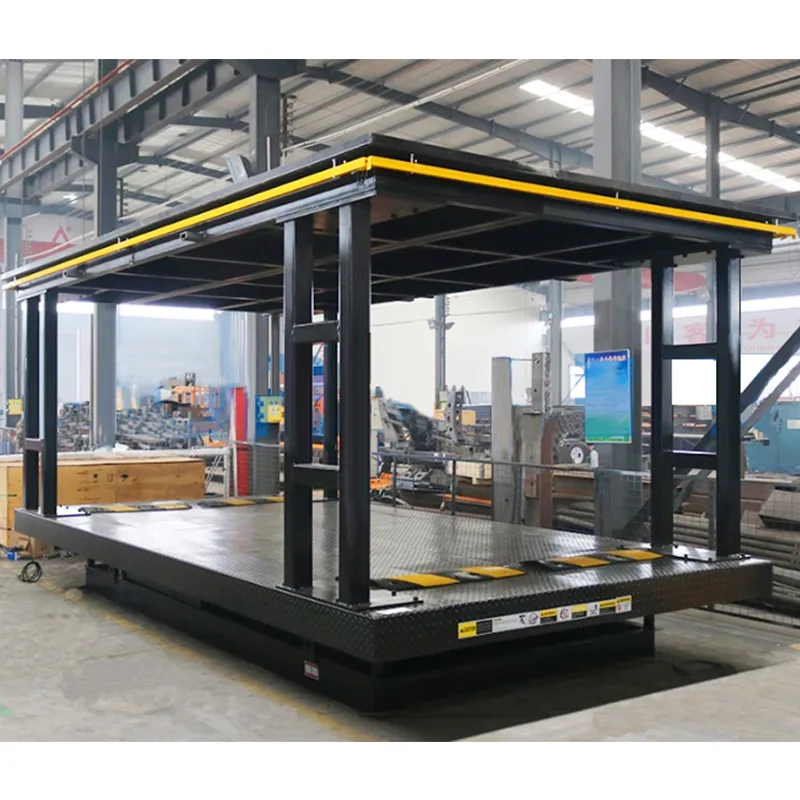
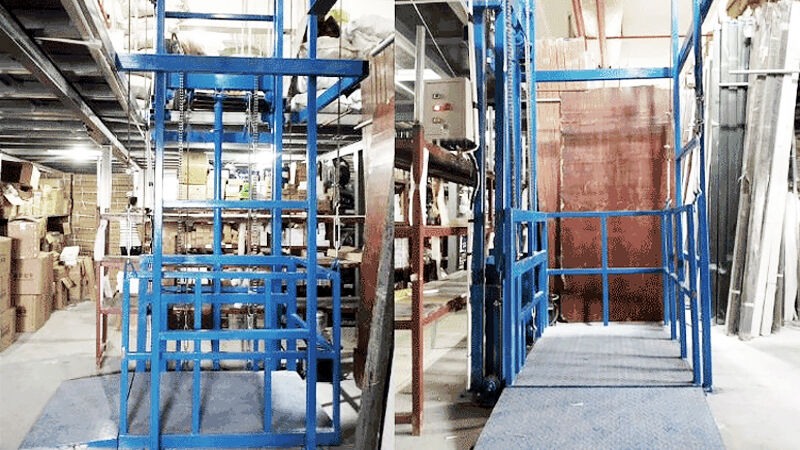
loading dock lifts
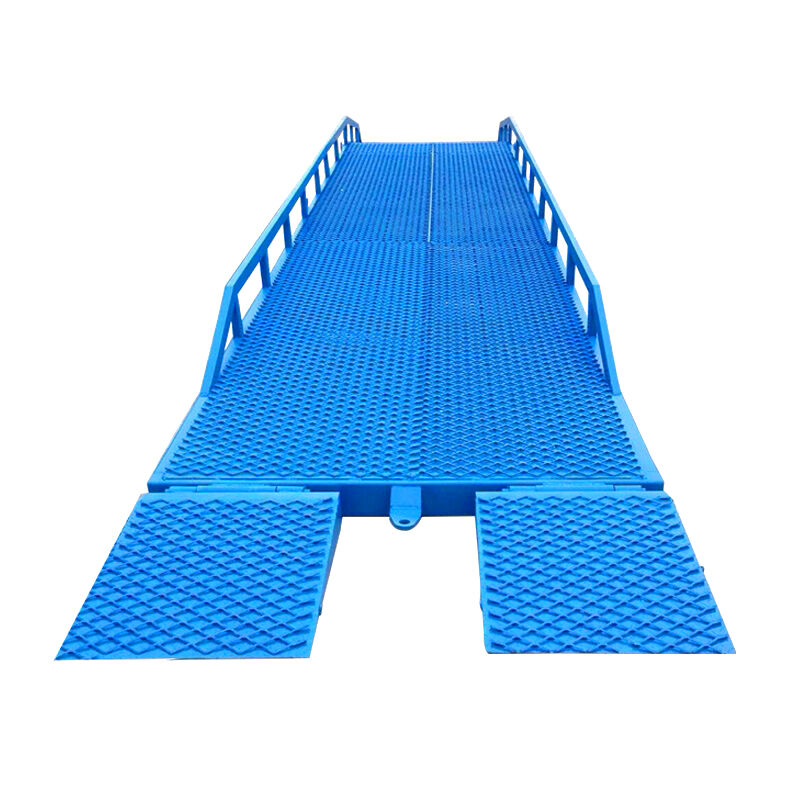
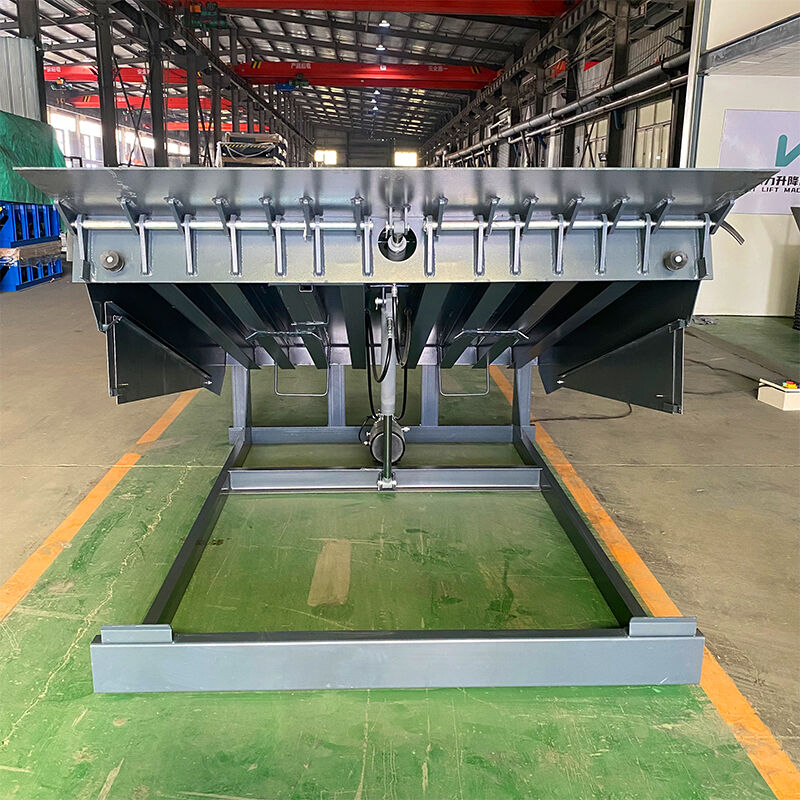
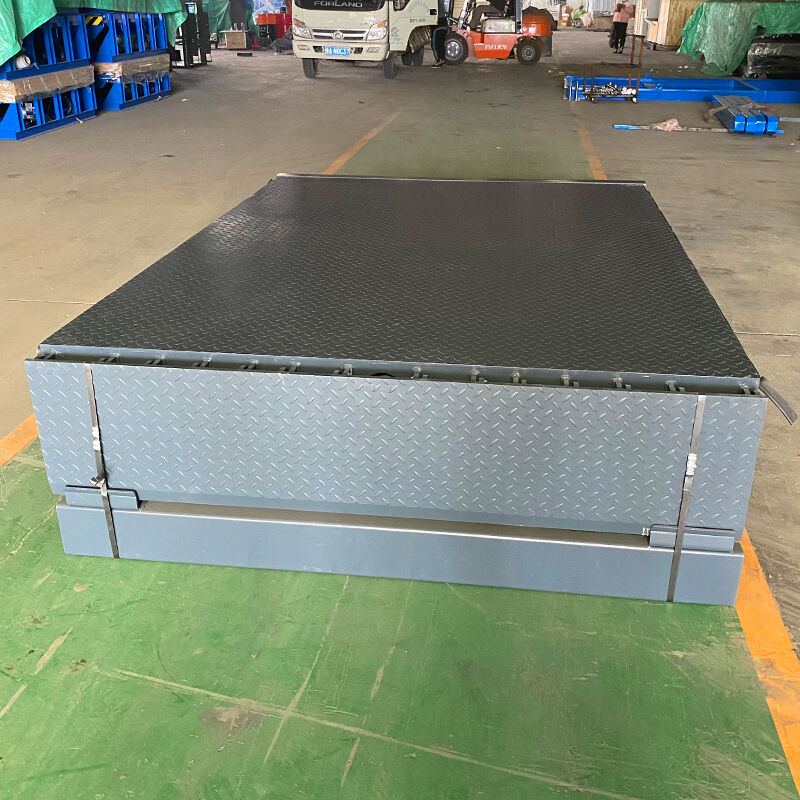
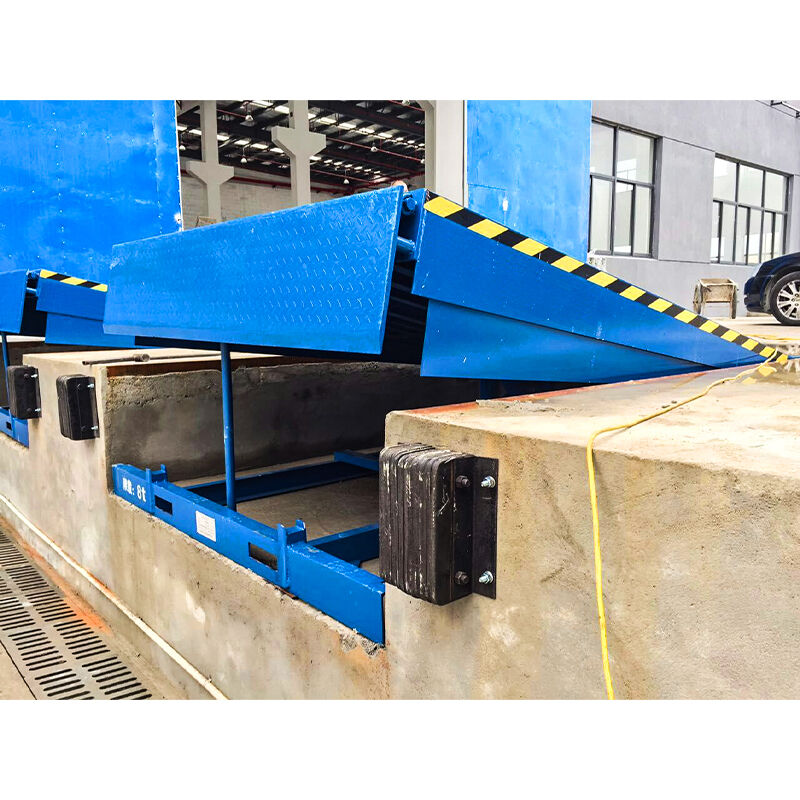
Loading dock lifts represent essential material handling equipment designed to bridge the gap between truck beds and warehouse floors, facilitating seamless cargo transfer operations. These hydraulic-powered platforms create level surfaces that eliminate height differences, ensuring safe and efficient loading and unloading processes across various industrial environments. Modern loading dock lifts incorporate advanced engineering solutions that address the complex challenges of freight handling in busy distribution centers, manufacturing facilities, and retail operations. The primary function of loading dock lifts centers on providing adjustable height platforms that accommodate different truck types, from delivery vans to large semi-trailers. These versatile systems utilize robust hydraulic mechanisms to raise and lower platform surfaces, creating smooth transitions between vehicles and facility floors. The technological architecture includes heavy-duty steel construction, precision-engineered lift cylinders, and integrated safety systems that prevent accidents during operation. Contemporary loading dock lifts feature sophisticated control panels with programmable settings, allowing operators to customize lift heights for specific vehicle requirements. Safety mechanisms include emergency stop functions, overload protection, and anti-slip surface treatments that maintain secure footing during cargo transfers. The application scope of loading dock lifts extends across numerous industries, including logistics companies, food processing plants, automotive facilities, pharmaceutical warehouses, and e-commerce fulfillment centers. These installations prove particularly valuable in facilities handling high-volume shipments where operational efficiency directly impacts productivity and profitability. Loading dock lifts accommodate weight capacities ranging from 6,000 to 60,000 pounds, supporting diverse cargo types from lightweight packages to heavy machinery components. Installation flexibility allows integration with existing dock configurations, while weatherproof designs ensure reliable performance in outdoor environments. The mechanical systems incorporate energy-efficient components that reduce operational costs while maintaining consistent performance standards throughout extended use periods.
 EN
EN