mechanical loading dock leveler
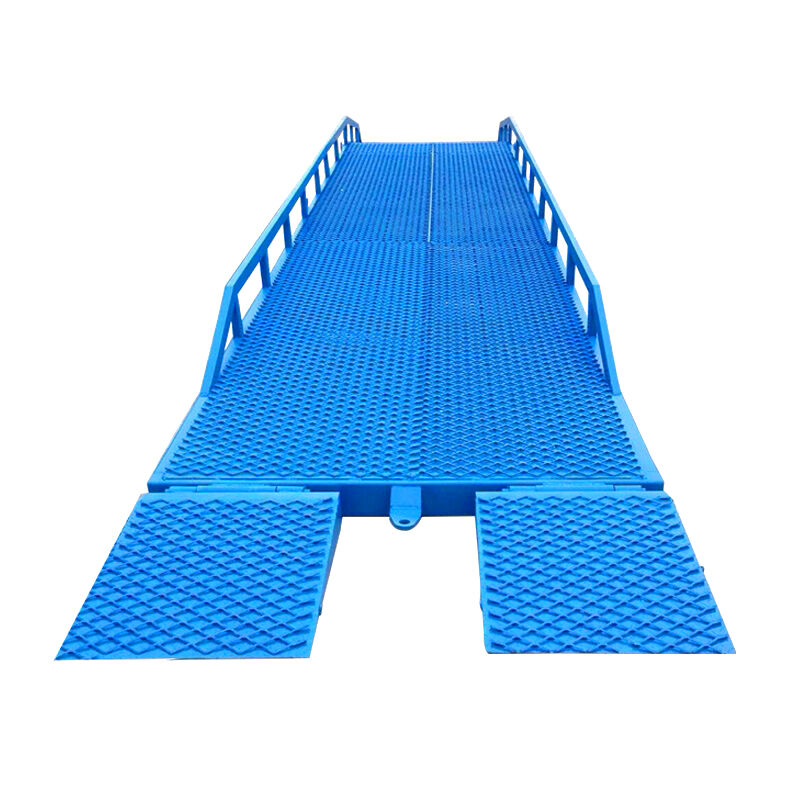
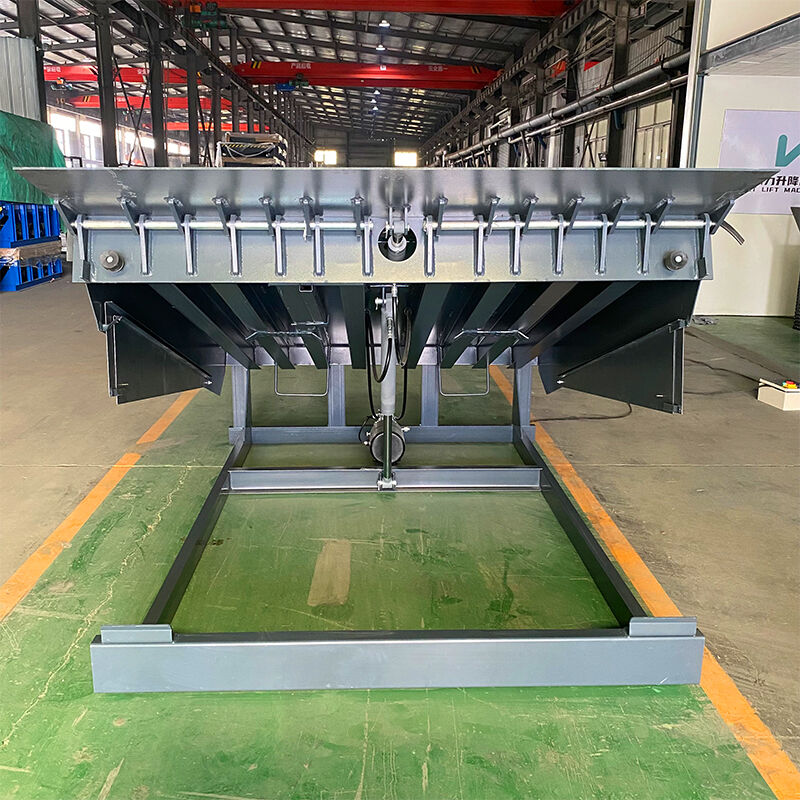
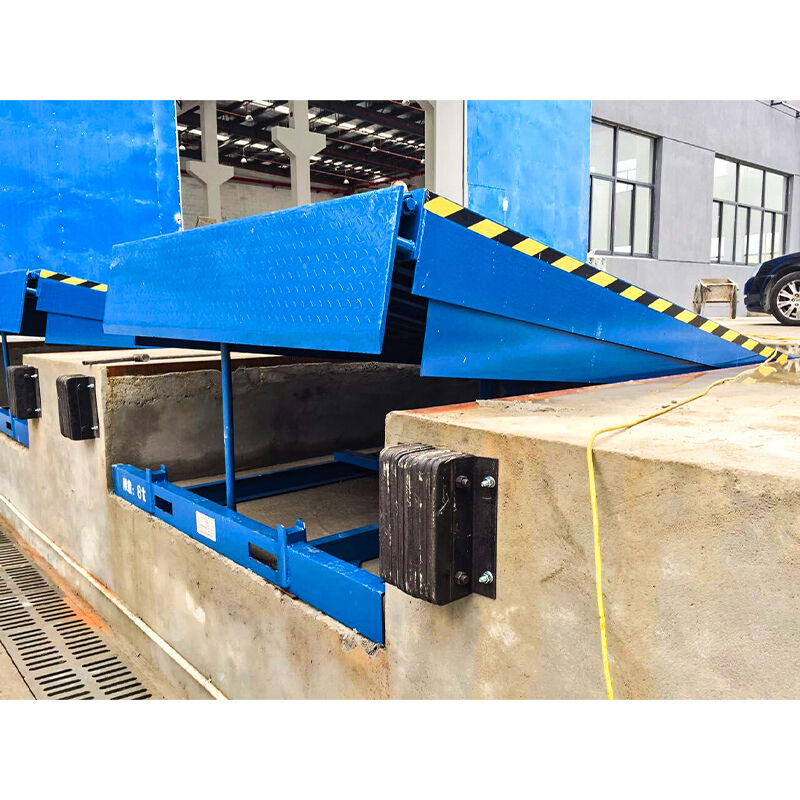
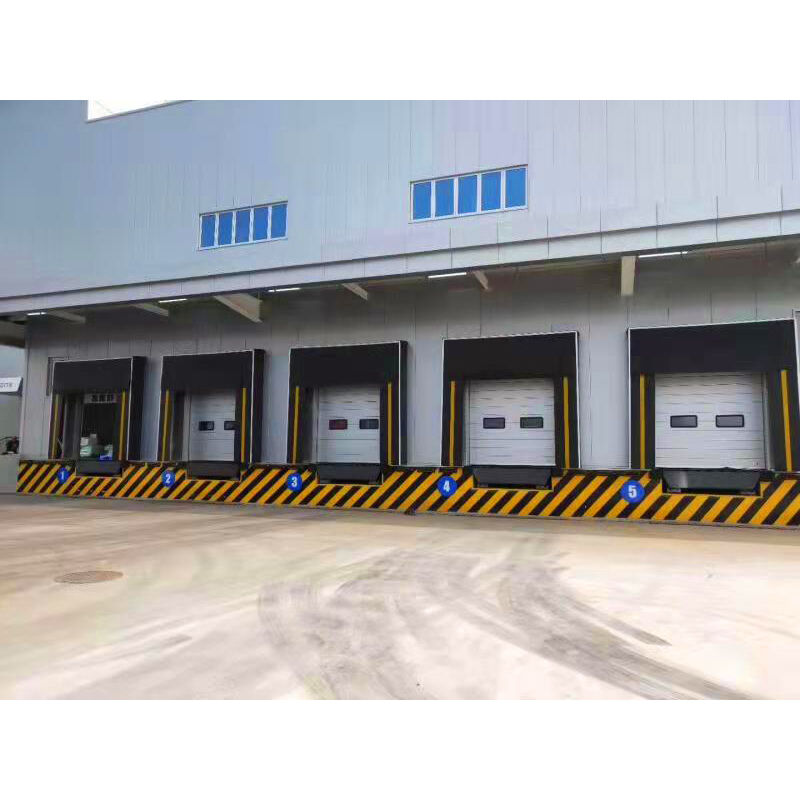
The mechanical loading dock leveler represents a fundamental solution for bridging the gap between truck beds and warehouse floors, ensuring safe and efficient cargo transfer operations. This robust equipment operates through a spring-loaded mechanism that provides reliable height adjustment without requiring electrical power or hydraulic systems. The mechanical loading dock leveler utilizes a counterbalanced design featuring heavy-duty springs that store energy when the platform is raised, allowing operators to position the unit at the optimal angle for truck loading and unloading activities. The primary function centers on creating a smooth transition path that accommodates various truck heights, typically ranging from 42 to 60 inches above ground level. This versatile equipment incorporates a lip extension mechanism that projects outward to rest securely on the truck bed, establishing a stable bridge for material handling equipment such as forklifts, pallet jacks, and hand trucks. The technological framework emphasizes simplicity and durability, featuring galvanized steel construction that resists corrosion and withstands heavy-duty industrial applications. Safety features include velocity fuses that control descent speed, maintenance struts for secure servicing access, and optional dock bumpers that protect both the leveler and approaching vehicles. Applications span across diverse industries including manufacturing facilities, distribution centers, retail warehouses, cold storage operations, and transportation hubs where consistent cargo handling efficiency remains paramount. The mechanical loading dock leveler proves particularly valuable in facilities experiencing frequent power outages or locations where electrical installations present challenges. Installation versatility allows for both pit-mounted and surface-mounted configurations, adapting to existing warehouse infrastructure requirements. The unit's capacity typically ranges from 25,000 to 60,000 pounds, accommodating various load specifications while maintaining structural integrity throughout extended operational periods.
 EN
EN