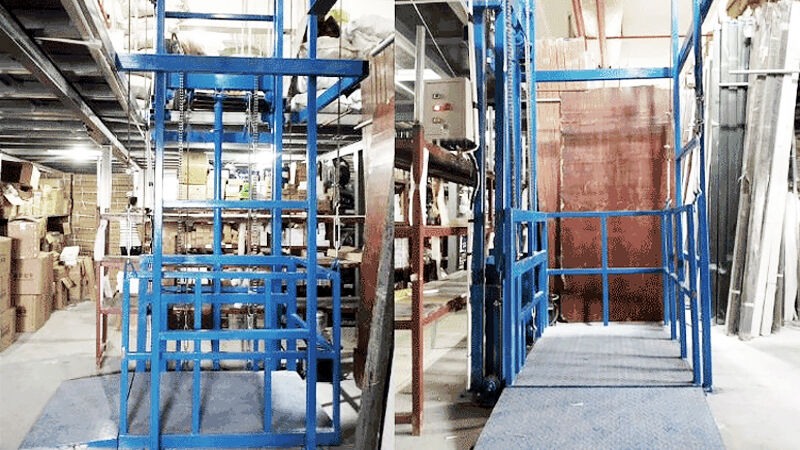
hydraulic loading dock
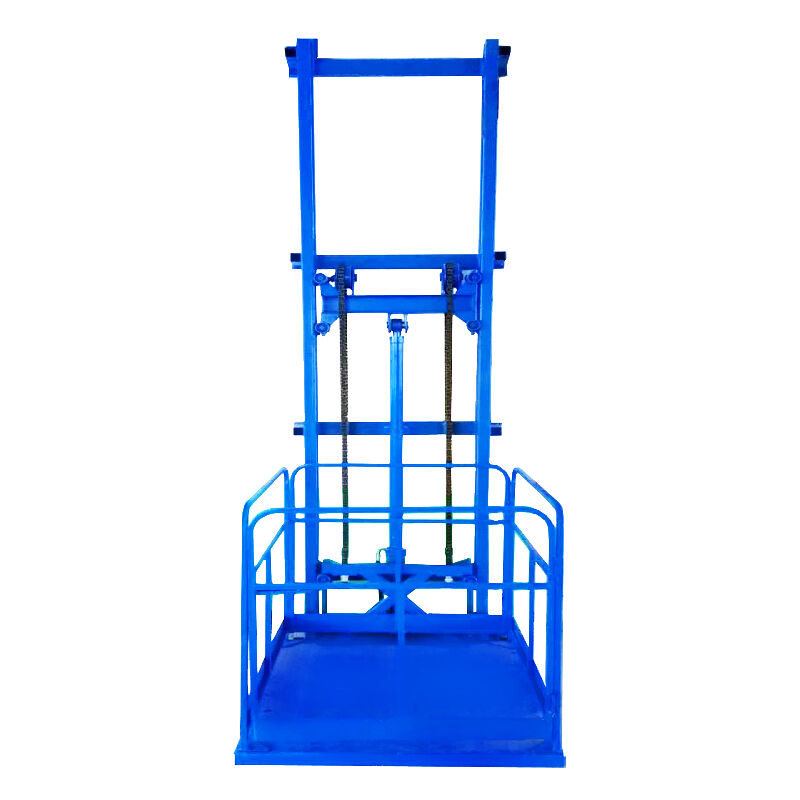
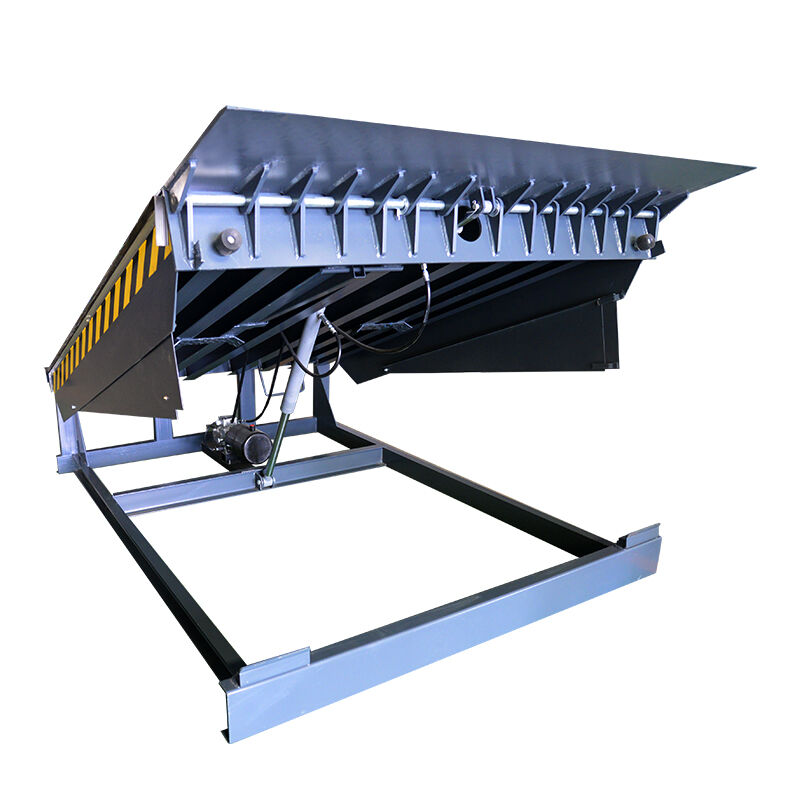
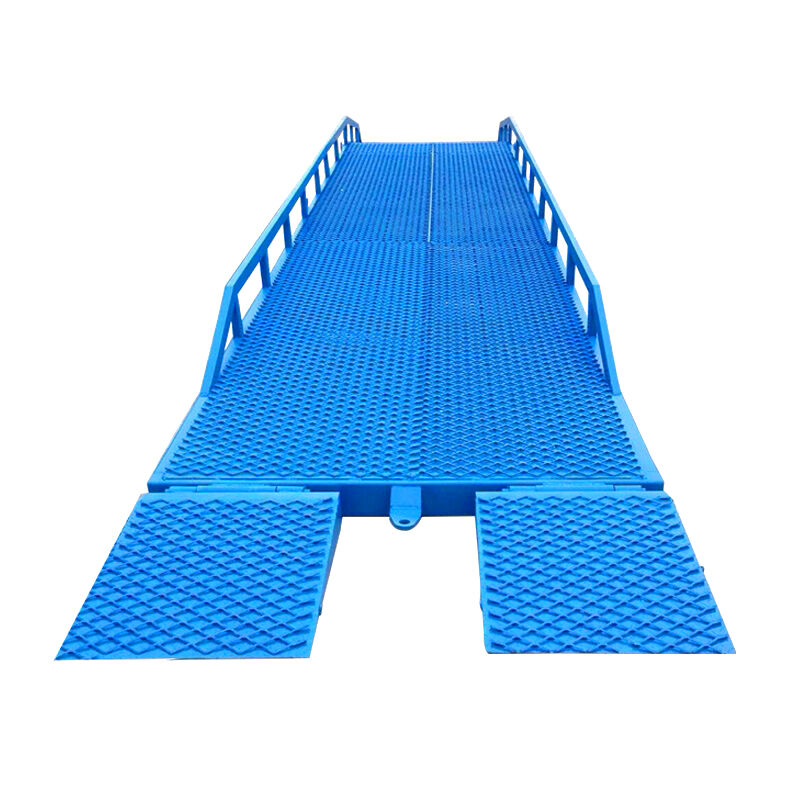
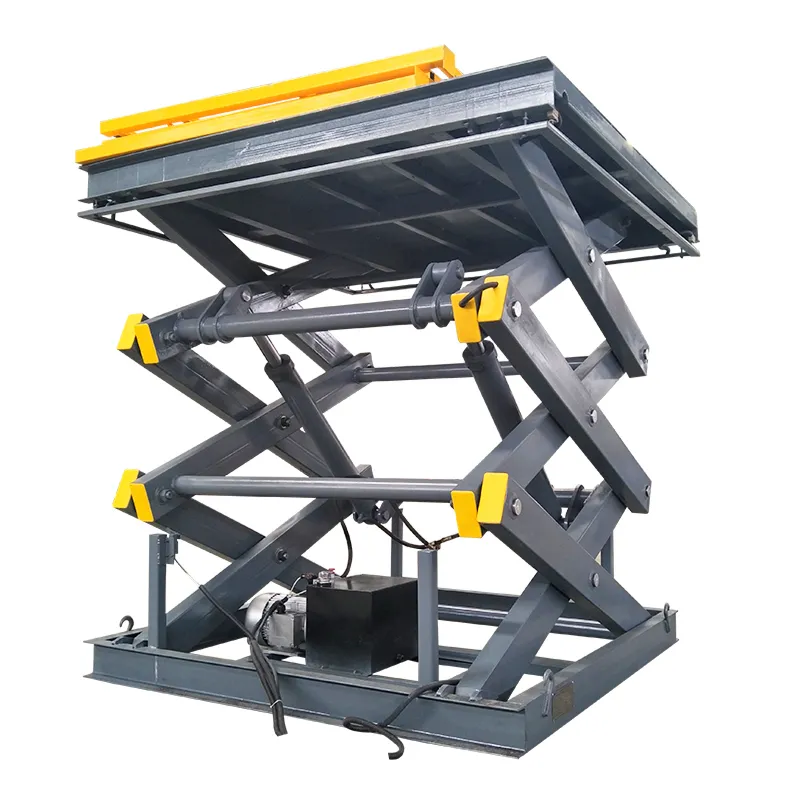
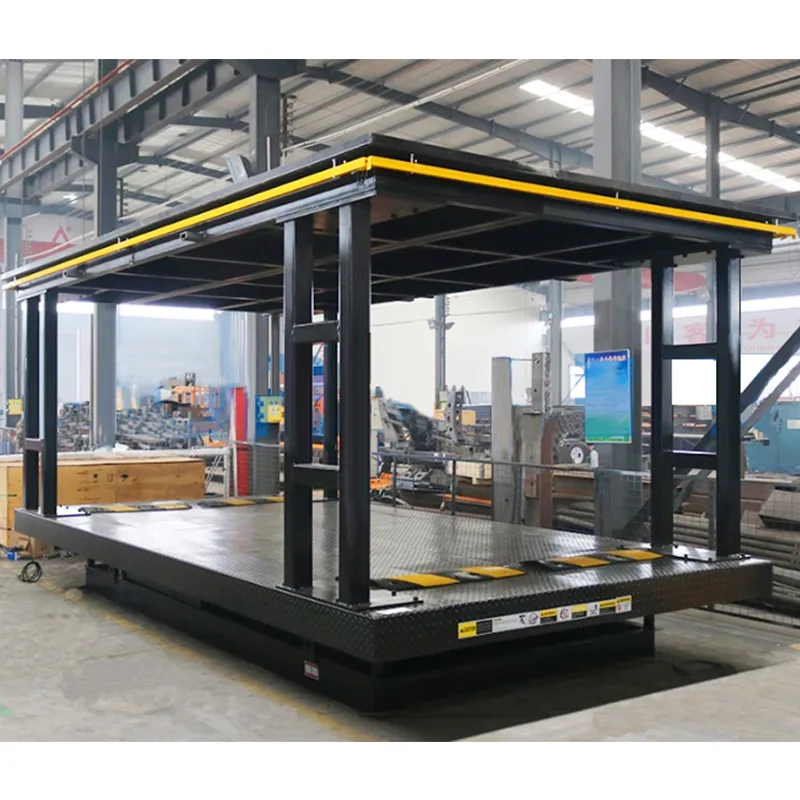
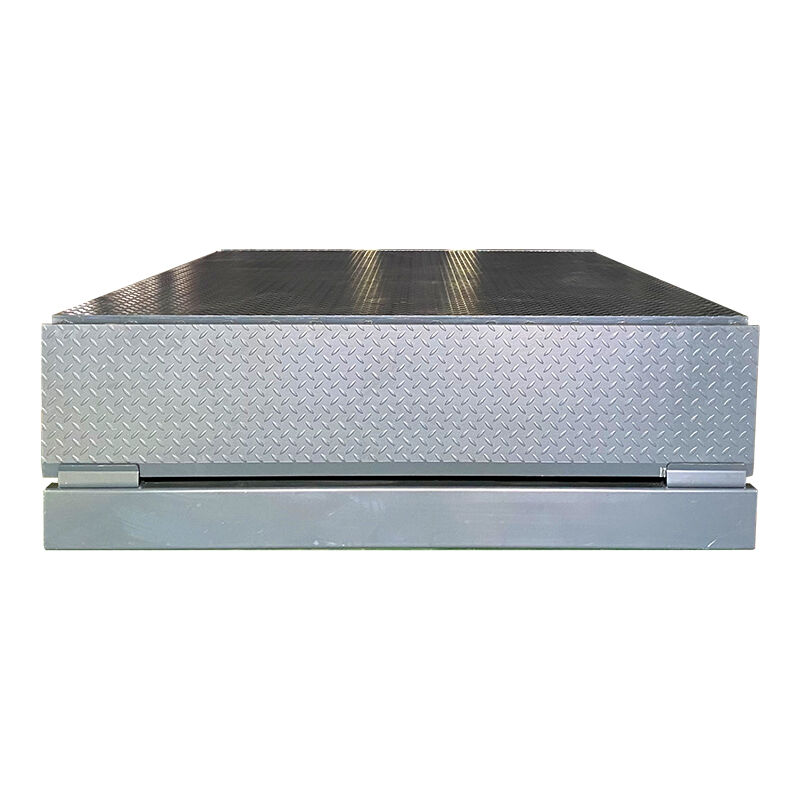
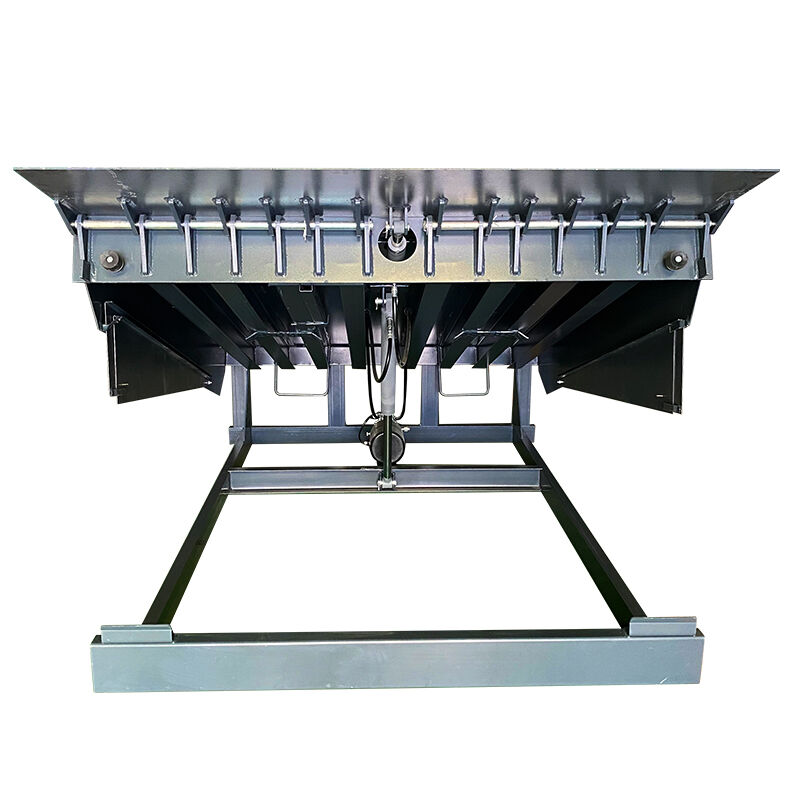
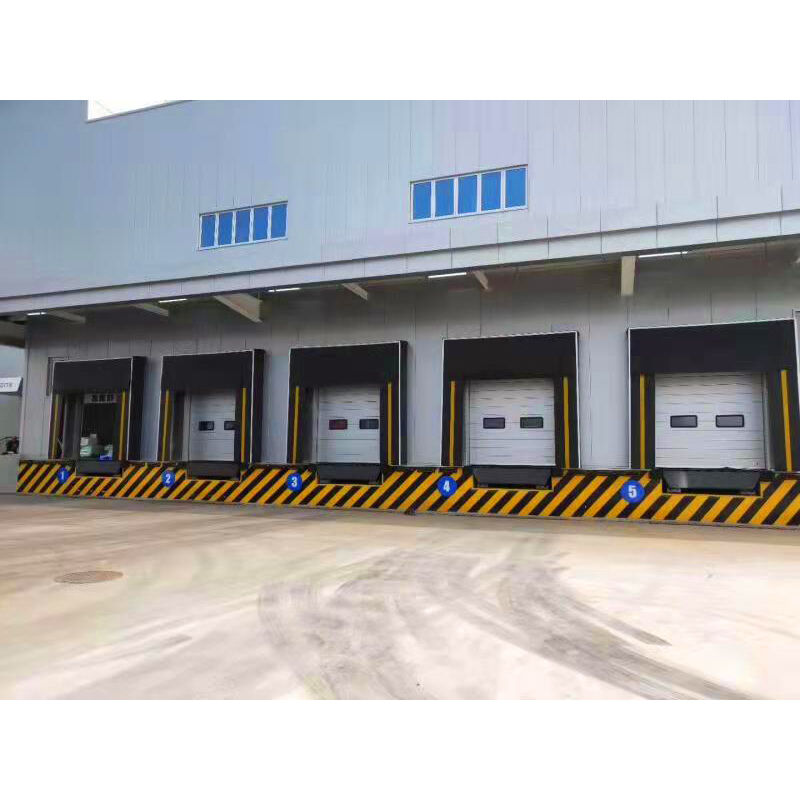
A hydraulic loading dock represents a revolutionary advancement in material handling technology, designed to bridge the gap between warehouse floors and transportation vehicles with precision and reliability. This sophisticated equipment utilizes hydraulic power systems to create seamless transitions for loading and unloading operations, fundamentally transforming how businesses manage their logistics workflows. The hydraulic loading dock incorporates advanced engineering principles to deliver consistent performance across diverse industrial applications, from manufacturing facilities to distribution centers. At its core, the system employs hydraulic cylinders and pumps to control vertical movement with exceptional accuracy, allowing operators to match deck heights precisely with truck beds, trailers, and shipping containers. The main functions encompass height adjustment capabilities ranging typically from ground level to elevated positions, accommodating various vehicle configurations including standard trucks, low-profile trailers, and specialized transport equipment. Safety integration stands as a paramount feature, with built-in sensors and automatic locking mechanisms that prevent accidental movement during loading operations. The technological framework includes programmable control systems that store multiple height presets, enabling rapid configuration changes for different vehicle types. Weather protection elements shield the hydraulic components from environmental factors, ensuring consistent operation regardless of seasonal conditions. Load capacity specifications vary according to specific models, with heavy-duty variants supporting substantial weight distributions while maintaining operational stability. The hydraulic loading dock system integrates seamlessly with existing warehouse management systems, providing real-time status updates and maintenance alerts. Installation flexibility allows for both pit-mounted and surface-mounted configurations, adapting to various facility layouts and construction requirements. Energy efficiency considerations include modern hydraulic pumps designed for optimal power consumption, reducing operational costs while maintaining peak performance standards throughout extended usage cycles.
 EN
EN