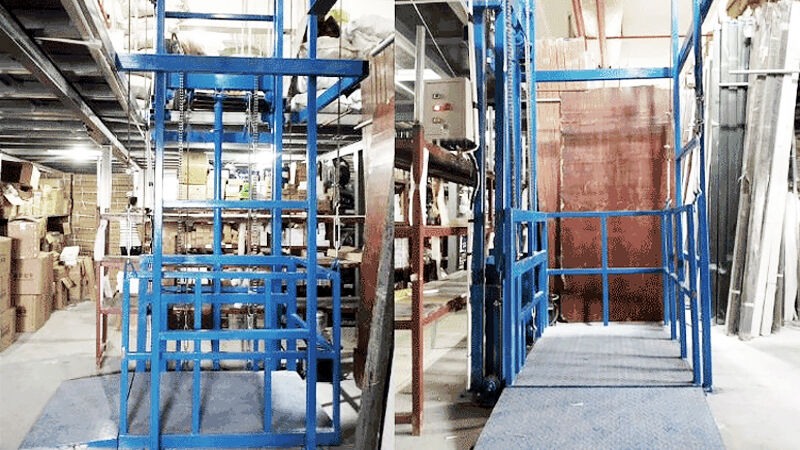
pit style dock leveler
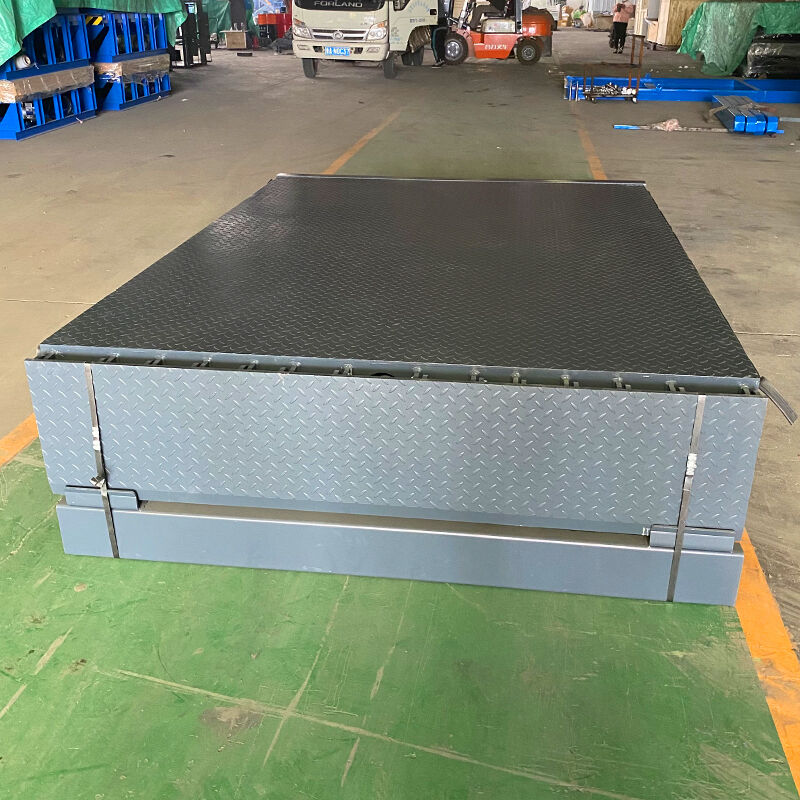
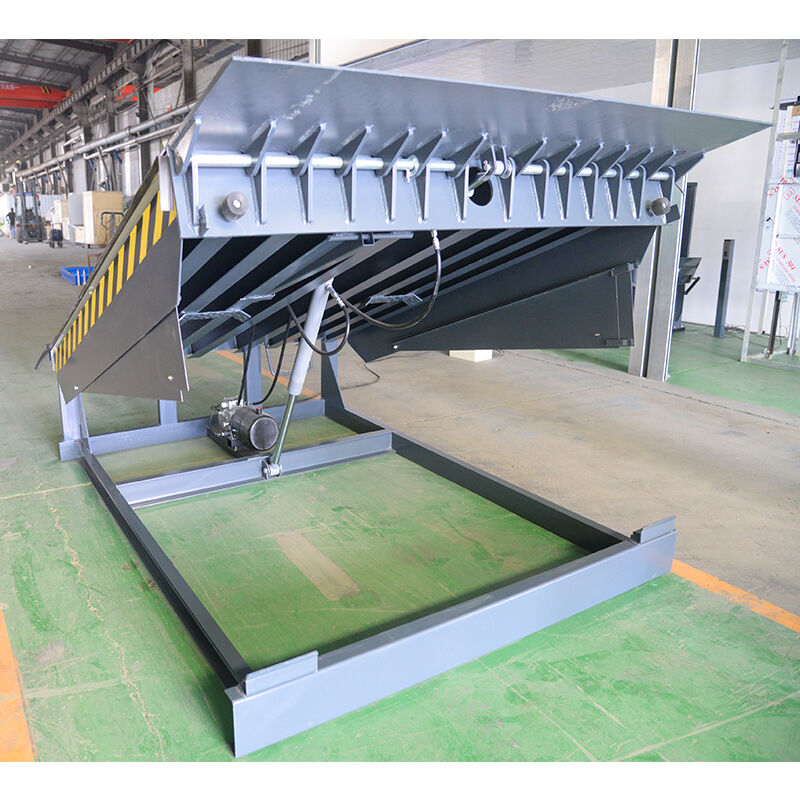
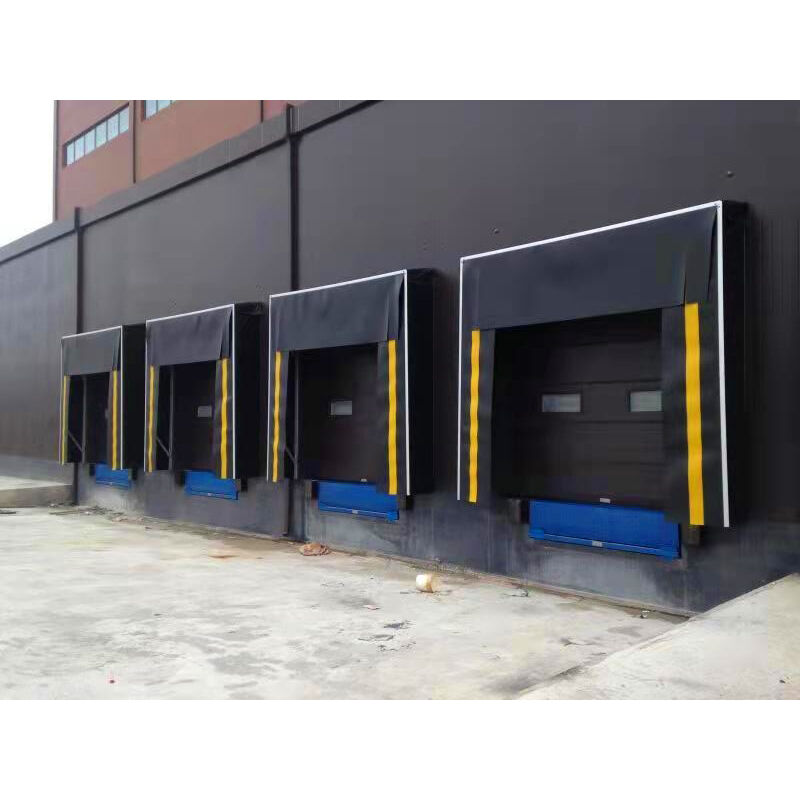
The pit style dock leveler represents a sophisticated loading dock solution designed to bridge the gap between warehouse floors and truck trailers during cargo operations. This permanently installed equipment sits flush with the warehouse floor when not in use, creating a seamless transition surface that enhances operational efficiency and worker safety. The pit style dock leveler operates through a mechanical or hydraulic system that raises and extends a steel platform to meet the bed of the delivery truck, compensating for height differences and ensuring smooth material handling. The primary function of this equipment centers on creating a stable, secure connection between the loading dock and various truck heights, which can vary significantly depending on the vehicle type, load weight, and suspension characteristics. The technological features of pit style dock levelers include robust steel construction with reinforced frames capable of supporting substantial weight loads, typically ranging from 25,000 to 80,000 pounds capacity. Advanced models incorporate hydraulic activation systems that provide smooth, controlled operation with minimal manual effort required from operators. Safety features are integral to the design, including automatic return-to-dock mechanisms, safety legs that prevent accidental lowering, and lip extension controls that ensure proper positioning. The pit style dock leveler finds extensive applications across diverse industries including manufacturing, distribution centers, retail warehouses, cold storage facilities, and transportation hubs. These installations prove particularly valuable in high-volume operations where consistent truck traffic demands reliable, efficient loading solutions. The recessed installation design makes pit style dock levelers ideal for facilities prioritizing clean aesthetics and unobstructed floor space when equipment is not actively engaged. Modern pit style dock levelers often feature weather sealing capabilities to maintain temperature control in climate-controlled environments, making them essential for pharmaceutical, food processing, and other temperature-sensitive operations where environmental integrity must be preserved during loading activities.
 EN
EN