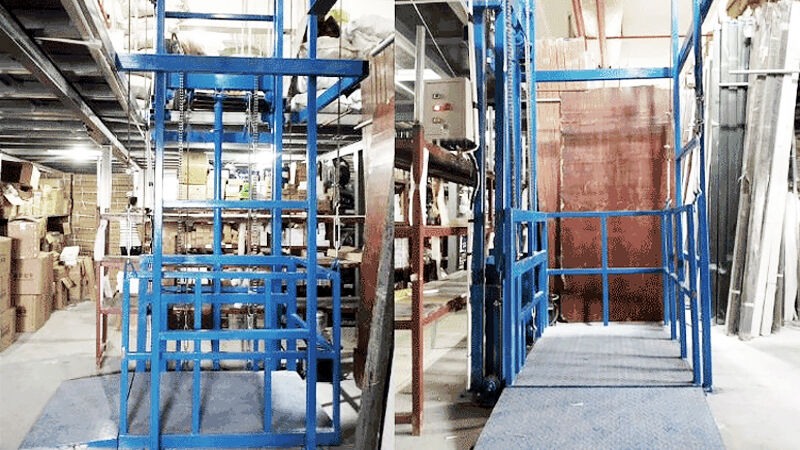
small goods elevator
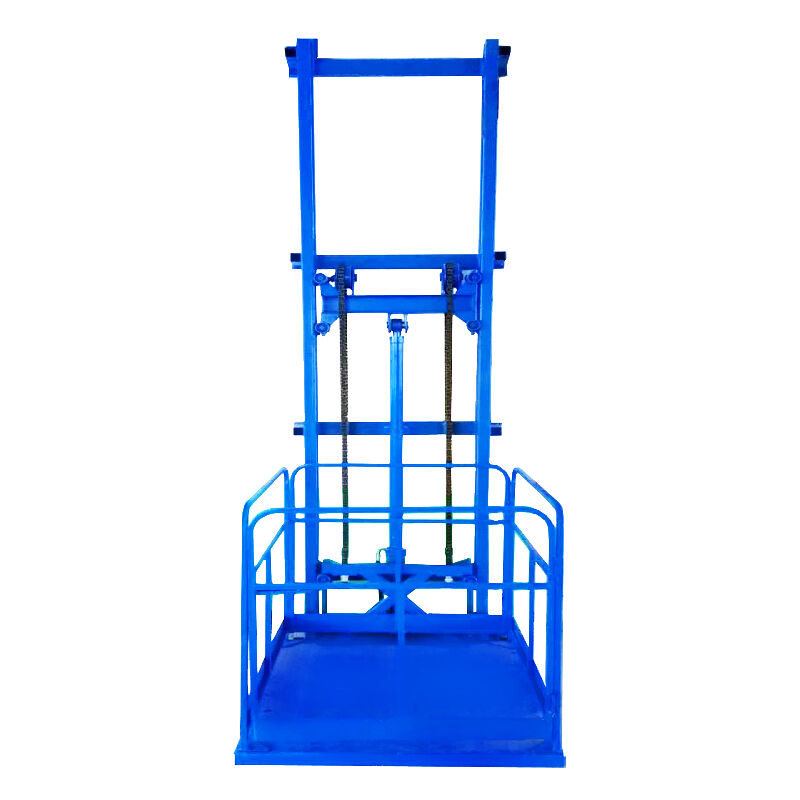
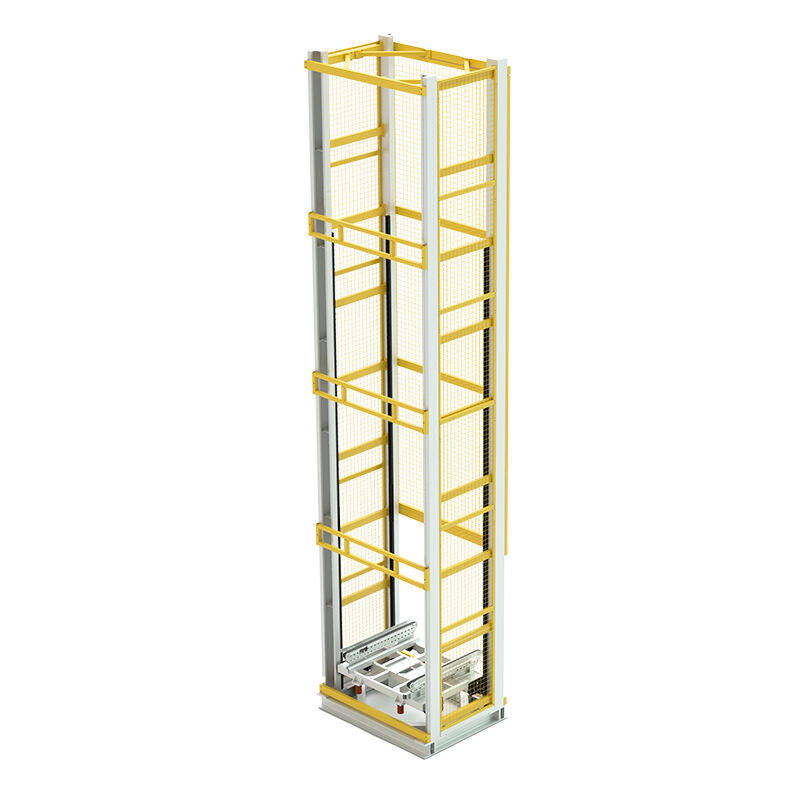
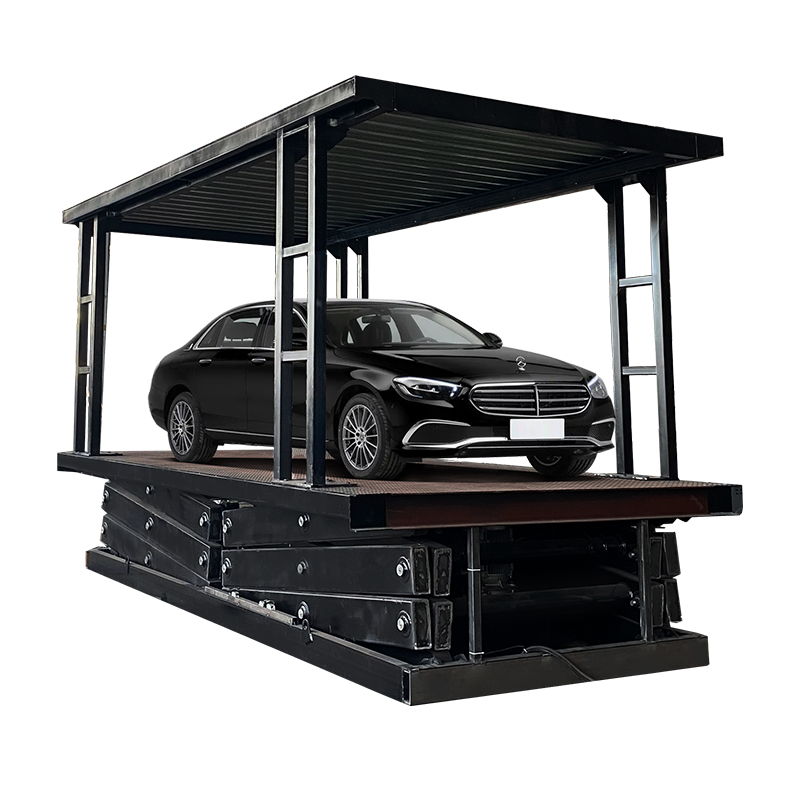
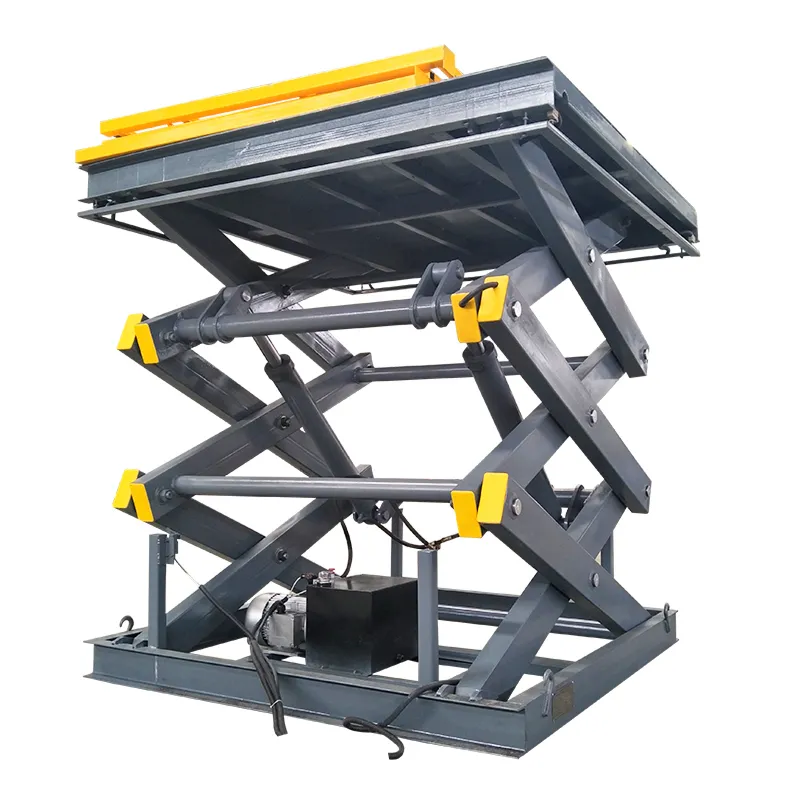
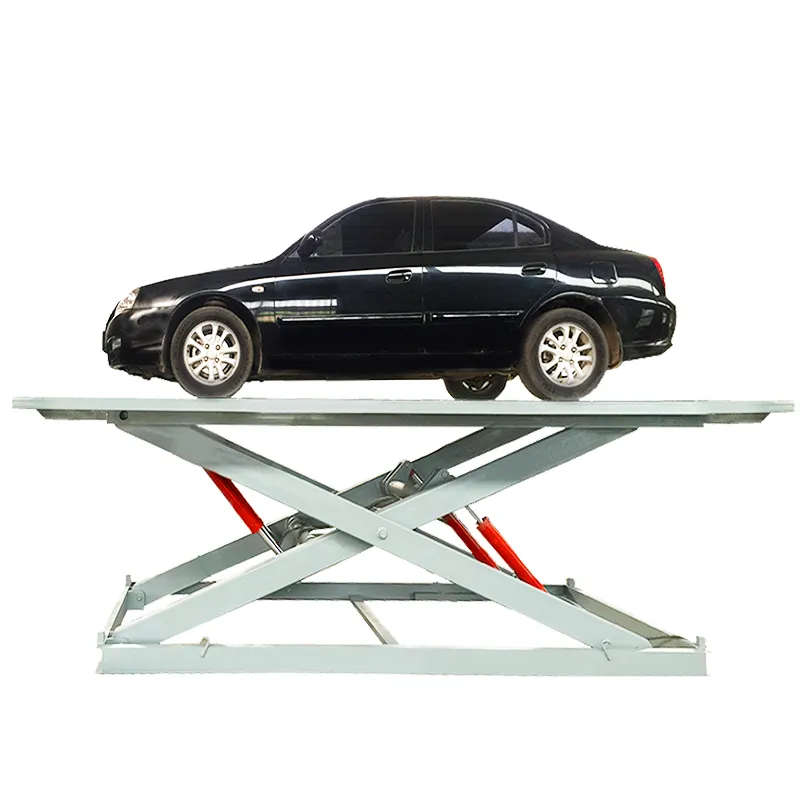
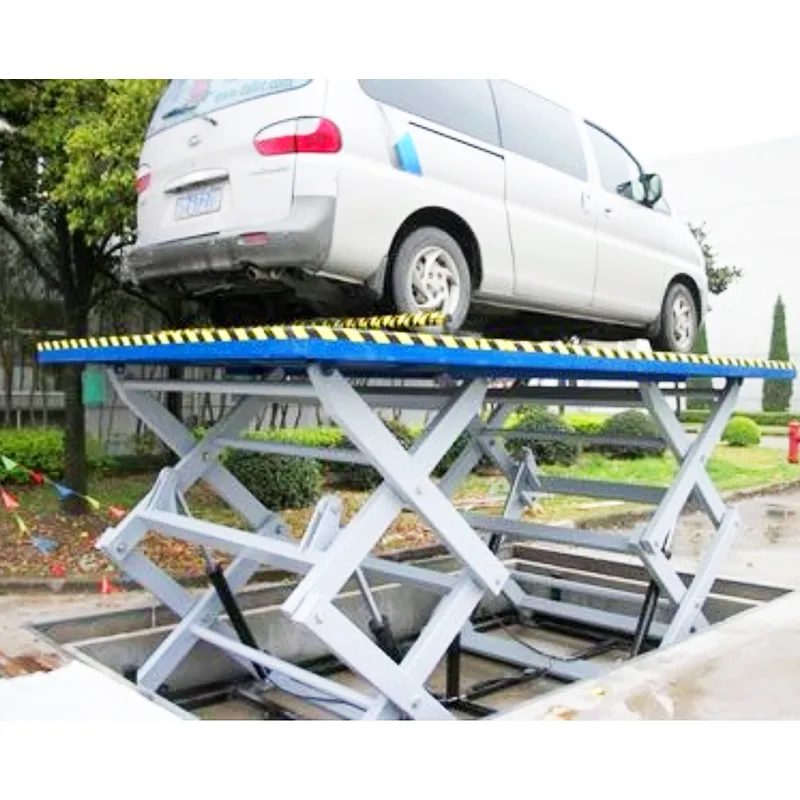
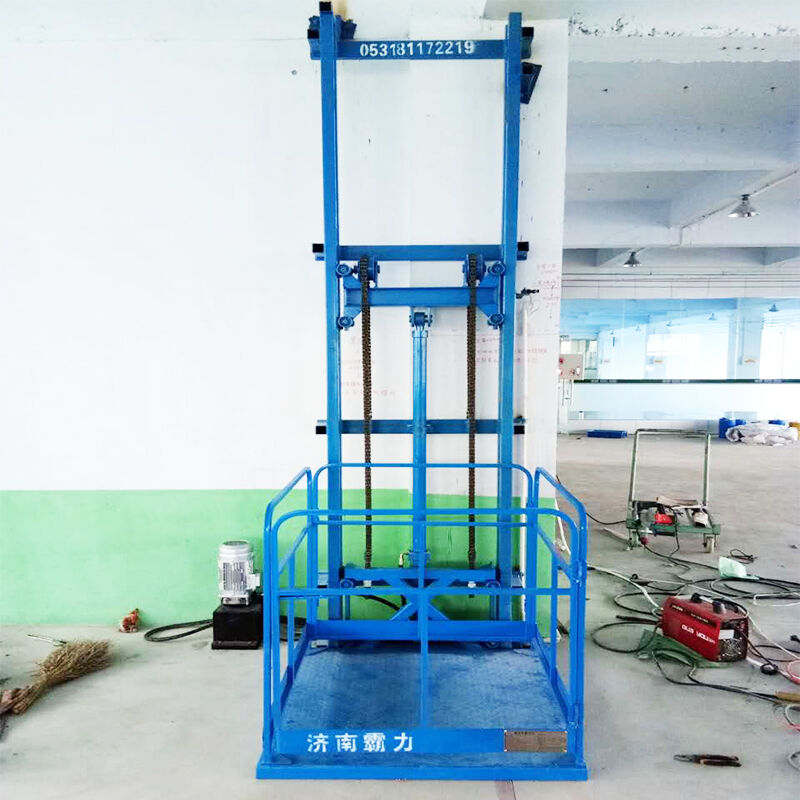
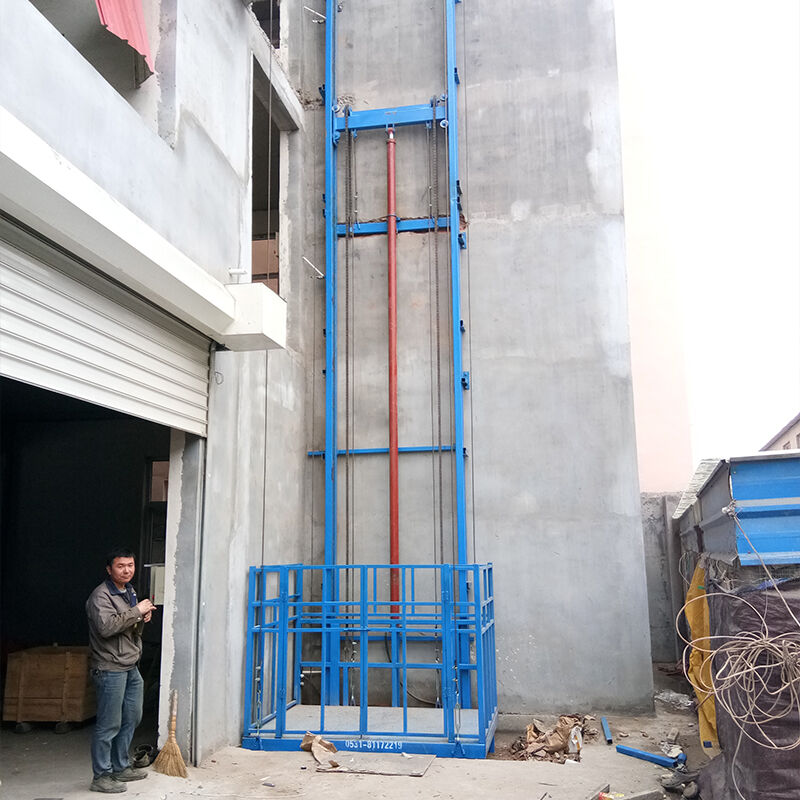
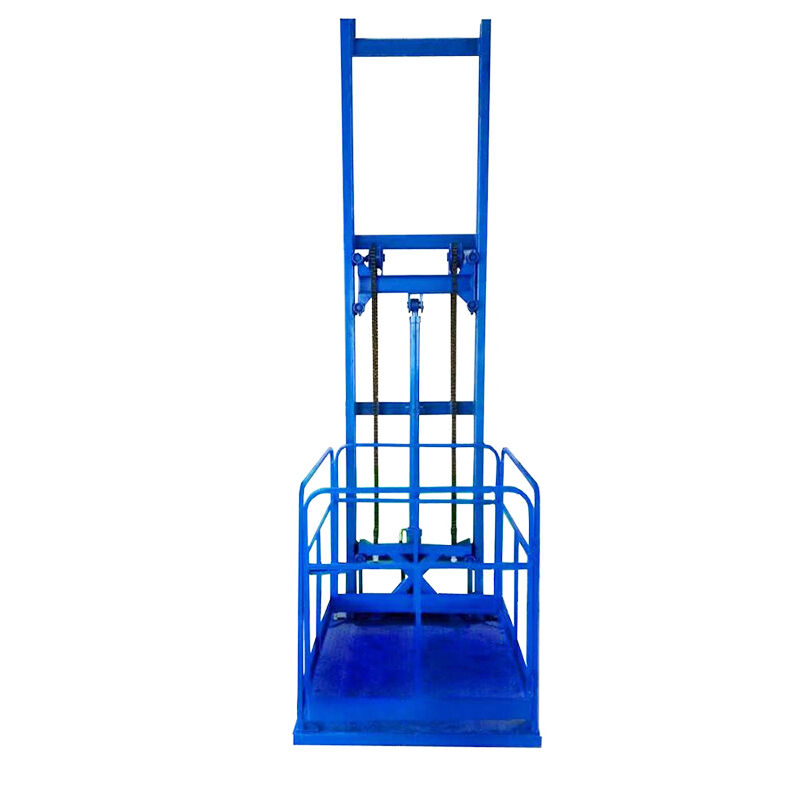
The small goods elevator represents a revolutionary advancement in vertical transportation systems, specifically engineered to streamline material handling operations across multiple floors in commercial, industrial, and residential environments. This compact yet powerful lifting solution combines cutting-edge technology with practical design to address the growing demand for efficient goods transportation in spaces where traditional freight elevators may be impractical or cost-prohibitive. The small goods elevator operates through sophisticated hydraulic or electric drive mechanisms, ensuring smooth and reliable vertical movement of materials ranging from documents and small packages to heavier items weighing up to several hundred kilograms. Its primary function centers on eliminating manual carrying of goods between floors, significantly reducing labor costs and minimizing workplace injuries associated with repetitive lifting and stair climbing. The technological features of modern small goods elevator systems include precision control panels with intuitive interfaces, safety sensors that prevent door operation when obstructions are detected, emergency stop mechanisms, and programmable floor selection options. Many units incorporate smart technology integration, allowing for remote monitoring and maintenance scheduling through connected devices. The compact footprint of these elevators makes them ideal for retrofitting into existing buildings where space constraints would otherwise prohibit installation of larger freight systems. Applications span across diverse sectors including restaurants and hotels for kitchen-to-dining room service, medical facilities for transporting supplies and equipment between departments, retail establishments for stock movement, office buildings for mail and document delivery, and residential properties for convenience and accessibility enhancement. Manufacturing facilities utilize small goods elevator systems to move components between production floors, while libraries employ them for book transportation between levels. The versatility of these systems extends to specialized applications such as laundry facilities in multi-story buildings, where clean linens and supplies require regular vertical transportation.
 EN
EN