Small Goods Lift Solutions: Efficient Vertical Material Transport Systems for Modern Businesses

Get a Free Quote

Our representative will contact you soon.
Email
Mobile/WhatsApp
Name
Company Name
Message
0/1000

small goods lift

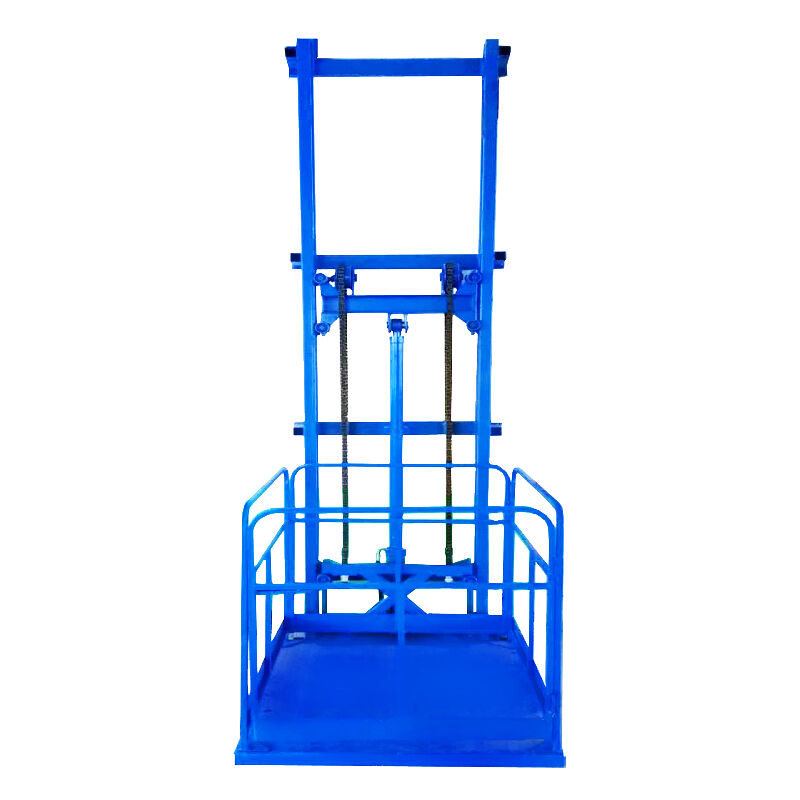
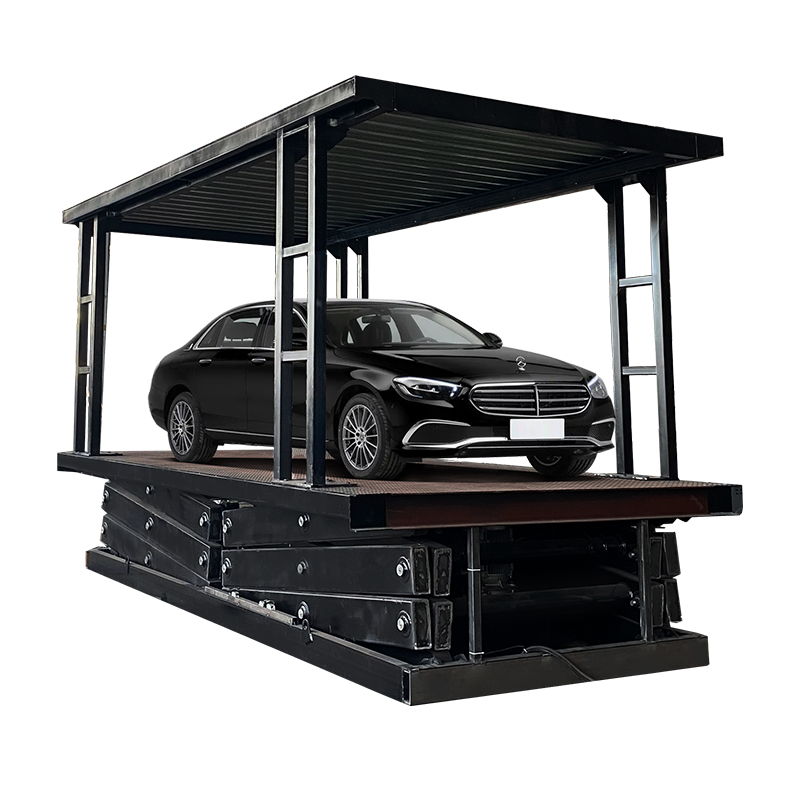
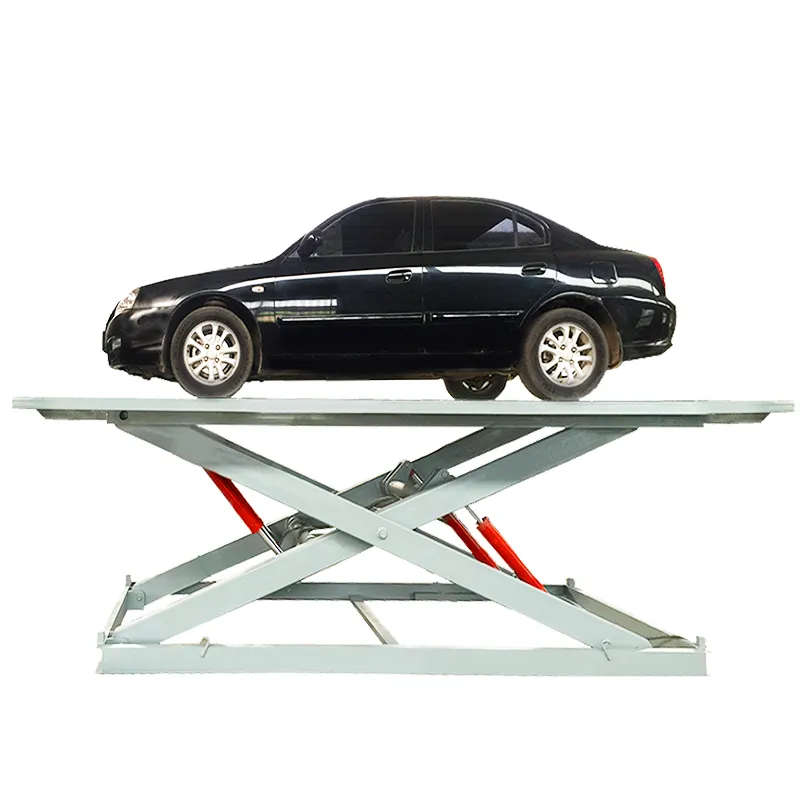
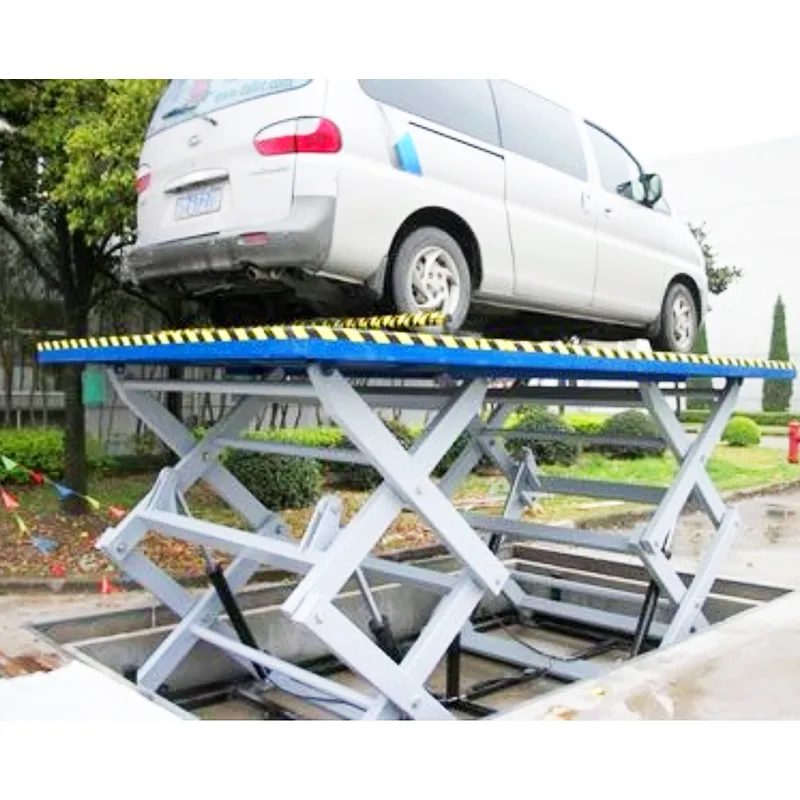
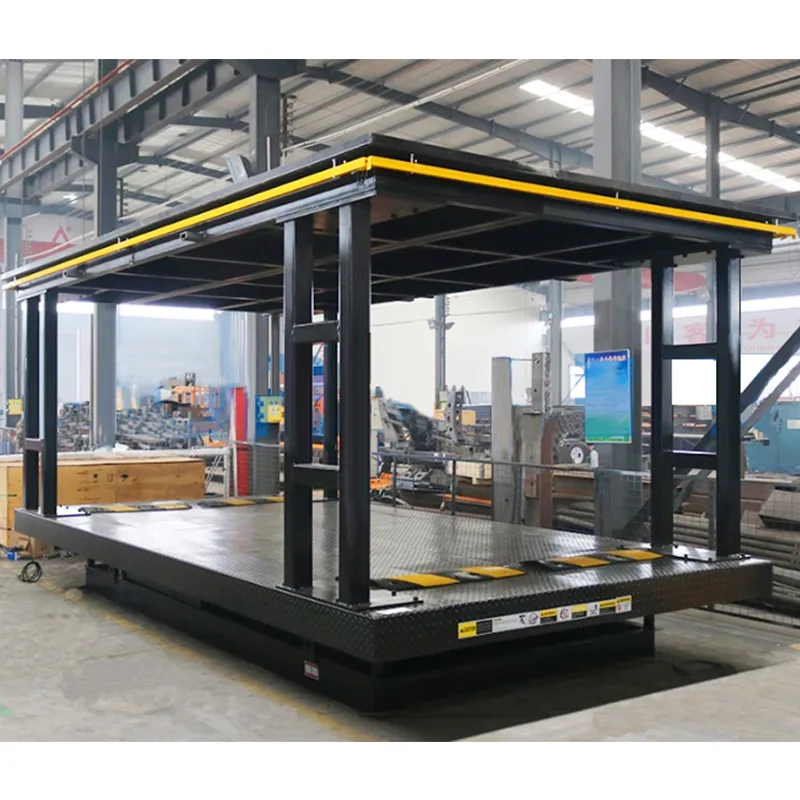
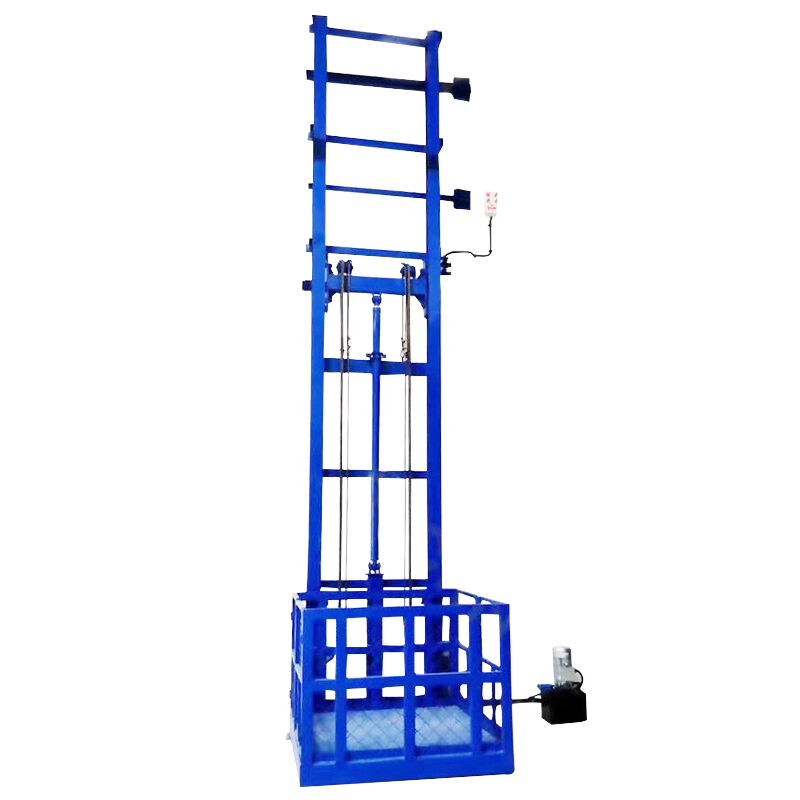
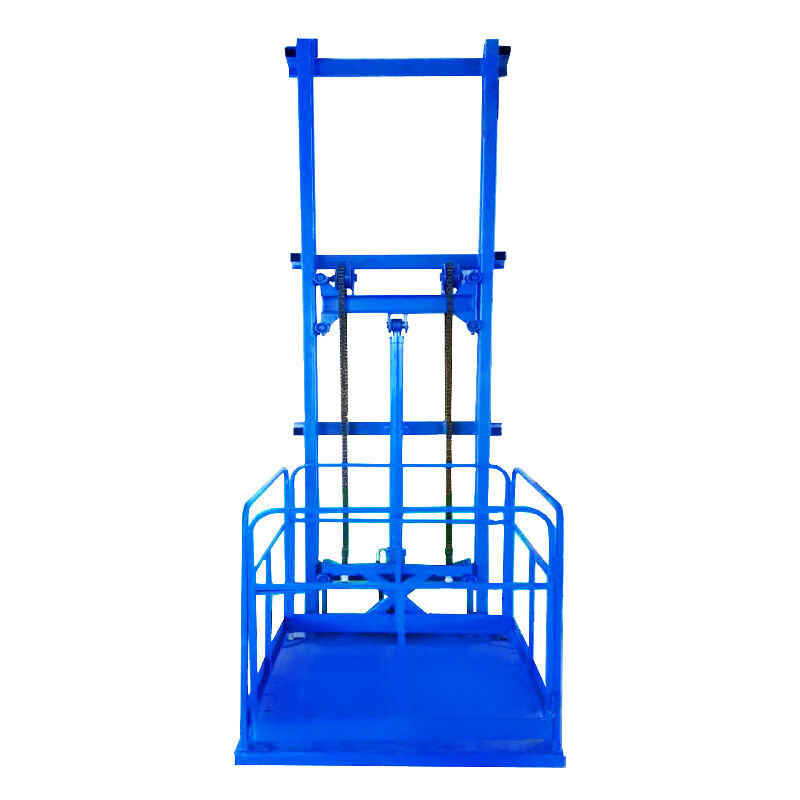
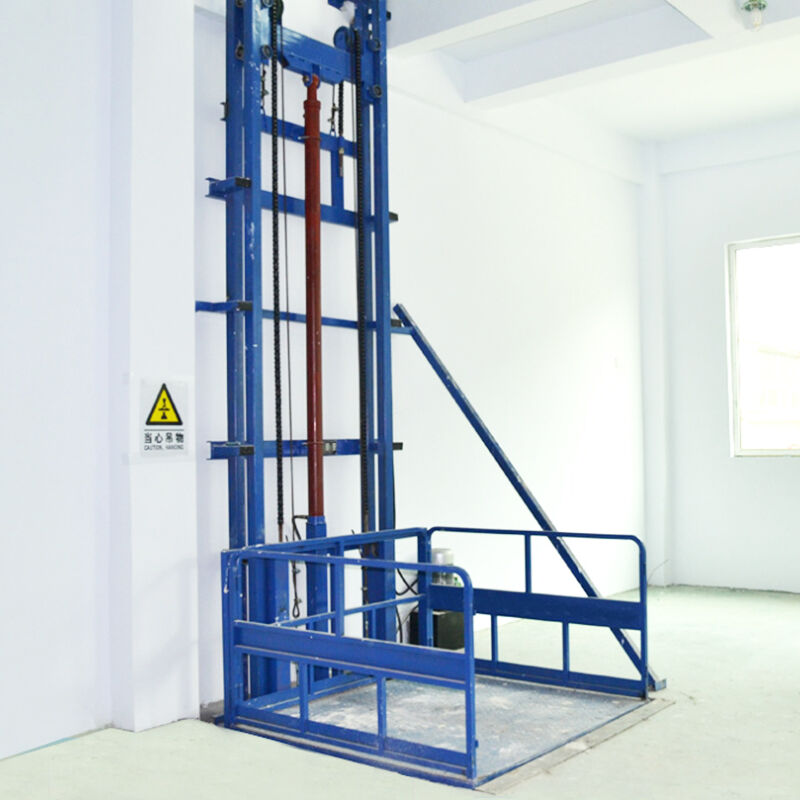
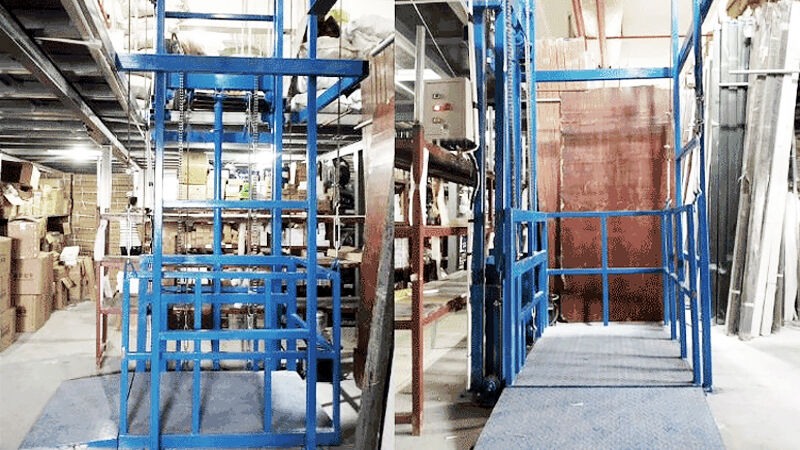
A small goods lift represents an innovative vertical transportation solution designed specifically for moving materials, products, and equipment between different floors in commercial, industrial, and residential buildings. This compact elevator system operates without requiring human passengers, making it an ideal choice for businesses that need efficient goods movement while maximizing floor space utilization. The small goods lift integrates advanced mechanical engineering with user-friendly controls to deliver reliable vertical transport capabilities. These systems typically feature robust steel construction with reinforced guide rails and precision-engineered lifting mechanisms. Modern small goods lifts incorporate variable frequency drive technology, ensuring smooth acceleration and deceleration while minimizing energy consumption. The control systems utilize programmable logic controllers that provide precise floor positioning and enhanced safety protocols. Load capacity ranges from 100 to 1000 kilograms, accommodating various business requirements. Installation flexibility allows integration into existing buildings or new construction projects. The compact footprint minimizes spatial requirements while maximizing functionality. Safety features include emergency stop systems, overload protection, door interlocks, and automatic leveling mechanisms. Maintenance requirements are minimal due to simplified mechanical components and accessible service points. Applications span multiple industries including restaurants, retail stores, warehouses, manufacturing facilities, hospitals, offices, and multi-story residences. These lifts excel in transporting food items, documents, medical supplies, inventory, tools, and finished products. The automated operation reduces manual labor costs and improves workflow efficiency. Installation typically requires minimal structural modifications, making retrofit projects economically viable. Environmental considerations include energy-efficient motors and recyclable materials. Customization options allow businesses to select appropriate dimensions, finishes, and control configurations to match specific operational needs. The technology continues evolving with smart connectivity features and predictive maintenance capabilities.

New Product Recommendations

Small goods lifts provide numerous practical benefits that directly impact business operations and cost management. These systems dramatically reduce manual labor requirements by eliminating the need for workers to carry heavy items up and down stairs. Staff members can focus on more productive tasks instead of exhausting themselves with repetitive lifting and carrying duties. This automation leads to significant labor cost savings over time while improving workplace safety by reducing injury risks associated with manual material handling. The compact design requires minimal floor space compared to traditional freight elevators, allowing businesses to maximize their usable area for revenue-generating activities. Installation costs are considerably lower than full-sized elevators because small goods lifts require simpler structural support and less complex electrical connections. Operating expenses remain low due to energy-efficient motors and reduced maintenance requirements. These systems operate quietly, ensuring minimal disruption to business activities and customer experiences. The quick installation process typically takes only a few days, minimizing business downtime during implementation. Reliability standards are exceptionally high, with modern systems featuring redundant safety mechanisms and robust components designed for continuous operation. User operation is straightforward, requiring minimal training for staff members to master the simple control interfaces. The systems can operate continuously throughout business hours without fatigue or performance degradation. Productivity improvements result from faster material transport between floors, enabling quicker order fulfillment and improved customer service. Inventory management becomes more efficient as products move seamlessly between storage areas and sales floors. Small goods lifts enhance professional image by demonstrating commitment to operational efficiency and modern technology adoption. Return on investment typically occurs within two to three years through labor savings and productivity gains. Flexibility allows easy relocation or modification as business needs evolve. The systems integrate seamlessly with existing workflows without requiring significant operational changes. Compliance with safety regulations ensures peace of mind while protecting businesses from liability concerns related to manual material handling injuries.

Latest News

What Are the Advantages of Choosing a Custom Lift Manufacturer?

05

Mar

What Are the Advantages of Choosing a Custom Lift Manufacturer?

When businesses need vertical transportation solutions, they often face a critical decision: choose a standard, off-the-shelf lift system or partner with a custom lift manufacturer. While pre-engineered lifts may seem like the simpler option, working...
View More
Why Are Stationary Scissor Lifts Popular in Manufacturing Plants?

16

Mar

Why Are Stationary Scissor Lifts Popular in Manufacturing Plants?

Manufacturing plants worldwide have increasingly turned to stationary scissor lifts as essential equipment for their vertical material handling and access needs. These robust hydraulic platforms have become indispensable in modern industrial operatio...
View More
How Do Car Lifts for Home Garage Add Value to Real Estate Projects?

20

Mar

How Do Car Lifts for Home Garage Add Value to Real Estate Projects?

Car lifts for home garage installations have emerged as a premium feature that significantly enhances property value in today's competitive real estate market. These sophisticated automotive storage solutions transform ordinary residential garages in...
View More
What Are the Key Benefits of Installing a Goods Lift in Factories?

30

Mar

What Are the Key Benefits of Installing a Goods Lift in Factories?

In today’s highly competitive industrial environment, factories are under constant pressure to improve operational efficiency, reduce labor costs, and ensure workplace safety. One of the most practical solutions adopted by modern manufactu...
View More

Get a Free Quote

Our representative will contact you soon.
Email
Mobile/WhatsApp
Name
Company Name
Message
0/1000

small goods lift

Advanced Safety Technology and Reliability Systems

Advanced Safety Technology and Reliability Systems

Modern small goods lifts incorporate comprehensive safety technology that ensures reliable operation while protecting both equipment and materials. These sophisticated systems feature multiple redundant safety mechanisms including emergency braking systems, overload sensors, and automatic door interlocks that prevent operation when doors are not properly secured. The emergency stop functionality allows immediate system shutdown from any floor, while backup power systems maintain safe operation during power fluctuations. Advanced load monitoring prevents damage by automatically stopping operation when weight limits are exceeded, protecting both the lift mechanism and building structure. Precision leveling technology ensures accurate floor alignment, preventing trips and falls while protecting transported goods from damage during loading and unloading. Modern control systems utilize industrial-grade components designed for continuous operation in demanding commercial environments. Fault diagnostic capabilities provide real-time monitoring of system performance, alerting operators to potential issues before they become serious problems. The robust construction features high-grade steel components and reinforced guide systems that withstand heavy daily use. Door safety sensors prevent closure when objects or personnel are detected in the doorway, eliminating crushing hazards. Regular safety inspections and maintenance protocols ensure ongoing compliance with industry standards and regulations. The systems include backup communication methods for emergency situations, allowing immediate contact with service personnel when needed. Seismic safety features protect against earthquake damage in regions prone to ground movement. Fire safety integration allows emergency services to control lift operation during building evacuations. Quality assurance testing occurs at multiple stages during manufacturing and installation to verify all safety systems function correctly. These comprehensive safety measures provide business owners with confidence in their investment while protecting employees and customers from potential hazards associated with vertical material transport.
Exceptional Space Efficiency and Installation Flexibility

Exceptional Space Efficiency and Installation Flexibility

The exceptional space efficiency of small goods lifts makes them ideal for businesses operating in buildings with limited square footage or challenging architectural constraints. These systems require minimal floor space, typically occupying less than four square meters of floor area while providing full vertical transport capabilities between multiple floors. The compact hoistway design accommodates installation in areas where traditional freight elevators would be impossible or prohibitively expensive. Flexible installation options include both interior and exterior mounting configurations, allowing businesses to choose the most suitable approach for their building layout and operational requirements. The shallow pit requirements often eliminate the need for extensive excavation, reducing installation costs and construction disruption significantly. Overhead space requirements are minimal, making installation possible in buildings with standard ceiling heights and existing structural limitations. Custom sizing options ensure optimal fit within available spaces while maximizing transport capacity for specific business needs. The modular design approach allows for easy modification or expansion as business requirements evolve over time. Installation can often occur without disrupting existing business operations, as the systems can be assembled and tested outside normal operating hours. The streamlined installation process typically requires fewer trade professionals compared to traditional elevator installations, reducing project complexity and coordination requirements. Portable installation options exist for temporary applications or businesses that may relocate in the future. The systems integrate seamlessly with existing building infrastructure, requiring minimal modifications to electrical, structural, or mechanical systems. Aesthetic customization options ensure the lift installation complements existing architectural design while maintaining professional appearance standards. Future expansion capabilities allow additional floors to be served by extending existing systems rather than installing completely new equipment. This installation flexibility makes small goods lifts accessible to a broader range of businesses and building types than traditional material handling solutions.
Superior Cost-Effectiveness and Return on Investment

Superior Cost-Effectiveness and Return on Investment

Small goods lifts deliver exceptional cost-effectiveness through multiple financial benefits that create compelling return on investment opportunities for businesses across various industries. The initial purchase and installation costs are substantially lower than traditional freight elevators, making vertical material transport accessible to smaller businesses and those with limited capital budgets. Operating expenses remain minimal due to energy-efficient motor systems that consume significantly less electricity than larger material handling equipment. Maintenance costs are reduced through simplified mechanical designs that require fewer specialized components and less frequent service interventions. Labor cost savings accumulate rapidly as employees no longer spend time carrying materials manually between floors, allowing them to focus on more productive and profitable activities. The systems operate independently without requiring dedicated operators, eliminating ongoing salary expenses associated with traditional material handling methods. Insurance premiums may decrease due to reduced workplace injury risks associated with manual lifting and carrying activities. Property values can increase as buildings become more attractive to potential tenants who value efficient material handling capabilities. Tax advantages may apply in some jurisdictions for businesses investing in productivity-enhancing equipment and safety improvements. The rapid payback period typically ranges from eighteen to thirty-six months, depending on usage intensity and labor cost savings achieved. Productivity improvements result in faster order processing, improved customer satisfaction, and potential revenue increases through enhanced operational efficiency. Downtime costs are minimized due to reliable operation and quick service response when maintenance is required. Scalability allows businesses to expand lift capacity or add additional units as operations grow, protecting the initial investment while accommodating future needs. Energy cost savings accumulate over the system's operational lifetime, contributing to ongoing profitability improvements. The durable construction and quality components ensure long service life, spreading the initial investment across many years of productive use while maintaining consistent performance standards throughout the equipment lifecycle.

Get a Free Quote

Our representative will contact you soon.
Email
Mobile/WhatsApp
Name
Company Name
Message
0/1000