Professional Vertical Material Hoist Solutions - Heavy-Duty Construction Lifting Equipment

Get a Free Quote

Our representative will contact you soon.
Email
Mobile/WhatsApp
Name
Company Name
Message
0/1000

vertical material hoist

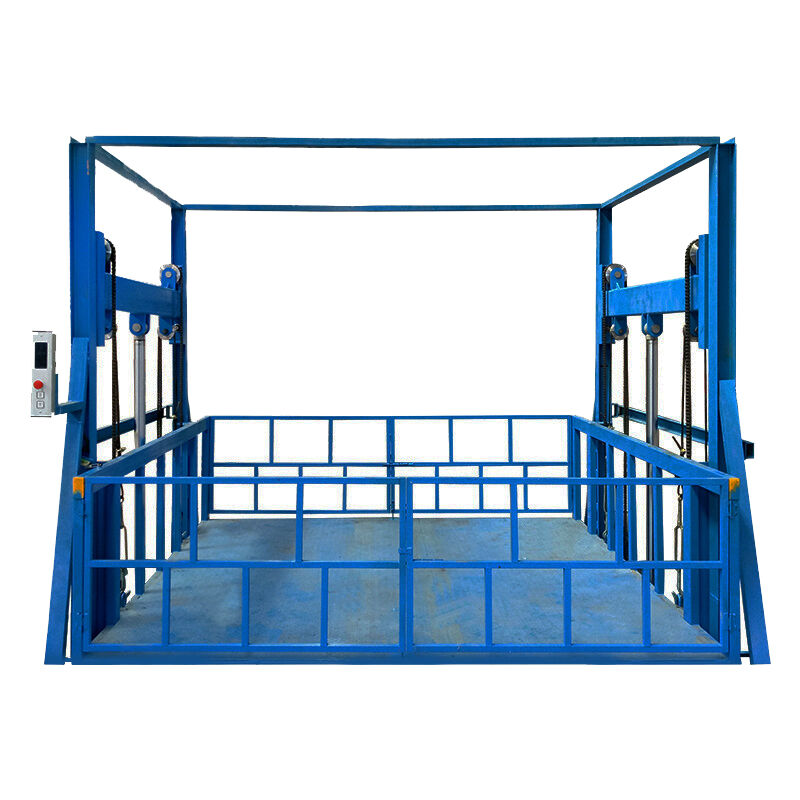
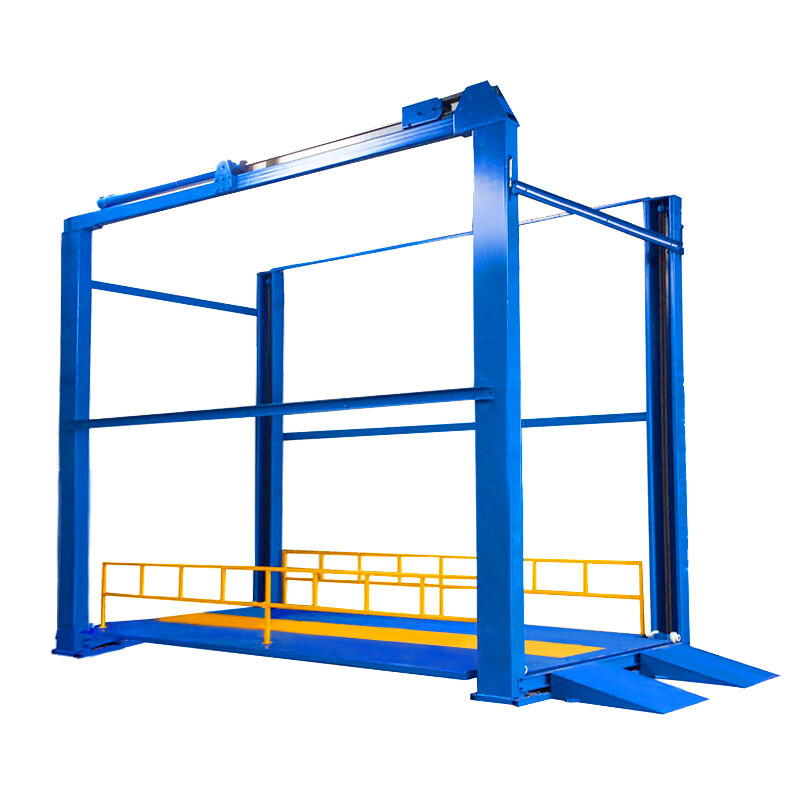
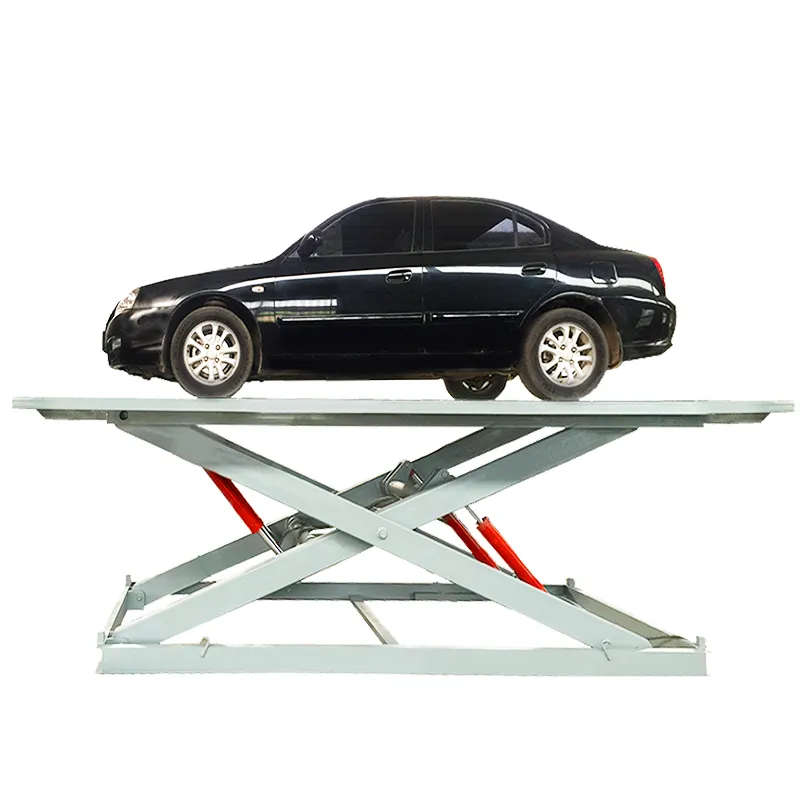
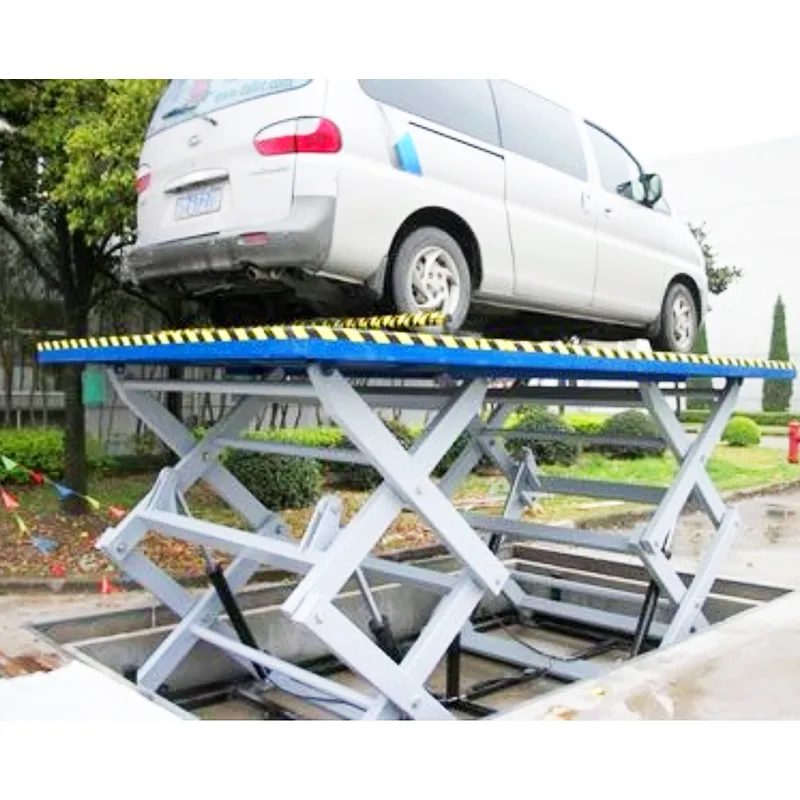
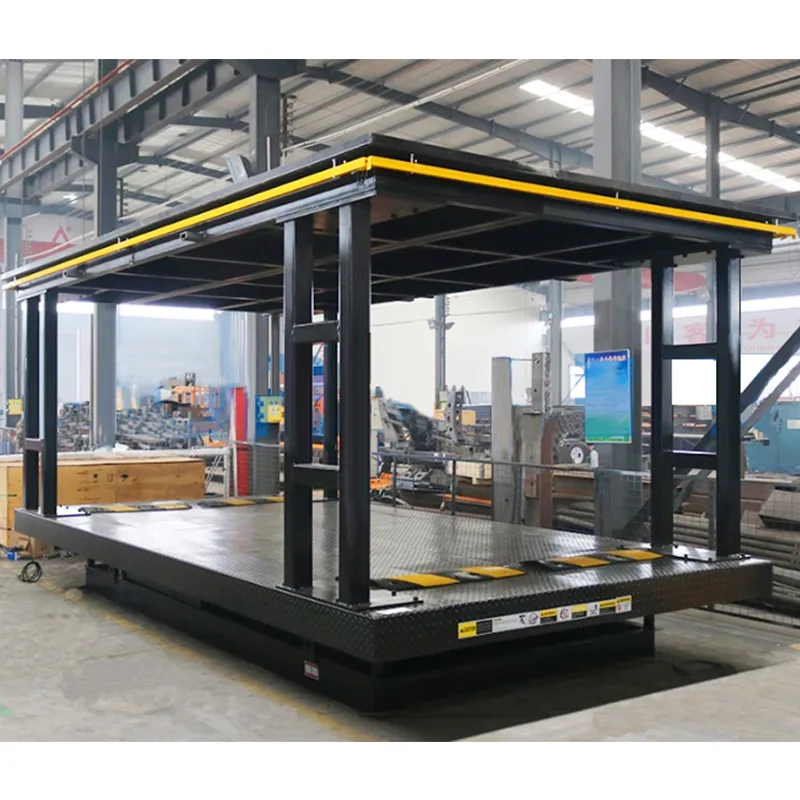
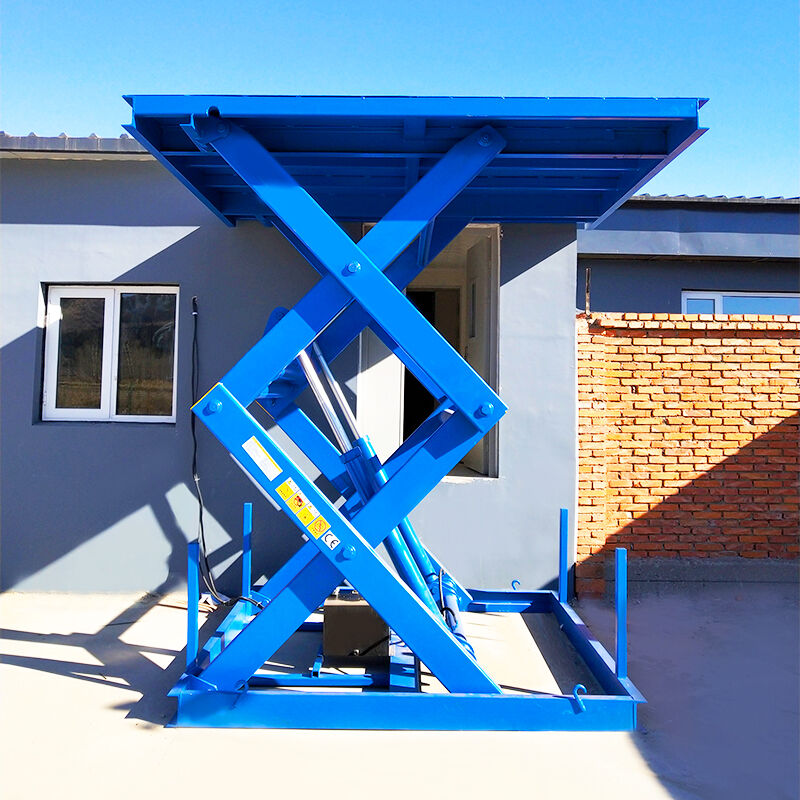
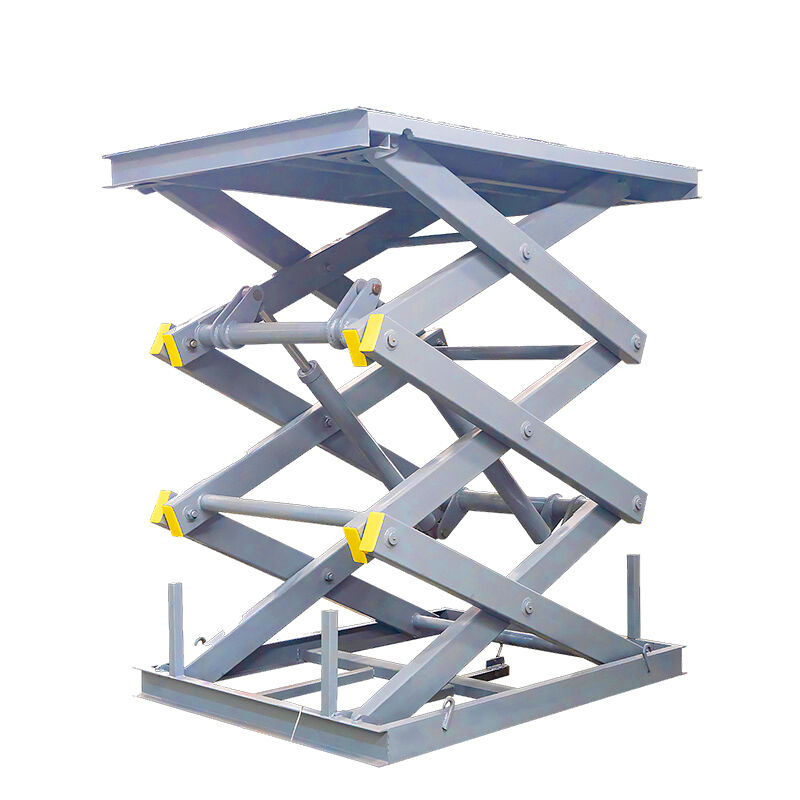
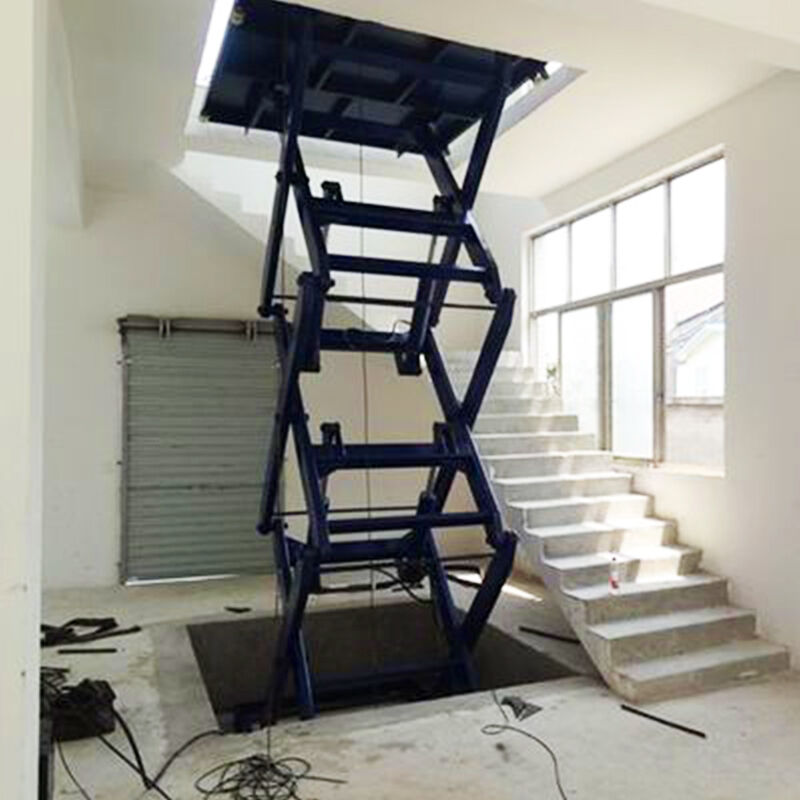
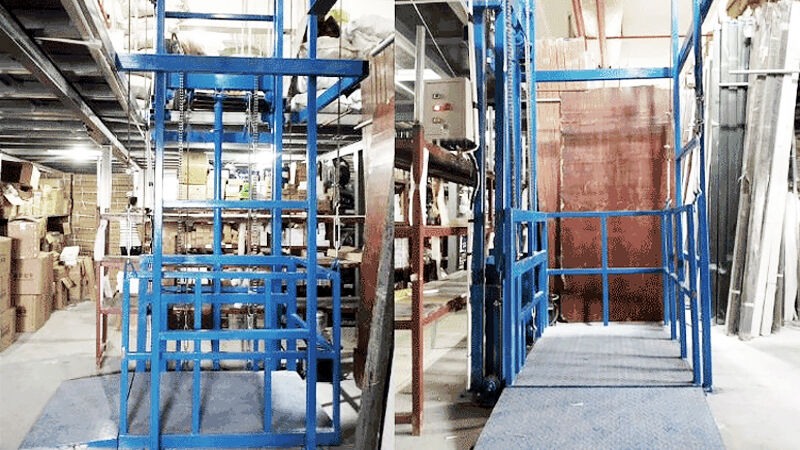
A vertical material hoist represents an essential piece of equipment designed to transport materials efficiently between different floors or levels within construction sites, warehouses, and industrial facilities. This sophisticated lifting system operates on a vertical track or guide rail system, enabling the safe and controlled movement of heavy loads, tools, and construction materials to elevated positions. The vertical material hoist functions as a motorized platform that travels along a predetermined vertical path, providing reliable access to multiple levels of a building or structure during construction, renovation, or maintenance projects. The primary functions of a vertical material hoist encompass load transportation, personnel access, and material positioning at various heights. These systems excel at moving diverse cargo types including concrete blocks, steel beams, construction supplies, equipment, and finished products. The technological features of modern vertical material hoist systems include advanced safety mechanisms such as emergency braking systems, overload protection, and automatic leveling capabilities. Many units incorporate digital control panels that allow operators to precisely position the platform at designated floors or heights. The drive mechanisms typically utilize electric motors with gear reduction systems, ensuring smooth and controlled vertical movement. Safety features often include safety gates, limit switches, and backup power systems to prevent accidents and ensure operational continuity. Applications for vertical material hoist equipment span across multiple industries and project types. Construction companies utilize these systems extensively for high-rise building projects, bridge construction, and infrastructure development. Manufacturing facilities employ vertical material hoist solutions for warehouse operations, assembly line support, and inventory management. The equipment proves invaluable in renovation projects where traditional crane access is limited or impractical. Additionally, vertical material hoist systems serve mining operations, shipbuilding facilities, and maintenance operations requiring reliable vertical transportation of materials and equipment to elevated work areas.

New Product Releases

The vertical material hoist delivers substantial operational advantages that directly impact project efficiency and cost management for businesses across various industries. These systems significantly reduce manual labor requirements by eliminating the need for workers to carry heavy materials up stairs or ladders, which traditionally consumes considerable time and energy. This automation translates into faster project completion times and reduced labor costs, making the vertical material hoist an investment that pays dividends throughout extended construction or operational periods. Safety improvements represent another compelling advantage of vertical material hoist implementation. These systems minimize workplace injuries associated with manual material handling, reducing workers compensation claims and improving overall site safety records. The enclosed platform design protects materials from weather exposure and prevents dropped objects that could endanger personnel working below. Enhanced productivity emerges as operators can transport larger quantities of materials in single trips compared to manual methods. The vertical material hoist enables continuous workflow by providing reliable access to multiple levels simultaneously, allowing different work crews to maintain steady progress without waiting for material deliveries. This streamlined approach eliminates bottlenecks that typically occur when relying on traditional lifting methods or crane services. Cost effectiveness becomes apparent through reduced equipment rental expenses and decreased dependency on external lifting services. Companies can schedule material deliveries according to project timelines rather than crane availability, providing greater control over project scheduling and budget management. The vertical material hoist operates with minimal ongoing costs, requiring only basic maintenance and power consumption compared to larger crane operations. Versatility stands out as these systems accommodate various load types and sizes, from small tools to substantial building materials. The adaptable platform design allows customization for specific project requirements, whether transporting delicate equipment or robust construction materials. Space efficiency represents a practical advantage, as vertical material hoist installations require minimal ground space compared to traditional crane setups, making them ideal for confined construction sites or urban environments where space limitations restrict equipment options.

Tips And Tricks

What Are the Advantages of Choosing a Custom Lift Manufacturer?

05

Mar

What Are the Advantages of Choosing a Custom Lift Manufacturer?

When businesses need vertical transportation solutions, they often face a critical decision: choose a standard, off-the-shelf lift system or partner with a custom lift manufacturer. While pre-engineered lifts may seem like the simpler option, working...
View More
Why Are Stationary Scissor Lifts Popular in Manufacturing Plants?

16

Mar

Why Are Stationary Scissor Lifts Popular in Manufacturing Plants?

Manufacturing plants worldwide have increasingly turned to stationary scissor lifts as essential equipment for their vertical material handling and access needs. These robust hydraulic platforms have become indispensable in modern industrial operatio...
View More
How Do Car Lifts for Home Garage Add Value to Real Estate Projects?

20

Mar

How Do Car Lifts for Home Garage Add Value to Real Estate Projects?

Car lifts for home garage installations have emerged as a premium feature that significantly enhances property value in today's competitive real estate market. These sophisticated automotive storage solutions transform ordinary residential garages in...
View More
What Are the Key Benefits of Installing a Goods Lift in Factories?

30

Mar

What Are the Key Benefits of Installing a Goods Lift in Factories?

In today’s highly competitive industrial environment, factories are under constant pressure to improve operational efficiency, reduce labor costs, and ensure workplace safety. One of the most practical solutions adopted by modern manufactu...
View More

Get a Free Quote

Our representative will contact you soon.
Email
Mobile/WhatsApp
Name
Company Name
Message
0/1000

vertical material hoist

Advanced Safety Systems and Operational Reliability

Advanced Safety Systems and Operational Reliability

The vertical material hoist incorporates comprehensive safety systems that establish industry-leading standards for secure material transportation in challenging work environments. These sophisticated safety mechanisms include multiple redundant systems designed to prevent accidents and ensure consistent operational reliability. The primary safety features encompass emergency brake systems that activate automatically during power failures or mechanical malfunctions, ensuring the platform remains stationary rather than falling under gravitational force. Advanced load monitoring systems continuously track weight distribution and prevent overloading situations that could compromise structural integrity or operational safety. The vertical material hoist includes safety gates and interlocking mechanisms that prevent accidental falls or unauthorized access to the lifting platform during operation. Limit switches positioned at various points along the vertical track provide precise positioning control while preventing the platform from exceeding safe operational boundaries. Modern units feature backup power systems that maintain essential safety functions during electrical outages, allowing controlled descent to ground level when necessary. The reliability aspects of vertical material hoist systems stem from robust engineering and quality manufacturing standards that ensure consistent performance under demanding conditions. Heavy-duty construction materials resist environmental factors such as weather exposure, dust, and vibration that commonly affect construction equipment. Regular maintenance schedules and diagnostic systems help identify potential issues before they impact operations, reducing downtime and extending equipment lifespan. The vertical material hoist design incorporates weatherproof components that function effectively in various climatic conditions, from extreme temperatures to high humidity environments. These reliability features translate into reduced operational disruptions and lower maintenance costs over the equipment lifecycle. Professional installation and commissioning services ensure optimal system configuration for specific site requirements, maximizing safety and performance benefits. Training programs educate operators on proper usage procedures and safety protocols, further enhancing the overall safety profile of vertical material hoist operations.
Exceptional Load Capacity and Versatile Material Handling

Exceptional Load Capacity and Versatile Material Handling

The vertical material hoist demonstrates remarkable load-bearing capabilities that accommodate diverse material handling requirements across construction, industrial, and commercial applications. These systems typically support substantial weight capacities ranging from several hundred pounds to multiple tons, depending on the specific model and configuration selected for individual project needs. The robust structural design enables safe transportation of heavy construction materials including concrete blocks, steel beams, lumber, roofing materials, and assembled equipment components. Platform dimensions can be customized to accommodate various load shapes and sizes, from compact tool boxes to oversized building materials that require specialized handling. The versatile design of vertical material hoist systems allows adaptation for specific industry requirements through modular platform configurations and accessory attachments. Construction projects benefit from platforms designed to handle standard building materials while maintaining stability during vertical transit. Manufacturing facilities utilize specialized platforms configured for finished products, raw materials, or production equipment that requires careful handling during vertical transportation. The vertical material hoist accommodates irregular load shapes through adjustable securing mechanisms and safety barriers that prevent shifting during operation. Load distribution systems ensure balanced weight placement across the platform surface, maintaining stability and preventing tipping or sliding that could damage materials or compromise safety. These systems excel at handling multiple load types simultaneously, allowing efficient transportation of mixed materials in single trips. The flexibility extends to temporary installations where vertical material hoist units can be relocated and reconfigured for different project phases or sites. Quick setup capabilities enable rapid deployment when project timelines demand immediate material handling solutions. Professional consultation services help determine optimal configuration parameters based on specific load requirements, site conditions, and operational objectives. The adaptability of vertical material hoist systems makes them valuable investments for companies managing diverse projects requiring reliable vertical transportation solutions.
Cost-Effective Installation and Long-Term Value

Cost-Effective Installation and Long-Term Value

The vertical material hoist provides exceptional economic advantages through streamlined installation processes and sustainable long-term operational benefits that significantly impact project budgets and profitability. Installation procedures for these systems require minimal site preparation compared to permanent crane installations or complex lifting equipment, reducing initial setup costs and project delays. The modular design allows rapid assembly using standard tools and equipment, often completing installation within single work shifts rather than extended periods required for alternative lifting solutions. Site disruption remains minimal during vertical material hoist installation, allowing other construction activities to continue simultaneously without interference or safety concerns. The economic benefits extend beyond initial installation savings through reduced ongoing operational expenses compared to crane rental services or manual labor alternatives. Daily operating costs remain predictably low, with primary expenses limited to electrical power consumption and routine maintenance requirements. This cost transparency enables accurate project budgeting and eliminates unexpected expenses associated with external equipment rental or service delays. Long-term value emerges through equipment durability and extended service life when properly maintained according to manufacturer recommendations. The vertical material hoist construction utilizes high-quality materials and components designed for sustained operation under demanding conditions, minimizing replacement costs and maximizing return on investment. Resale value remains strong due to consistent demand for reliable material handling equipment across various industries and applications. Maintenance requirements stay manageable through accessible component design and widely available replacement parts, reducing service costs and minimizing operational downtime. The vertical material hoist generates productivity improvements that translate into measurable cost savings through faster project completion and reduced labor requirements. These efficiency gains compound over time, creating substantial cumulative savings that justify initial equipment investments. Financing options and leasing programs provide flexible acquisition methods that align equipment costs with project cash flow requirements. Professional support services including training, maintenance, and technical assistance ensure optimal performance throughout the equipment lifecycle, protecting the investment value and maintaining operational efficiency.

Get a Free Quote

Our representative will contact you soon.
Email
Mobile/WhatsApp
Name
Company Name
Message
0/1000