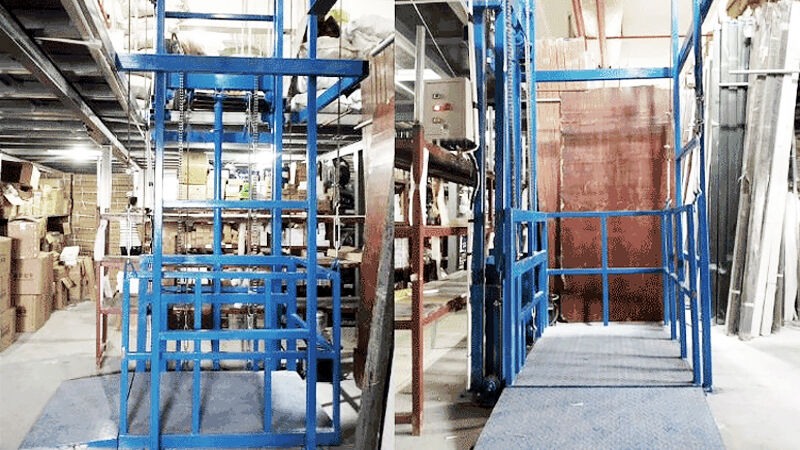
Professional Lifting and Material Handling Solutions - Advanced Equipment for Industrial Operations

Get a Free Quote

Our representative will contact you soon.
Email
Mobile/WhatsApp
Name
Company Name
Message
0/1000

lifting and material handling

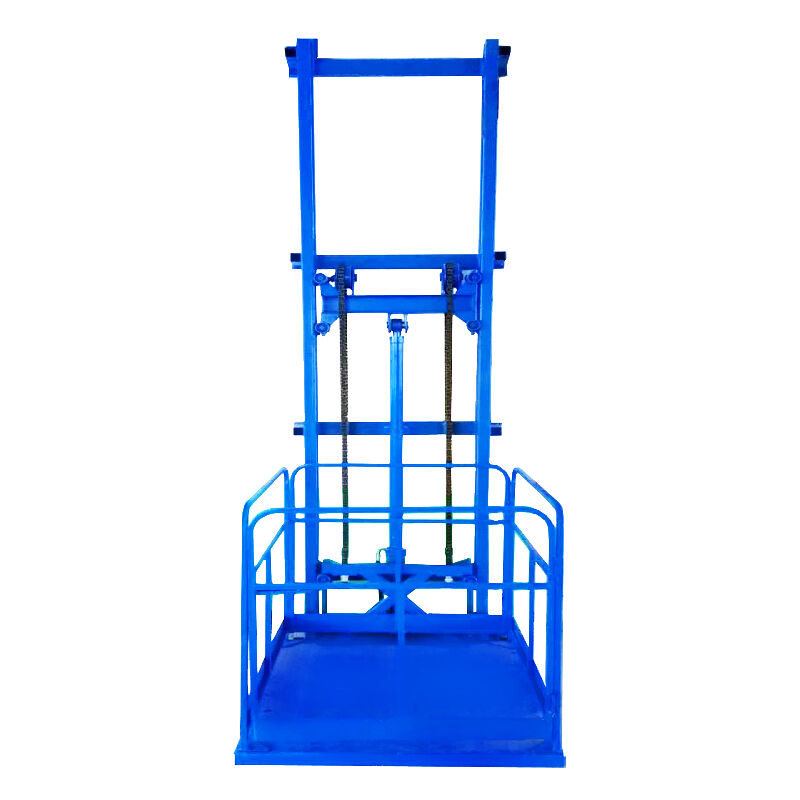
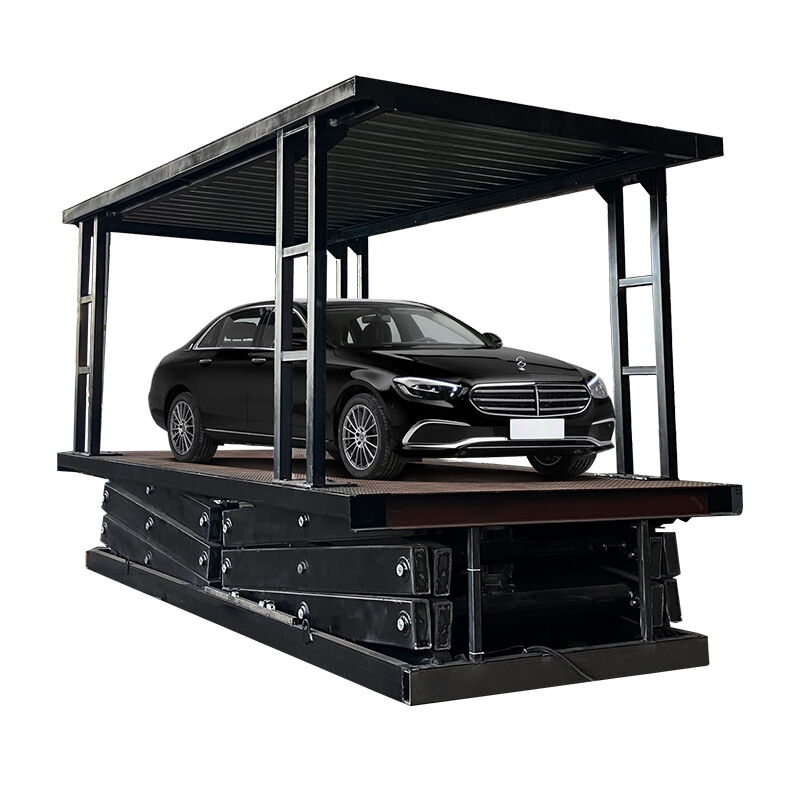
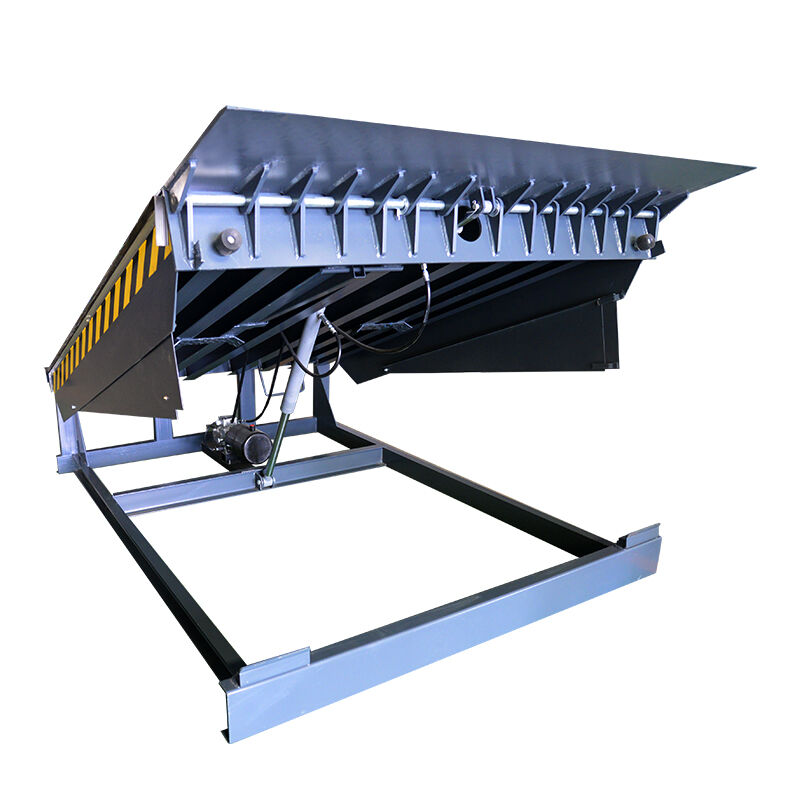
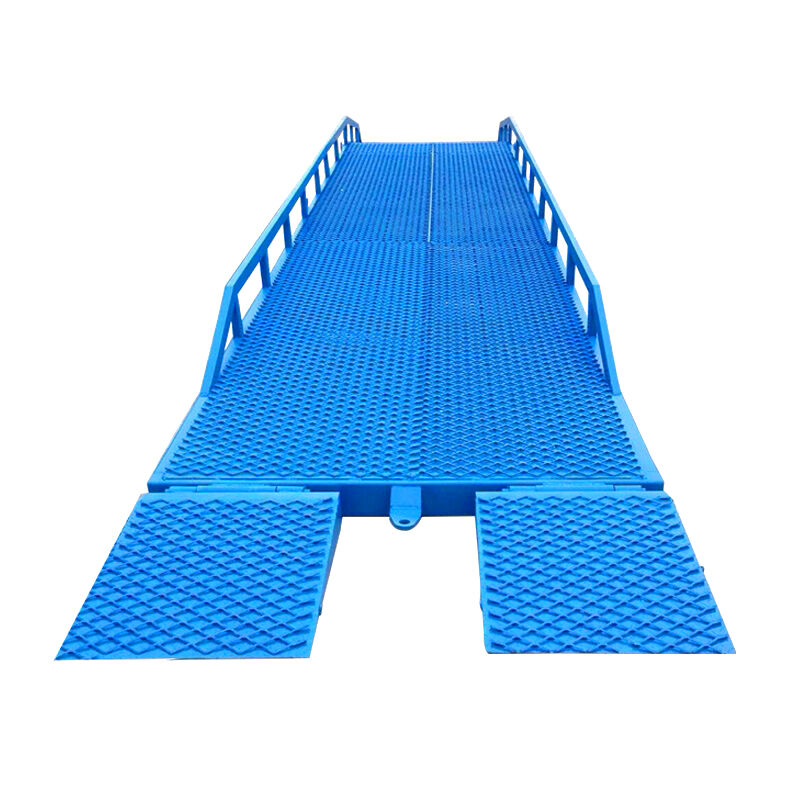
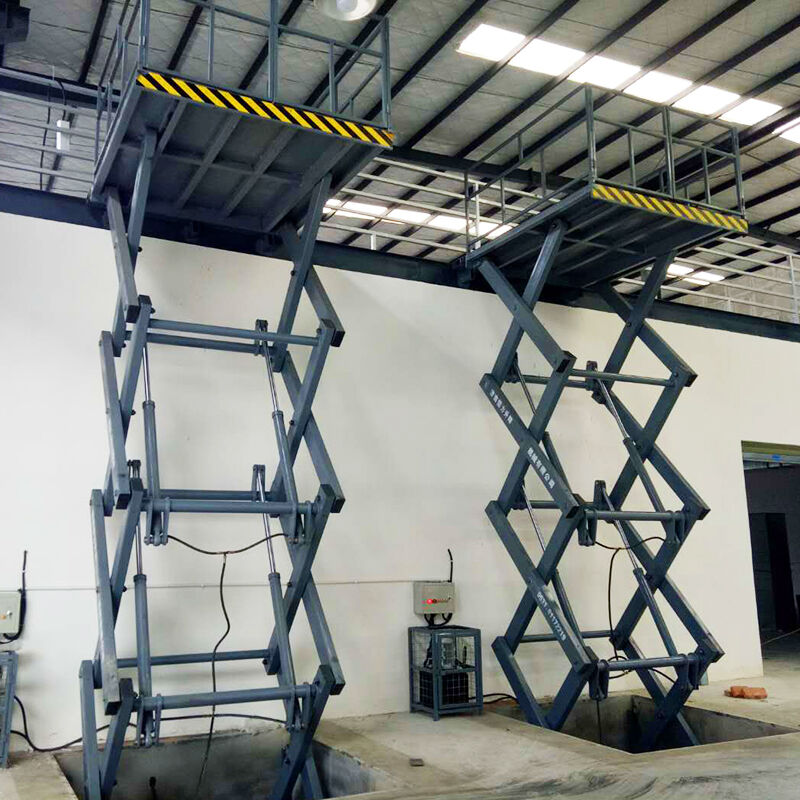
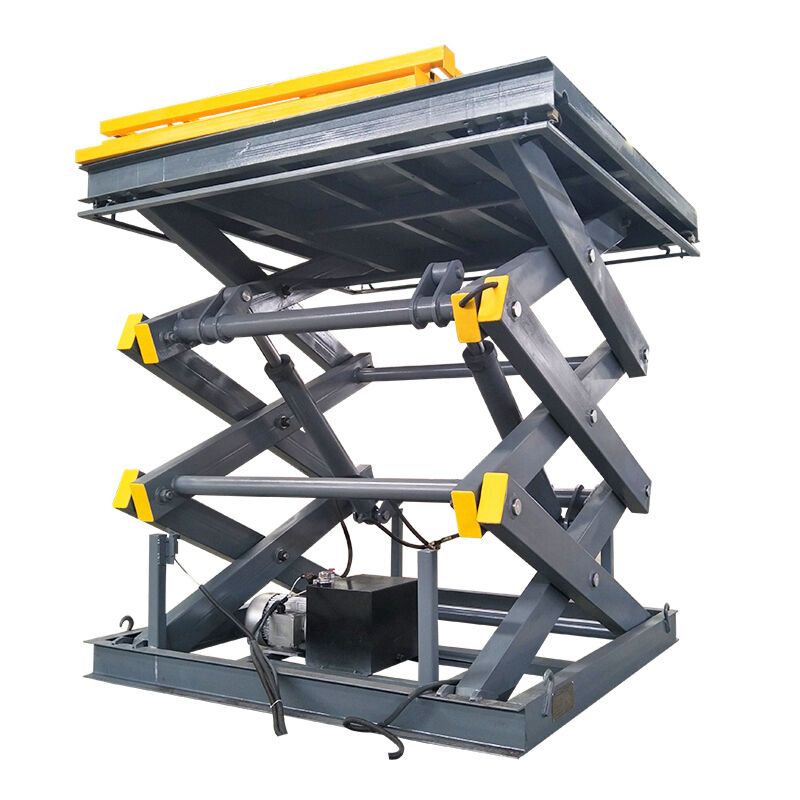
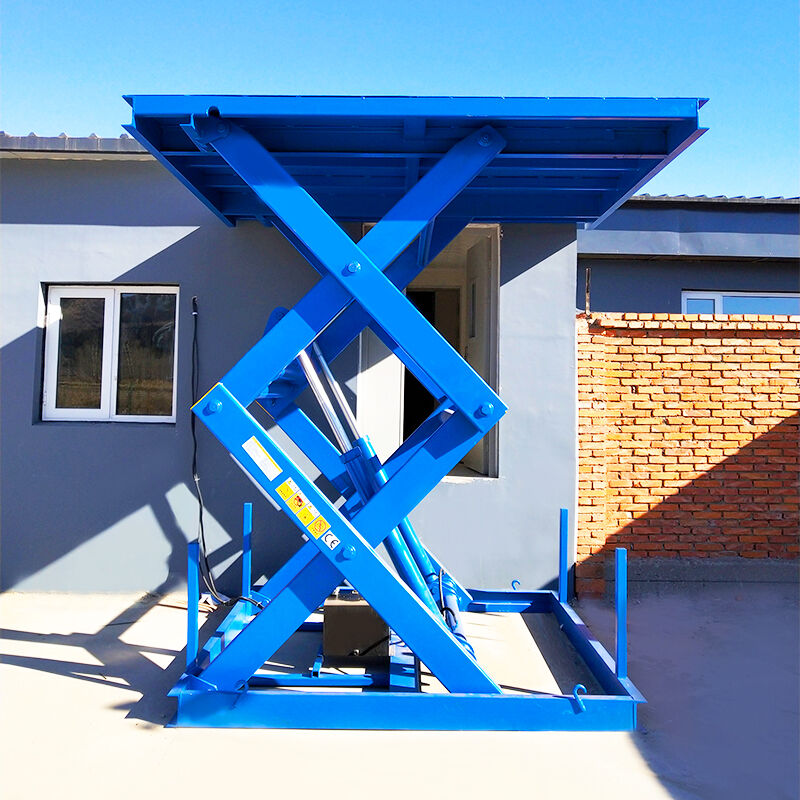
Lifting and material handling represents a comprehensive system of equipment, processes, and technologies designed to move, transport, control, and store materials efficiently within industrial, commercial, and construction environments. This essential infrastructure encompasses a wide range of machinery including cranes, hoists, conveyors, forklifts, aerial work platforms, and automated guided vehicles that collectively streamline operations across diverse industries. The primary functions of lifting and material handling systems focus on vertical and horizontal movement of goods, precise positioning of heavy objects, inventory management, and workplace safety enhancement. These systems integrate mechanical engineering principles with advanced control technologies to deliver reliable performance in demanding operational conditions. Modern lifting and material handling equipment incorporates sophisticated technological features such as computerized load monitoring systems, GPS tracking capabilities, remote control operations, and predictive maintenance algorithms that optimize performance while minimizing downtime. Smart sensors continuously monitor load weights, equipment status, and environmental conditions to ensure safe operations and prevent accidents. Variable frequency drives enable precise speed control and energy efficiency, while advanced hydraulic systems provide smooth lifting motions and accurate positioning. Digital interfaces allow operators to program complex movement patterns and monitor system performance in real-time. The applications of lifting and material handling span numerous sectors including manufacturing facilities, warehouses, distribution centers, construction sites, ports, mining operations, and retail environments. In manufacturing, these systems facilitate assembly line operations, raw material handling, and finished product storage. Construction projects rely on tower cranes, mobile cranes, and lifting equipment to position structural elements and transport materials to elevated work areas. Warehousing operations utilize automated storage and retrieval systems, conveyor networks, and material handling robots to process inventory efficiently. The integration of Internet of Things technology and artificial intelligence continues to revolutionize lifting and material handling capabilities, enabling predictive analytics, autonomous operations, and seamless integration with enterprise resource planning systems for optimized workflow management.

New Products

Lifting and material handling systems deliver substantial operational benefits that directly impact productivity, safety, and cost-effectiveness across various industries. These systems dramatically increase workflow efficiency by reducing manual labor requirements and accelerating material movement processes. Workers can accomplish tasks that would otherwise require multiple personnel or extended time periods, resulting in faster project completion and improved throughput. The precision control offered by modern lifting and material handling equipment ensures accurate positioning of materials, reducing waste and minimizing damage during transport operations. This accuracy translates to higher quality outcomes and reduced rework costs. Safety improvements represent another significant advantage, as these systems minimize worker exposure to hazardous lifting conditions and reduce the risk of workplace injuries. Automated safety features including overload protection, emergency stops, and collision avoidance systems create safer working environments while maintaining operational efficiency. Cost savings emerge through reduced labor expenses, decreased material waste, optimized space utilization, and lower insurance premiums due to improved safety records. The versatility of lifting and material handling equipment allows businesses to adapt to changing operational requirements without major infrastructure modifications. Energy efficiency features in modern systems reduce operational costs while supporting environmental sustainability goals. Predictive maintenance capabilities minimize unexpected breakdowns and extend equipment lifespan, providing better return on investment. The scalability of these systems enables businesses to expand operations without proportional increases in labor costs. Digital integration capabilities allow seamless coordination with existing business systems, providing real-time visibility into material flow and inventory levels. This connectivity enhances decision-making processes and enables proactive operational adjustments. Remote monitoring capabilities reduce the need for on-site supervision and enable centralized fleet management across multiple locations. The standardization of lifting and material handling processes improves consistency and quality control while reducing training requirements for new employees. Advanced ergonomic designs reduce operator fatigue and improve job satisfaction, contributing to better employee retention rates. The ability to handle diverse load types and weights makes these systems valuable investments that can adapt to evolving business needs and market demands.

Tips And Tricks

What Are the Advantages of Choosing a Custom Lift Manufacturer?

05

Mar

What Are the Advantages of Choosing a Custom Lift Manufacturer?

When businesses need vertical transportation solutions, they often face a critical decision: choose a standard, off-the-shelf lift system or partner with a custom lift manufacturer. While pre-engineered lifts may seem like the simpler option, working...
View More
Why Are Stationary Scissor Lifts Popular in Manufacturing Plants?

16

Mar

Why Are Stationary Scissor Lifts Popular in Manufacturing Plants?

Manufacturing plants worldwide have increasingly turned to stationary scissor lifts as essential equipment for their vertical material handling and access needs. These robust hydraulic platforms have become indispensable in modern industrial operatio...
View More
How Do Car Lifts for Home Garage Add Value to Real Estate Projects?

20

Mar

How Do Car Lifts for Home Garage Add Value to Real Estate Projects?

Car lifts for home garage installations have emerged as a premium feature that significantly enhances property value in today's competitive real estate market. These sophisticated automotive storage solutions transform ordinary residential garages in...
View More
What Are the Key Benefits of Installing a Goods Lift in Factories?

30

Mar

What Are the Key Benefits of Installing a Goods Lift in Factories?

In today’s highly competitive industrial environment, factories are under constant pressure to improve operational efficiency, reduce labor costs, and ensure workplace safety. One of the most practical solutions adopted by modern manufactu...
View More

Get a Free Quote

Our representative will contact you soon.
Email
Mobile/WhatsApp
Name
Company Name
Message
0/1000

lifting and material handling

Advanced Safety Technology and Operator Protection

Advanced Safety Technology and Operator Protection

Modern lifting and material handling systems prioritize safety through sophisticated technological innovations that protect both operators and surrounding personnel. These systems incorporate multiple layers of safety mechanisms including load moment indicators that continuously calculate maximum safe lifting capacities based on boom angle, radius, and load weight. Anti-two-block systems prevent dangerous contact between the load block and boom head, while rated capacity indicators provide real-time warnings when approaching operational limits. Advanced collision avoidance systems utilize proximity sensors and cameras to detect obstacles and automatically adjust movements or halt operations when necessary. Emergency stop systems can be activated from multiple locations, ensuring immediate response to potential hazards. Ground-bearing pressure monitoring prevents equipment operation on unstable surfaces, while automatic leveling systems maintain stability during lifting operations. Operator cabin designs feature reinforced structures, improved visibility through panoramic windows, and ergonomic controls that reduce fatigue and enhance precision. ROPS and FOPS certification ensures protection against rollover and falling object incidents. Smart diagnostics continuously monitor hydraulic pressure, engine performance, and structural integrity, alerting operators to potential issues before they become safety hazards. GPS tracking and telematics provide fleet managers with real-time equipment status and operator behavior data, enabling proactive safety management and training interventions. These comprehensive safety features significantly reduce workplace accidents, lower insurance costs, and ensure compliance with stringent industry regulations. The integration of artificial intelligence enables predictive safety analytics that identify potential risks before they occur, allowing for preventive measures that protect personnel and equipment. This commitment to safety not only protects human resources but also minimizes project delays and liability exposure, making lifting and material handling systems essential investments for responsible businesses.
Precision Control and Operational Efficiency

Precision Control and Operational Efficiency

The precision control capabilities of modern lifting and material handling systems revolutionize operational efficiency by enabling exact positioning and smooth material movement that traditional manual methods cannot achieve. Variable frequency drives provide infinitely adjustable speed control, allowing operators to match equipment performance to specific task requirements while optimizing fuel consumption and reducing wear on mechanical components. Proportional joystick controls offer intuitive operation with precise response characteristics that enable delicate positioning of heavy loads. Load sway control systems automatically dampen pendulum motion, reducing cycle times and improving accuracy during material placement. Programmable positioning systems can store multiple preset locations, enabling repeatable movements that enhance consistency and reduce operator training requirements. Real-time load monitoring displays provide continuous feedback on weight distribution and center of gravity, enabling optimal load handling strategies. Digital displays show precise measurements for height, radius, and angle, eliminating guesswork and improving operational accuracy. Electronic load block positioning systems enable precise vertical placement within millimeters, critical for assembly operations and tight tolerance applications. Smooth hydraulic systems with advanced filtration maintain consistent performance across varying temperature and operational conditions. Integrated work lights and cameras enhance visibility during night operations and confined space applications. Remote control capabilities allow operators to position themselves optimally for visibility and safety while maintaining precise control over equipment movements. These precision features enable complex lifting scenarios including tandem lifts, precise assembly operations, and delicate material handling that would be impossible with conventional equipment. The resulting operational efficiency translates to faster project completion, reduced labor costs, and improved quality outcomes that justify the investment in advanced lifting and material handling technology.
Versatility and Adaptability Across Industries

Versatility and Adaptability Across Industries

The versatility of lifting and material handling systems makes them invaluable assets across diverse industries, offering adaptable solutions that can be customized to meet specific operational requirements and evolving business needs. Modular attachment systems enable quick conversion between different functions, such as switching from material handling to personnel lifting or specialized tasks like glass installation or steel erection. Interchangeable implements including various hook configurations, spreader beams, lifting magnets, and vacuum systems expand operational capabilities without requiring additional equipment investments. Telescopic booms provide variable reach capabilities that adapt to changing site conditions and space constraints, while articulating boom designs offer enhanced maneuverability in confined areas. Multiple power options including diesel, electric, and hybrid systems enable operation in diverse environments from outdoor construction sites to indoor manufacturing facilities with emission restrictions. Compact designs allow operation in space-constrained environments while maintaining lifting capacities suitable for demanding applications. All-terrain capabilities enable deployment across various ground conditions from rough construction sites to smooth warehouse floors. Automated programming features can be customized for repetitive operations, improving consistency while reducing operator skill requirements. Integration capabilities with building management systems, inventory control software, and project management platforms provide seamless workflow coordination. Seasonal adaptability through cab heating, air conditioning, and weather protection systems ensures year-round productivity in varying climatic conditions. Training simulation capabilities reduce learning curves for new operators while maintaining safety standards. The ability to handle diverse load types including fragile materials, hazardous substances, and oversized components makes these systems suitable for specialized applications across manufacturing, construction, logistics, and service industries. This versatility ensures long-term value and return on investment as businesses grow and diversify their operations, making lifting and material handling systems strategic assets rather than simple equipment purchases.

Get a Free Quote

Our representative will contact you soon.
Email
Mobile/WhatsApp
Name
Company Name
Message
0/1000