Professional Goods Elevator Systems - Heavy-Duty Freight Transportation Solutions

Get a Free Quote

Our representative will contact you soon.
Email
Mobile/WhatsApp
Name
Company Name
Message
0/1000

goods elevator

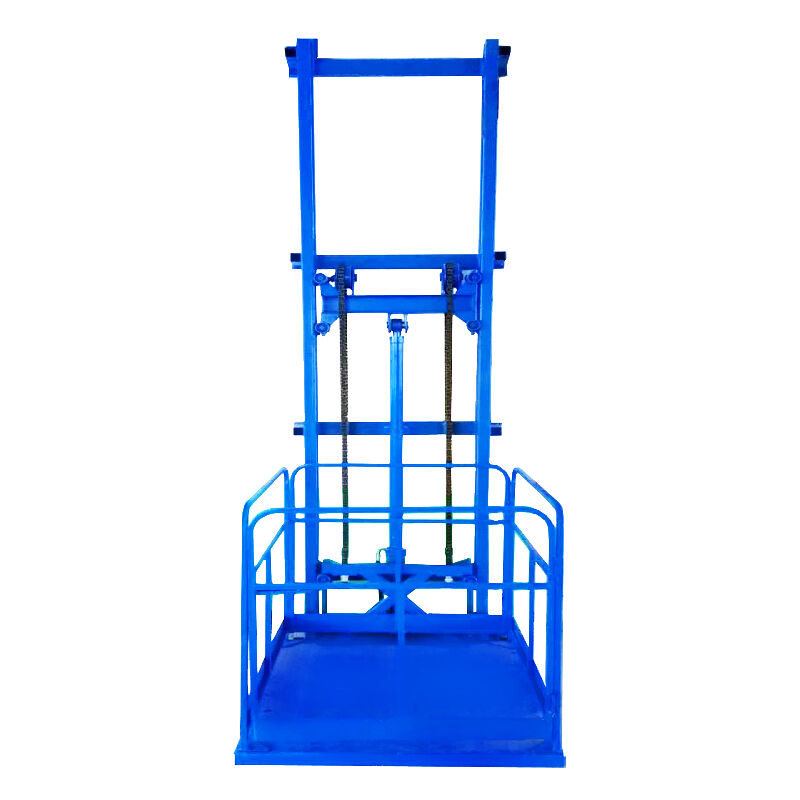
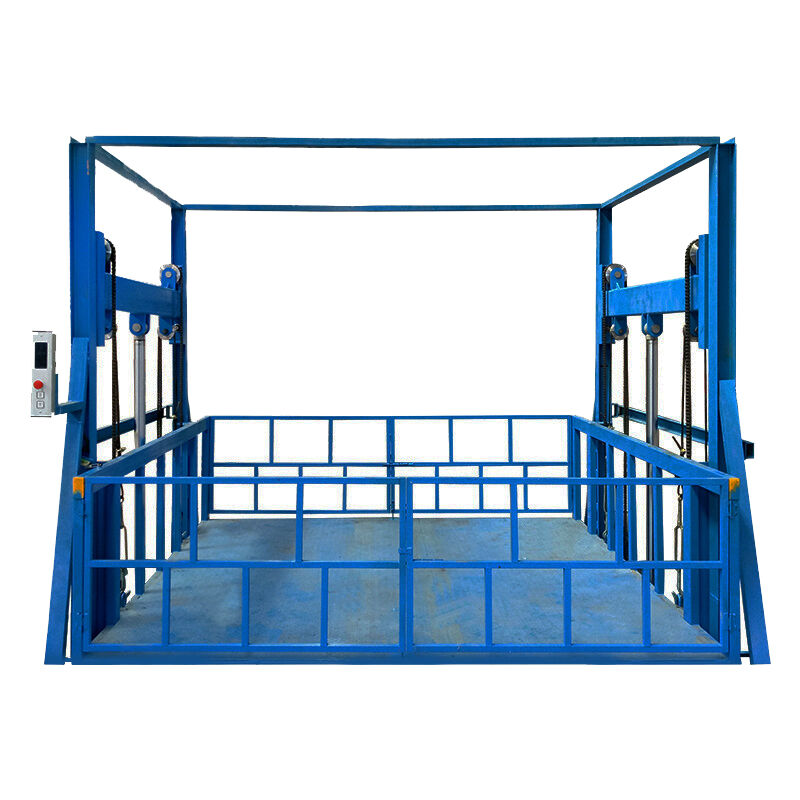
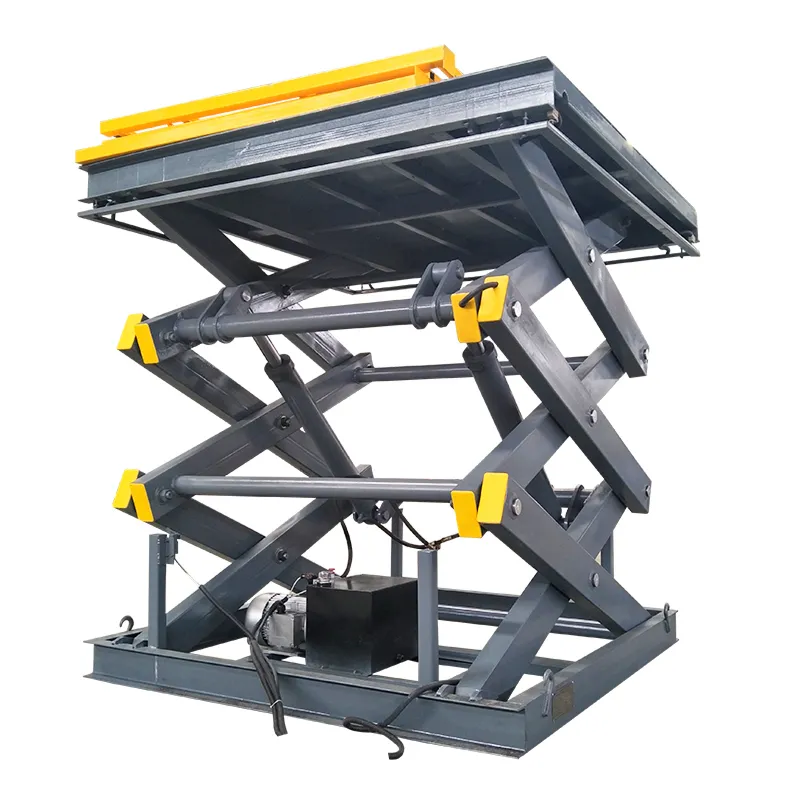
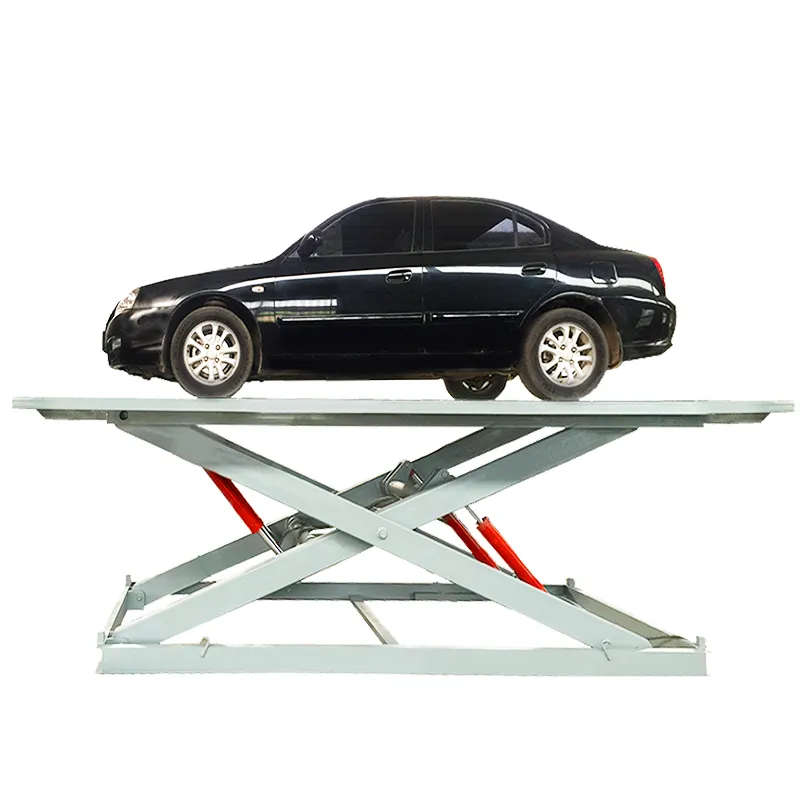
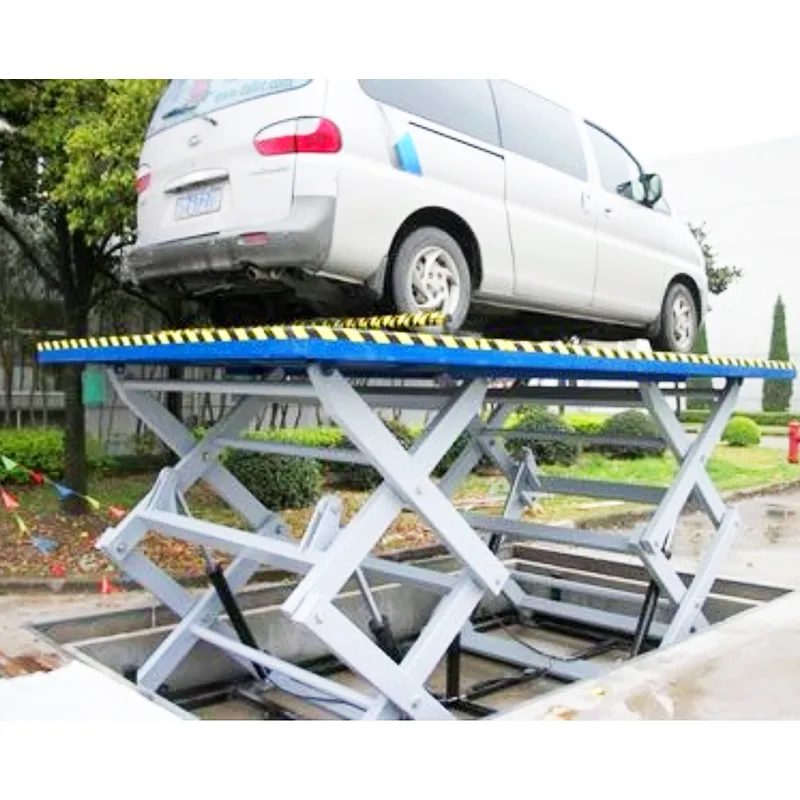
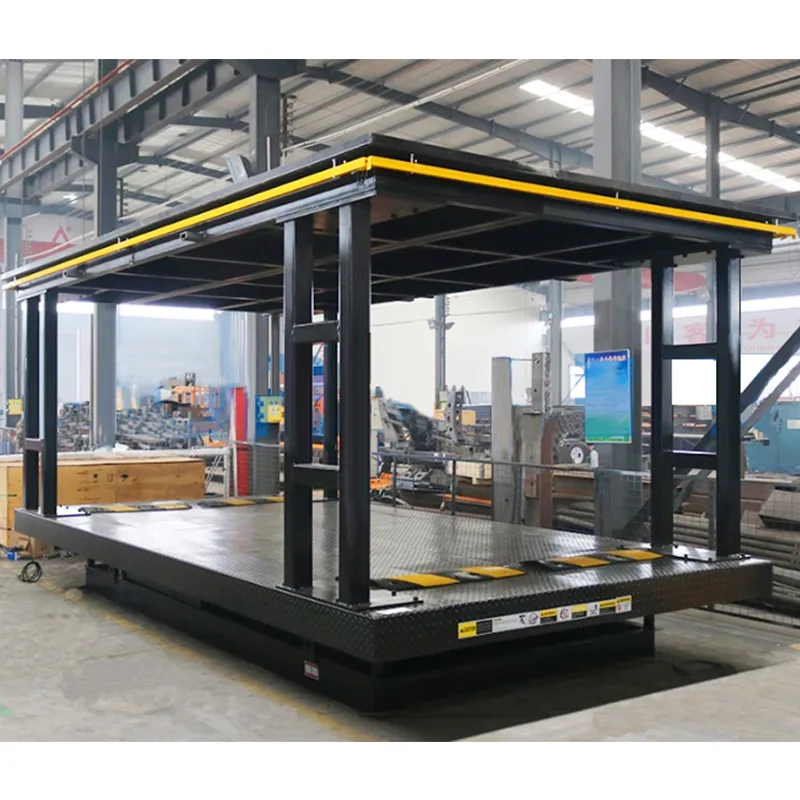
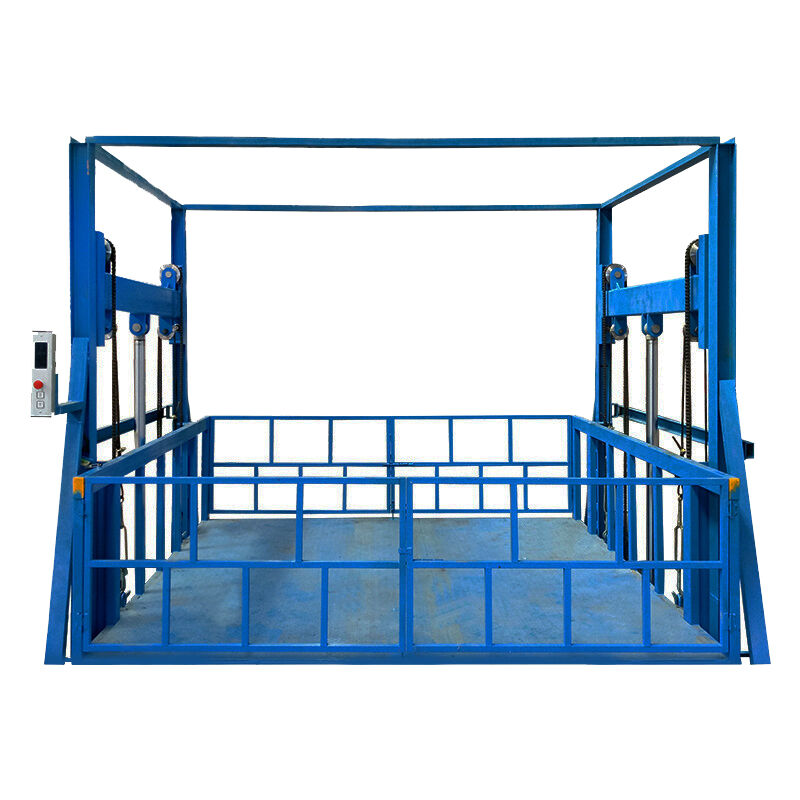
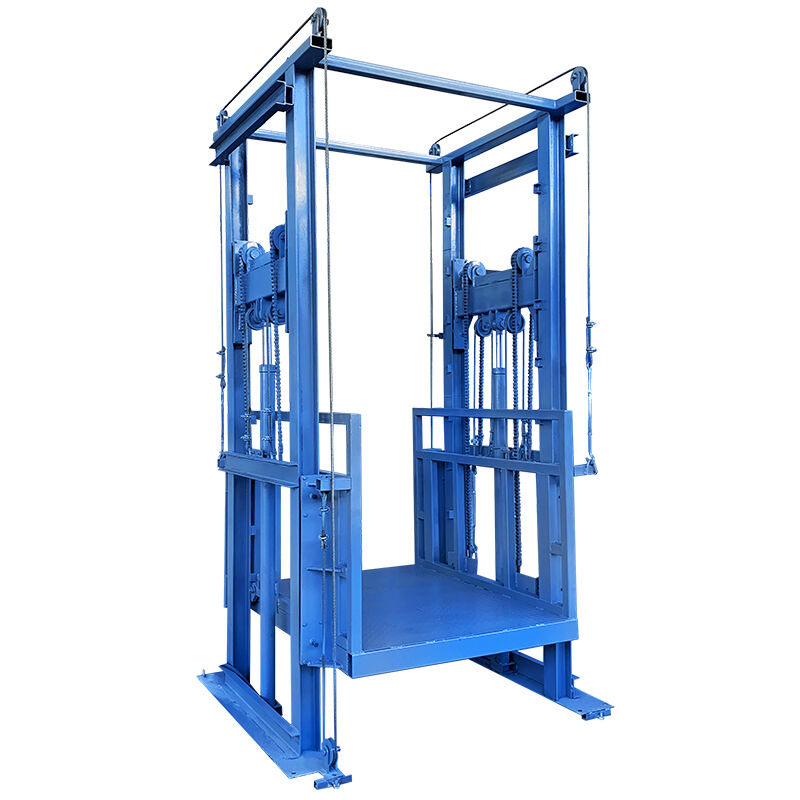
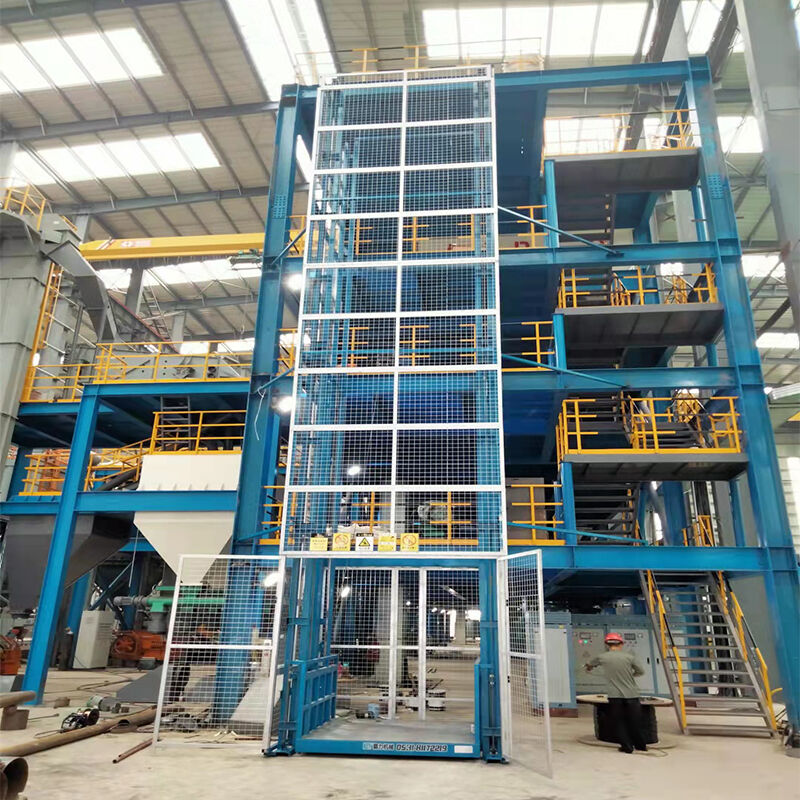
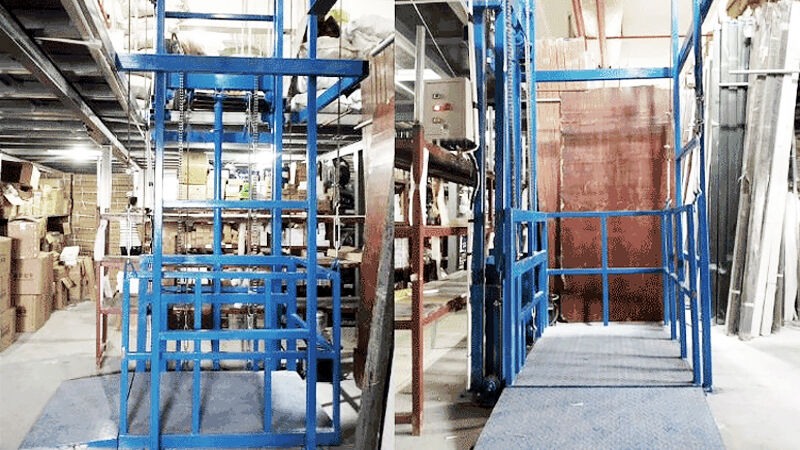
A goods elevator represents a specialized vertical transportation system engineered specifically for moving freight, materials, and heavy cargo between different floors of buildings. Unlike passenger elevators, these robust machines prioritize load capacity and durability over aesthetic appeal and comfort features. The primary function of a goods elevator centers on efficiently transporting substantial weights ranging from several hundred pounds to multiple tons, depending on the specific model and configuration. These elevators feature reinforced steel construction, heavy-duty cables, and powerful motor systems designed to handle demanding industrial applications. The technological framework incorporates advanced safety mechanisms including emergency braking systems, overload protection sensors, and precise positioning controls that ensure accurate floor-to-floor alignment. Modern goods elevator systems utilize sophisticated hydraulic or traction drive mechanisms, with many incorporating variable frequency drives for smooth acceleration and deceleration cycles. The control panels feature intuitive interfaces allowing operators to select destination floors while monitoring load status and system diagnostics. Safety features include protective barriers, emergency stop buttons, and automatic door systems that prevent accidents during loading operations. Applications span across numerous industries including manufacturing facilities, warehouses, distribution centers, hospitals, hotels, retail establishments, and construction sites. In manufacturing environments, goods elevator systems facilitate the movement of raw materials, finished products, and heavy machinery between production floors. Warehouse operations rely on these elevators to efficiently transfer inventory between storage levels, optimizing space utilization and workflow efficiency. Healthcare facilities use specialized goods elevator units to transport medical equipment, supplies, and patient beds while maintaining sterile conditions. The construction industry benefits from temporary goods elevator installations that enable material transport during building projects, significantly reducing manual labor requirements and improving project timelines.

Popular Products

The implementation of a goods elevator system delivers substantial operational benefits that directly impact productivity and cost-effectiveness across various industries. These specialized transportation systems eliminate the physical strain associated with manual material handling, reducing workplace injuries and associated compensation costs while improving employee satisfaction and retention rates. The time savings achieved through automated vertical transport dramatically increases operational efficiency, allowing workers to focus on core business activities rather than labor-intensive material movement tasks. A typical goods elevator can transport loads equivalent to multiple manual trips in a single operation, multiplying productivity levels and reducing overall project completion times. The precision control systems ensure consistent and reliable performance, minimizing product damage during transport and reducing replacement costs for sensitive materials and equipment. Energy efficiency represents another significant advantage, as modern goods elevator systems incorporate advanced motor technologies and regenerative braking systems that reduce power consumption compared to alternative material handling methods. The space optimization benefits cannot be overstated, as vertical transport solutions maximize facility utilization by enabling multi-level storage and production configurations that would otherwise require larger horizontal footprints. Safety improvements extend beyond worker protection to include enhanced security for valuable inventory and equipment during transport, with enclosed elevator shafts providing protection from environmental factors and unauthorized access. Maintenance requirements remain minimal due to robust construction and quality components, resulting in lower long-term operational costs and reduced downtime for repairs. The versatility of goods elevator systems allows for customization to specific industry requirements, including specialized platforms, loading configurations, and environmental controls for temperature-sensitive materials. Investment in a quality goods elevator system provides measurable returns through increased throughput capacity, reduced labor costs, improved safety records, and enhanced operational flexibility. These elevators adapt to changing business needs, supporting expansion plans and evolving operational requirements without requiring complete system replacement. The professional appearance and smooth operation of modern goods elevator installations also contribute to improved facility aesthetics and client impressions during business visits.

Tips And Tricks

How Does an Industrial Lift Support High-Load Transportation Tasks?

10

Mar

How Does an Industrial Lift Support High-Load Transportation Tasks?

Industrial facilities across manufacturing, warehousing, and logistics sectors face constant challenges in moving heavy materials between different floor levels efficiently and safely. The mechanism by which an industrial lift handles high-load trans...
View More
Why Are Stationary Scissor Lifts Popular in Manufacturing Plants?

16

Mar

Why Are Stationary Scissor Lifts Popular in Manufacturing Plants?

Manufacturing plants worldwide have increasingly turned to stationary scissor lifts as essential equipment for their vertical material handling and access needs. These robust hydraulic platforms have become indispensable in modern industrial operatio...
View More
How Do Car Lifts for Home Garage Add Value to Real Estate Projects?

20

Mar

How Do Car Lifts for Home Garage Add Value to Real Estate Projects?

Car lifts for home garage installations have emerged as a premium feature that significantly enhances property value in today's competitive real estate market. These sophisticated automotive storage solutions transform ordinary residential garages in...
View More
What Are the Key Benefits of Installing a Goods Lift in Factories?

30

Mar

What Are the Key Benefits of Installing a Goods Lift in Factories?

In today’s highly competitive industrial environment, factories are under constant pressure to improve operational efficiency, reduce labor costs, and ensure workplace safety. One of the most practical solutions adopted by modern manufactu...
View More

Get a Free Quote

Our representative will contact you soon.
Email
Mobile/WhatsApp
Name
Company Name
Message
0/1000

goods elevator

Heavy-Duty Load Capacity and Structural Integrity

Heavy-Duty Load Capacity and Structural Integrity

The exceptional load-bearing capabilities of a goods elevator system represent its most defining characteristic, setting these specialized machines apart from standard passenger elevators through robust engineering and industrial-grade construction. Advanced goods elevator designs accommodate loads ranging from 2,000 pounds for light commercial applications to over 20,000 pounds for heavy industrial operations, with some specialized units handling even greater capacities for unique applications. The structural foundation begins with reinforced steel framework construction that distributes weight evenly across the building structure, ensuring long-term stability and preventing structural damage over years of continuous operation. High-strength steel cables and chains provide primary lifting mechanisms, with safety factors typically exceeding industry standards by substantial margins to guarantee reliable performance under maximum load conditions. The platform construction utilizes heavy-gauge steel plating with reinforcement ribs and structural supports that prevent flexing or deformation even when loaded to capacity with irregularly distributed weights. Hydraulic systems in goods elevator installations feature oversized cylinders and high-pressure pumps that deliver consistent lifting power while maintaining precise control throughout the entire vertical travel range. The guide rail systems incorporate hardened steel components with precision alignment that prevents lateral movement during operation, ensuring smooth transport even with off-center loads that might destabilize less robust systems. Safety mechanisms include multiple redundant systems such as overspeed governors, emergency brakes, and load monitoring sensors that immediately halt operation if parameters exceed safe limits. The durability advantages extend to electrical components, with industrial-grade motors, controllers, and wiring systems designed for continuous duty cycles in demanding environments where standard equipment would fail prematurely. Regular maintenance requirements remain minimal due to quality component selection and robust design principles, resulting in extended service life and reduced total cost of ownership compared to lighter-duty alternatives that require frequent repairs and component replacement.
Advanced Safety Systems and Operational Reliability

Advanced Safety Systems and Operational Reliability

Modern goods elevator installations incorporate comprehensive safety technologies that exceed standard building codes and industry requirements, providing multiple layers of protection for operators, equipment, and transported materials through sophisticated monitoring and control systems. The primary safety framework includes emergency stop mechanisms positioned at multiple locations throughout the system, allowing immediate shutdown from any access point during loading, unloading, or maintenance operations. Overload protection sensors continuously monitor platform weight and automatically prevent operation when loads exceed safe parameters, protecting both the elevator mechanism and building structure from potentially dangerous stress conditions. Door interlock systems ensure that elevator movement cannot occur while access doors remain open, preventing accidents during loading operations and protecting personnel from moving machinery. Emergency communication systems provide direct contact with building management or emergency services, featuring battery backup power to maintain functionality during electrical outages or system malfunctions. Fire safety integration connects goods elevator controls to building fire alarm systems, automatically returning units to designated floors and disabling normal operation during emergency situations. Seismic safety features include specialized sensors that detect ground movement and automatically engage safety brakes to prevent elevator movement during earthquakes or structural vibrations. The backup power systems ensure continued operation during electrical disruptions, utilizing battery backup or emergency generators to complete transport cycles and return platforms to safe positions. Preventive maintenance monitoring utilizes advanced diagnostic systems that track component wear, operating cycles, and performance parameters to predict maintenance needs before failures occur. Regular safety inspections follow rigorous protocols established by elevator safety authorities, with certified technicians performing comprehensive evaluations of all mechanical, electrical, and safety systems. The reliability advantages extend to consistent performance under varying load conditions, temperature fluctuations, and continuous duty cycles that characterize industrial and commercial applications where downtime results in significant operational disruptions and financial losses.
Customizable Design Options and Versatile Applications

Customizable Design Options and Versatile Applications

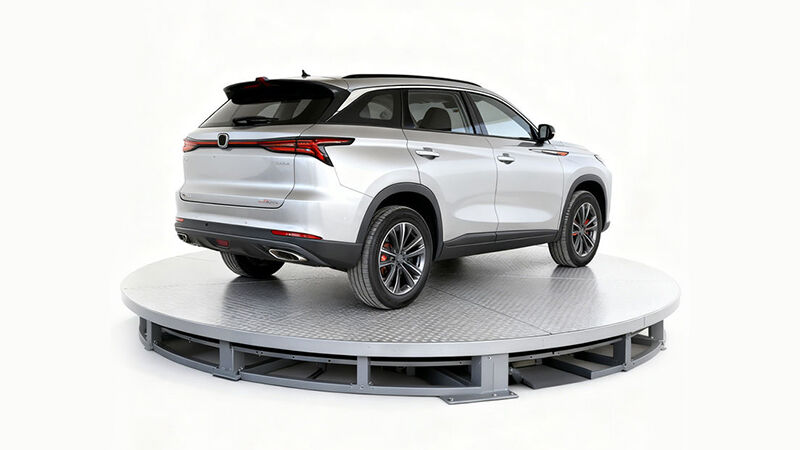
The adaptability of goods elevator systems enables customization for diverse industry requirements and specific operational needs, providing tailored solutions that optimize efficiency and functionality across numerous commercial and industrial applications. Platform configurations range from standard rectangular designs to specialized shapes that accommodate unique cargo dimensions, including extended platforms for long materials, circular platforms for cylindrical equipment, and multi-level platforms for simultaneous transport of different load types. Loading door options include single-side access for standard warehouse applications, through-loading configurations with doors on opposite sides for continuous flow operations, and multiple door arrangements that provide access from several directions to maximize operational flexibility. Height specifications accommodate buildings ranging from two-story commercial structures to high-rise industrial facilities, with travel distances extending up to several hundred feet for specialized applications such as mining operations or tall manufacturing facilities. Speed settings vary according to application requirements, with slower speeds for delicate materials and faster operation for routine cargo transport, all while maintaining precise positioning accuracy for efficient loading and unloading procedures. Environmental customization addresses specific industry needs including food-grade stainless steel construction for pharmaceutical and food processing facilities, explosion-proof electrical components for hazardous material handling, and climate-controlled enclosures for temperature-sensitive cargo transport. Integration capabilities allow goods elevator systems to connect with existing material handling equipment including conveyor systems, automated storage and retrieval systems, and robotic loading mechanisms for seamless workflow optimization. Control system options range from simple push-button operation for basic applications to sophisticated programmable logic controllers that integrate with building management systems and enterprise resource planning software for automated material tracking and scheduling. The installation flexibility accommodates various building types including new construction projects where elevator shafts are incorporated into structural design, retrofitting existing buildings with minimal structural modifications, and temporary installations for construction projects or seasonal operations requiring portable material transport solutions.

Get a Free Quote

Our representative will contact you soon.
Email
Mobile/WhatsApp
Name
Company Name
Message
0/1000