Heavy Duty Goods Lift Solutions - Industrial Vertical Transportation Systems

Get a Free Quote

Our representative will contact you soon.
Email
Mobile/WhatsApp
Name
Company Name
Message
0/1000

heavy duty goods lift

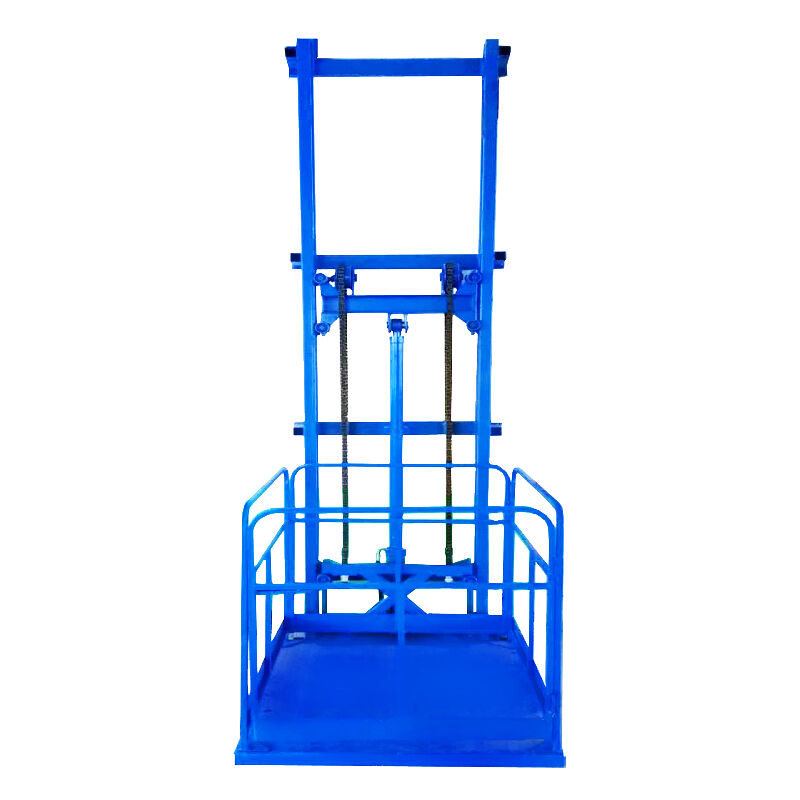
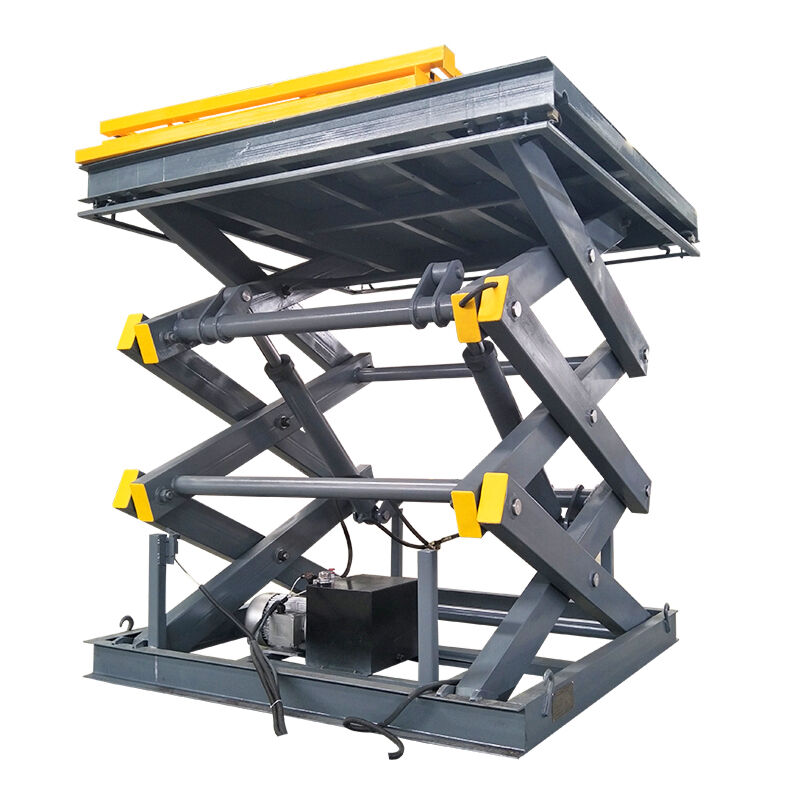
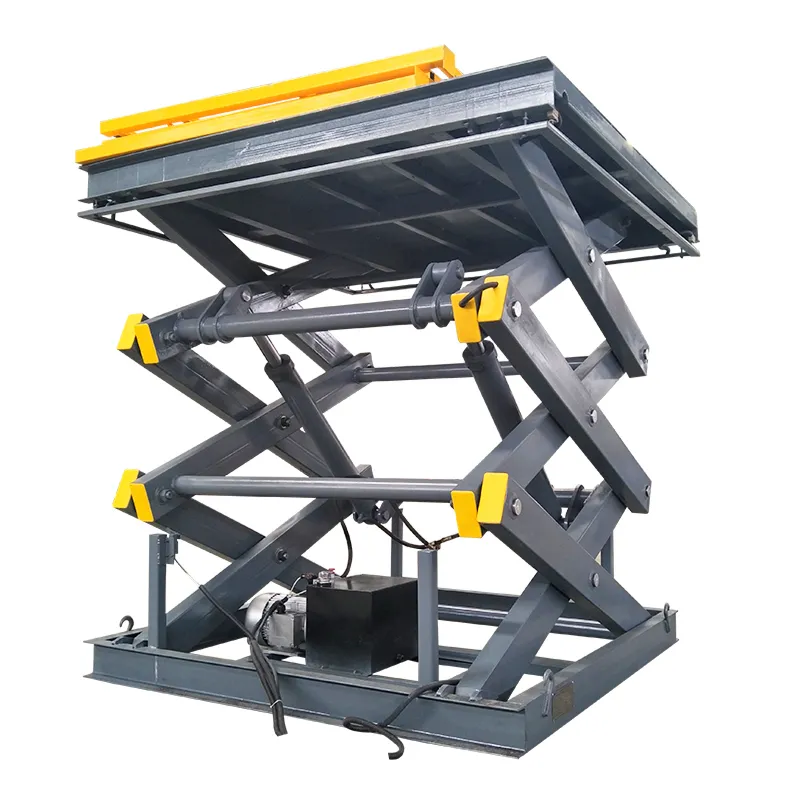
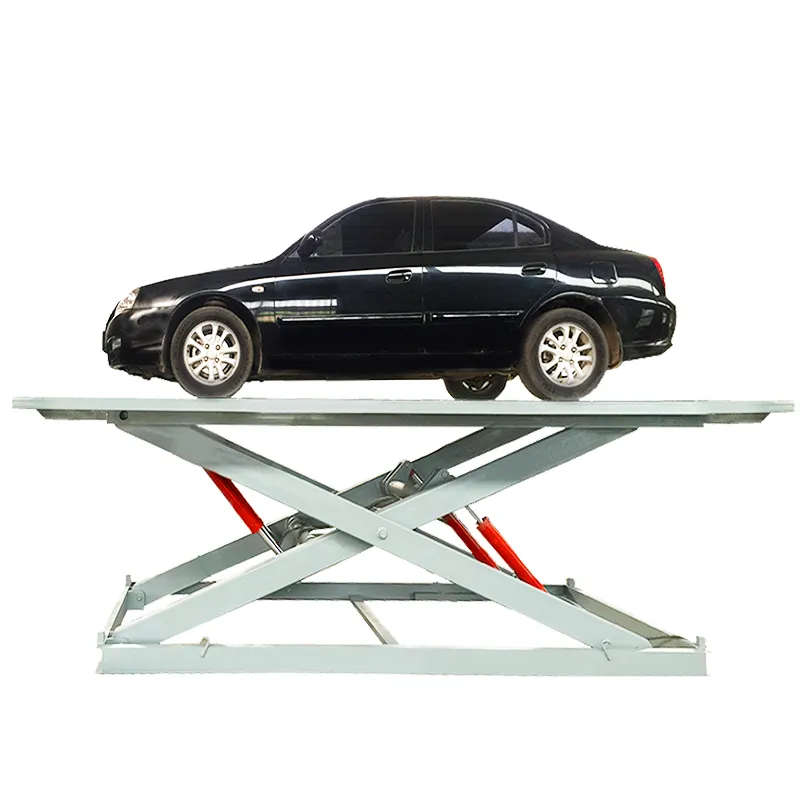
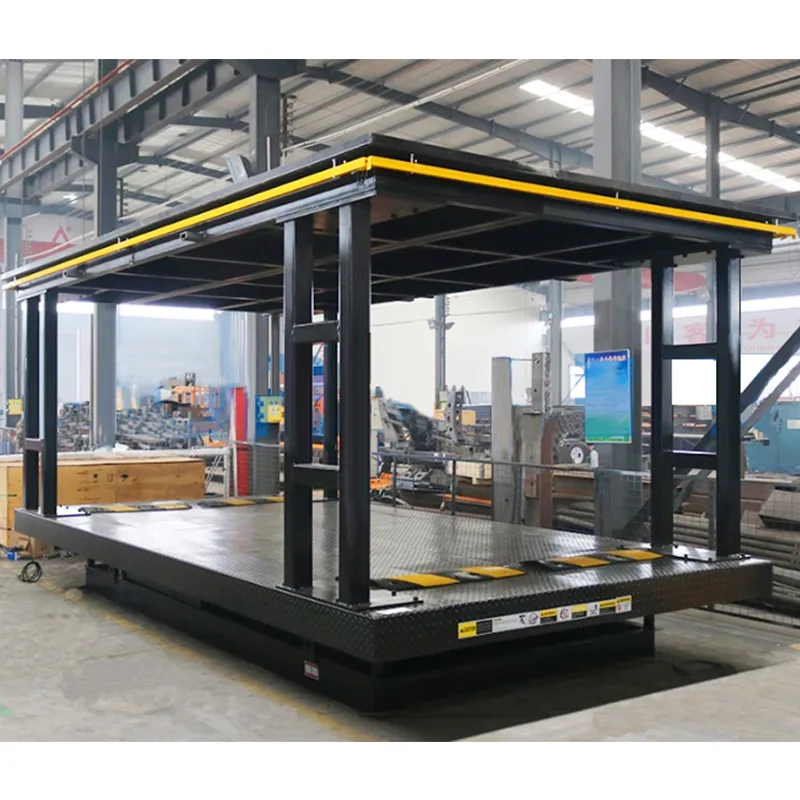
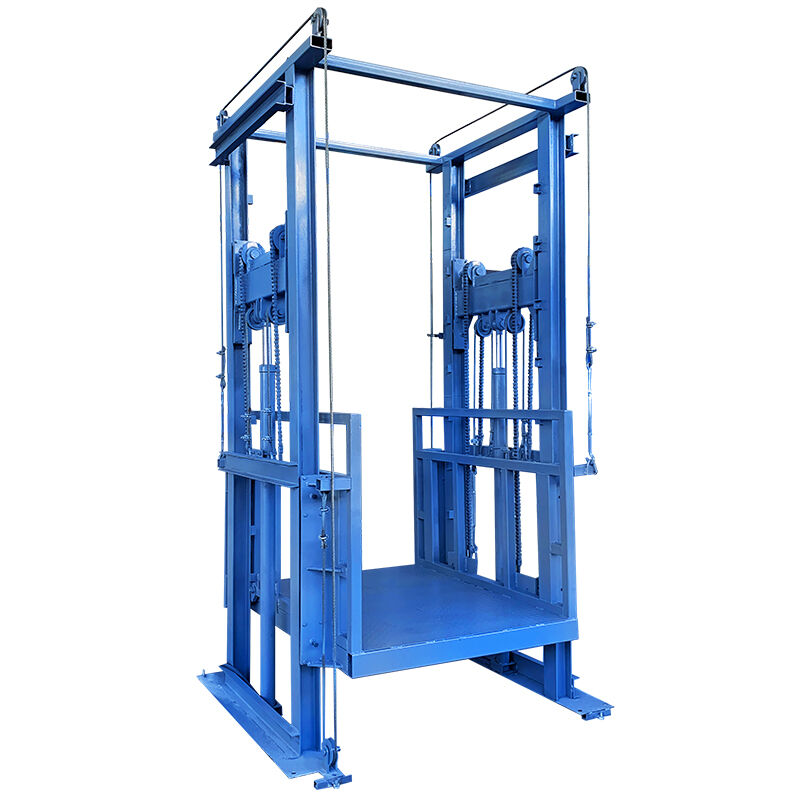
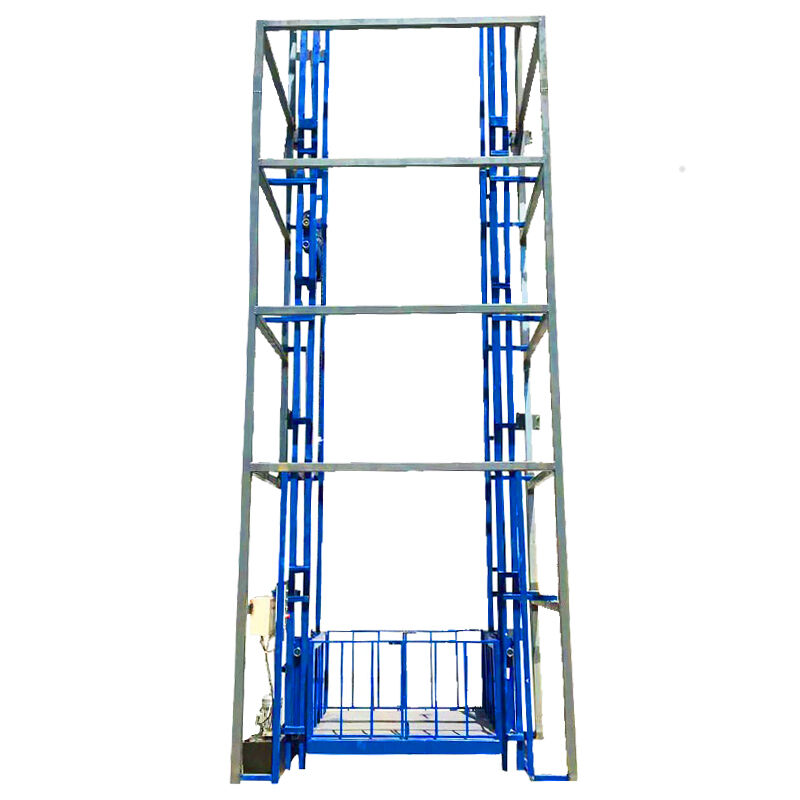
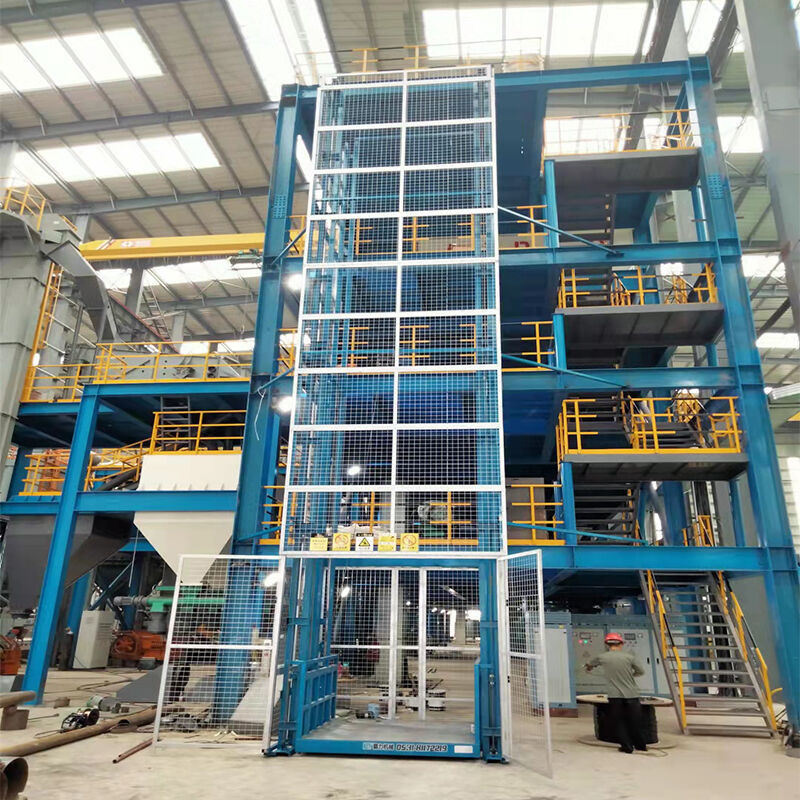
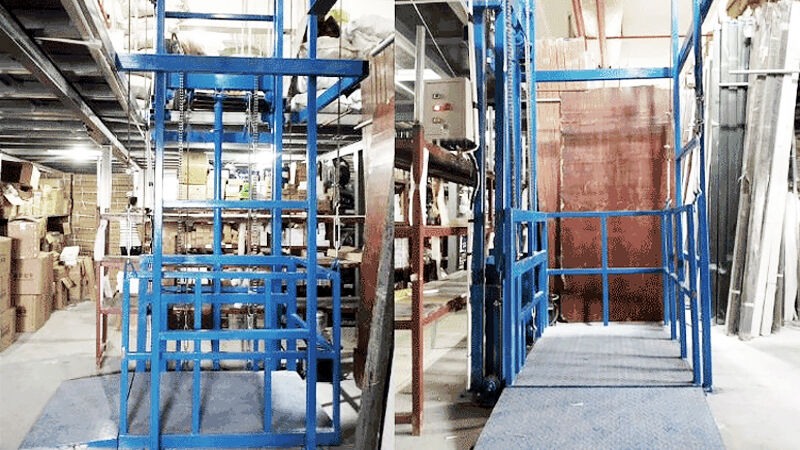
A heavy duty goods lift represents a sophisticated vertical transportation solution engineered specifically for moving substantial loads between different floor levels in commercial, industrial, and warehouse environments. These robust mechanical systems are designed to handle weights that far exceed the capacity of standard elevators, typically accommodating loads ranging from 1,000 to 10,000 kilograms or more. The primary function of a heavy duty goods lift centers on efficient vertical material handling, enabling businesses to transport heavy equipment, bulk materials, manufactured products, and oversized items safely between floors. The technological architecture of these lifts incorporates reinforced steel construction, high-capacity hydraulic or traction systems, and advanced safety mechanisms to ensure reliable operation under demanding conditions. Modern heavy duty goods lift systems feature programmable logic controllers that provide precise positioning, smooth acceleration and deceleration curves, and comprehensive diagnostic capabilities. The control systems often include variable frequency drives that optimize energy consumption while maintaining consistent performance across different load conditions. Safety features are paramount in these installations, incorporating multiple redundant systems such as emergency brakes, overload protection, door interlocks, and limit switches that prevent unauthorized operation. The platform design typically features non-slip surfaces, adjustable guide rails, and protective barriers to secure cargo during transport. Applications for heavy duty goods lift systems span numerous industries including manufacturing facilities, automotive plants, pharmaceutical companies, food processing centers, retail distribution warehouses, and construction sites. These installations prove particularly valuable in multi-story production facilities where raw materials must be transported to upper floors for processing, or finished goods need movement to ground-level shipping areas. The versatility of heavy duty goods lift configurations allows customization for specific operational requirements, including platform dimensions, lifting heights, and specialized features such as explosion-proof construction for hazardous environments or clean room compatibility for sterile manufacturing processes.

New Products

Heavy duty goods lift systems deliver exceptional operational benefits that transform material handling efficiency across diverse industrial applications. These lifts significantly reduce manual labor requirements by eliminating the need for workers to carry heavy items up and down stairs, thereby minimizing workplace injuries and reducing insurance costs. The automated nature of these systems allows single operators to manage substantial loads that would otherwise require multiple personnel, resulting in considerable labor cost savings and improved productivity. Time efficiency represents another crucial advantage, as heavy duty goods lift installations enable rapid vertical transportation of materials, eliminating bottlenecks in production workflows and accelerating order fulfillment processes. Companies experience dramatic improvements in operational throughput when implementing these systems, often seeing productivity increases of 30-50 percent in material handling operations. Space utilization benefits emerge from the compact footprint of modern heavy duty goods lift designs, which require minimal floor space compared to ramps or conveyor systems while providing equivalent vertical transportation capacity. The reliability of these systems ensures consistent operation with minimal downtime, supported by robust construction materials and redundant safety mechanisms that prevent costly operational interruptions. Maintenance requirements remain relatively low due to the durable engineering and quality components used in heavy duty goods lift construction, with many systems operating effectively for decades with proper servicing. Energy efficiency has improved significantly in contemporary models, incorporating regenerative braking systems and variable speed controls that reduce electrical consumption while maintaining optimal performance. The precision control capabilities of modern heavy duty goods lift systems enable gentle handling of fragile or sensitive materials, reducing product damage and associated replacement costs. Flexibility in installation options allows these lifts to be integrated into existing structures or incorporated into new construction projects with minimal structural modifications. The enhanced safety features protect both personnel and cargo, reducing liability exposure and creating safer work environments. Long-term cost benefits include increased property value, improved operational efficiency, and reduced dependence on manual labor, making heavy duty goods lift systems sound investments that typically achieve positive return on investment within 2-3 years of installation.

Latest News

What Are the Advantages of Choosing a Custom Lift Manufacturer?

05

Mar

What Are the Advantages of Choosing a Custom Lift Manufacturer?

When businesses need vertical transportation solutions, they often face a critical decision: choose a standard, off-the-shelf lift system or partner with a custom lift manufacturer. While pre-engineered lifts may seem like the simpler option, working...
View More
How Does an Industrial Lift Support High-Load Transportation Tasks?

10

Mar

How Does an Industrial Lift Support High-Load Transportation Tasks?

Industrial facilities across manufacturing, warehousing, and logistics sectors face constant challenges in moving heavy materials between different floor levels efficiently and safely. The mechanism by which an industrial lift handles high-load trans...
View More
Why Are Stationary Scissor Lifts Popular in Manufacturing Plants?

16

Mar

Why Are Stationary Scissor Lifts Popular in Manufacturing Plants?

Manufacturing plants worldwide have increasingly turned to stationary scissor lifts as essential equipment for their vertical material handling and access needs. These robust hydraulic platforms have become indispensable in modern industrial operatio...
View More
What Are the Key Benefits of Installing a Goods Lift in Factories?

30

Mar

What Are the Key Benefits of Installing a Goods Lift in Factories?

In today’s highly competitive industrial environment, factories are under constant pressure to improve operational efficiency, reduce labor costs, and ensure workplace safety. One of the most practical solutions adopted by modern manufactu...
View More

Get a Free Quote

Our representative will contact you soon.
Email
Mobile/WhatsApp
Name
Company Name
Message
0/1000

heavy duty goods lift

Superior Load Capacity and Structural Integrity

Superior Load Capacity and Structural Integrity

The exceptional load-bearing capabilities of heavy duty goods lift systems set them apart from conventional vertical transportation solutions, offering unmatched capacity to handle substantial weights that would overwhelm standard elevators or material handling equipment. These systems are engineered with reinforced steel frameworks, heavy-gauge platform construction, and industrial-grade hydraulic or mechanical drive systems capable of safely transporting loads exceeding 10,000 kilograms in specialized configurations. The structural integrity derives from precision-engineered components including high-tensile steel cables, robust guide rail systems, and reinforced platform assemblies that distribute weight evenly across the lifting mechanism. Advanced load monitoring systems continuously track cargo weight and automatically adjust operational parameters to maintain safe lifting conditions, preventing overload situations that could compromise system integrity or safety. The platform design incorporates anti-vibration technologies that minimize load shifting during transport, protecting both the cargo and the lift mechanism from damage caused by dynamic forces. Multiple safety factors are built into the structural calculations, ensuring the heavy duty goods lift can handle peak loads while maintaining substantial safety margins that exceed industry standards. The foundation and support structure requirements are carefully calculated to distribute the substantial forces generated during lifting operations, preventing structural stress on the building framework. Customizable platform dimensions accommodate oversized equipment, bulk materials, and irregularly shaped cargo that cannot be transported through conventional means, providing unlimited versatility in load configuration. The durability of these structural components ensures decades of reliable service under demanding operational conditions, with many installations continuing effective operation for 20-30 years with appropriate maintenance. Quality materials including corrosion-resistant coatings, precision-machined components, and industrial-grade electrical systems contribute to the long-term reliability and consistent performance of heavy duty goods lift installations. The engineering excellence extends to environmental resistance, with options for weather-sealed enclosures, temperature-controlled operation, and specialized coatings that enable reliable function in harsh industrial environments including chemical processing facilities, marine applications, and outdoor installations.
Advanced Safety Systems and Operational Control

Advanced Safety Systems and Operational Control

Modern heavy duty goods lift systems incorporate comprehensive safety technologies that exceed standard elevator safety requirements, providing multiple layers of protection for both operators and cargo through sophisticated monitoring and control mechanisms. The primary safety architecture includes redundant braking systems with both mechanical and electrical backup mechanisms that can instantly stop the lift in emergency situations, ensuring fail-safe operation even during power failures or component malfunctions. Advanced proximity sensors and load monitoring systems continuously track platform position, cargo weight distribution, and operational parameters, automatically adjusting lifting speeds and applying corrective measures when irregularities are detected. The control systems feature programmable logic controllers with diagnostic capabilities that perform continuous self-monitoring, identifying potential issues before they can affect operation or safety, and providing detailed maintenance alerts through integrated communication systems. Door interlock mechanisms prevent unauthorized access during lifting operations while emergency stop systems provide immediate shutdown capabilities accessible from multiple locations throughout the installation area. Overload protection systems automatically prevent operation when weight limits are exceeded, protecting both the equipment and building structure from dangerous stress conditions that could result in catastrophic failure. The operational control interface provides intuitive operation through user-friendly controls that require minimal training while incorporating access control features that restrict operation to authorized personnel only. Smooth acceleration and deceleration profiles eliminate sudden movements that could destabilize cargo or create unsafe conditions for nearby personnel, while precision positioning systems ensure accurate floor-level alignment that facilitates safe loading and unloading operations. Emergency communication systems enable operators to request assistance during unexpected situations, while backup power options ensure continued operation during electrical outages in critical applications. Regular safety inspections and maintenance protocols are supported by built-in diagnostic systems that track operational history, component wear patterns, and performance metrics to optimize maintenance scheduling and prevent unexpected failures. The comprehensive safety documentation and compliance with international safety standards ensure that heavy duty goods lift installations meet or exceed regulatory requirements across diverse industrial applications and geographic regions.
Versatile Applications and Customization Options

Versatile Applications and Customization Options

The remarkable versatility of heavy duty goods lift systems enables seamless integration across an extensive range of industrial applications, from manufacturing and warehousing to specialized installations in unique operational environments that demand customized solutions tailored to specific requirements. Manufacturing facilities benefit from customized platform configurations that accommodate production equipment, raw materials, and finished goods transportation between production floors, assembly areas, and shipping departments, with specialized features such as cleanroom compatibility for pharmaceutical or semiconductor manufacturing. Warehouse and distribution operations utilize heavy duty goods lift systems to optimize vertical space utilization, enabling efficient movement of palletized goods, bulk materials, and oversized inventory items between storage levels and shipping areas, significantly improving order fulfillment speed and accuracy. Automotive manufacturing plants rely on these systems to transport vehicle components, engines, and assembled units between production floors, with customized platforms designed to secure automotive parts during vertical transport and specialized handling equipment integration. Food processing facilities require heavy duty goods lift installations with stainless steel construction, washdown capabilities, and FDA-compliant materials that maintain hygiene standards while handling bulk ingredients, processing equipment, and finished products in multi-story production environments. Construction applications benefit from portable or temporary heavy duty goods lift configurations that facilitate material transport to upper floors during building construction or renovation projects, with weather-resistant enclosures and robust construction that withstand harsh job site conditions. Retail environments utilize these systems for inventory management between storage areas and sales floors, with quiet operation features and aesthetic enclosures that blend seamlessly with commercial architecture while providing efficient stock replenishment capabilities. Specialized applications include marine installations with corrosion-resistant materials and waterproof enclosures, mining operations with explosion-proof construction and enhanced durability, and healthcare facilities with hospital-grade finishes and contamination control features. The customization options encompass platform dimensions, lifting heights up to several stories, specialized control systems, environmental protection features, and integration with existing material handling equipment such as conveyor systems, automated guided vehicles, and robotic loading mechanisms that create comprehensive material handling solutions tailored to specific operational workflows and efficiency requirements.

Get a Free Quote

Our representative will contact you soon.
Email
Mobile/WhatsApp
Name
Company Name
Message
0/1000