Unmatched Safety Features and Operational Control
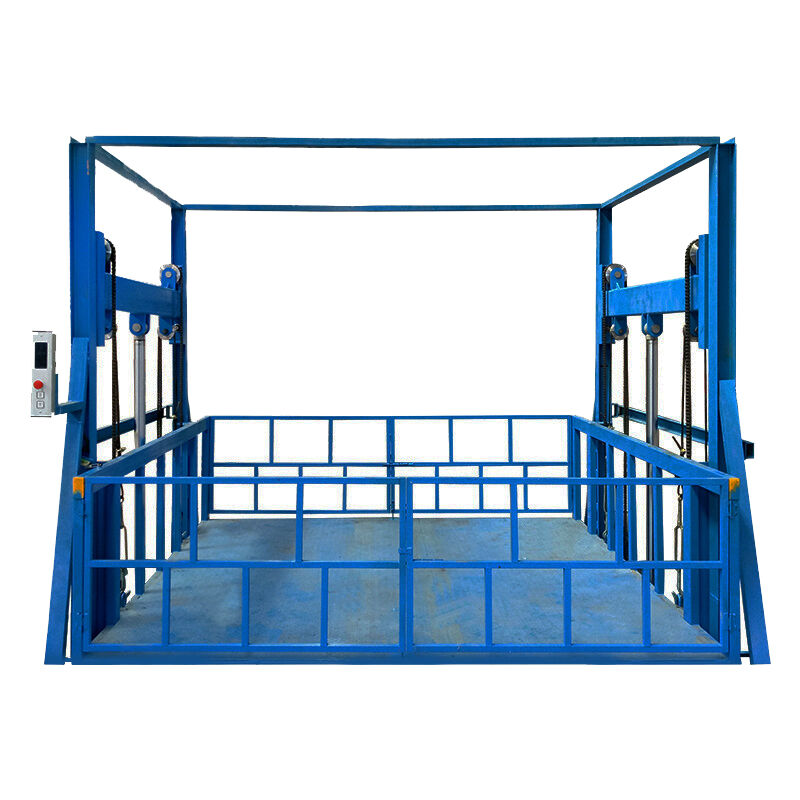
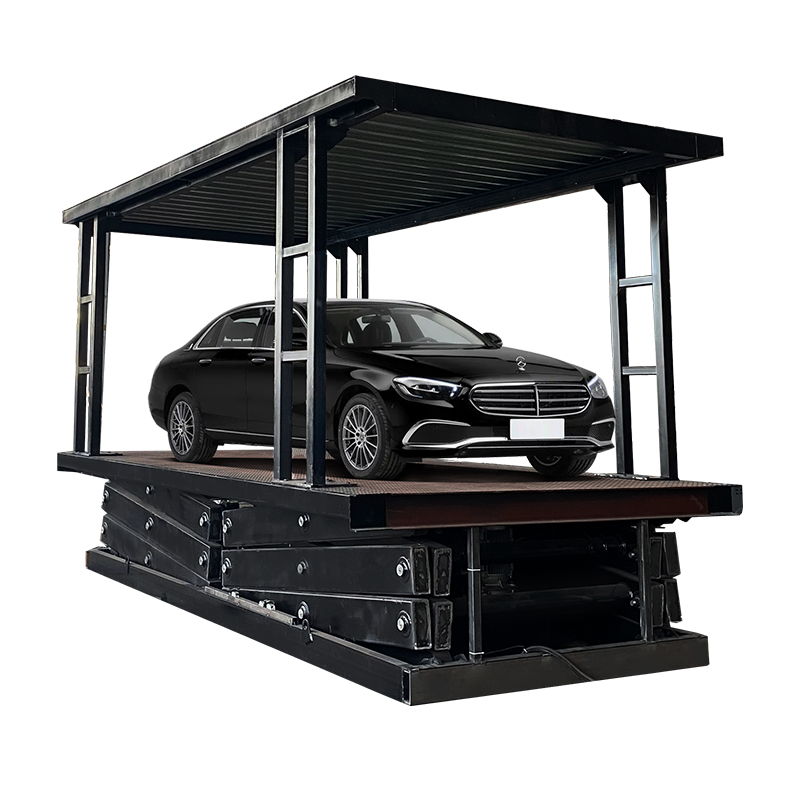
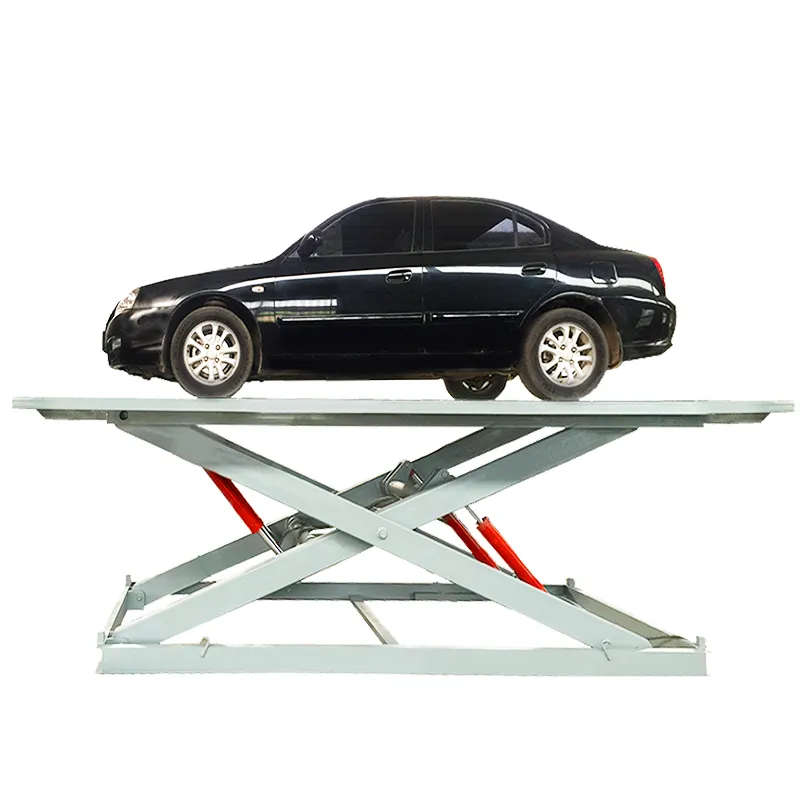
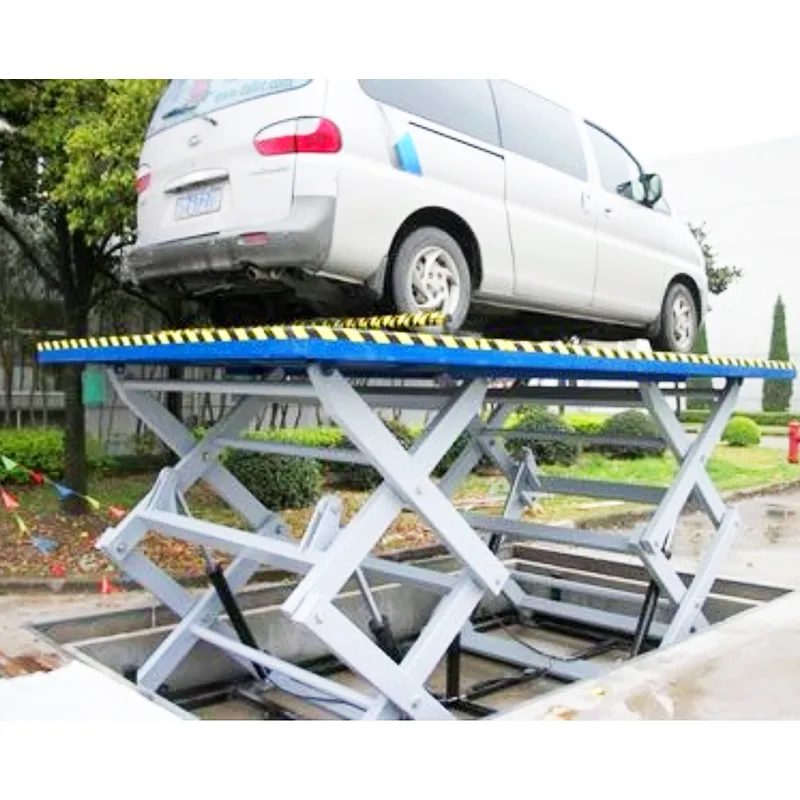
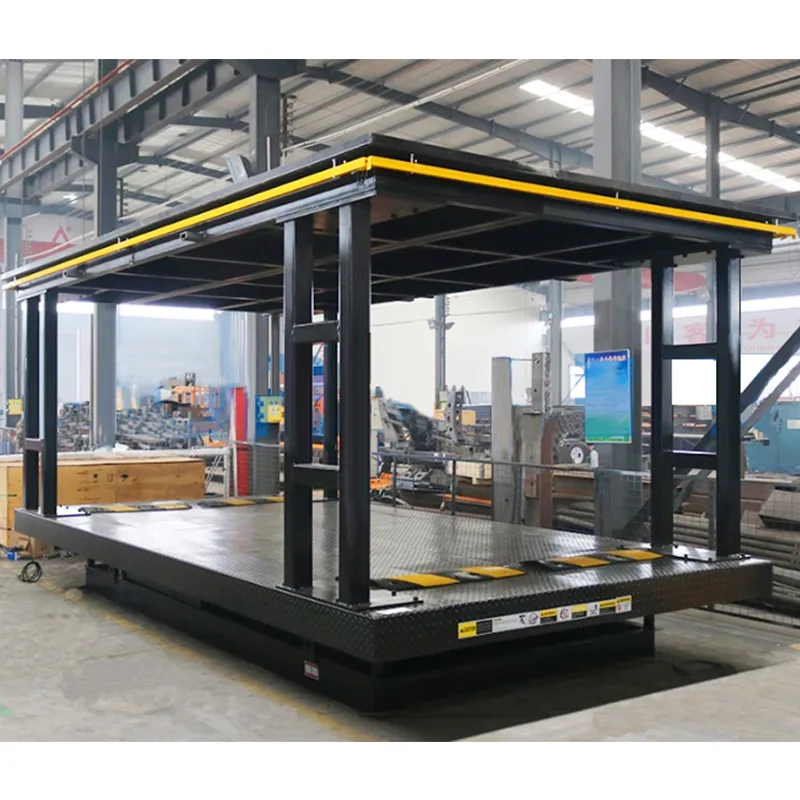
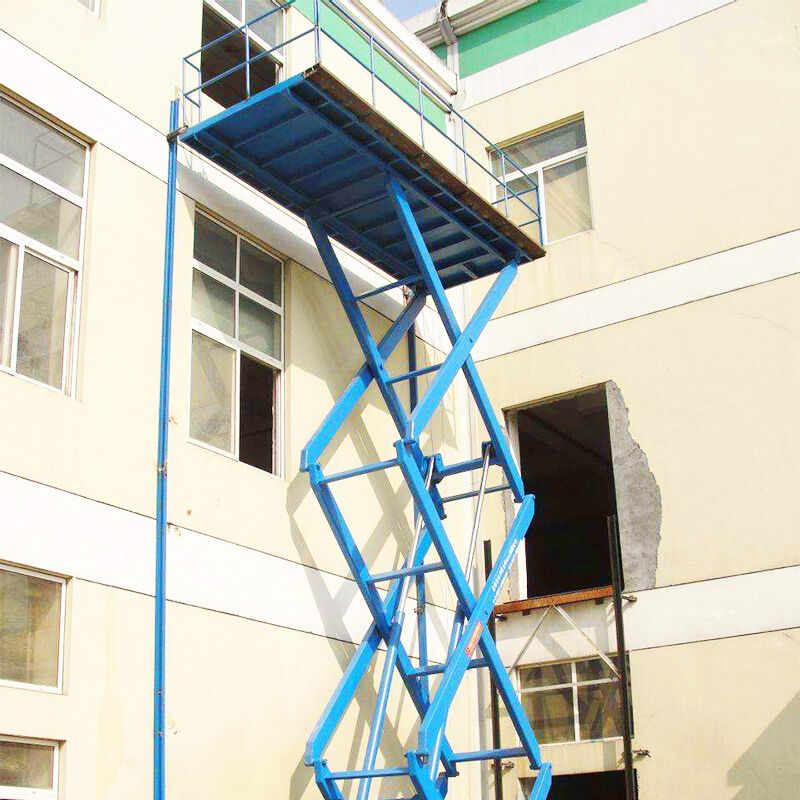
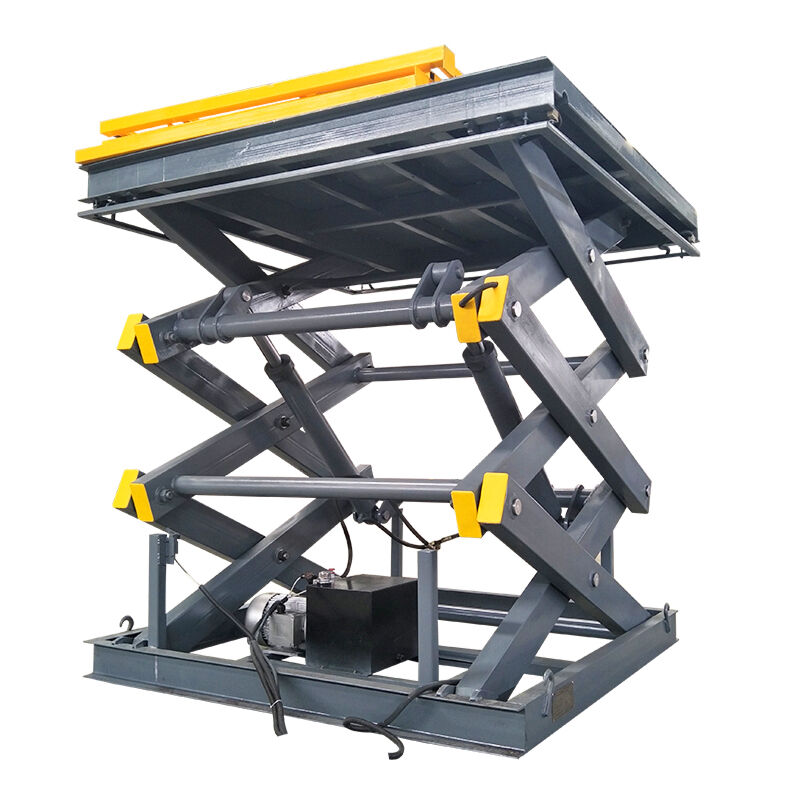
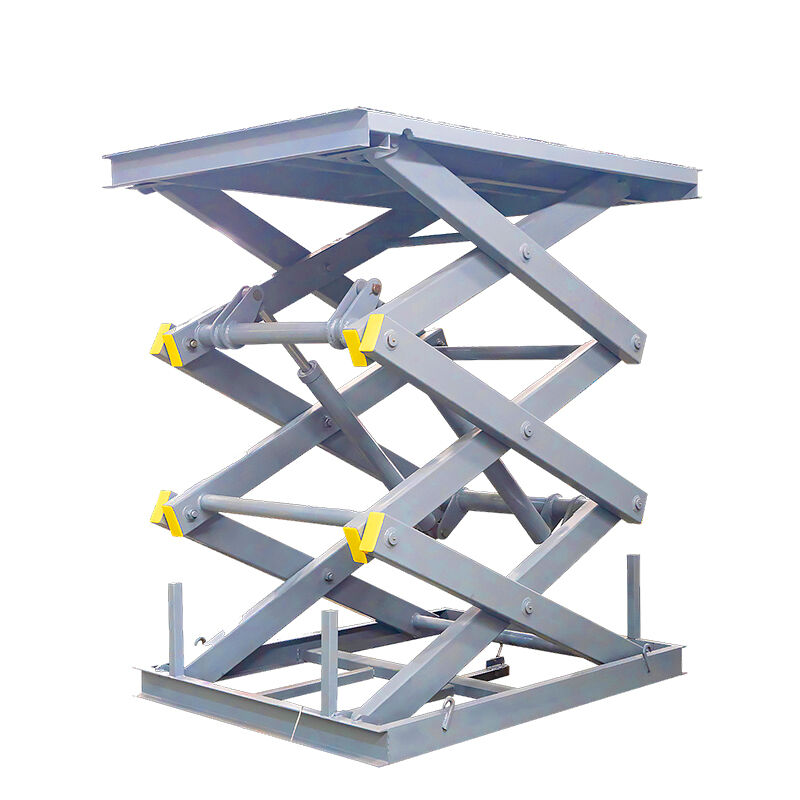
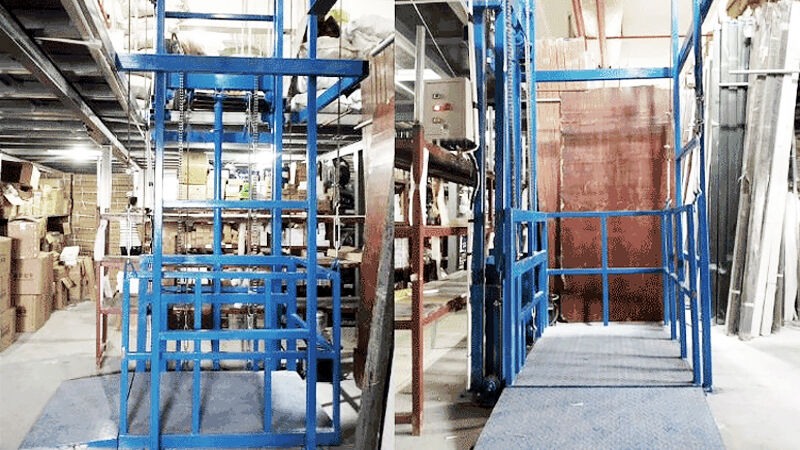
Safety represents the paramount concern in hydraulic goods lift design, with multiple integrated protection systems ensuring secure operation under all conditions. These sophisticated safety mechanisms include emergency stop functions accessible from multiple locations, overload protection that prevents system damage and operational hazards, and fail-safe descent controls that ensure controlled lowering even during power failures or hydraulic system malfunctions. The hydraulic goods lift incorporates pressure relief valves that automatically activate when system pressures exceed safe operating parameters, protecting both equipment and personnel from potential hazards. Additionally, mechanical locks engage automatically during operation to secure the platform at designated levels, preventing accidental movement during loading and unloading activities. The control system features redundant safety circuits that continuously monitor operational parameters including hydraulic pressure, platform position, load weight, and system temperature to detect potential issues before they become safety concerns. Modern hydraulic goods lift installations include advanced sensors that detect obstacles in the travel path, automatically stopping movement to prevent collisions or entrapment incidents. These proximity sensors work in conjunction with light curtains and pressure-sensitive edges to create comprehensive protection zones around the lifting platform. The hydraulic system design inherently provides smooth, controlled movement that eliminates sudden starts, stops, or jerky motion that could destabilize loads or create safety hazards for nearby personnel. Programmable safety parameters allow customization of operating speeds, acceleration rates, and safety zone configurations to match specific facility requirements and safety protocols. The hydraulic goods lift also features comprehensive diagnostic capabilities that continuously monitor system health and provide early warning indicators for preventive maintenance scheduling, ensuring optimal safety performance throughout the operational lifetime.
 EN
EN