hydraulic scissor lift manufacturer
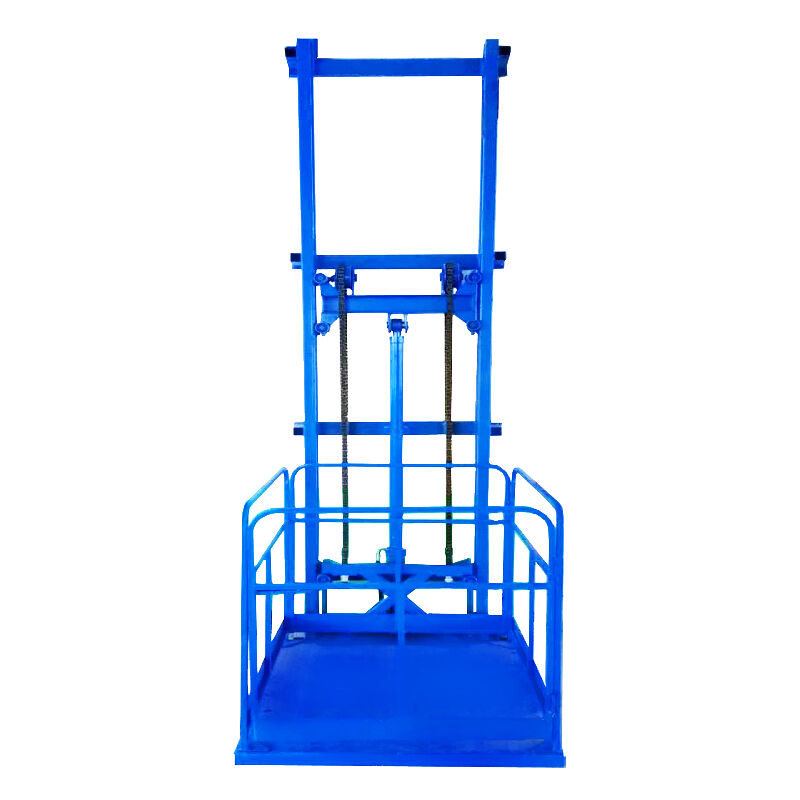
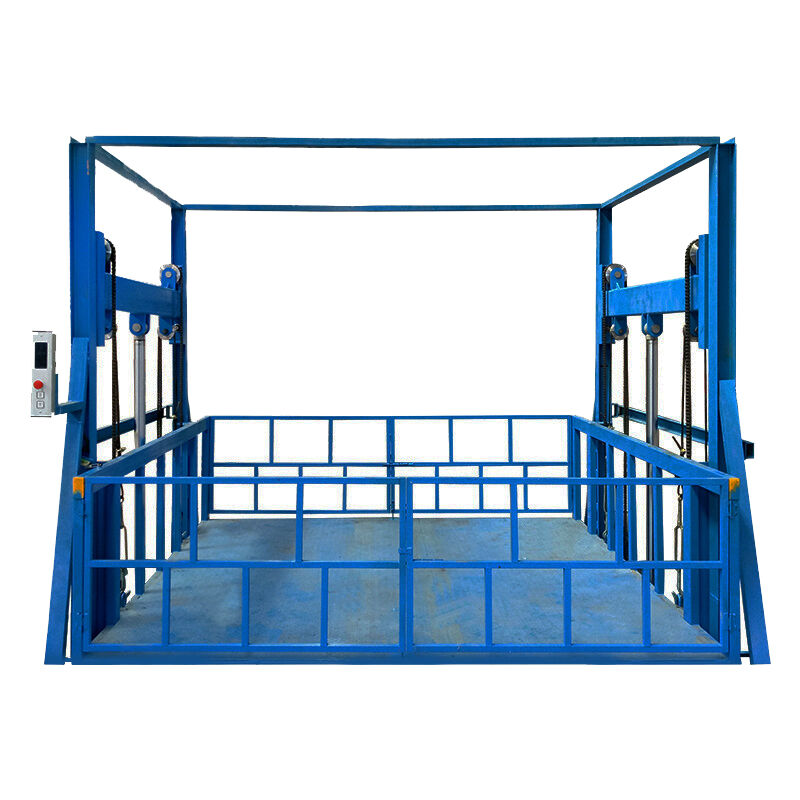
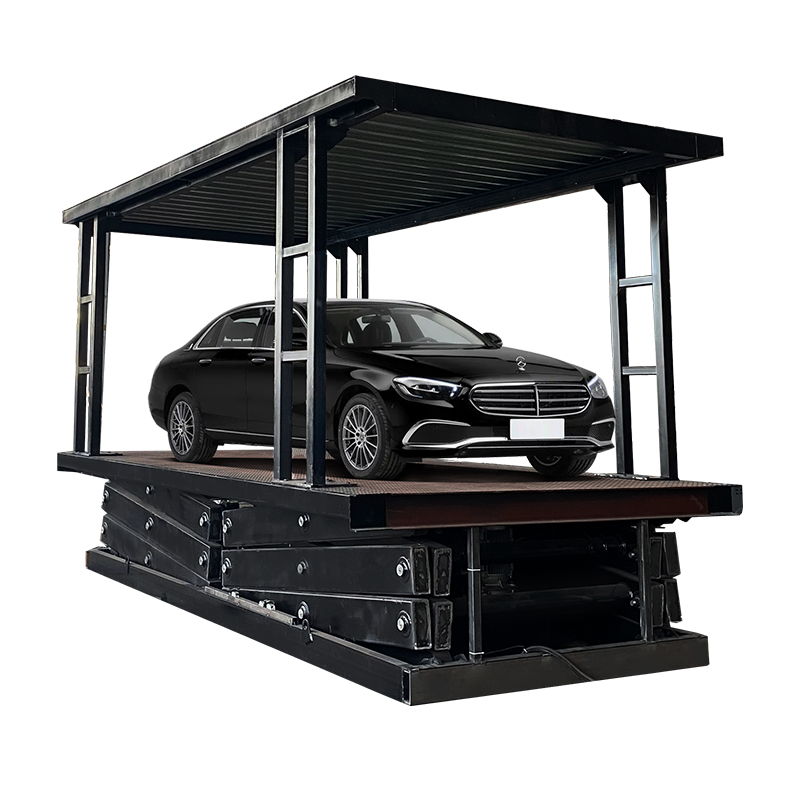
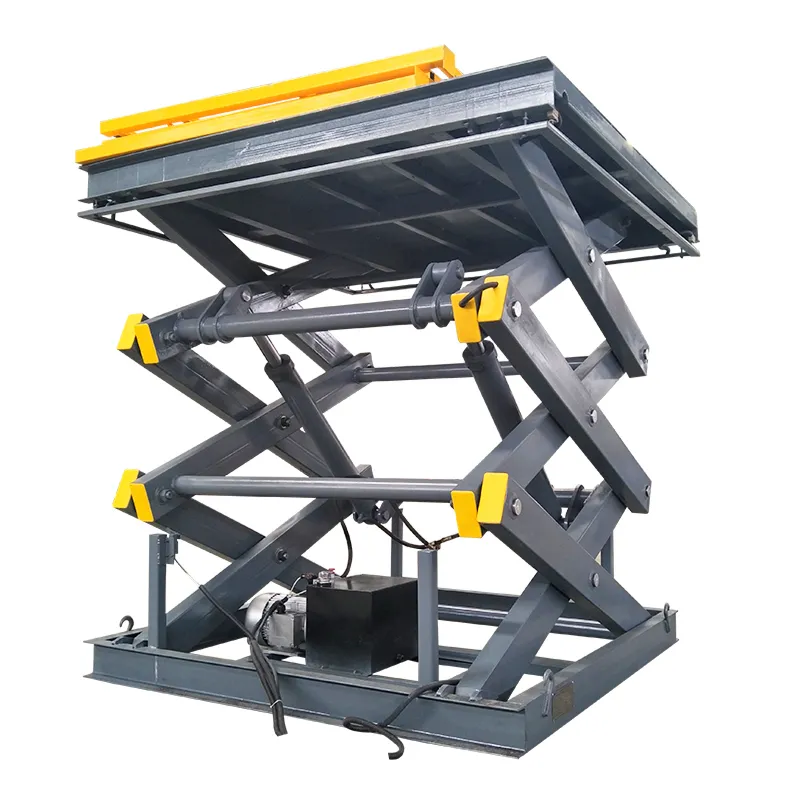
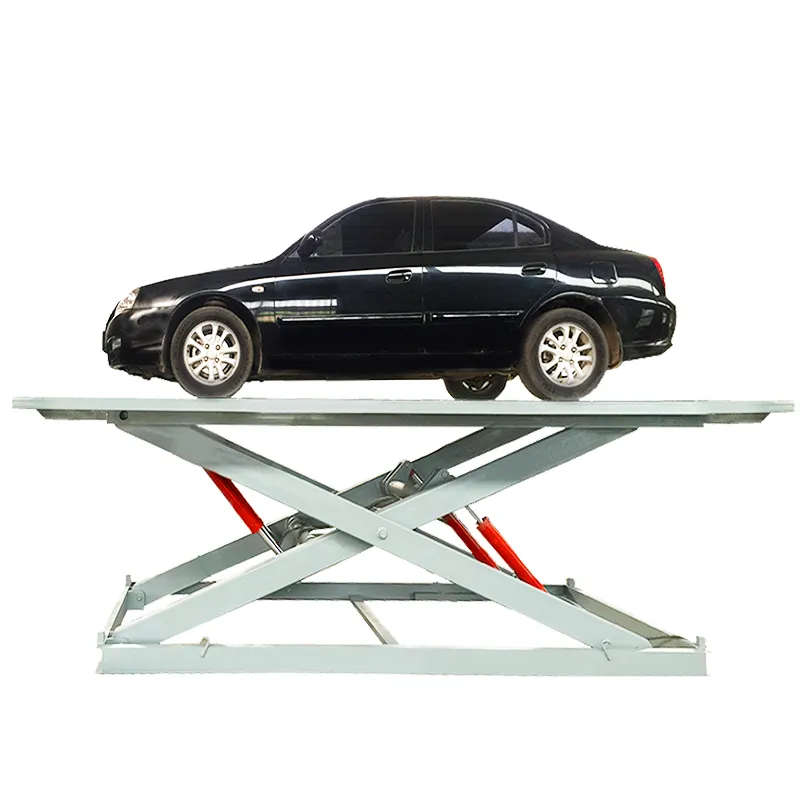
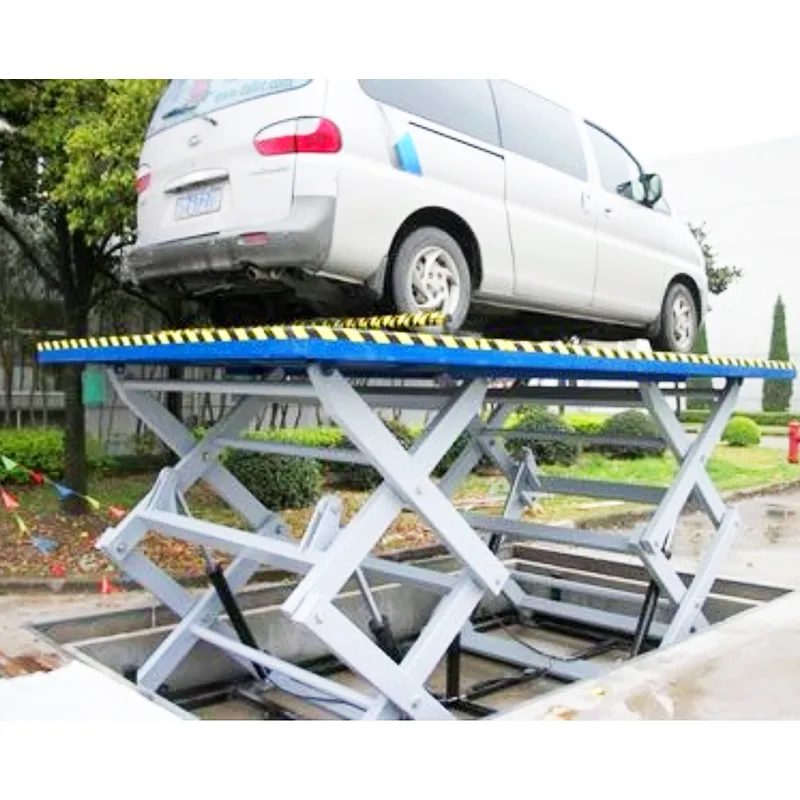
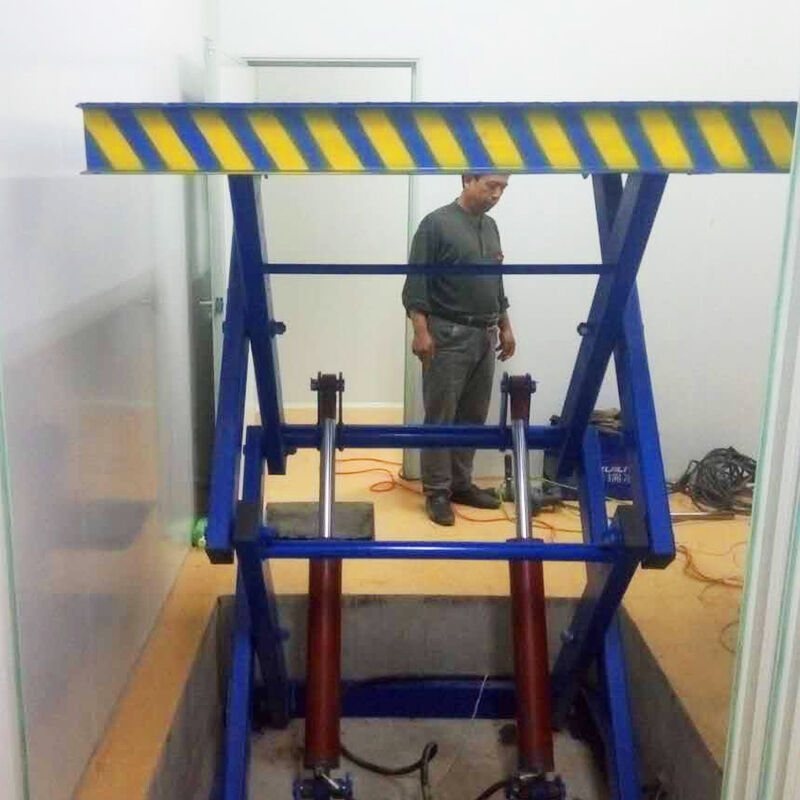
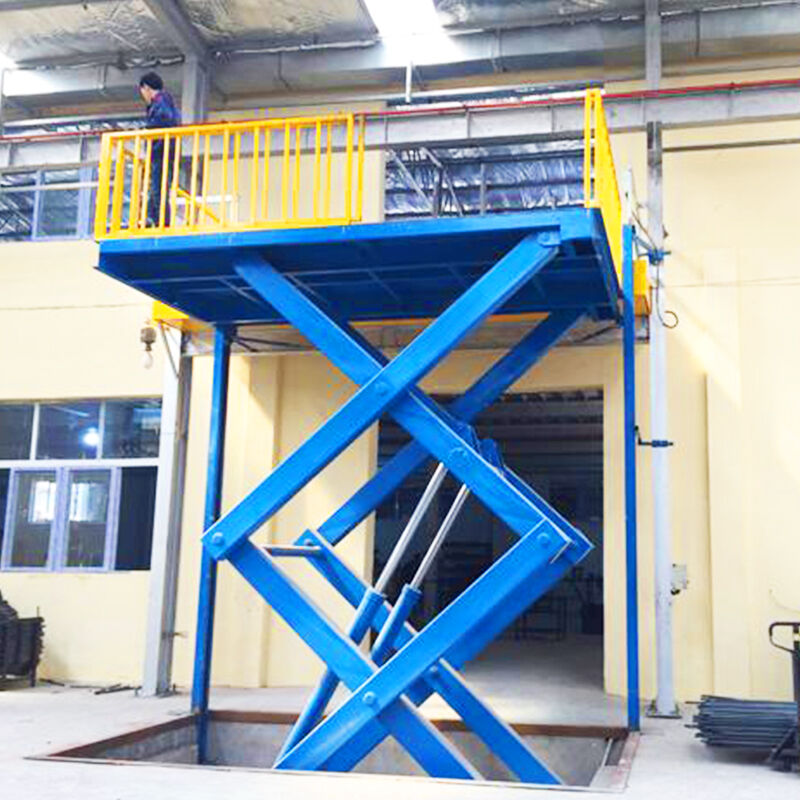
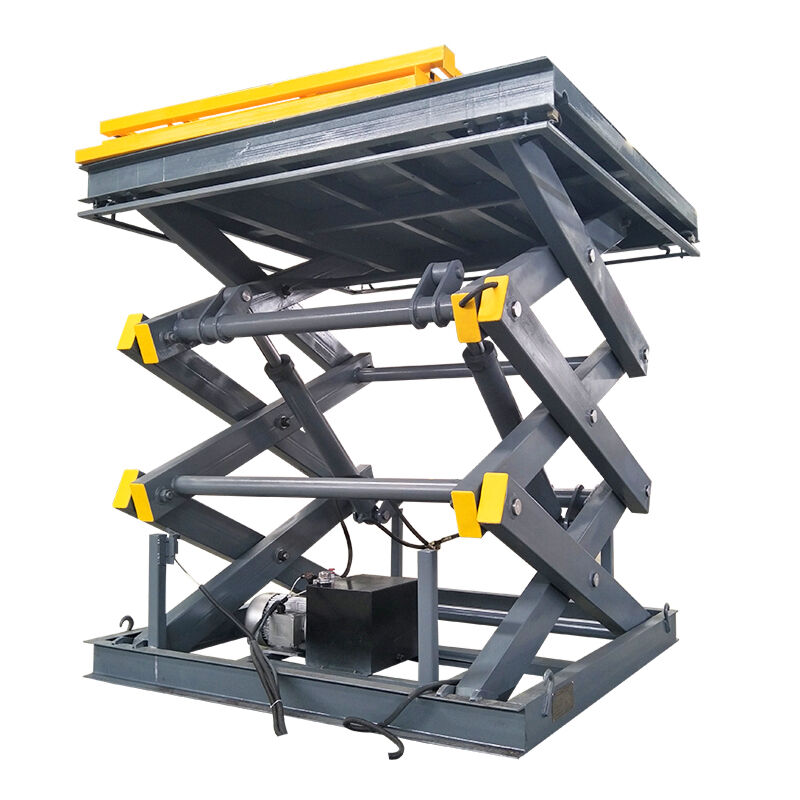
A hydraulic scissor lift manufacturer represents a specialized industrial entity dedicated to designing, producing, and distributing vertical lifting equipment that operates through hydraulic power systems. These manufacturers focus on creating robust, reliable lifting solutions that serve diverse sectors including construction, warehousing, maintenance, and manufacturing industries. The primary function of a hydraulic scissor lift manufacturer involves engineering platforms that can safely elevate personnel, equipment, and materials to various heights using hydraulic cylinders and scissor-like mechanical linkages. The technological framework behind these systems incorporates advanced hydraulic pumps, precision-engineered cylinders, reinforced steel platforms, and comprehensive safety mechanisms. Modern hydraulic scissor lift manufacturers integrate sophisticated control systems that enable smooth operation, precise positioning, and enhanced operator safety through multiple fail-safe features. The manufacturing process typically involves cutting-edge welding techniques, computer-aided design software, and rigorous quality testing protocols to ensure each unit meets stringent industry standards. Applications for these lifting devices span across multiple industries, from construction sites where workers need elevated access for building maintenance, to warehouses requiring efficient inventory management at height, and manufacturing facilities demanding versatile material handling solutions. The hydraulic scissor lift manufacturer must also consider environmental factors, incorporating energy-efficient hydraulic systems and sustainable manufacturing practices. These manufacturers often provide customization options, allowing clients to specify platform sizes, lifting capacities, elevation ranges, and specialized features tailored to specific operational requirements. The technological evolution within this field has led to innovations such as battery-powered systems, enhanced load distribution mechanisms, and integrated digital monitoring systems that track performance metrics and maintenance schedules, ensuring optimal equipment longevity and operational efficiency.
 EN
EN