hydraulic loading dock ramps
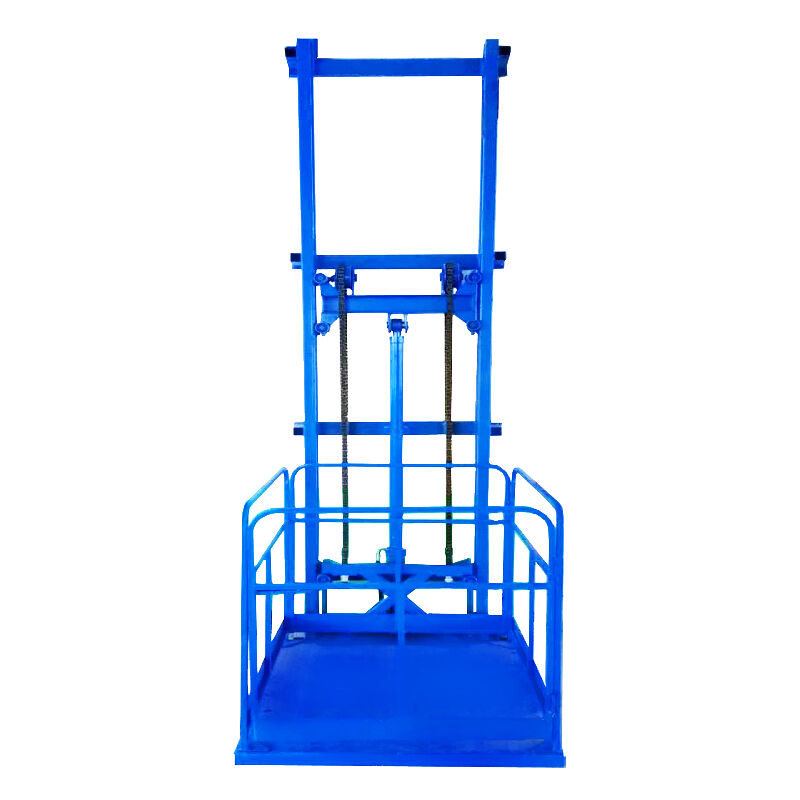
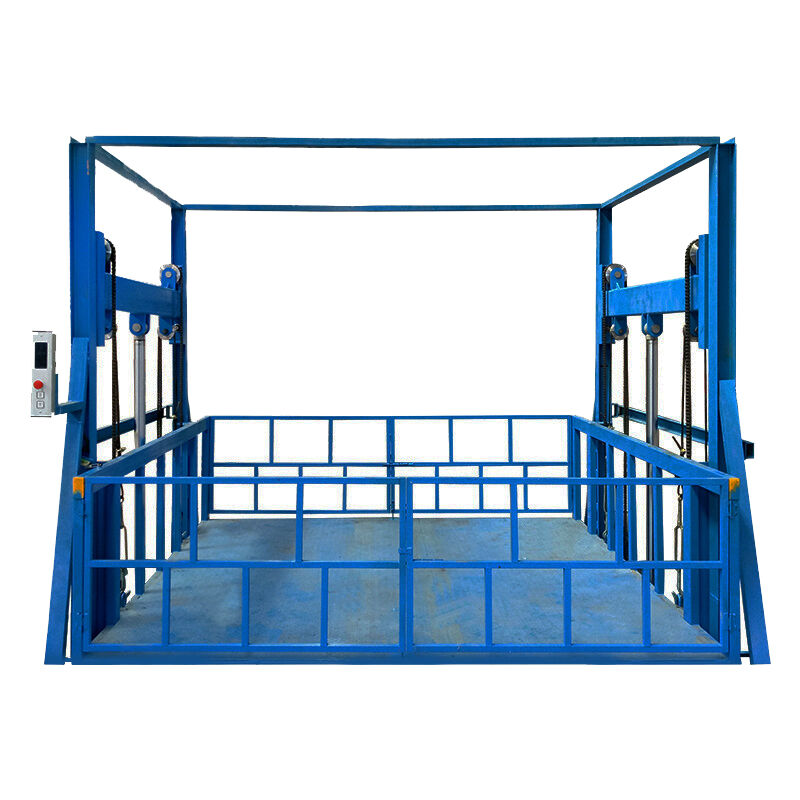
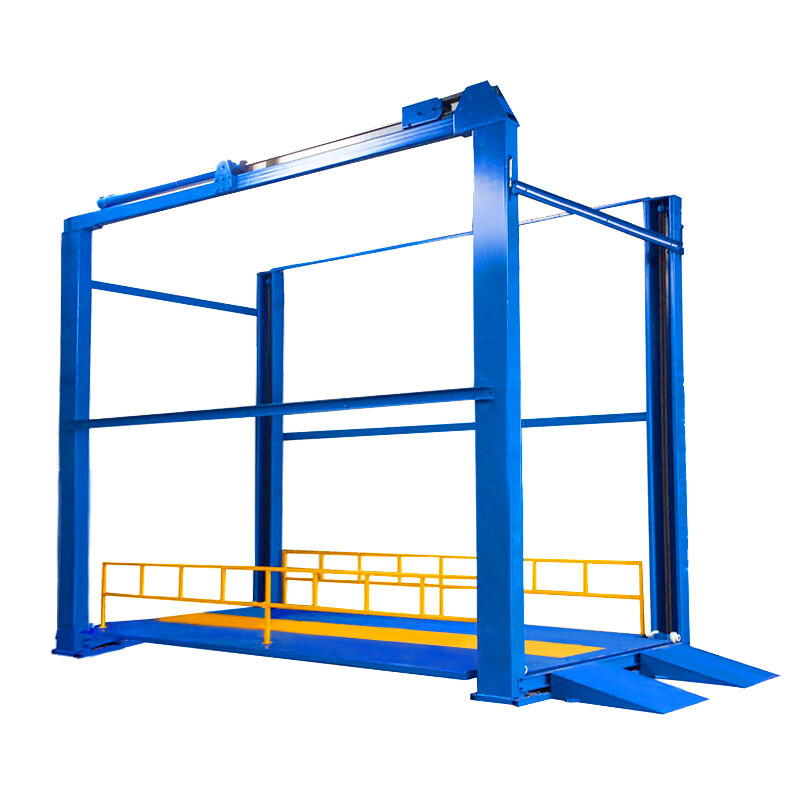
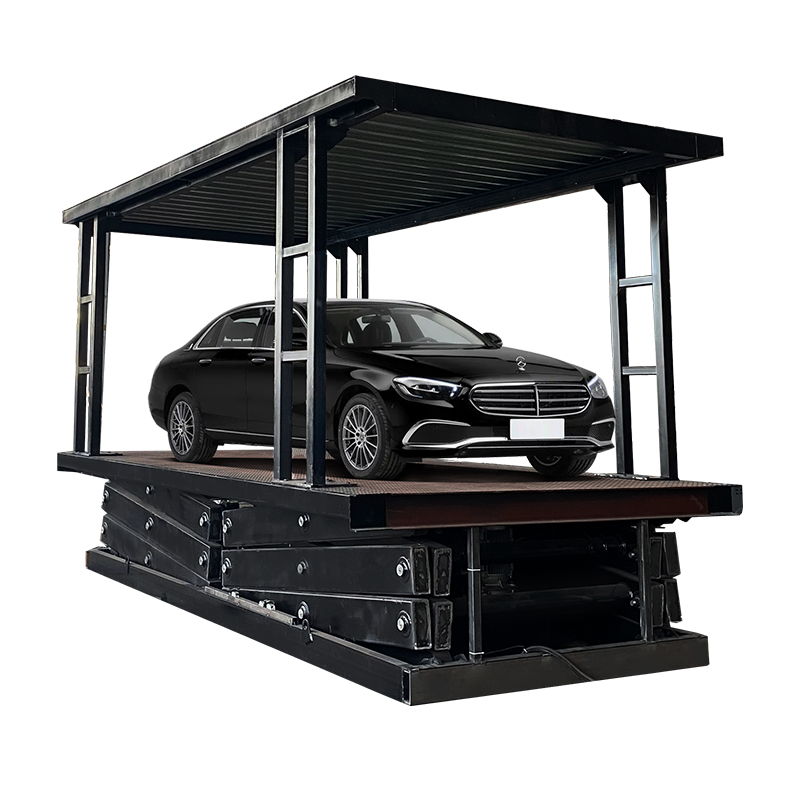
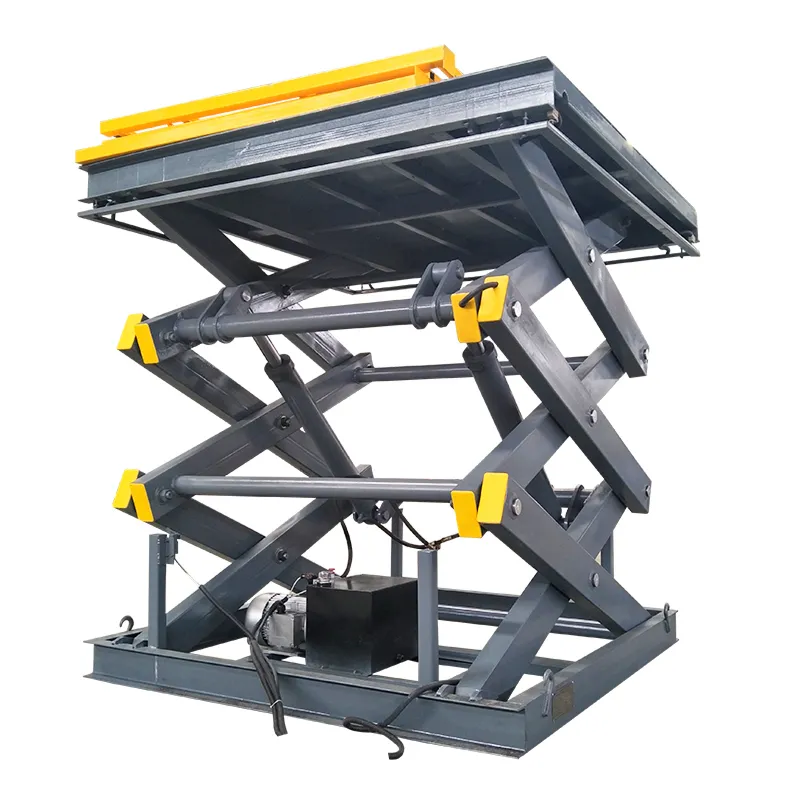
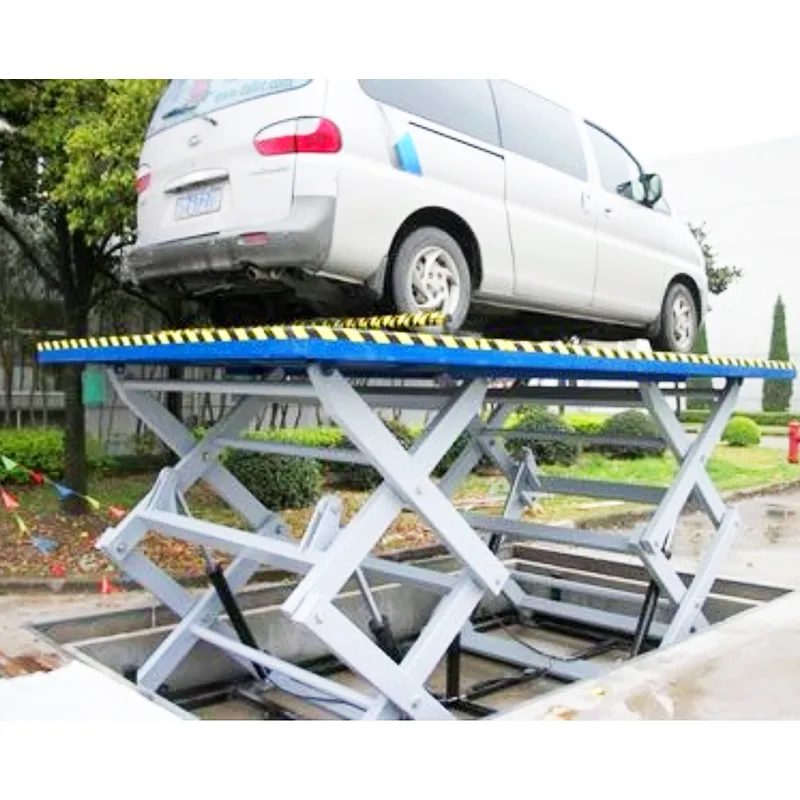
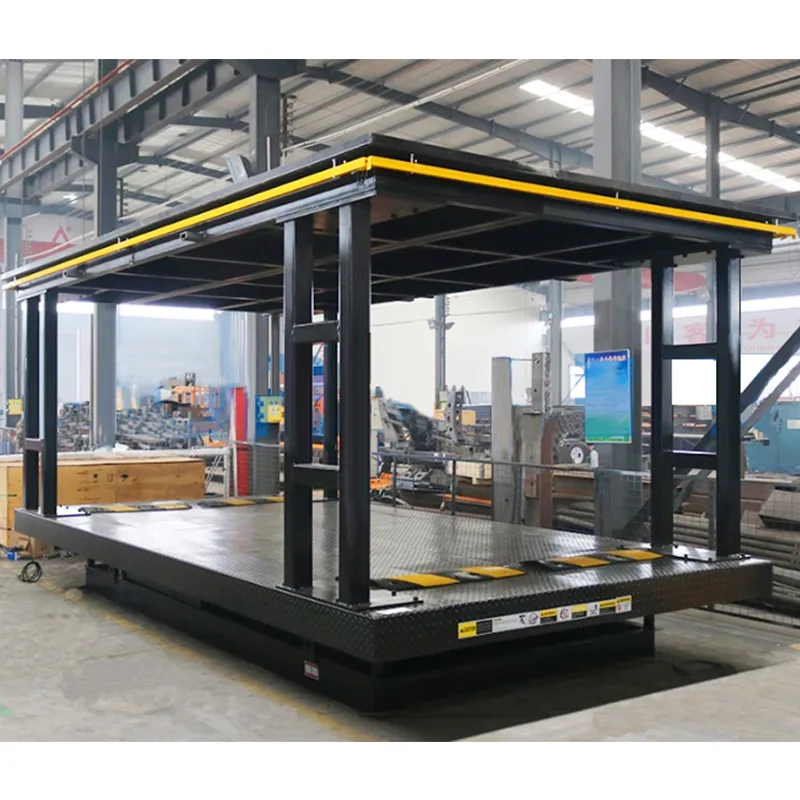
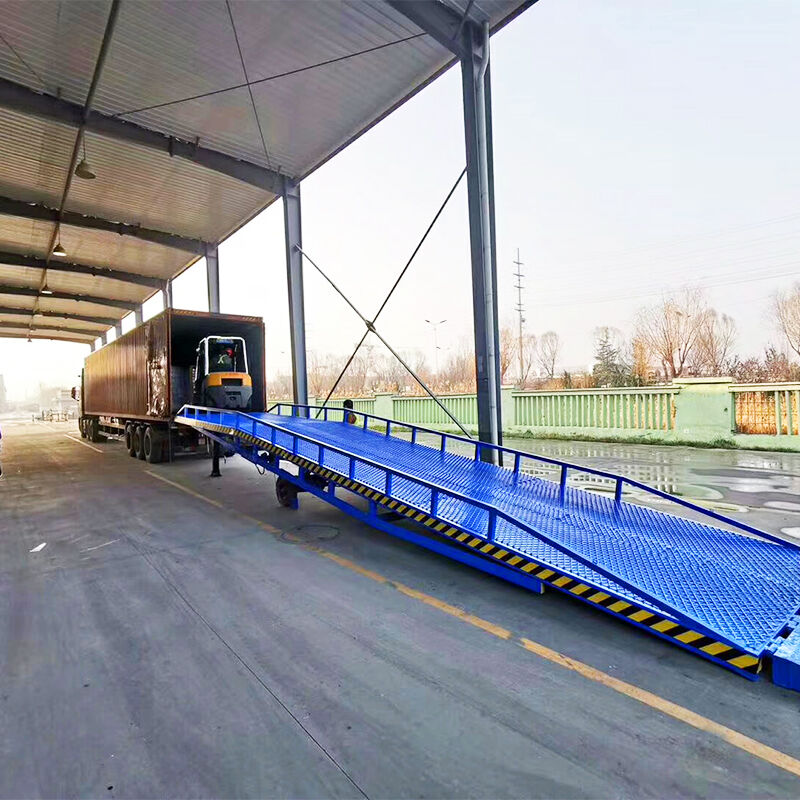
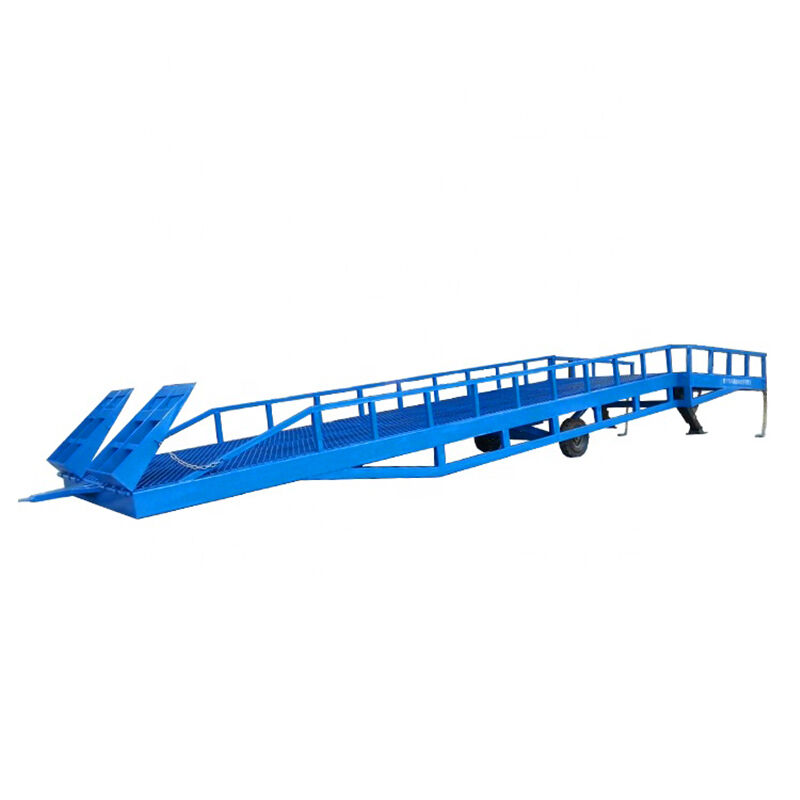
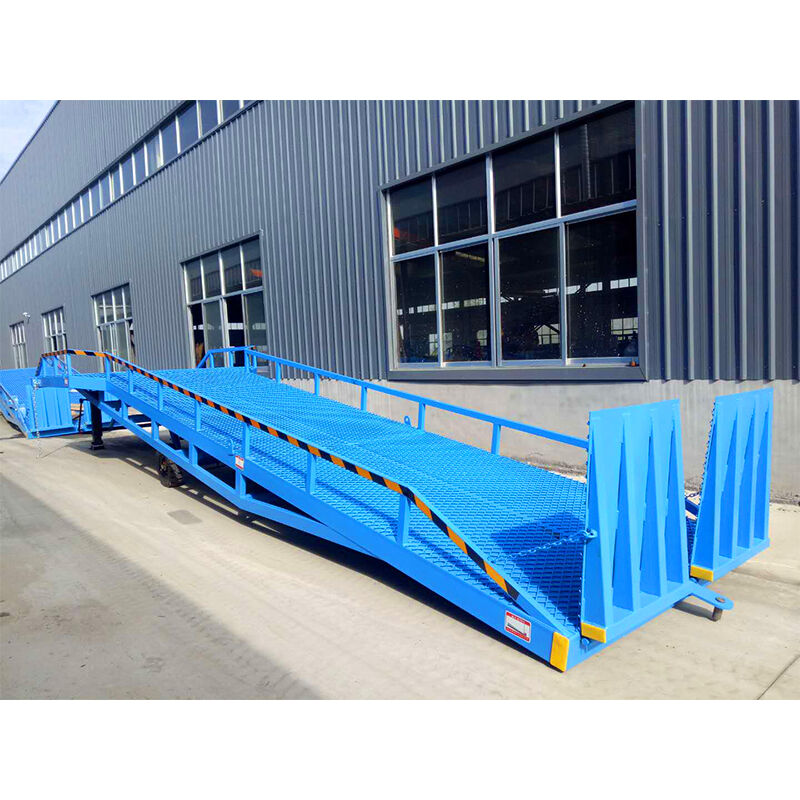
Hydraulic loading dock ramps represent a revolutionary advancement in warehouse and distribution center operations, offering unparalleled efficiency for material handling processes. These sophisticated mechanical systems utilize hydraulic power to create seamless transitions between loading docks and delivery vehicles of varying heights. The primary function of hydraulic loading dock ramps centers on bridging the gap between warehouse floors and truck beds, enabling smooth movement of goods using forklifts, pallet jacks, and other material handling equipment. The technological foundation relies on hydraulic cylinders that provide consistent, reliable lifting power to adjust ramp positions according to different vehicle configurations. Modern hydraulic loading dock ramps incorporate advanced engineering features including robust steel construction, non-slip surfaces, and precision-controlled hydraulic systems that ensure optimal performance across diverse operational environments. These systems typically feature adjustable height ranges from ground level to several feet above dock height, accommodating everything from standard delivery trucks to specialized transport vehicles. The integration of safety mechanisms such as automatic locking systems, emergency stop functions, and visual indicators ensures secure operations during loading and unloading procedures. Applications span across multiple industries including manufacturing facilities, retail distribution centers, cold storage warehouses, and logistics hubs where efficient cargo transfer remains critical. The modular design of hydraulic loading dock ramps allows for customization based on specific facility requirements, traffic volumes, and operational workflows. Enhanced productivity becomes evident through reduced loading times, minimized manual labor requirements, and improved workplace safety standards. The technological sophistication extends to control systems that may include push-button operation, remote controls, and integration capabilities with warehouse management systems for automated operations.
 EN
EN