Professional Container Unloading Ramps - Efficient Cargo Handling Solutions for Modern Warehouses

Get a Free Quote

Our representative will contact you soon.
Email
Mobile/WhatsApp
Name
Company Name
Message
0/1000

ramp for container unloading

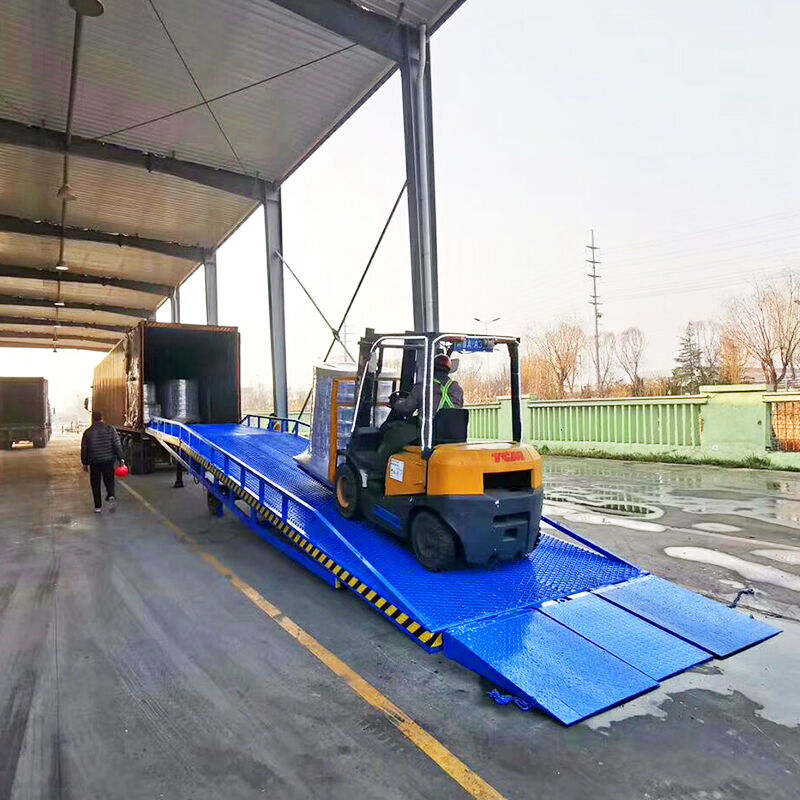
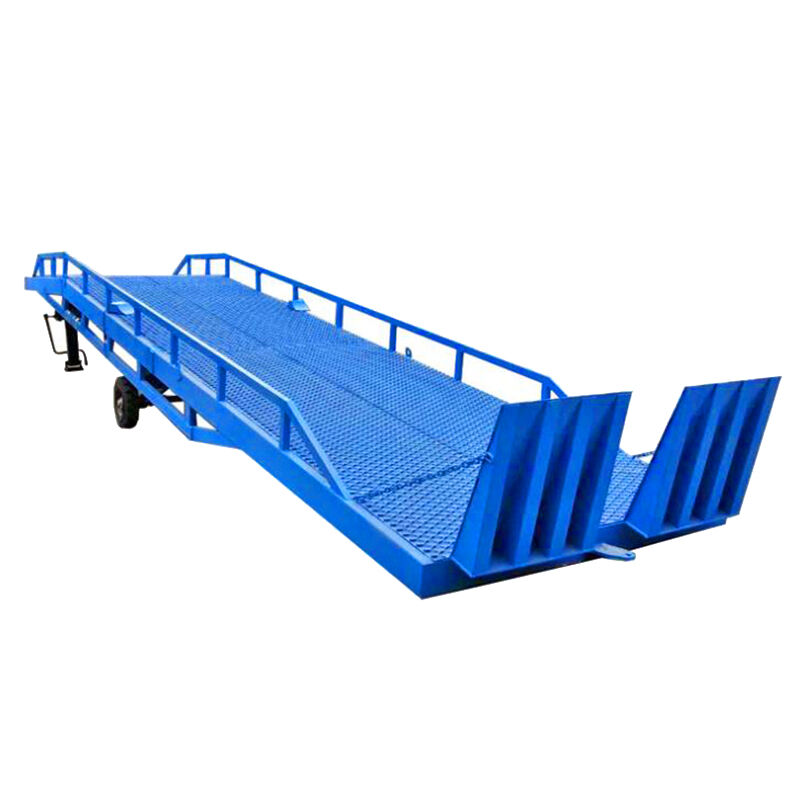
The ramp for container unloading represents a critical piece of equipment in modern logistics and cargo handling operations. This specialized loading dock solution serves as a bridge between container trucks and warehouse floors, facilitating smooth and efficient transfer of goods from shipping containers to storage facilities. The primary function of this ramp system centers on creating a level pathway that eliminates height differences between container floors and ground level, ensuring safe and streamlined cargo movement. Modern container unloading ramps incorporate advanced hydraulic systems that provide precise height adjustment capabilities, accommodating various truck sizes and container configurations. These systems typically feature robust steel construction with anti-slip surfaces, ensuring maximum safety during loading and unloading operations. The technological framework includes automated positioning sensors that detect approaching vehicles and adjust ramp angles accordingly, minimizing manual intervention and reducing operational delays. Safety features such as emergency stop controls, visual warning indicators, and safety barriers protect workers during container handling processes. The ramp for container unloading integrates seamlessly with existing warehouse management systems, providing real-time monitoring and operational data. Power systems range from electric motors to hydraulic pumps, offering reliable performance in demanding industrial environments. Weather resistance features protect internal components from environmental factors, ensuring consistent operation across different climatic conditions. Weight capacity specifications typically accommodate heavy cargo loads while maintaining structural integrity. The equipment design prioritizes ease of maintenance with accessible service points and modular component replacement options. Installation flexibility allows adaptation to various dock configurations and spatial constraints. These ramps support diverse container types including standard shipping containers, refrigerated units, and specialized cargo containers, making them versatile solutions for comprehensive logistics operations.

New Product Releases

Container unloading ramps deliver substantial operational benefits that directly impact productivity and cost efficiency in logistics operations. The primary advantage lies in dramatically reduced unloading times, with properly installed ramp systems cutting container processing time by up to sixty percent compared to manual handling methods. This time reduction translates into increased throughput capacity, allowing facilities to handle more containers within the same operational timeframe. Labor cost savings represent another significant benefit, as the ramp for container unloading eliminates the need for additional personnel typically required for manual lifting and positioning of heavy cargo items. Worker safety improvements constitute a crucial advantage, with ergonomic design features reducing physical strain and minimizing injury risks associated with repetitive lifting motions. The smooth transition provided by these ramps prevents cargo damage that often occurs during manual transfer processes, protecting valuable merchandise and reducing insurance claims. Energy efficiency benefits emerge through optimized loading sequences that reduce equipment idle time and minimize fuel consumption in handling vehicles. The ramp for container unloading enables continuous workflow patterns that eliminate bottlenecks commonly experienced in traditional loading dock configurations. Maintenance cost reductions result from decreased wear and tear on forklifts and other handling equipment, as smooth ramp surfaces reduce mechanical stress during cargo movement. Operational flexibility increases significantly, allowing facilities to accommodate different container sizes and truck configurations without requiring separate specialized equipment. Quality control improvements occur through standardized unloading procedures that ensure consistent handling practices across all operations. Space utilization benefits allow maximum use of available dock areas, with compact ramp designs fitting into constrained facility layouts. Weather independence features enable year-round operations regardless of outdoor conditions, maintaining consistent productivity levels. Return on investment calculations typically show payback periods of twelve to eighteen months through combined savings in labor, time, and damage prevention. Integration capabilities with existing warehouse management systems provide comprehensive operational oversight and performance tracking. These advantages collectively position the ramp for container unloading as an essential component for competitive logistics operations.

Latest News

What Are the Advantages of Choosing a Custom Lift Manufacturer?

05

Mar

What Are the Advantages of Choosing a Custom Lift Manufacturer?

When businesses need vertical transportation solutions, they often face a critical decision: choose a standard, off-the-shelf lift system or partner with a custom lift manufacturer. While pre-engineered lifts may seem like the simpler option, working...
View More
How Does an Industrial Lift Support High-Load Transportation Tasks?

10

Mar

How Does an Industrial Lift Support High-Load Transportation Tasks?

Industrial facilities across manufacturing, warehousing, and logistics sectors face constant challenges in moving heavy materials between different floor levels efficiently and safely. The mechanism by which an industrial lift handles high-load trans...
View More
Why Are Stationary Scissor Lifts Popular in Manufacturing Plants?

16

Mar

Why Are Stationary Scissor Lifts Popular in Manufacturing Plants?

Manufacturing plants worldwide have increasingly turned to stationary scissor lifts as essential equipment for their vertical material handling and access needs. These robust hydraulic platforms have become indispensable in modern industrial operatio...
View More
How Do Car Lifts for Home Garage Add Value to Real Estate Projects?

20

Mar

How Do Car Lifts for Home Garage Add Value to Real Estate Projects?

Car lifts for home garage installations have emerged as a premium feature that significantly enhances property value in today's competitive real estate market. These sophisticated automotive storage solutions transform ordinary residential garages in...
View More

Get a Free Quote

Our representative will contact you soon.
Email
Mobile/WhatsApp
Name
Company Name
Message
0/1000

ramp for container unloading

Advanced Hydraulic Height Adjustment Technology

Advanced Hydraulic Height Adjustment Technology

The sophisticated hydraulic system integrated into modern container unloading ramps represents a breakthrough in precision engineering that revolutionizes cargo handling efficiency. This advanced technology employs high-pressure hydraulic cylinders controlled by computerized systems that automatically detect approaching vehicles and calculate optimal ramp positioning within seconds. The hydraulic adjustment mechanism accommodates height variations ranging from ground level to elevated container floors, typically spanning adjustments of up to four feet vertically and fifteen degrees in angular positioning. Precision sensors continuously monitor load distribution and automatically compensate for weight shifts during unloading operations, maintaining perfect alignment throughout the entire process. The system incorporates fail-safe mechanisms that prevent sudden ramp movements in case of power failures or hydraulic system malfunctions, ensuring worker safety at all times. Smooth operation characteristics eliminate jarring movements that could damage sensitive cargo or cause worker injuries, with acceleration and deceleration curves programmed to optimize both speed and safety. The ramp for container unloading utilizes premium-grade hydraulic fluid systems designed for consistent performance across extreme temperature ranges, from arctic conditions to tropical environments. Maintenance requirements remain minimal due to sealed hydraulic systems that prevent contamination and reduce component wear. Remote control capabilities allow operators to adjust ramp positions from safe distances, improving operational safety and enabling precise positioning without requiring personnel to work near moving equipment. Emergency manual override systems provide backup positioning capabilities during maintenance periods or power outages, ensuring operational continuity. The hydraulic technology integrates with facility management systems, providing real-time performance data and predictive maintenance alerts that prevent unexpected downtime. Energy-efficient pump systems reduce operational costs while delivering powerful lifting capabilities sufficient for heavy container loads. This technological advancement positions facilities using these ramps at the forefront of logistics innovation, delivering measurable improvements in operational efficiency and safety standards.
Heavy-Duty Steel Construction and Anti-Slip Safety Features

Heavy-Duty Steel Construction and Anti-Slip Safety Features

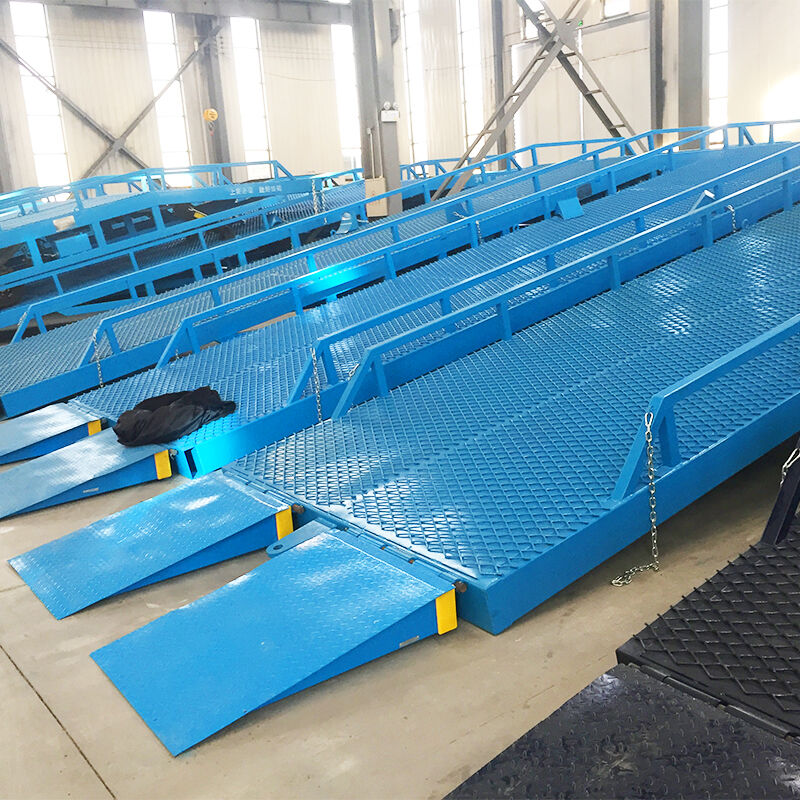
The robust construction methodology employed in manufacturing container unloading ramps ensures exceptional durability and safety standards that exceed industry requirements. Premium-grade steel alloys form the structural foundation, with engineering specifications designed to handle maximum load capacities exceeding standard container weights while maintaining safety margins of at least three hundred percent. The steel framework undergoes specialized heat treatment processes that enhance strength characteristics and resistance to metal fatigue, ensuring decades of reliable service under demanding operational conditions. Surface treatments include industrial-grade anti-corrosion coatings that protect against harsh environmental conditions, salt air exposure, and chemical contact commonly encountered in shipping operations. The anti-slip surface technology represents a critical safety innovation, featuring diamond-plate steel patterns combined with specialized grip coatings that maintain traction even in wet or icy conditions. This surface treatment undergoes rigorous testing to ensure optimal friction coefficients that prevent slipping while allowing smooth movement of wheeled equipment. Safety barrier systems integrated into the ramp design include reinforced side rails that prevent accidental falls and guide equipment movement along designated pathways. The ramp for container unloading incorporates stress distribution engineering that spreads weight loads evenly across the entire structure, preventing localized stress points that could lead to structural failure. Welding specifications exceed maritime industry standards, with full-penetration welds inspected using ultrasonic testing methods to ensure integrity. Modular construction techniques enable field repairs and component replacement without requiring complete ramp replacement, reducing maintenance costs and operational downtime. Impact resistance features protect against accidental contact from forklifts and other handling equipment, with reinforced contact points that absorb collision energy without structural damage. Quality control processes include load testing each ramp system beyond rated capacity to verify safety margins and structural integrity. The construction methodology emphasizes longevity, with design specifications targeting minimum service life of twenty-five years under normal operational conditions, providing exceptional value for capital equipment investments.
Seamless Integration with Warehouse Management Systems

Seamless Integration with Warehouse Management Systems

The advanced integration capabilities of modern container unloading ramps transform traditional cargo handling into intelligent, data-driven operations that optimize efficiency and provide comprehensive operational oversight. These systems connect seamlessly with enterprise resource planning software, warehouse management systems, and transportation management platforms through standardized communication protocols including Ethernet, wireless networks, and industrial fieldbus systems. Real-time data collection sensors monitor every aspect of ramp operations, including cycle times, load weights, positioning accuracy, and equipment status, transmitting this information instantly to centralized management systems. The integration framework enables automated scheduling of container unloading operations based on incoming shipment data, optimizing dock utilization and reducing waiting times for transportation vehicles. Predictive analytics capabilities analyze operational patterns to identify efficiency opportunities and recommend process improvements that can significantly impact throughput rates. The ramp for container unloading system generates comprehensive reports documenting productivity metrics, safety incidents, maintenance requirements, and cost analyses that support strategic decision-making processes. Inventory management integration allows automatic updating of stock levels as containers are unloaded, providing real-time visibility into warehouse capacity and product availability. Quality control integration enables tracking of damage incidents, temperature monitoring for sensitive cargo, and documentation of handling procedures for regulatory compliance requirements. Remote monitoring capabilities allow facility managers to oversee multiple dock locations from centralized control centers, enabling rapid response to operational issues or equipment malfunctions. The integration system supports barcode scanning, RFID tracking, and other identification technologies that automatically log cargo movement and maintain chain-of-custody documentation. Performance benchmarking features compare operational metrics against industry standards and historical data, highlighting areas for improvement and validating efficiency gains. Mobile device compatibility extends system access to warehouse personnel through tablet computers and smartphones, enabling real-time updates and immediate response to operational changes. Maintenance management integration schedules preventive maintenance activities based on actual usage patterns rather than fixed time intervals, optimizing equipment reliability while minimizing maintenance costs. This comprehensive integration transforms the ramp for container unloading from simple mechanical equipment into intelligent infrastructure that drives continuous improvement in logistics operations.

Get a Free Quote

Our representative will contact you soon.
Email
Mobile/WhatsApp
Name
Company Name
Message
0/1000