Professional Shipping Container Ramps - Heavy-Duty Loading Solutions for Efficient Cargo Operations

Get a Free Quote

Our representative will contact you soon.
Email
Mobile/WhatsApp
Name
Company Name
Message
0/1000

shipping container ramp

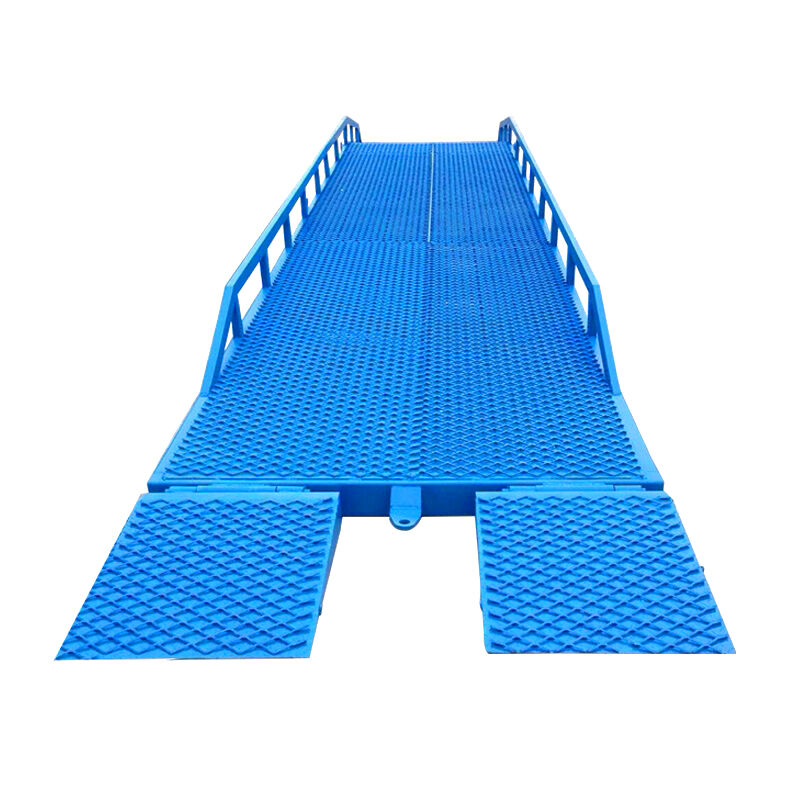
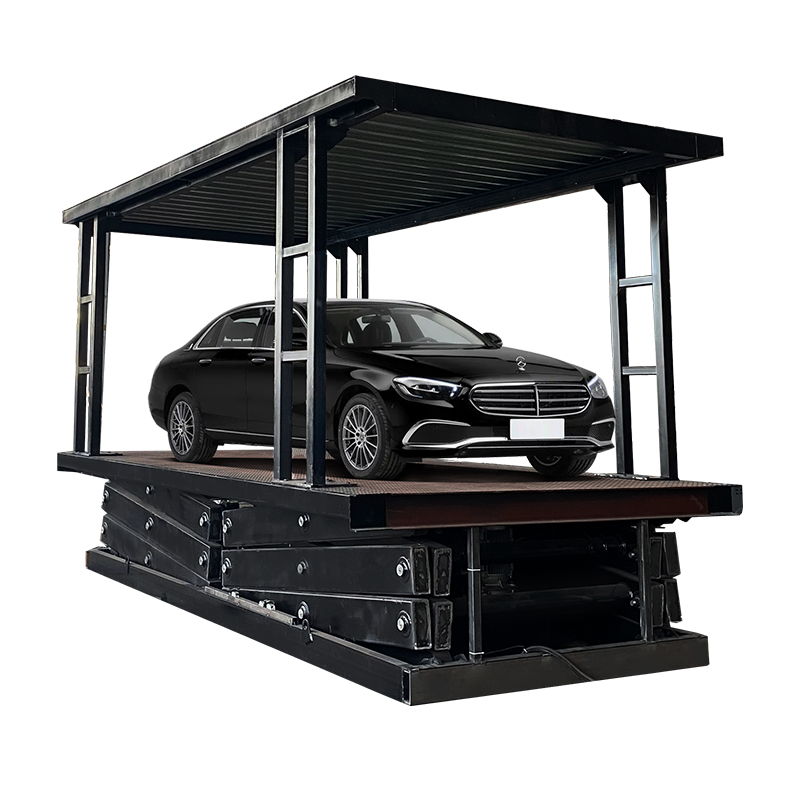
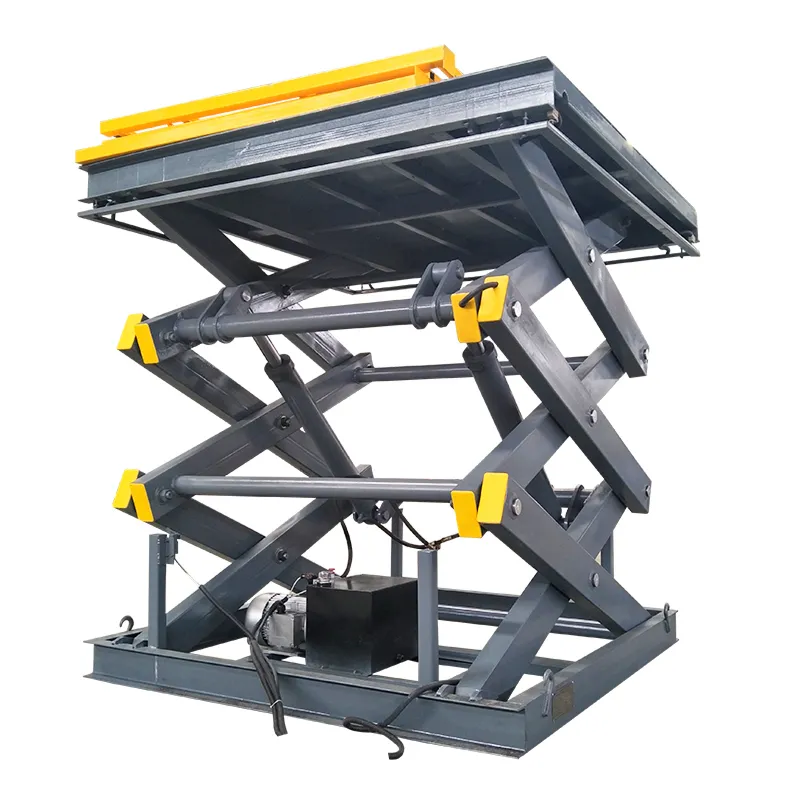
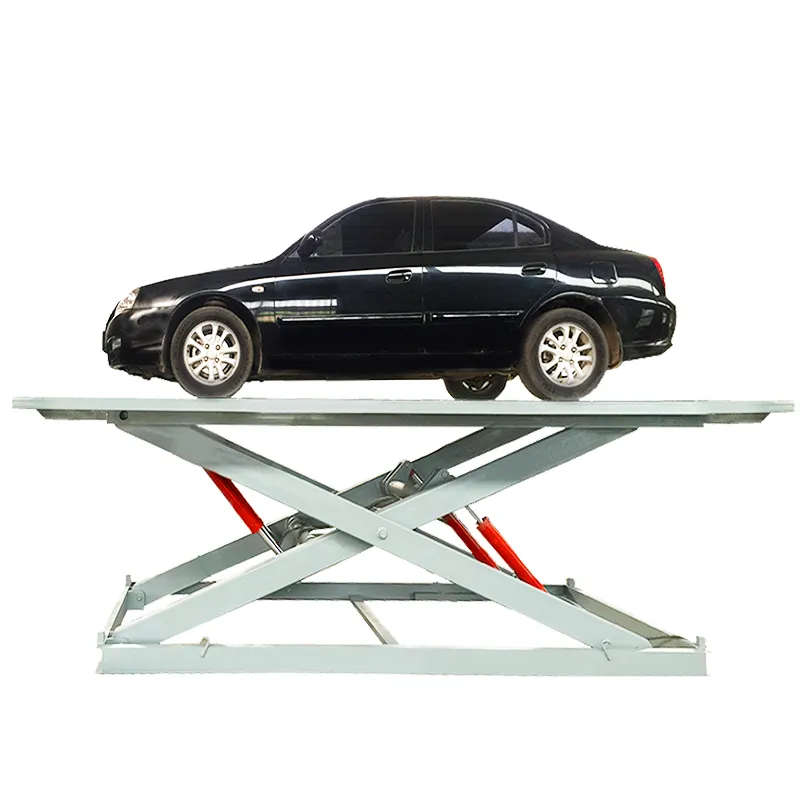
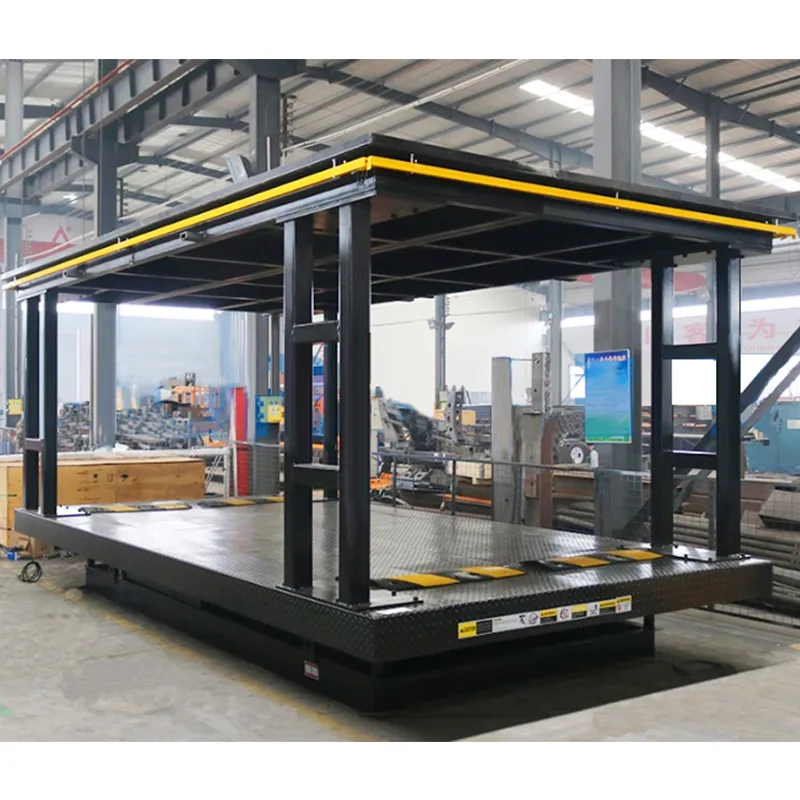
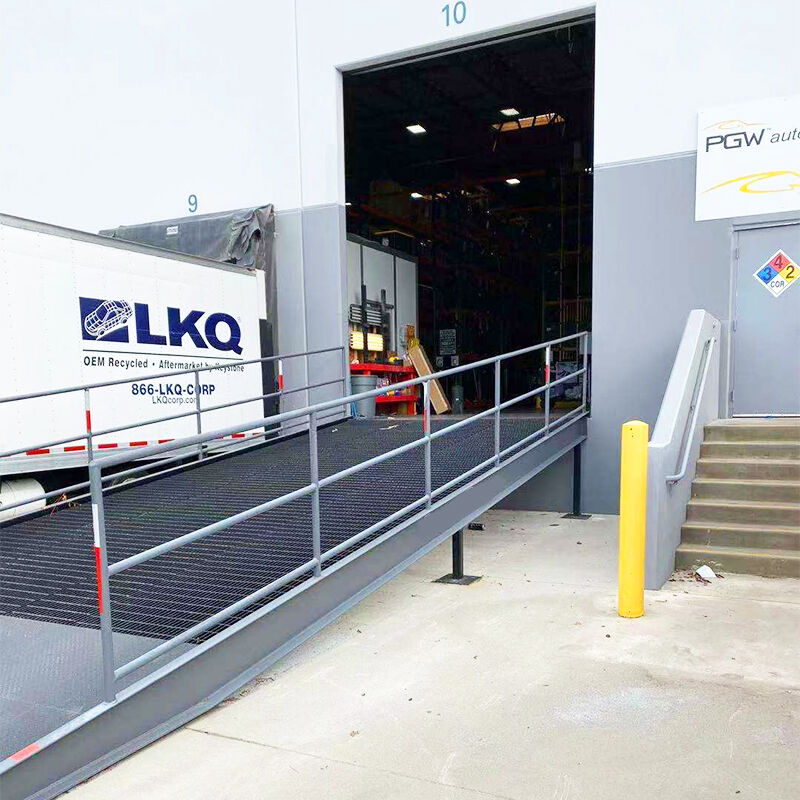
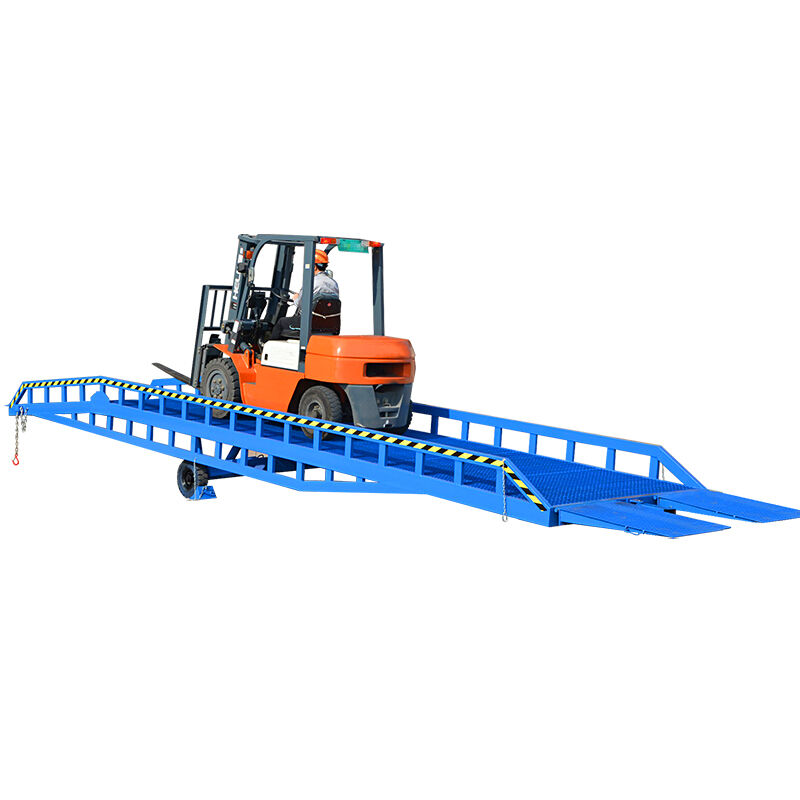
A shipping container ramp serves as an essential piece of equipment designed to facilitate the efficient loading and unloading of cargo containers from various transportation vehicles and storage platforms. This specialized infrastructure component creates a smooth, inclined pathway that enables heavy machinery, such as forklifts, reach stackers, and container handlers, to safely navigate between different elevation levels while transporting containers. The shipping container ramp functions as a critical bridge connecting ground level surfaces to elevated platforms, truck beds, railway cars, and storage areas, ensuring seamless cargo operations in ports, distribution centers, and logistics facilities worldwide. Modern shipping container ramps incorporate advanced engineering principles to support massive weight loads while maintaining structural integrity under constant use. These ramps typically feature reinforced steel construction with anti-slip surfaces, safety barriers, and drainage systems to handle various weather conditions. The technological features of contemporary shipping container ramps include hydraulic adjustment mechanisms that allow operators to modify the ramp angle and height according to specific vehicle requirements. Many models incorporate modular designs that enable quick assembly and disassembly for temporary installations or facility modifications. Advanced ramp systems feature integrated safety sensors, emergency stop mechanisms, and automated positioning controls that enhance operational safety and efficiency. The applications of shipping container ramps extend across numerous industries including maritime shipping, intermodal transportation, manufacturing, warehousing, and construction sectors. Port authorities utilize these ramps to streamline container transfer operations between ships, trucks, and storage yards. Distribution centers rely on shipping container ramps to optimize cargo flow and reduce handling times. Construction sites employ portable ramp systems to facilitate equipment access and material delivery in challenging terrain conditions.

New Product Releases

Shipping container ramps deliver substantial operational benefits that directly impact productivity and cost-effectiveness in cargo handling operations. These systems dramatically reduce loading and unloading times by providing smooth, efficient pathways for heavy equipment movement, eliminating the need for complex lifting procedures or multiple handling steps. The time savings translate into increased throughput capacity, allowing facilities to process more containers within shorter timeframes and meet demanding delivery schedules. Safety improvements represent another significant advantage of shipping container ramps, as they minimize manual handling risks and provide controlled access routes for heavy machinery operators. The structured approach to container movement reduces workplace accidents and insurance liabilities while ensuring compliance with occupational safety regulations. Enhanced operational flexibility stands as a key benefit, enabling facilities to adapt quickly to varying container sizes, vehicle types, and operational requirements without extensive infrastructure modifications. Shipping container ramps offer excellent return on investment through reduced labor costs and improved equipment utilization rates. The streamlined workflow eliminates bottlenecks in cargo operations, reducing idle time for expensive machinery and personnel. Maintenance costs remain relatively low due to robust construction materials and simplified mechanical systems that require minimal ongoing servicing. Weather resistance capabilities ensure consistent performance across diverse environmental conditions, maintaining operational continuity during challenging weather situations. The modular nature of many shipping container ramp systems provides scalability options that grow with business expansion needs. Companies can start with basic configurations and add components as operational demands increase, spreading capital investments over time while maintaining operational efficiency. Energy efficiency benefits emerge from reduced fuel consumption in handling equipment, as operators can move containers more directly without extensive maneuvering or repositioning. The improved workflow reduces engine running times and decreases overall environmental impact. Durability advantages ensure long-term value, with quality shipping container ramps providing decades of reliable service under heavy-duty conditions. The robust construction withstands constant use, extreme weather, and heavy load stresses while maintaining structural integrity and safety standards.

Tips And Tricks

What Are the Advantages of Choosing a Custom Lift Manufacturer?

05

Mar

What Are the Advantages of Choosing a Custom Lift Manufacturer?

When businesses need vertical transportation solutions, they often face a critical decision: choose a standard, off-the-shelf lift system or partner with a custom lift manufacturer. While pre-engineered lifts may seem like the simpler option, working...
View More
How Does an Industrial Lift Support High-Load Transportation Tasks?

10

Mar

How Does an Industrial Lift Support High-Load Transportation Tasks?

Industrial facilities across manufacturing, warehousing, and logistics sectors face constant challenges in moving heavy materials between different floor levels efficiently and safely. The mechanism by which an industrial lift handles high-load trans...
View More
Why Are Stationary Scissor Lifts Popular in Manufacturing Plants?

16

Mar

Why Are Stationary Scissor Lifts Popular in Manufacturing Plants?

Manufacturing plants worldwide have increasingly turned to stationary scissor lifts as essential equipment for their vertical material handling and access needs. These robust hydraulic platforms have become indispensable in modern industrial operatio...
View More
What Are the Key Benefits of Installing a Goods Lift in Factories?

30

Mar

What Are the Key Benefits of Installing a Goods Lift in Factories?

In today’s highly competitive industrial environment, factories are under constant pressure to improve operational efficiency, reduce labor costs, and ensure workplace safety. One of the most practical solutions adopted by modern manufactu...
View More

Get a Free Quote

Our representative will contact you soon.
Email
Mobile/WhatsApp
Name
Company Name
Message
0/1000

shipping container ramp

Advanced Load-Bearing Capacity and Structural Engineering

Advanced Load-Bearing Capacity and Structural Engineering

The exceptional load-bearing capacity of modern shipping container ramps represents a breakthrough in structural engineering that addresses the demanding requirements of contemporary cargo operations. These sophisticated systems can support weights exceeding 80 tons while maintaining complete structural stability, making them suitable for the heaviest container handling equipment including loaded reach stackers, container cranes, and fully loaded trucks. The engineering excellence behind these capabilities involves precision-calculated steel frameworks, reinforced concrete foundations, and distributed weight management systems that prevent stress concentration points. Advanced metallurgy techniques ensure that the ramp materials resist fatigue and deformation under repeated heavy loading cycles, extending operational lifespan significantly beyond conventional alternatives. The structural design incorporates safety factors that exceed industry standards, providing confidence for operators working with valuable cargo and expensive equipment. Dynamic load distribution technology spreads weight forces evenly across the entire ramp surface, preventing localized stress that could compromise structural integrity over time. The sophisticated engineering approach includes finite element analysis during design phases, ensuring optimal material usage while maximizing strength characteristics. Corrosion-resistant treatments and protective coatings safeguard the structural elements against environmental degradation, maintaining load-bearing capacity throughout extended service periods. Quality control measures during manufacturing ensure consistent performance standards across all shipping container ramp installations. The advanced engineering also incorporates thermal expansion considerations, allowing the structure to adapt to temperature variations without compromising safety or functionality. Seismic resistance features protect installations in earthquake-prone regions, while wind load calculations ensure stability during severe weather conditions. These engineering advantages translate into reduced maintenance requirements, lower replacement costs, and improved operational reliability that benefits logistics operations significantly.
Versatile Configuration Options and Adaptability Features

Versatile Configuration Options and Adaptability Features

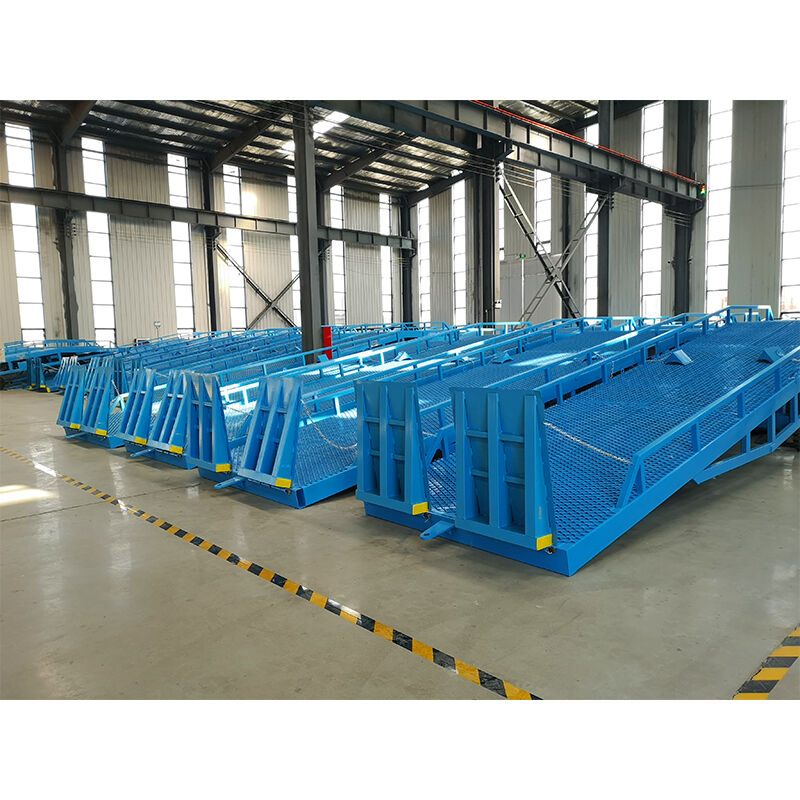
The remarkable versatility and adaptability of shipping container ramps provide logistics facilities with unprecedented flexibility to optimize their cargo handling operations across diverse scenarios and changing operational requirements. Modern ramp systems offer extensive configuration options including adjustable heights, variable angles, multiple width specifications, and modular extension capabilities that accommodate virtually any container handling situation. This adaptability enables facilities to service different vehicle types simultaneously, from standard delivery trucks to specialized heavy-haul transporters, without requiring separate infrastructure investments. The modular design philosophy allows operators to reconfigure ramp layouts quickly in response to seasonal demand fluctuations, facility expansions, or operational strategy changes. Portable shipping container ramp solutions provide temporary access capabilities for construction projects, emergency situations, or short-term facility modifications without permanent infrastructure commitments. The hydraulic adjustment systems enable precise positioning that matches specific vehicle deck heights, eliminating gaps or steep transitions that could damage equipment or cargo. Multi-directional access configurations allow container movement from multiple angles, optimizing traffic flow and reducing congestion in busy terminal environments. Interchangeable components facilitate rapid maintenance and replacement procedures, minimizing downtime and maintaining operational continuity. The adaptable features extend to surface treatments, with options for enhanced traction in wet conditions, chemical resistance for specialized cargo, and noise reduction for urban installations. Lighting integration capabilities ensure safe operations during night shifts and low-visibility conditions, while communication system compatibility enables coordination with facility management systems. The versatility also encompasses installation options, with permanent, semi-permanent, and completely portable alternatives available to match specific site requirements and budget constraints. Seasonal adaptation features allow for snow removal equipment access, drainage modifications, and temperature-related adjustments that maintain functionality year-round. These comprehensive adaptability features ensure that shipping container ramps provide long-term value by evolving with changing operational needs rather than becoming obsolete infrastructure investments.
Enhanced Safety Systems and Operational Efficiency

Enhanced Safety Systems and Operational Efficiency

The integration of advanced safety systems and operational efficiency features in modern shipping container ramps creates a comprehensive solution that protects personnel, equipment, and cargo while maximizing productivity in demanding logistics environments. Sophisticated safety protocols include automated collision detection systems, emergency stop mechanisms, and real-time monitoring capabilities that prevent accidents and minimize operational risks. Anti-slip surface treatments provide secure traction for heavy equipment under all weather conditions, while safety barriers and guardrails protect personnel from accidental contact with moving machinery. The operational efficiency benefits stem from streamlined workflow designs that eliminate unnecessary handling steps, reduce container dwell times, and optimize equipment utilization rates throughout cargo operations. Integrated sensor technology monitors ramp conditions continuously, alerting operators to potential maintenance needs before they impact operations or safety. The efficiency gains include reduced fuel consumption through optimized equipment routing, decreased labor requirements due to automated positioning systems, and improved scheduling flexibility that accommodates peak demand periods. Traffic management systems coordinate multiple equipment movements simultaneously, preventing conflicts and maximizing throughput capacity. Emergency response features include rapid evacuation procedures, backup power systems for critical functions, and communication links to facility security and medical services. The safety systems extend to environmental protection, with spill containment features, drainage management, and air quality monitoring in enclosed facilities. Operational efficiency monitoring provides real-time performance data that enables continuous improvement initiatives and predictive maintenance scheduling. Training integration features help operators develop proper safety procedures and efficient operating techniques, reducing human error risks while improving overall performance. The comprehensive approach to safety and efficiency creates measurable improvements in operational metrics including accident reduction rates, productivity increases, and cost savings that justify the investment in quality shipping container ramp systems. These advanced features ensure compliance with evolving safety regulations while providing the operational advantages necessary for competitive logistics operations in demanding market conditions.

Get a Free Quote

Our representative will contact you soon.
Email
Mobile/WhatsApp
Name
Company Name
Message
0/1000