loading container ramp
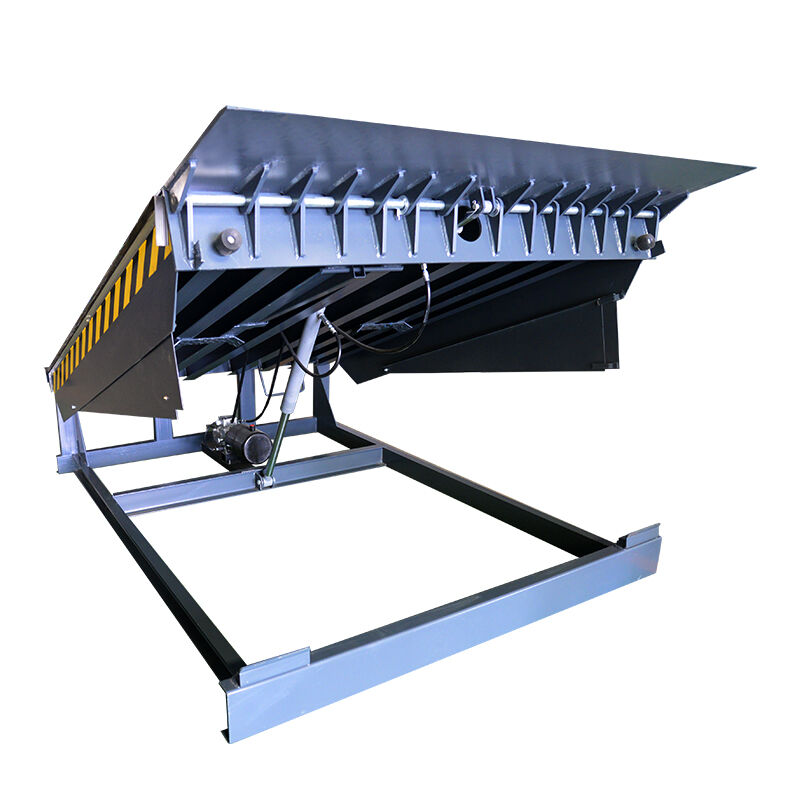
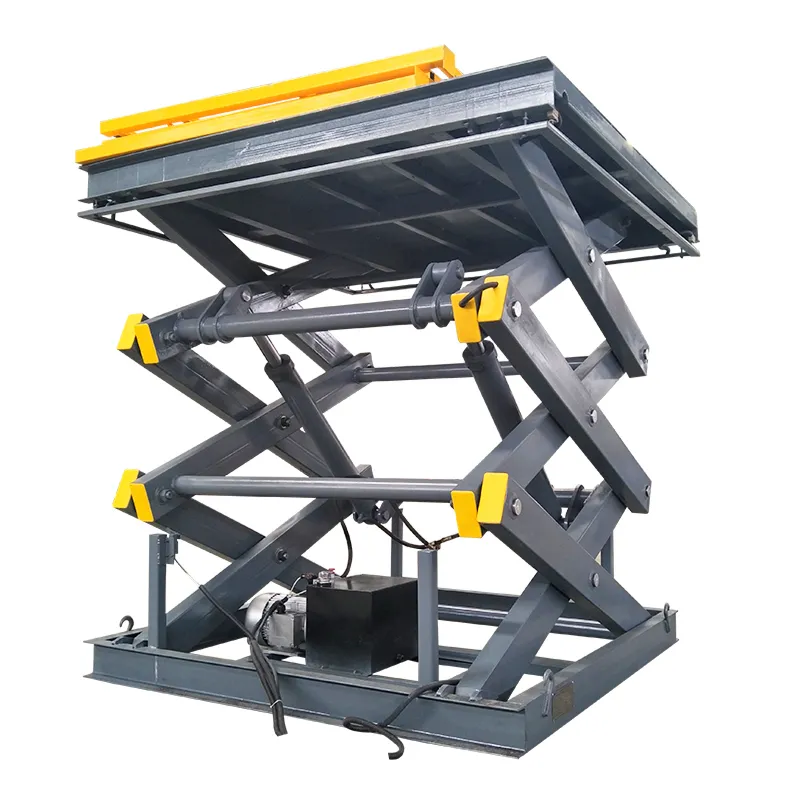
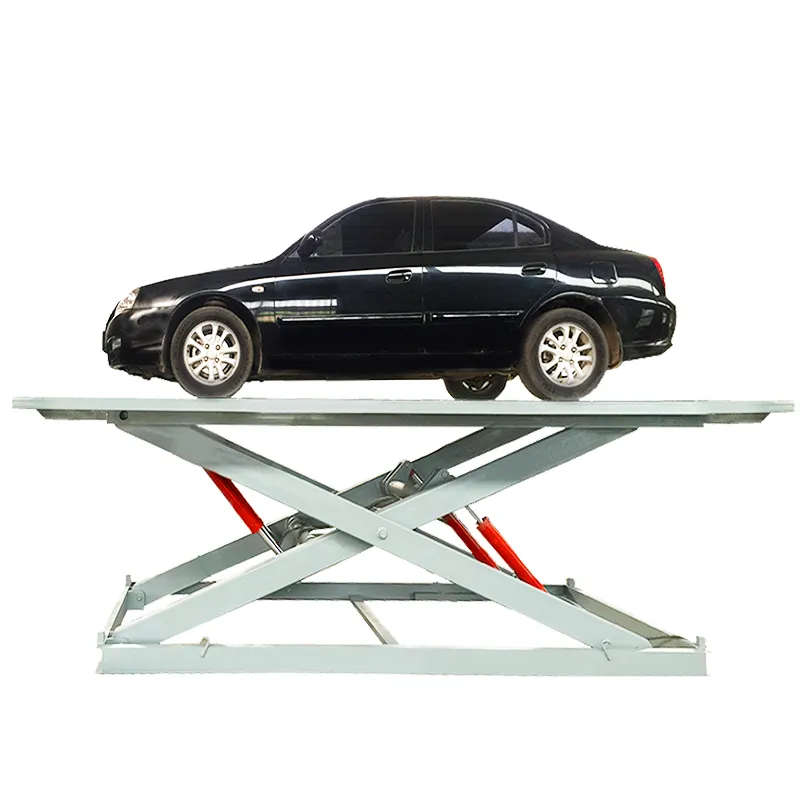
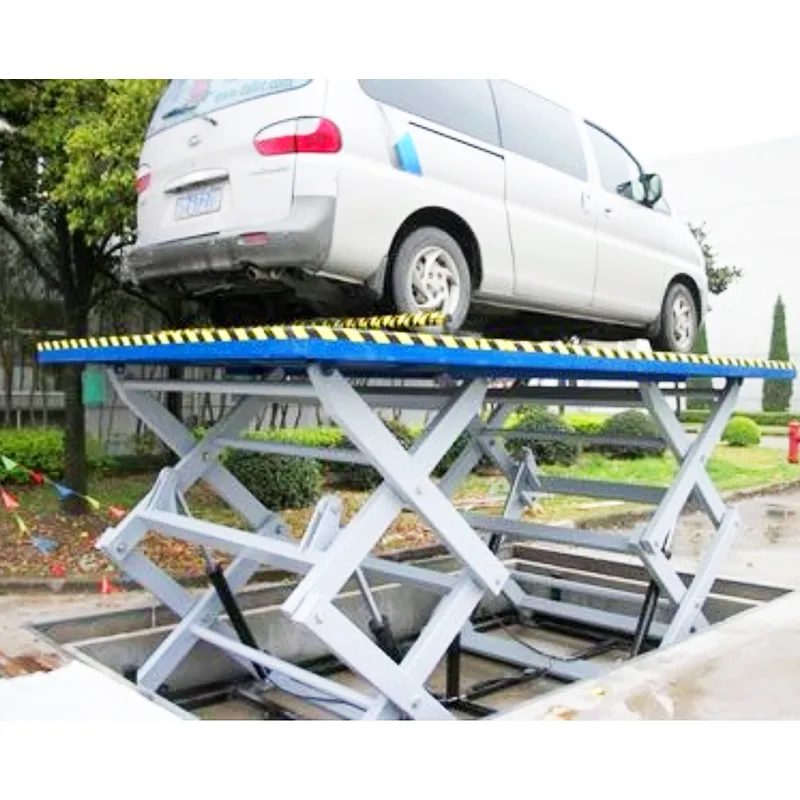
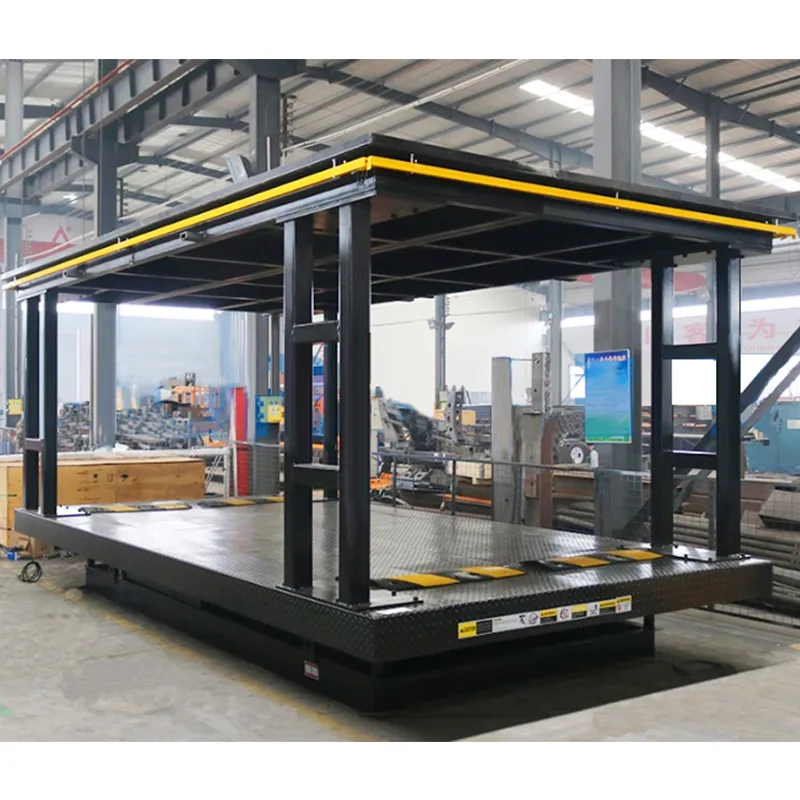
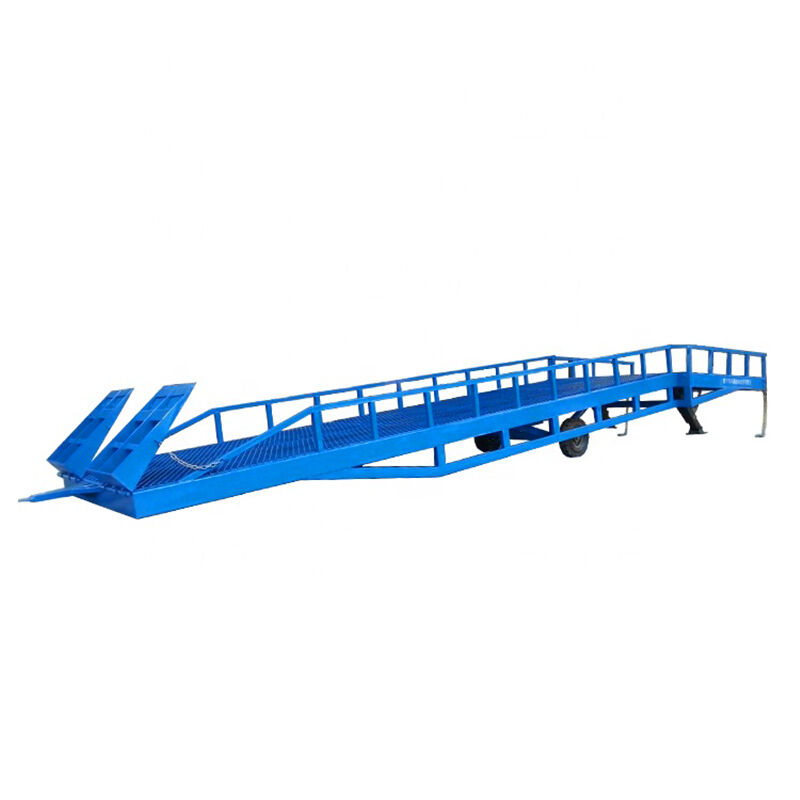
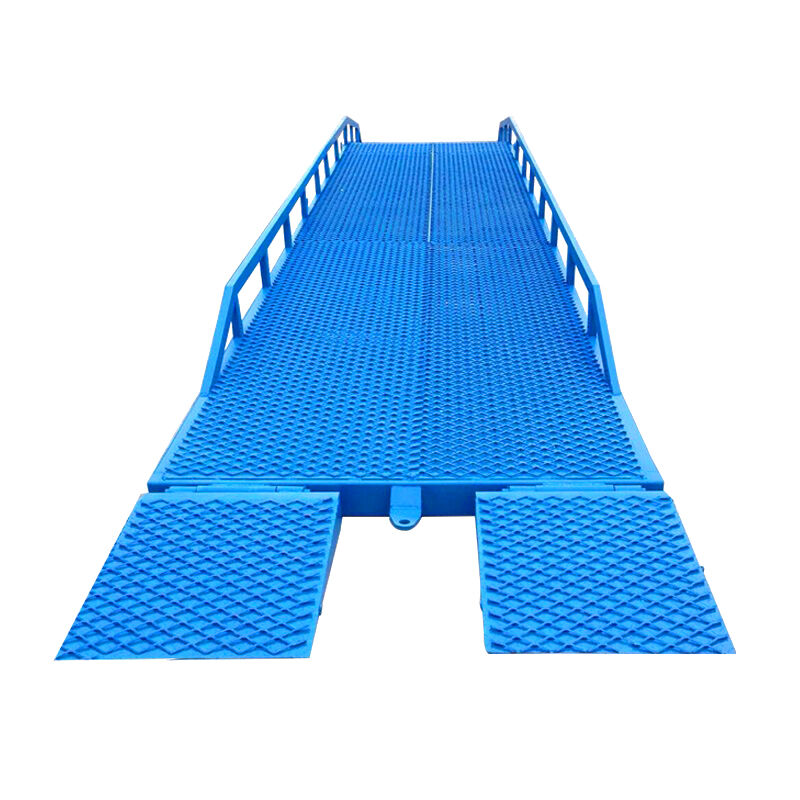
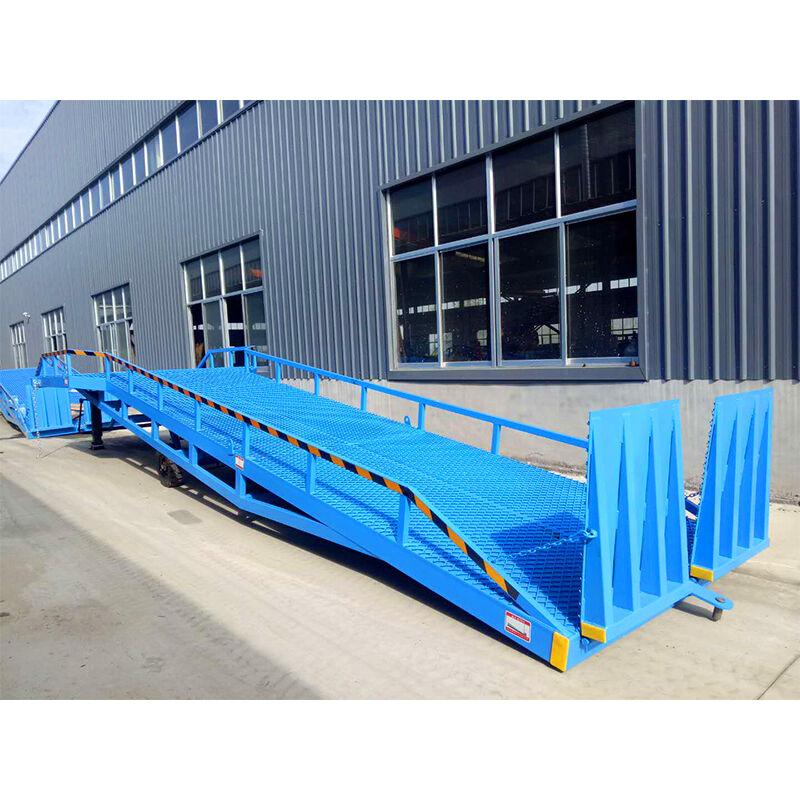
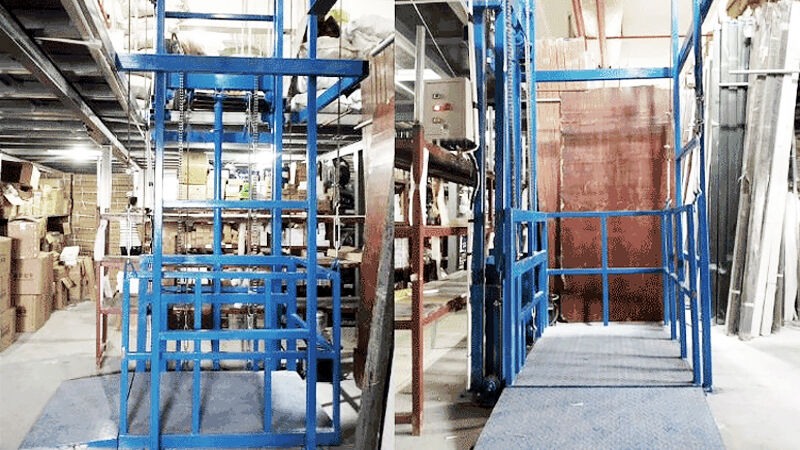
A loading container ramp represents a crucial piece of industrial equipment designed to facilitate the efficient movement of goods between different elevation levels during container loading and unloading operations. This specialized ramp system serves as a bridge between loading docks, trucks, containers, and warehouse floors, ensuring seamless cargo transfer while maintaining safety standards and operational efficiency. The loading container ramp incorporates robust engineering principles to handle substantial weight loads while providing a stable, secure pathway for forklifts, pallet jacks, and manual cargo handling. Modern loading container ramp systems feature adjustable height mechanisms that accommodate various container sizes and truck configurations, making them versatile solutions for diverse logistics environments. The ramp's construction typically utilizes high-grade steel materials with anti-slip surface treatments to prevent accidents and ensure reliable performance under demanding conditions. Advanced loading container ramp models integrate hydraulic or mechanical adjustment systems that allow operators to quickly modify the ramp angle and height to match specific loading requirements. These ramps often include safety features such as lip extensions that create secure connections with container floors, preventing gaps that could cause accidents or cargo damage. The loading container ramp design considers factors such as load distribution, structural integrity, and ease of operation to deliver reliable performance across various industrial applications. Many systems incorporate portability features, allowing facilities to relocate ramps as needed to optimize workflow efficiency. The technological sophistication of modern loading container ramp solutions extends to include remote control operations, automated positioning systems, and integrated safety sensors that enhance both productivity and workplace safety standards throughout cargo handling operations.
 EN
EN