Enhanced Safety and Regulatory Compliance
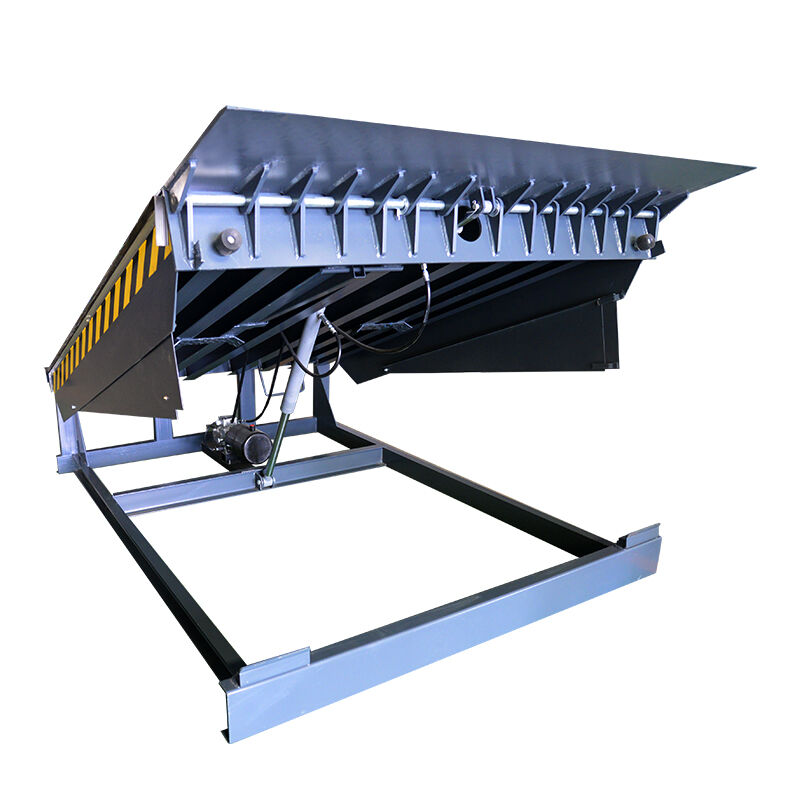
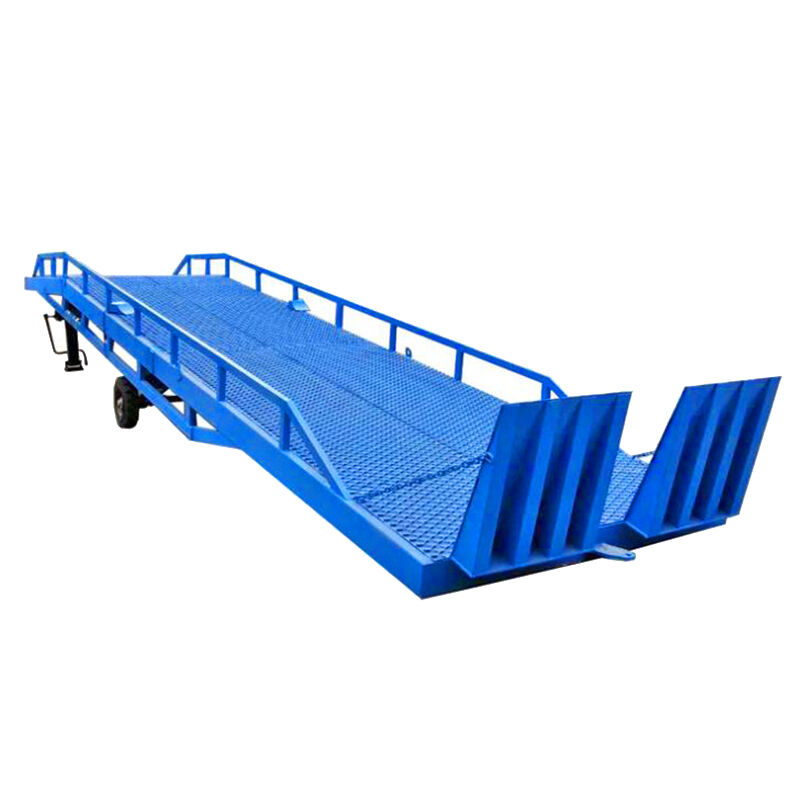
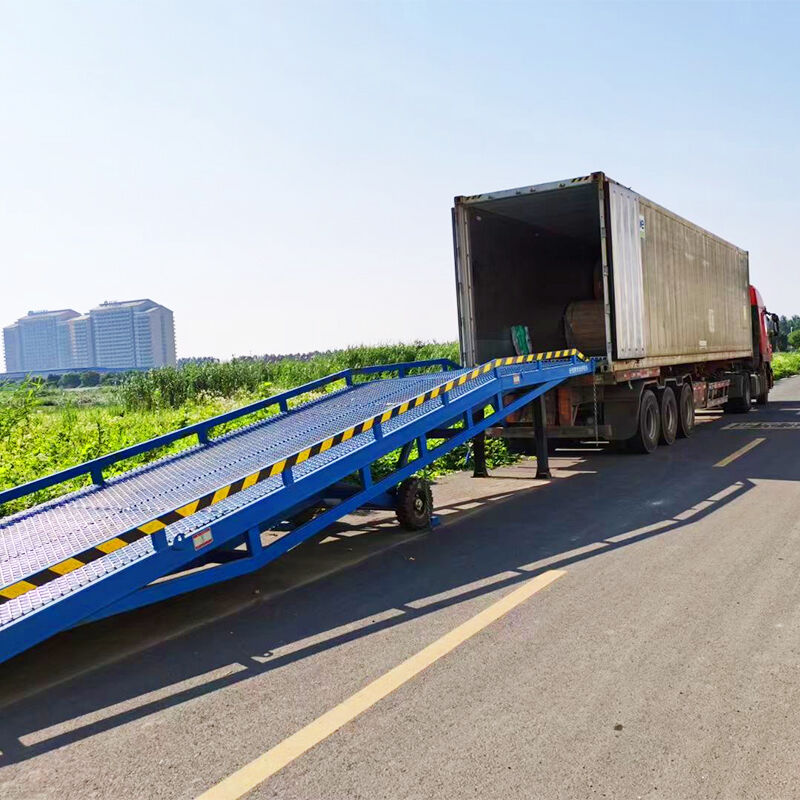
Enhanced safety and regulatory compliance represent fundamental advantages that position loading ramp containers as superior alternatives to traditional cargo handling methods. The integrated safety systems encompass comprehensive protection mechanisms designed to safeguard personnel, cargo, and equipment throughout all operational phases. The loading ramp container incorporates advanced safety features including emergency stop systems, hydraulic pressure monitoring, and fail-safe mechanisms that prevent equipment malfunctions from creating hazardous conditions. The non-slip surface treatments and integrated lighting systems ensure safe working conditions regardless of weather conditions or operational timeframes, reducing accident risks and supporting consistent productivity levels. The structural design emphasizes stability and load distribution, preventing dangerous shifting or tipping incidents that commonly occur with external loading equipment. These safety enhancements translate into reduced insurance premiums, lower workers compensation costs, and improved regulatory compliance ratings that benefit overall business operations. The loading ramp container system meets or exceeds international safety standards including ISO specifications, OSHA requirements, and DOT regulations, ensuring compatibility with global transportation networks and regulatory frameworks. This comprehensive compliance approach eliminates potential legal complications and supports seamless international trade operations. The enhanced safety features also include integrated fall protection systems, emergency communication capabilities, and automated safety monitoring that continuously assess operational conditions and provide immediate alerts when safety parameters exceed acceptable limits. The loading ramp container design incorporates ergonomic principles that reduce physical strain on workers while maintaining efficient cargo handling capabilities, supporting long-term workforce health and productivity. The safety systems extend to cargo protection through secure restraint mechanisms, vibration dampening systems, and weather sealing that prevents damage during transportation and storage periods. This comprehensive protection reduces product liability risks and ensures customer satisfaction through consistent delivery quality. The regulatory compliance benefits include simplified documentation requirements, standardized inspection procedures, and automated compliance monitoring that reduces administrative burdens while ensuring full adherence to applicable regulations across different jurisdictions and transportation modes.
 EN
EN