Professional Shipping Container Loading Ramps - Heavy Duty Solutions for Efficient Cargo Handling

Get a Free Quote

Our representative will contact you soon.
Email
Mobile/WhatsApp
Name
Company Name
Message
0/1000

shipping container loading ramp

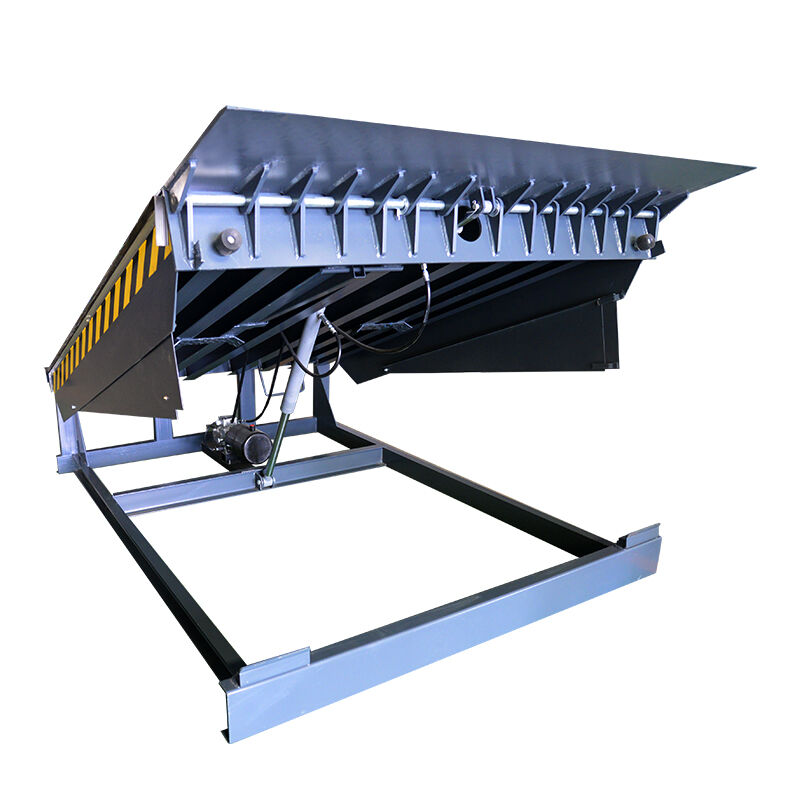
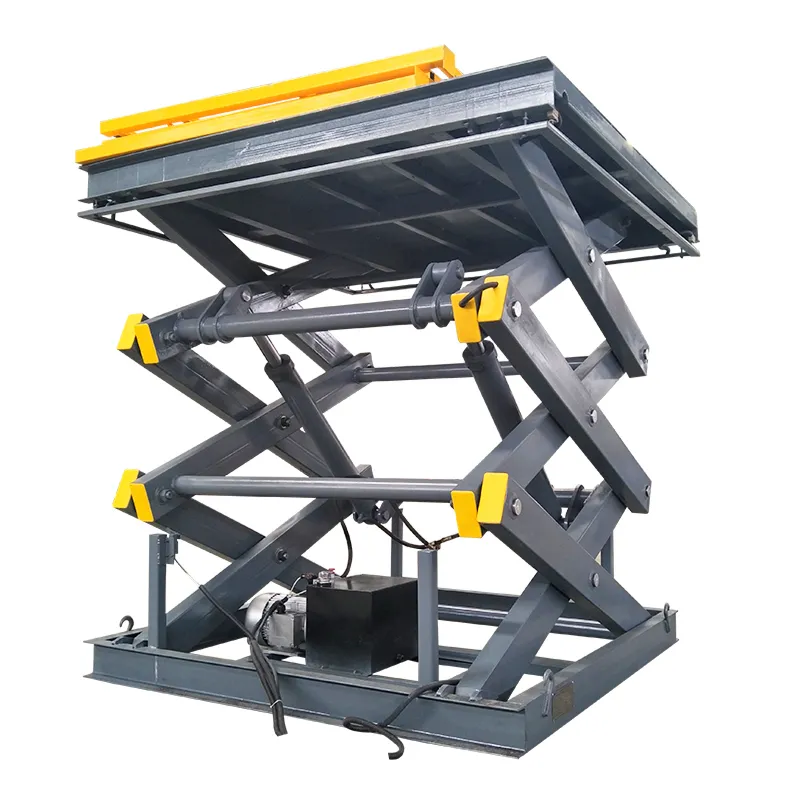
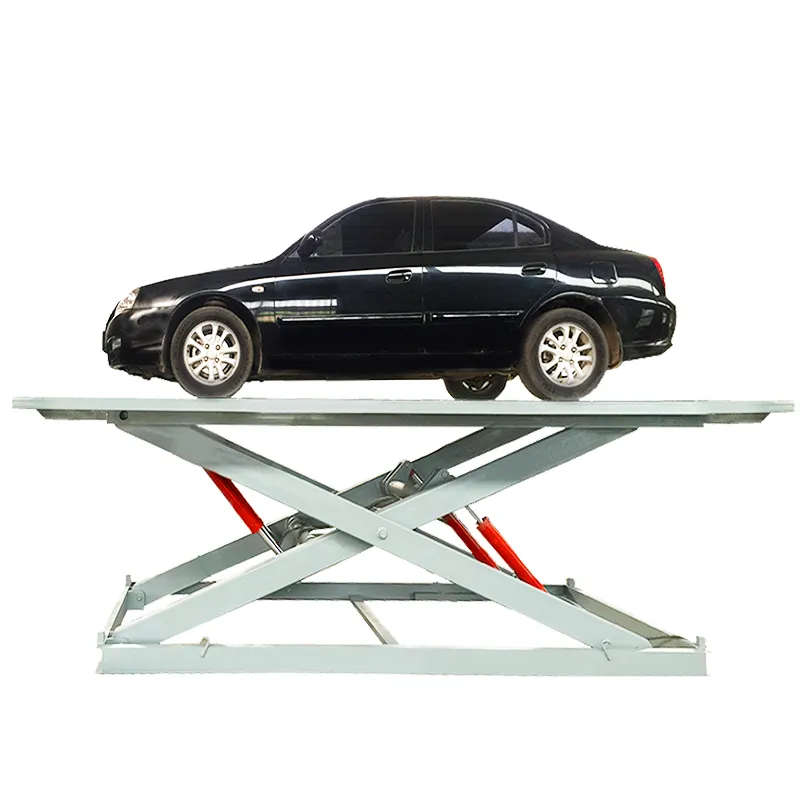
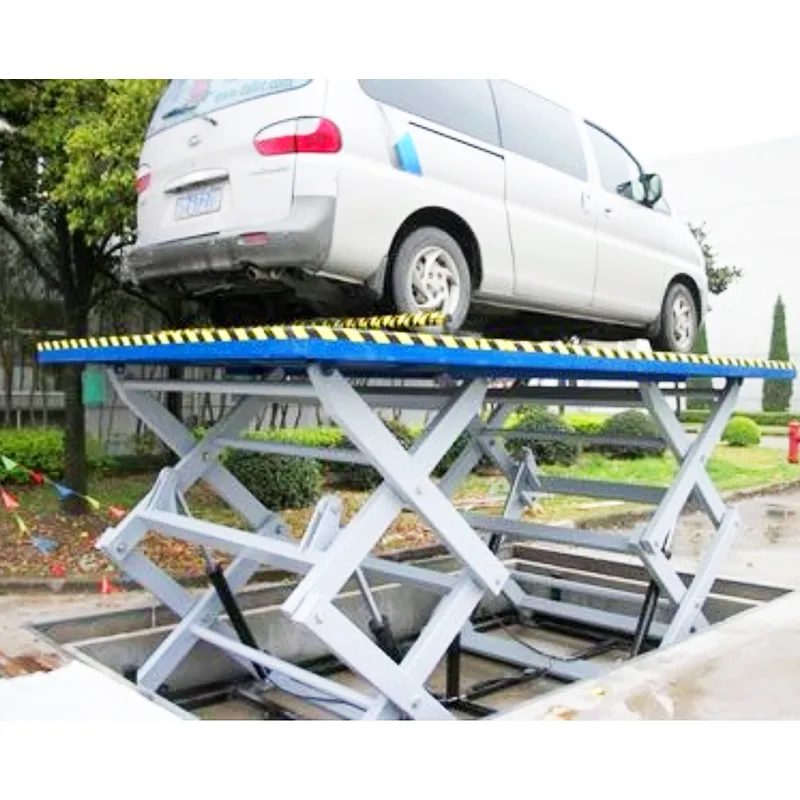
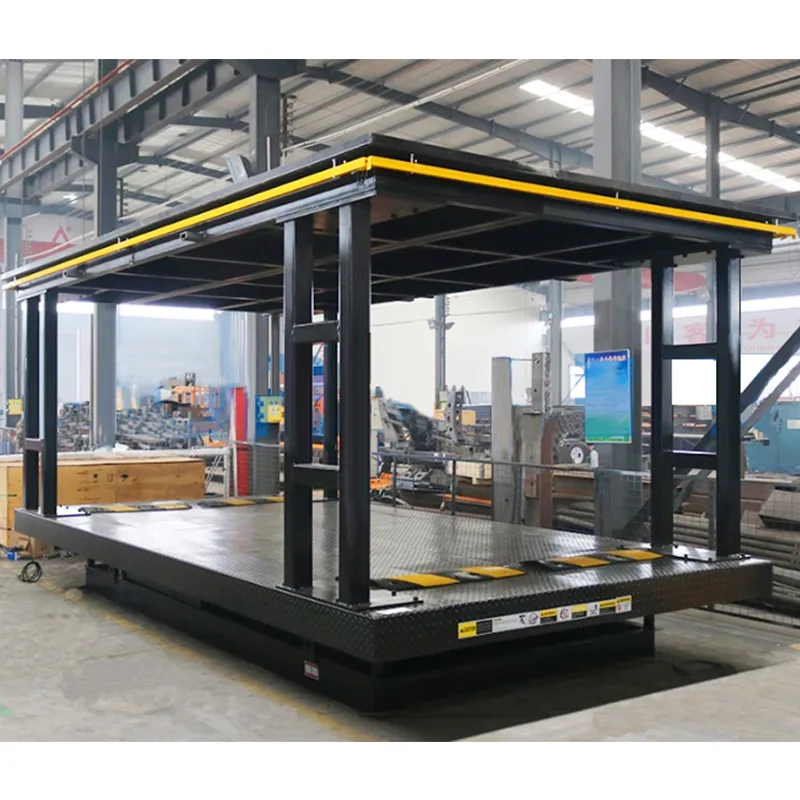
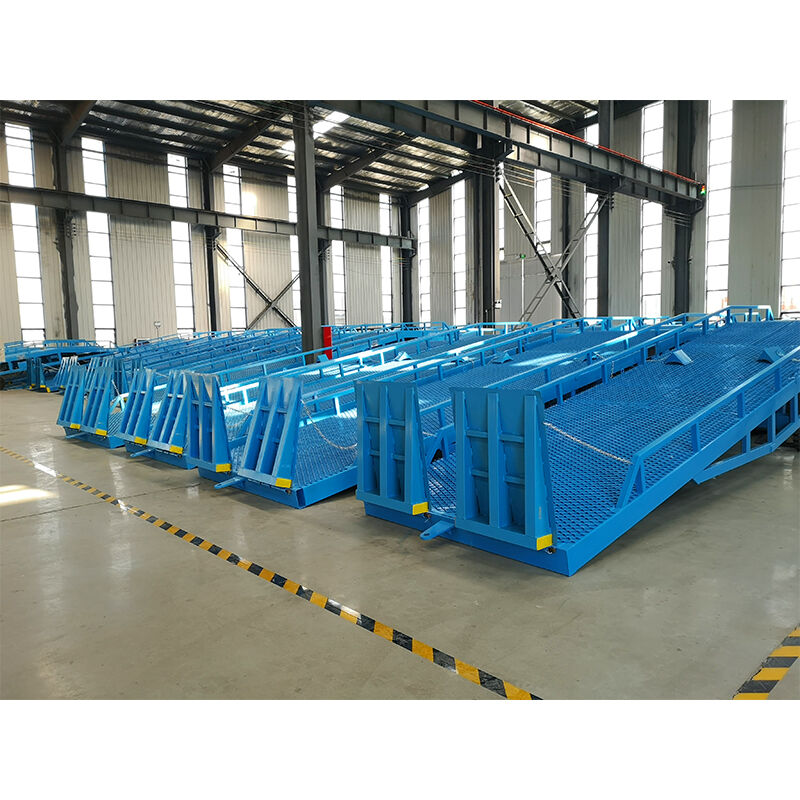
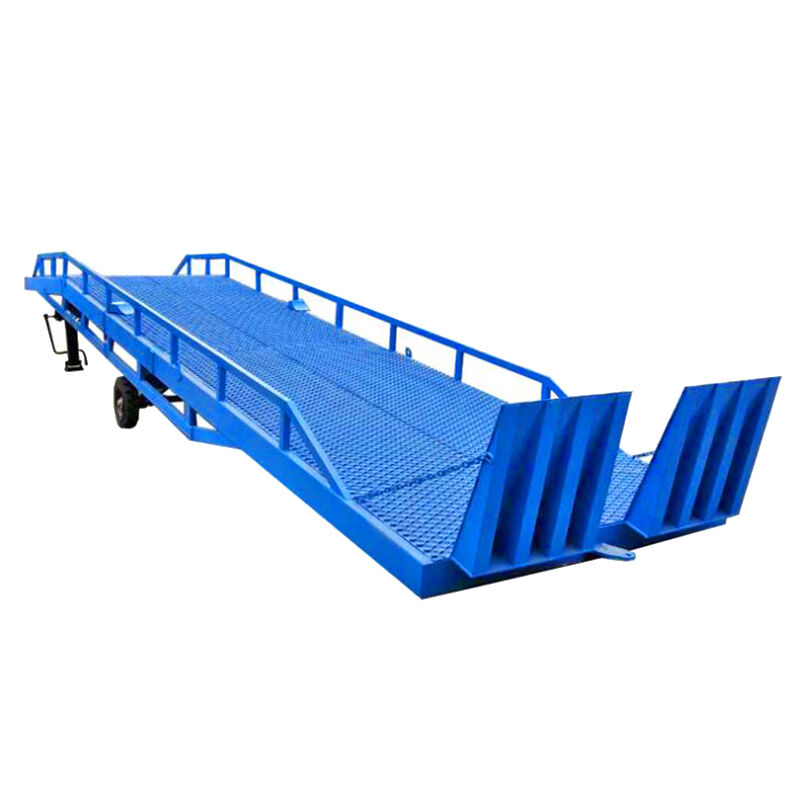
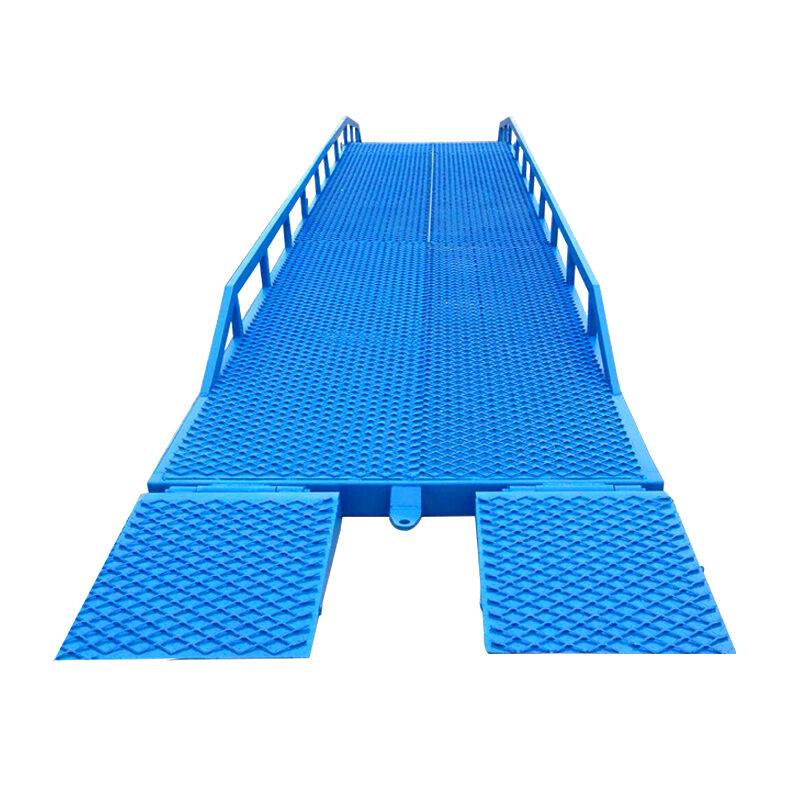
A shipping container loading ramp is an essential piece of equipment designed to facilitate the safe and efficient transfer of cargo between ground level and shipping containers. This versatile infrastructure component serves as a bridge that connects loading docks, warehouses, or ground surfaces to the elevated floor of standard shipping containers, which typically sit at heights ranging from 1.2 to 1.4 meters above ground level. The primary function of a shipping container loading ramp involves creating a smooth, gradual incline that allows forklifts, pallet jacks, hand trucks, and other material handling equipment to move cargo seamlessly into and out of containers. Modern shipping container loading ramps incorporate advanced engineering principles to ensure maximum safety and operational efficiency. These ramps feature adjustable height mechanisms that accommodate various container sizes and truck bed heights, ensuring optimal positioning for different loading scenarios. The technological features of contemporary shipping container loading ramps include hydraulic or mechanical adjustment systems that allow operators to fine-tune the ramp angle and height with precision. Many models incorporate safety barriers, non-slip surfaces, and load-bearing capacities that can handle substantial weights, typically ranging from 6,000 to 15,000 pounds depending on the specific model and application requirements. The applications for shipping container loading ramps extend across numerous industries including logistics, manufacturing, retail distribution, and international trade operations. Warehouses utilize these ramps to streamline their container loading and unloading processes, reducing labor costs and minimizing the risk of cargo damage during transfer operations. Port facilities, intermodal terminals, and freight forwarding companies rely on shipping container loading ramps to maintain efficient cargo flow and meet tight shipping schedules. The design versatility of these ramps makes them suitable for both permanent installation in high-volume facilities and portable configurations for temporary or mobile loading operations, ensuring maximum flexibility across diverse operational environments.

New Products

The shipping container loading ramp delivers numerous practical benefits that directly impact operational efficiency and cost-effectiveness for businesses handling containerized cargo. One of the most significant advantages involves dramatic time savings during loading and unloading operations. Traditional manual loading methods often require workers to lift and carry items up to container height, creating bottlenecks and increasing labor costs. A shipping container loading ramp eliminates these inefficiencies by allowing mechanical equipment to move cargo quickly and smoothly, reducing loading times by up to 70 percent compared to manual methods. Safety improvements represent another crucial advantage of implementing a shipping container loading ramp system. The equipment significantly reduces workplace injuries associated with manual lifting and carrying heavy items to elevated container floors. Workers can operate forklifts and other machinery on stable, non-slip surfaces with proper safety barriers, minimizing the risk of falls, strains, and equipment accidents. This enhanced safety profile leads to reduced insurance costs, fewer workers compensation claims, and improved employee morale. Cost reduction emerges as a compelling advantage through multiple channels. The shipping container loading ramp reduces labor requirements by enabling fewer workers to handle larger volumes of cargo more efficiently. Equipment wear and tear decreases when forklifts and other machinery operate on smooth, properly designed surfaces rather than makeshift solutions. Additionally, cargo damage rates drop significantly when items move along controlled pathways rather than being manually lifted and maneuvered into containers. Operational flexibility provides businesses with strategic advantages in managing varying cargo volumes and container types. Modern shipping container loading ramps accommodate different container heights and truck configurations, allowing companies to handle diverse shipping requirements without investing in multiple specialized solutions. This adaptability proves particularly valuable for businesses experiencing seasonal fluctuations or expanding into new markets with different container specifications. The equipment also enhances productivity by enabling simultaneous loading and unloading operations when multiple ramps are available, maximizing throughput during peak operational periods. Long-term durability and low maintenance requirements make shipping container loading ramps cost-effective investments that continue delivering value over extended periods while requiring minimal ongoing operational expenses.

Tips And Tricks

How Does an Industrial Lift Support High-Load Transportation Tasks?

10

Mar

How Does an Industrial Lift Support High-Load Transportation Tasks?

Industrial facilities across manufacturing, warehousing, and logistics sectors face constant challenges in moving heavy materials between different floor levels efficiently and safely. The mechanism by which an industrial lift handles high-load trans...
View More
Why Are Stationary Scissor Lifts Popular in Manufacturing Plants?

16

Mar

Why Are Stationary Scissor Lifts Popular in Manufacturing Plants?

Manufacturing plants worldwide have increasingly turned to stationary scissor lifts as essential equipment for their vertical material handling and access needs. These robust hydraulic platforms have become indispensable in modern industrial operatio...
View More
How Do Car Lifts for Home Garage Add Value to Real Estate Projects?

20

Mar

How Do Car Lifts for Home Garage Add Value to Real Estate Projects?

Car lifts for home garage installations have emerged as a premium feature that significantly enhances property value in today's competitive real estate market. These sophisticated automotive storage solutions transform ordinary residential garages in...
View More
What Are the Key Benefits of Installing a Goods Lift in Factories?

30

Mar

What Are the Key Benefits of Installing a Goods Lift in Factories?

In today’s highly competitive industrial environment, factories are under constant pressure to improve operational efficiency, reduce labor costs, and ensure workplace safety. One of the most practical solutions adopted by modern manufactu...
View More

Get a Free Quote

Our representative will contact you soon.
Email
Mobile/WhatsApp
Name
Company Name
Message
0/1000

shipping container loading ramp

Advanced Hydraulic Height Adjustment System

Advanced Hydraulic Height Adjustment System

The hydraulic height adjustment system represents the technological cornerstone of modern shipping container loading ramps, providing unprecedented precision and operational flexibility for diverse loading scenarios. This sophisticated mechanism utilizes high-pressure hydraulic cylinders and pumps to achieve smooth, controlled height adjustments that can accommodate various container types, truck bed heights, and loading dock configurations with millimeter-level accuracy. The system typically operates through an integrated control panel that allows operators to make fine adjustments quickly and safely, ensuring optimal ramp positioning for maximum efficiency and safety. The hydraulic adjustment capability extends beyond simple height modification, incorporating angle optimization features that maintain ideal slope gradients regardless of the height differential between the loading surface and container floor. This advanced functionality prevents excessive ramp angles that could compromise safety or damage cargo during transfer operations. The hydraulic system responds instantly to operator commands, enabling rapid repositioning between different container loads without requiring manual intervention or mechanical adjustments that consume valuable time during busy loading periods. Durability represents a key advantage of hydraulic adjustment systems, as these components undergo rigorous testing to withstand continuous operation under heavy load conditions. The hydraulic components feature corrosion-resistant materials and sealing systems designed to function reliably in challenging industrial environments, including outdoor applications exposed to weather extremes. Regular maintenance requirements remain minimal, typically involving periodic hydraulic fluid checks and seal inspections that can be performed by standard maintenance personnel. The precision control offered by hydraulic adjustment systems translates directly into improved operational safety, as operators can achieve optimal ramp positioning that minimizes stress on both the equipment and cargo being transferred. This technological advancement eliminates guesswork and reduces the potential for operator error that could result in equipment damage or workplace accidents. The investment in hydraulic adjustment technology pays dividends through reduced labor costs, improved safety records, and enhanced operational flexibility that allows businesses to handle diverse shipping requirements with a single, versatile shipping container loading ramp solution.
Heavy-Duty Load Bearing Capacity and Structural Engineering

Heavy-Duty Load Bearing Capacity and Structural Engineering

The structural engineering excellence of shipping container loading ramps centers on their exceptional load-bearing capacity, which enables businesses to handle diverse cargo types and weights without compromising safety or operational efficiency. These ramps undergo sophisticated engineering analysis and testing to achieve load ratings typically ranging from 6,000 to 15,000 pounds, accommodating everything from standard pallet loads to heavy machinery and industrial equipment transfers. The structural design incorporates high-grade steel construction with reinforced framework patterns that distribute weight evenly across the ramp surface, preventing stress concentration points that could lead to premature failure or safety hazards. The engineering approach emphasizes both static and dynamic load considerations, recognizing that moving equipment creates different stress patterns compared to stationary weights. Advanced computer modeling and finite element analysis guide the structural design process, ensuring that every component can withstand the forces generated by loaded forklifts traversing the ramp at various angles and speeds. This comprehensive engineering approach results in shipping container loading ramps that maintain structural integrity under demanding operational conditions while providing long service life that justifies the initial investment. Material selection plays a crucial role in achieving superior load-bearing performance, with manufacturers utilizing high-tensile strength steel alloys that offer optimal strength-to-weight ratios. The steel framework receives protective coatings and treatments that prevent corrosion and environmental degradation, ensuring that load-bearing capacity remains consistent throughout the equipment's operational lifespan. Surface materials incorporate diamond plate or textured steel designs that provide excellent traction for equipment tires while maintaining structural strength under concentrated loads. Safety factors built into the structural design typically exceed industry standards by significant margins, providing additional security for operations involving maximum rated loads. This conservative engineering approach accounts for potential overloading scenarios and dynamic forces that may exceed normal operational parameters, ensuring that the shipping container loading ramp continues functioning safely even under unexpected conditions. The robust structural engineering translates into reduced maintenance costs, extended equipment life, and the confidence that comes from knowing the ramp can handle current and future operational demands without performance degradation or safety concerns.
Portable Design and Installation Flexibility

Portable Design and Installation Flexibility

The portable design philosophy behind modern shipping container loading ramps addresses the diverse operational needs of businesses requiring loading solutions that adapt to changing facility layouts, temporary operations, and mobile logistics applications. This design flexibility stems from modular construction approaches that enable easy disassembly, transportation, and reinstallation without requiring specialized equipment or extensive technical expertise. The portable shipping container loading ramp configurations typically feature bolt-together assemblies and lightweight materials that maintain structural integrity while reducing overall system weight for enhanced mobility. Quick-connect systems and standardized hardware components streamline the installation process, allowing businesses to deploy loading ramp solutions rapidly in response to operational changes or emergency requirements. The portability advantage extends beyond simple relocation capabilities, encompassing the ability to optimize ramp positioning for specific loading scenarios, seasonal operational changes, and facility expansion projects. Companies operating multiple locations benefit significantly from portable ramp designs that can be shared between facilities based on operational demands, maximizing equipment utilization while minimizing capital investment requirements. The installation flexibility of portable shipping container loading ramps accommodates various ground conditions and facility constraints that might prevent permanent installations. These systems can operate effectively on concrete surfaces, asphalt, compacted gravel, and even temporary ground preparations, expanding their applicability across diverse operational environments. Leveling systems and adjustable support structures compensate for uneven surfaces and provide stable operating platforms regardless of ground conditions, ensuring consistent performance standards across different installation sites. Seasonal businesses and temporary operations particularly benefit from portable ramp solutions that can be deployed during peak periods and stored during low-activity phases, optimizing capital utilization and reducing operational overhead. The design incorporates weather-resistant materials and components that withstand outdoor storage conditions without degrading performance characteristics, ensuring reliability when equipment returns to active service. Setup and breakdown procedures typically require minimal time and labor, with many portable shipping container loading ramps capable of full deployment within hours of arrival at new locations. This rapid deployment capability proves invaluable for disaster relief operations, emergency logistics support, and time-sensitive commercial applications where traditional permanent installations would be impractical or impossible to implement within required timeframes.

Get a Free Quote

Our representative will contact you soon.
Email
Mobile/WhatsApp
Name
Company Name
Message
0/1000