small elevator for goods
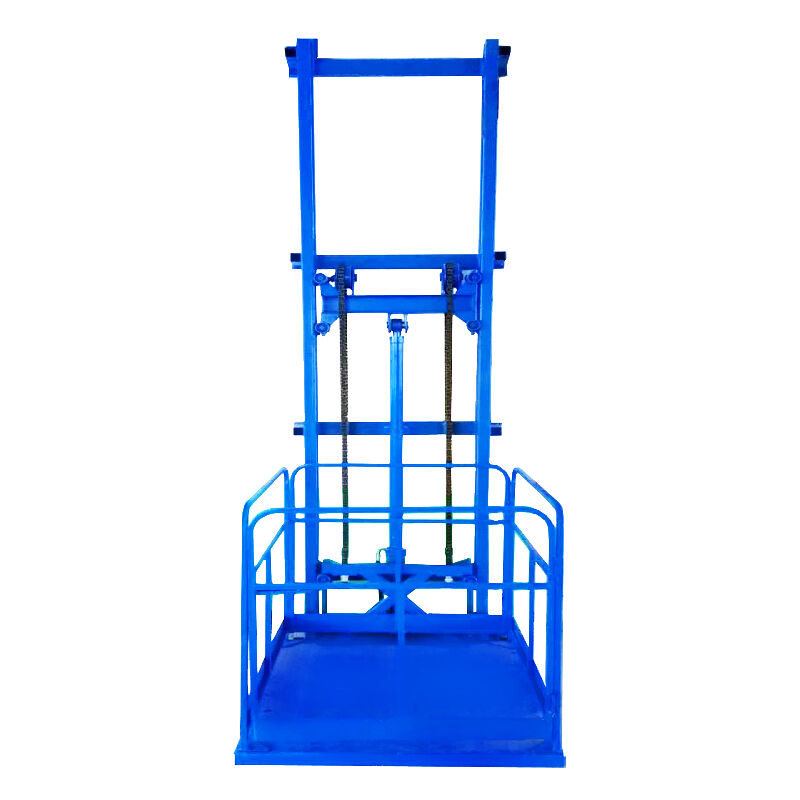
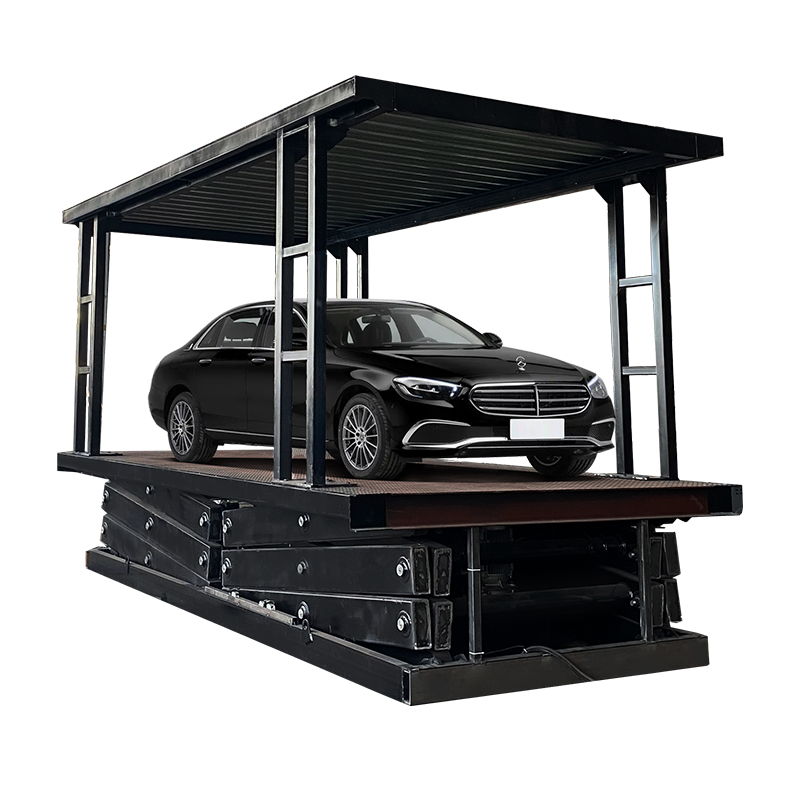
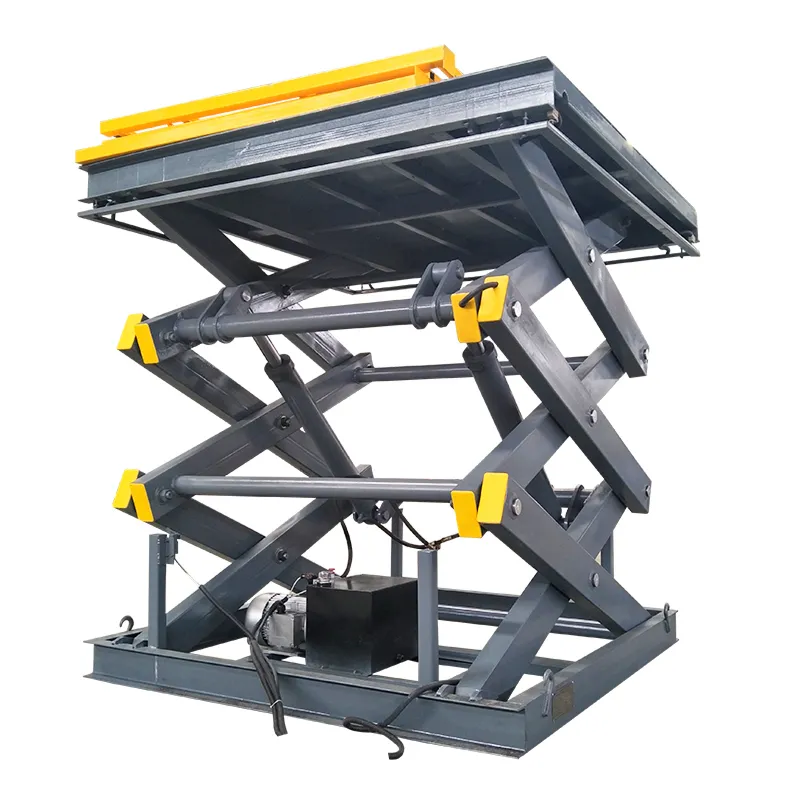
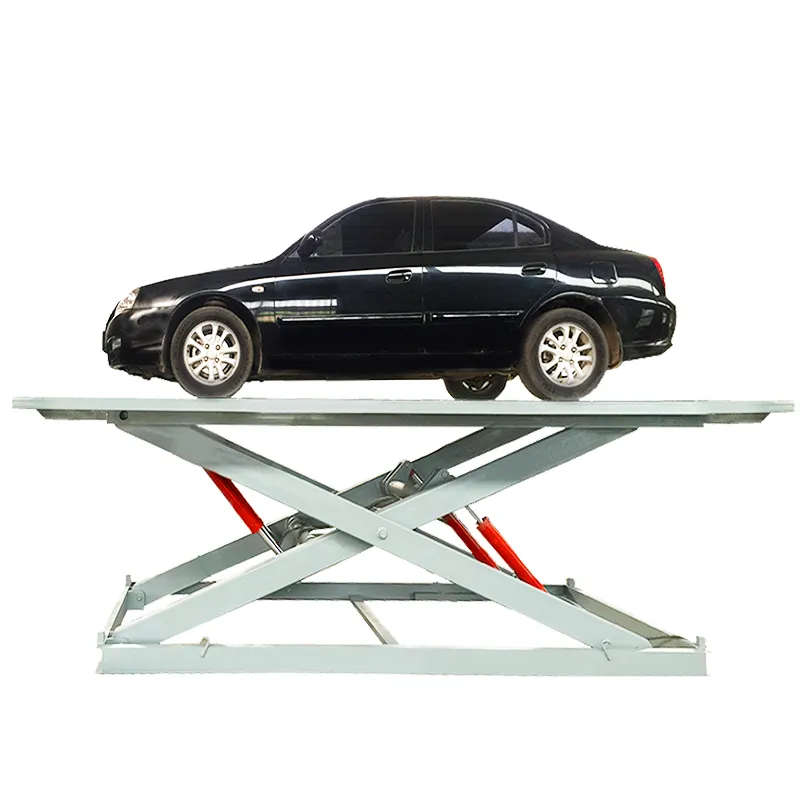
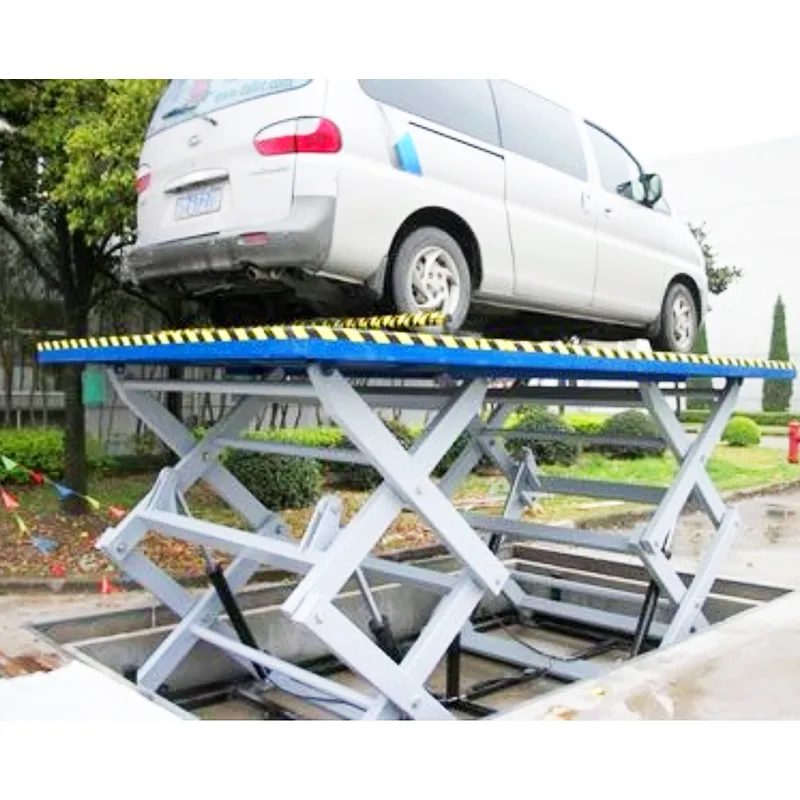
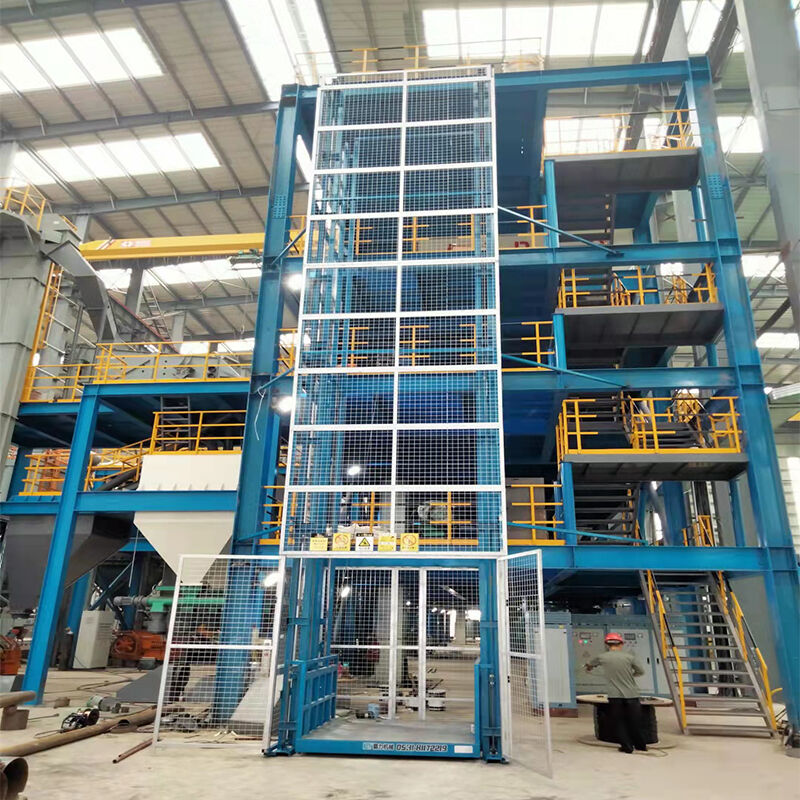
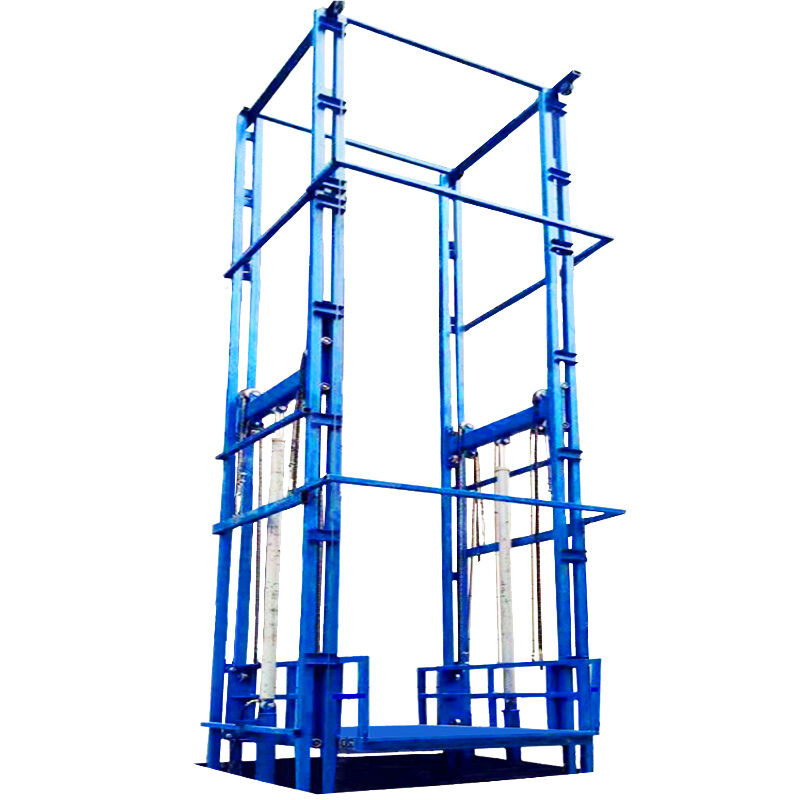
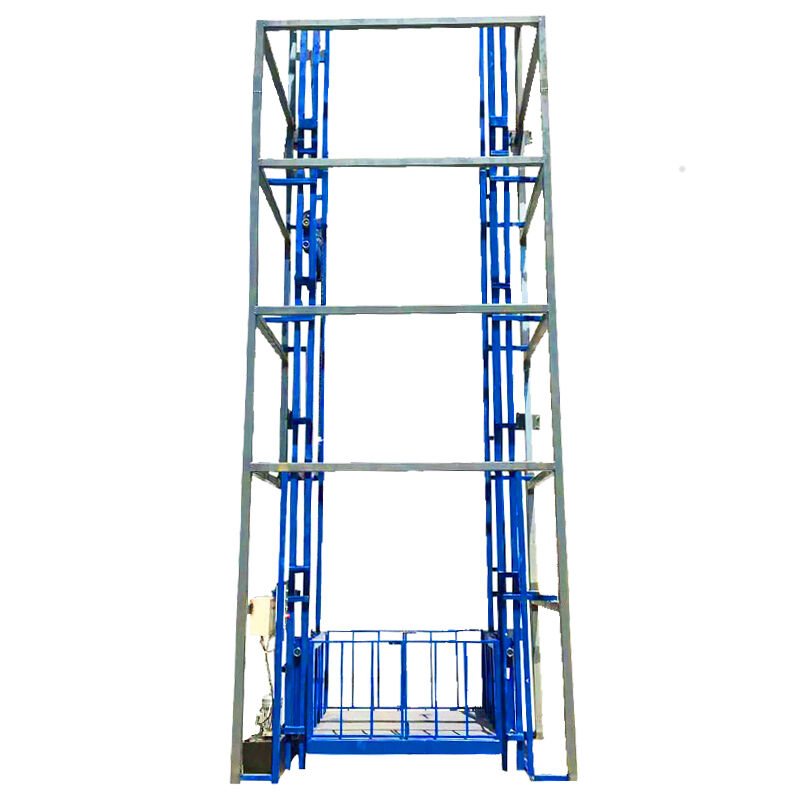
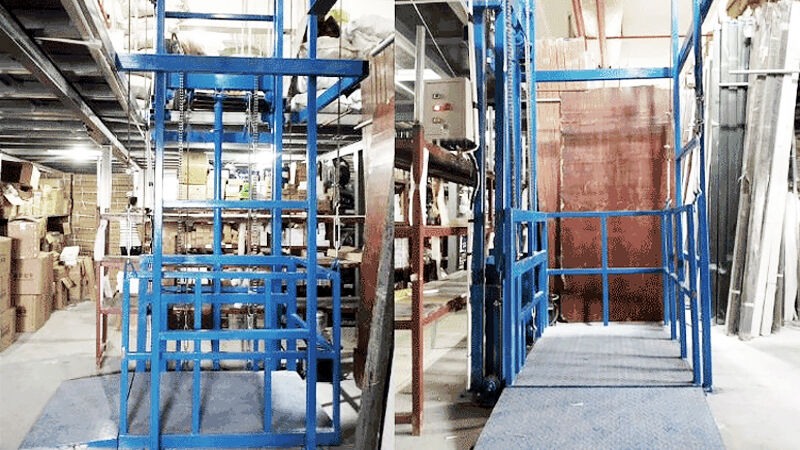
A small elevator for goods represents a revolutionary vertical transportation solution designed specifically for efficient material handling in buildings where traditional freight elevators would be impractical or unnecessary. These compact lifting systems serve as essential infrastructure components for businesses, residential complexes, and commercial facilities that require reliable vertical movement of products, documents, supplies, and lightweight cargo between different floors. The small elevator for goods operates through advanced mechanical systems that combine electric motors, precision guide rails, and sophisticated control panels to deliver smooth, consistent performance. Modern units typically feature load capacities ranging from 50 to 500 kilograms, making them ideal for transporting everything from office supplies and restaurant meals to retail merchandise and medical equipment. The technological architecture of these systems incorporates safety mechanisms including emergency brakes, overload protection, and backup power systems to ensure reliable operation under various conditions. Installation flexibility stands as a primary characteristic, as these elevators can be integrated into existing structures with minimal construction disruption. The compact footprint allows placement in areas where conventional elevators cannot fit, such as narrow shafts, corner spaces, or retrofitted buildings. Control systems have evolved to include programmable logic controllers that enable multiple floor stops, automated scheduling, and remote monitoring capabilities. Many models feature stainless steel construction for durability and hygiene compliance, particularly important in food service and healthcare applications. The small elevator for goods typically operates at speeds between 0.15 to 0.5 meters per second, balancing efficiency with safety requirements. Modern installations often incorporate energy-efficient components including LED lighting, variable frequency drives, and regenerative braking systems that reduce operational costs while maintaining performance standards.
 EN
EN