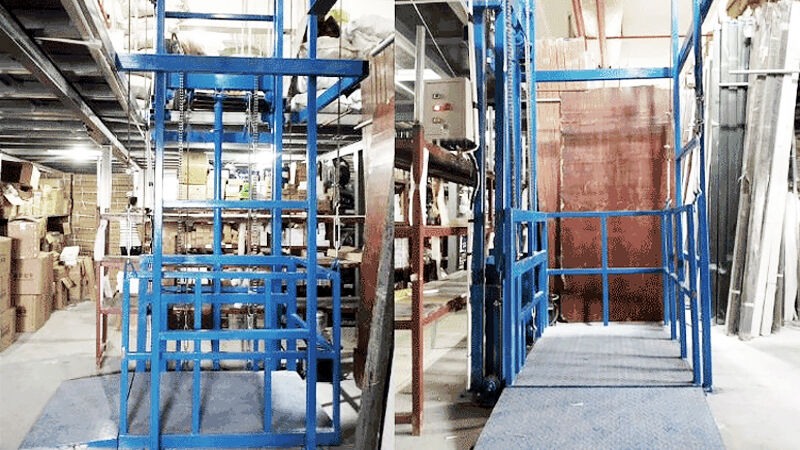
Smart Warehouse Management Systems: Complete Guide to Automated Logistics Solutions

Get a Free Quote

Our representative will contact you soon.
Email
Mobile/WhatsApp
Name
Company Name
Message
0/1000

smart warehouse management

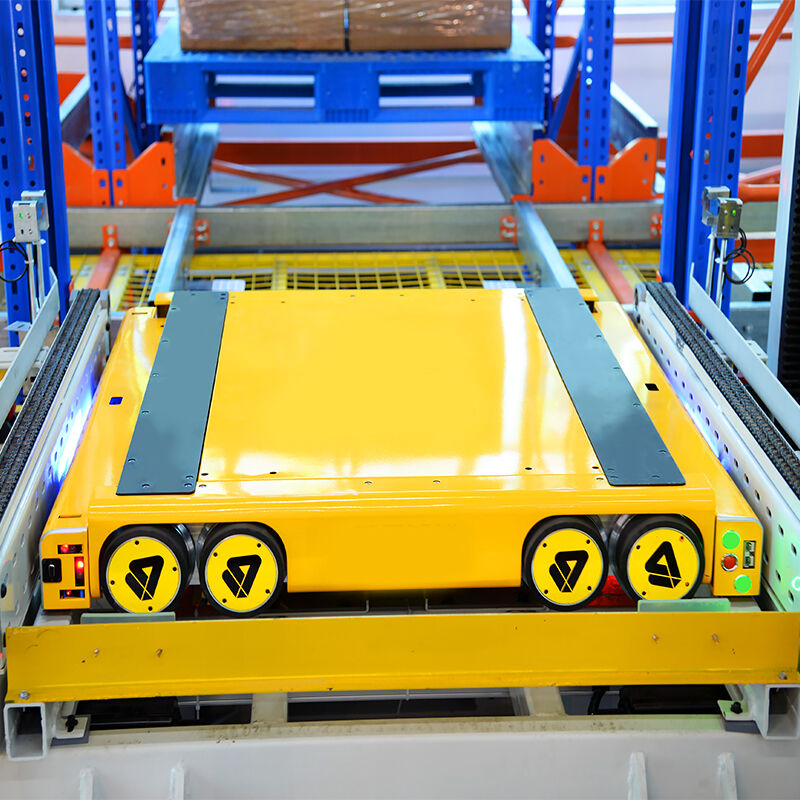
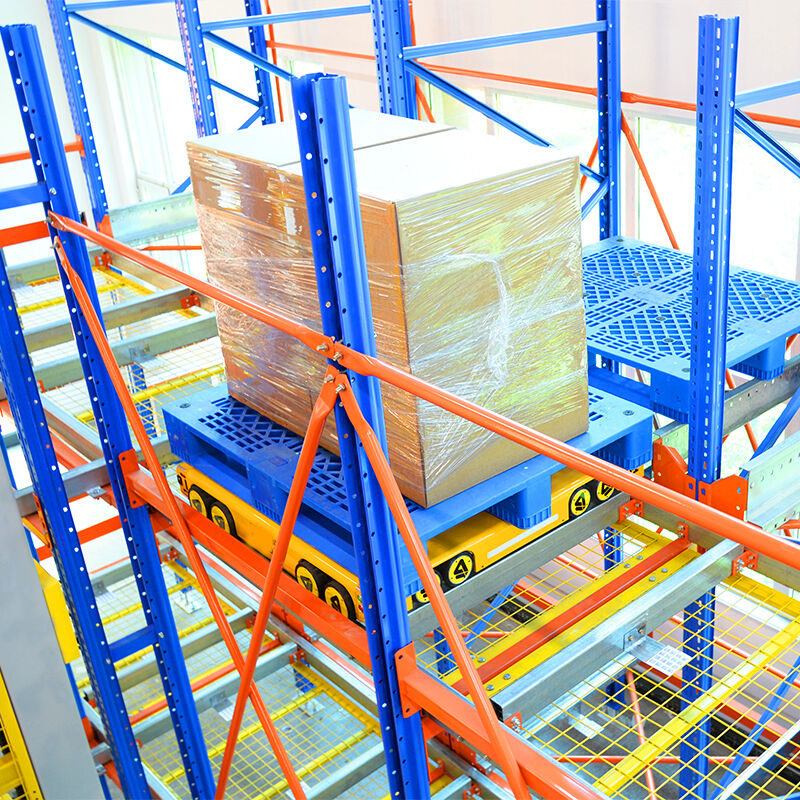
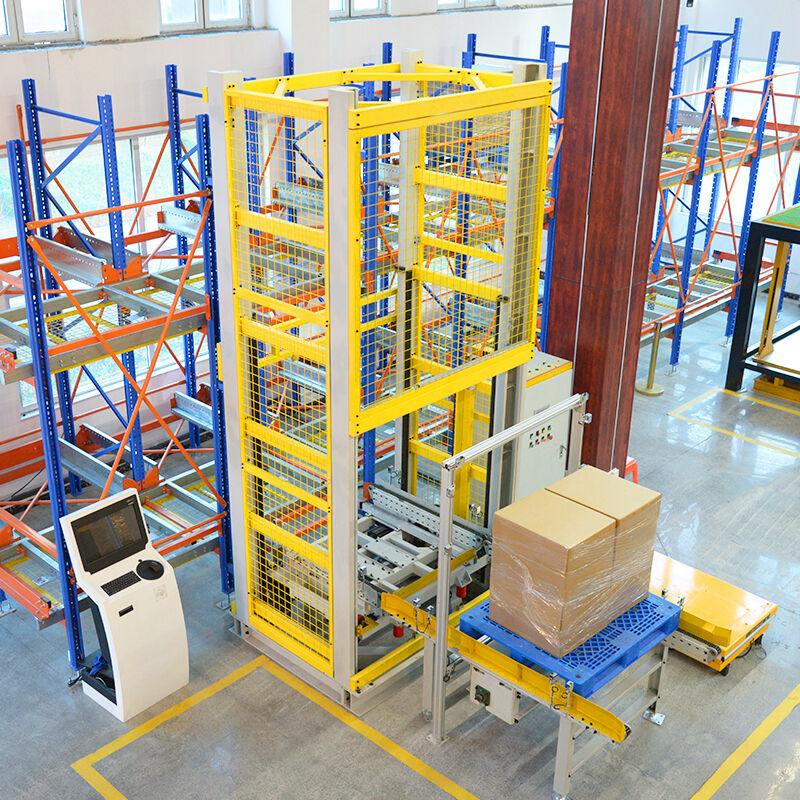
Smart warehouse management represents a revolutionary approach to logistics operations, transforming traditional storage facilities into highly efficient, automated environments. This comprehensive system integrates advanced technologies to streamline inventory control, optimize space utilization, and enhance overall operational efficiency. Modern smart warehouse management systems utilize artificial intelligence, machine learning algorithms, and Internet of Things sensors to create interconnected networks that monitor and control every aspect of warehouse operations. The system's main functions encompass real-time inventory tracking, automated picking and packing processes, predictive analytics for demand forecasting, and seamless integration with supply chain partners. These sophisticated platforms employ RFID technology, barcode scanning, and computer vision systems to maintain accurate inventory records while minimizing human error. The technological features include cloud-based data storage, mobile accessibility, and dashboard reporting that provides managers with instant insights into warehouse performance metrics. Automated guided vehicles and robotic systems work alongside human operators to handle material movement and order fulfillment tasks. The system's architecture supports scalable operations, allowing businesses to expand their warehouse capabilities without compromising efficiency. Smart warehouse management applications span across various industries, from e-commerce and retail to manufacturing and pharmaceutical sectors. These systems excel in high-volume environments where accuracy and speed are paramount. The integration capabilities extend to enterprise resource planning systems, transportation management platforms, and customer relationship management tools, creating a unified ecosystem for business operations. Advanced analytics engines within smart warehouse management solutions identify bottlenecks, optimize routing paths, and predict equipment maintenance needs before failures occur. The technology continuously learns from operational patterns, improving performance over time while reducing costs and increasing customer satisfaction through faster, more accurate order processing.

Popular Products

Smart warehouse management delivers substantial benefits that directly impact your bottom line and operational efficiency. The most immediate advantage is the dramatic reduction in human errors, which typically plague traditional warehouse operations. When your team relies on manual processes, mistakes in picking, packing, and inventory counts can cost thousands of dollars in lost revenue and customer dissatisfaction. Smart warehouse management eliminates these costly errors through automated verification systems and real-time tracking capabilities. Your business will experience significantly faster order processing times, enabling you to meet customer expectations for rapid delivery while handling larger volumes without proportional increases in staffing costs. The system provides complete visibility into your inventory levels, preventing stockouts that could result in lost sales and helping you avoid overstock situations that tie up valuable capital. Cost savings extend beyond error reduction to include optimized space utilization, where the system calculates the most efficient storage locations and reduces the time workers spend searching for items. Your labor productivity increases substantially as employees focus on value-added activities rather than mundane, repetitive tasks. The technology scales with your business growth, accommodating increased order volumes and expanded product lines without requiring complete system overhauls. Enhanced customer satisfaction results from accurate orders, faster shipping times, and improved communication about order status. The system's predictive capabilities help you anticipate demand patterns, optimize purchasing decisions, and maintain optimal inventory levels across all product categories. Integration with your existing business systems eliminates data silos and provides comprehensive insights for strategic decision-making. Smart warehouse management reduces operational risks by monitoring equipment performance, predicting maintenance needs, and ensuring compliance with safety regulations. Your competitive advantage strengthens as you can offer faster delivery times, better accuracy rates, and more flexible service options compared to businesses using outdated warehouse management approaches. The return on investment becomes evident within months through reduced labor costs, improved inventory turnover, and enhanced customer retention rates.

Practical Tips

What Are the Advantages of Choosing a Custom Lift Manufacturer?

05

Mar

What Are the Advantages of Choosing a Custom Lift Manufacturer?

When businesses need vertical transportation solutions, they often face a critical decision: choose a standard, off-the-shelf lift system or partner with a custom lift manufacturer. While pre-engineered lifts may seem like the simpler option, working...
View More
How Does an Industrial Lift Support High-Load Transportation Tasks?

10

Mar

How Does an Industrial Lift Support High-Load Transportation Tasks?

Industrial facilities across manufacturing, warehousing, and logistics sectors face constant challenges in moving heavy materials between different floor levels efficiently and safely. The mechanism by which an industrial lift handles high-load trans...
View More
How Do Car Lifts for Home Garage Add Value to Real Estate Projects?

20

Mar

How Do Car Lifts for Home Garage Add Value to Real Estate Projects?

Car lifts for home garage installations have emerged as a premium feature that significantly enhances property value in today's competitive real estate market. These sophisticated automotive storage solutions transform ordinary residential garages in...
View More
What Are the Key Benefits of Installing a Goods Lift in Factories?

30

Mar

What Are the Key Benefits of Installing a Goods Lift in Factories?

In today’s highly competitive industrial environment, factories are under constant pressure to improve operational efficiency, reduce labor costs, and ensure workplace safety. One of the most practical solutions adopted by modern manufactu...
View More

Get a Free Quote

Our representative will contact you soon.
Email
Mobile/WhatsApp
Name
Company Name
Message
0/1000

smart warehouse management

Real-Time Inventory Visibility and Control

Real-Time Inventory Visibility and Control

Smart warehouse management transforms inventory control from a reactive process into a proactive strategic advantage through comprehensive real-time visibility systems. This advanced capability provides instant access to accurate inventory data across all storage locations, enabling managers to make informed decisions based on current stock levels rather than outdated information from periodic counts. The system continuously monitors inventory movement through sophisticated tracking technologies, including RFID tags, barcode scanners, and IoT sensors that capture data at every touchpoint throughout the warehouse. This real-time visibility extends beyond simple quantity tracking to include detailed information about product conditions, expiration dates, lot numbers, and storage requirements. Managers can instantly identify slow-moving inventory, preventing capital from being tied up in obsolete stock while ensuring fast-moving items remain adequately stocked. The system generates automatic alerts when inventory levels approach reorder points, eliminating stockouts that could result in lost sales or production delays. Advanced analytics within the smart warehouse management platform analyze historical consumption patterns and seasonal trends to optimize inventory levels and reduce carrying costs. The technology provides precise location tracking, enabling warehouse staff to locate specific items within seconds rather than spending valuable time searching through multiple storage areas. This enhanced visibility improves order accuracy rates while reducing the time required to fulfill customer requests. The system's integration capabilities allow real-time inventory data to flow seamlessly to enterprise resource planning systems, e-commerce platforms, and customer service teams, ensuring all stakeholders have access to current information. Quality control processes benefit significantly from real-time tracking, as the system can immediately flag products approaching expiration dates or identify items that have been stored in inappropriate conditions. The comprehensive audit trail created by smart warehouse management systems provides detailed records of all inventory movements, supporting compliance requirements and enabling thorough analysis of operational efficiency. This level of inventory control transforms warehouse operations from cost centers into strategic assets that directly contribute to customer satisfaction and business growth.
Automated Order Processing and Fulfillment

Automated Order Processing and Fulfillment

The automated order processing capabilities of smart warehouse management systems revolutionize fulfillment operations by eliminating manual bottlenecks and dramatically improving processing speed and accuracy. This sophisticated functionality begins the moment customer orders enter the system, where intelligent algorithms automatically prioritize orders based on customer preferences, shipping requirements, and inventory availability. The system generates optimized picking routes that minimize travel time for warehouse staff while ensuring orders are processed in the most efficient sequence. Advanced wave planning capabilities group compatible orders together, maximizing picking efficiency and reducing the number of trips required to complete fulfillment tasks. Automated guided vehicles and robotic systems work seamlessly with human operators to transport products from storage locations to packing stations, eliminating time-consuming manual material handling. The smart warehouse management platform integrates directly with shipping carriers, automatically selecting the most cost-effective shipping methods while printing labels and generating tracking numbers without human intervention. Quality control processes are embedded throughout the automated fulfillment workflow, with verification systems confirming product accuracy, quantity, and condition before items leave the warehouse. The system maintains detailed records of all fulfillment activities, enabling managers to identify process improvements and track performance metrics in real-time. Exception handling capabilities automatically route problematic orders to human operators while continuing to process standard orders without interruption. Integration with customer communication systems provides automatic updates about order status, shipping notifications, and delivery confirmations, enhancing customer experience without requiring additional staff resources. The automated processing capabilities scale effortlessly with business growth, handling increased order volumes during peak seasons without proportional increases in labor costs or processing errors. Advanced analytics within the system identify patterns in order composition, seasonal trends, and customer preferences, enabling proactive adjustments to inventory positioning and staffing levels. The technology supports multiple fulfillment channels simultaneously, processing orders from e-commerce platforms, retail stores, and business-to-business customers through unified workflows that ensure consistent service quality across all channels. This comprehensive automation transforms order fulfillment from a labor-intensive process into a competitive advantage that drives customer satisfaction and business growth.
Predictive Analytics and Performance Optimization

Predictive Analytics and Performance Optimization

Smart warehouse management leverages advanced predictive analytics to transform operational data into actionable insights that drive continuous improvement and strategic decision-making. This powerful capability analyzes vast amounts of historical and real-time data to identify patterns, predict future trends, and recommend optimizations that enhance warehouse performance across all operational dimensions. The system's machine learning algorithms continuously study order patterns, seasonal fluctuations, and customer behavior to generate accurate demand forecasts that inform inventory planning and staffing decisions. Predictive maintenance capabilities monitor equipment performance metrics, identifying potential failures before they occur and scheduling maintenance activities during optimal windows to minimize operational disruption. The analytics engine evaluates worker productivity patterns, identifying opportunities for training, process improvements, and resource allocation adjustments that maximize labor efficiency. Advanced optimization algorithms analyze storage layouts, product placement strategies, and picking routes to recommend configurations that reduce travel time and improve space utilization. The system generates detailed performance dashboards that provide managers with real-time visibility into key metrics such as order accuracy rates, fulfillment times, inventory turnover, and cost per shipment. Predictive analytics capabilities extend to supply chain optimization, where the system analyzes supplier performance, transportation costs, and delivery schedules to recommend strategies that reduce procurement costs and improve service levels. The technology identifies seasonal trends and promotional impacts on demand patterns, enabling proactive adjustments to inventory levels and staffing schedules before peak periods begin. Exception reporting capabilities automatically flag unusual patterns or performance deviations, allowing managers to address issues before they impact customer service. The system's benchmarking features compare current performance against historical data and industry standards, providing objective measures of improvement and identifying areas requiring attention. Integration with financial systems enables the analytics platform to calculate total cost of ownership for warehouse operations, supporting strategic decisions about automation investments and process improvements. The predictive capabilities support scenario planning and what-if analysis, allowing managers to evaluate the potential impact of operational changes before implementation. This comprehensive analytics approach transforms smart warehouse management from a operational tool into a strategic platform that drives continuous improvement and sustainable competitive advantage through data-driven decision-making and proactive optimization strategies.

Get a Free Quote

Our representative will contact you soon.
Email
Mobile/WhatsApp
Name
Company Name
Message
0/1000