Advanced Smart Warehousing Solutions - Revolutionize Your Operations with AI-Powered Automation

Get a Free Quote

Our representative will contact you soon.
Email
Mobile/WhatsApp
Name
Company Name
Message
0/1000

smart warehousing solutions

Smart warehousing solutions represent a revolutionary approach to modern inventory management and distribution operations, transforming traditional storage facilities into highly efficient, technology-driven environments. These comprehensive systems integrate cutting-edge technologies including artificial intelligence, Internet of Things sensors, robotics, and advanced analytics to create seamless warehouse operations that respond dynamically to business demands. The core functionality of smart warehousing solutions encompasses automated inventory tracking, predictive maintenance protocols, real-time visibility across all warehouse processes, and intelligent space optimization algorithms that maximize storage capacity while minimizing operational costs. Technological features include RFID and barcode scanning systems that provide instant product identification, automated guided vehicles for material handling, voice-picking technology for order fulfillment, and cloud-based warehouse management systems that offer centralized control and monitoring capabilities. Machine learning algorithms continuously analyze operational data to identify patterns, predict demand fluctuations, and optimize workflow processes, ensuring maximum efficiency throughout the entire supply chain. Applications span across diverse industries including e-commerce fulfillment centers, pharmaceutical distribution, automotive parts storage, food and beverage logistics, and retail inventory management. These smart warehousing solutions enable businesses to handle increased order volumes while maintaining accuracy rates above 99.5 percent, significantly reducing human error and operational delays. The integration of temperature monitoring systems, humidity controls, and environmental sensors ensures product quality preservation, particularly crucial for perishable goods and sensitive materials. Advanced reporting dashboards provide managers with comprehensive insights into key performance indicators, labor productivity metrics, and cost analysis data, empowering informed decision-making processes that drive continuous improvement initiatives across warehouse operations.

New Product Recommendations

Smart warehousing solutions deliver significant operational benefits that directly impact business profitability and customer satisfaction levels. Companies implementing these advanced systems experience dramatic reductions in order processing times, with many achieving same-day fulfillment capabilities that previously required multiple days to complete. The automation features eliminate repetitive manual tasks, allowing warehouse staff to focus on higher-value activities such as quality control, customer service, and strategic planning initiatives. Real-time inventory visibility prevents stockouts and overstock situations, optimizing working capital allocation while ensuring product availability meets customer demand patterns. These systems reduce labor costs by up to 40 percent through intelligent task allocation and workflow optimization, while simultaneously improving workplace safety by minimizing human involvement in potentially hazardous material handling operations. Smart warehousing solutions enhance accuracy rates significantly, with automated picking and packing processes achieving error rates below 0.1 percent compared to traditional manual methods that typically experience 1-3 percent error rates. The predictive analytics capabilities enable proactive maintenance scheduling, reducing unexpected equipment downtime by up to 75 percent and extending machinery lifespan through optimized usage patterns. Energy efficiency improvements result from intelligent lighting systems, climate control optimization, and equipment scheduling that can reduce utility costs by 20-30 percent annually. Scalability advantages allow businesses to expand operations without proportional increases in labor requirements or operational complexity, making growth more sustainable and cost-effective. Customer satisfaction improves through faster order fulfillment, accurate shipments, and enhanced tracking capabilities that provide transparency throughout the delivery process. The data-driven insights generated by smart warehousing solutions enable continuous process improvement, helping businesses identify bottlenecks, optimize layouts, and streamline operations for maximum efficiency. Integration capabilities with existing enterprise resource planning systems and e-commerce platforms ensure seamless information flow across all business functions, eliminating data silos and improving overall organizational coordination.

Latest News

What Are the Advantages of Choosing a Custom Lift Manufacturer?

05

Mar

What Are the Advantages of Choosing a Custom Lift Manufacturer?

When businesses need vertical transportation solutions, they often face a critical decision: choose a standard, off-the-shelf lift system or partner with a custom lift manufacturer. While pre-engineered lifts may seem like the simpler option, working...
View More
Why Are Stationary Scissor Lifts Popular in Manufacturing Plants?

16

Mar

Why Are Stationary Scissor Lifts Popular in Manufacturing Plants?

Manufacturing plants worldwide have increasingly turned to stationary scissor lifts as essential equipment for their vertical material handling and access needs. These robust hydraulic platforms have become indispensable in modern industrial operatio...
View More
How Do Car Lifts for Home Garage Add Value to Real Estate Projects?

20

Mar

How Do Car Lifts for Home Garage Add Value to Real Estate Projects?

Car lifts for home garage installations have emerged as a premium feature that significantly enhances property value in today's competitive real estate market. These sophisticated automotive storage solutions transform ordinary residential garages in...
View More
What Are the Key Benefits of Installing a Goods Lift in Factories?

30

Mar

What Are the Key Benefits of Installing a Goods Lift in Factories?

In today’s highly competitive industrial environment, factories are under constant pressure to improve operational efficiency, reduce labor costs, and ensure workplace safety. One of the most practical solutions adopted by modern manufactu...
View More

Get a Free Quote

Our representative will contact you soon.
Email
Mobile/WhatsApp
Name
Company Name
Message
0/1000

smart warehousing solutions

AI-Powered Predictive Analytics for Demand Forecasting

AI-Powered Predictive Analytics for Demand Forecasting

The artificial intelligence engine within smart warehousing solutions revolutionizes inventory planning through sophisticated predictive analytics that analyze historical sales data, seasonal trends, market conditions, and external factors to generate highly accurate demand forecasts. This advanced capability transforms reactive inventory management into proactive strategic planning, enabling businesses to anticipate customer needs weeks or months in advance. The machine learning algorithms continuously refine their predictions by incorporating real-time sales data, promotional campaign results, and market intelligence, achieving forecast accuracy rates exceeding 95 percent for most product categories. This predictive power eliminates the guesswork traditionally associated with inventory planning, reducing excess inventory holding costs while preventing costly stockout situations that damage customer relationships and revenue streams. The system automatically adjusts safety stock levels based on demand variability, supplier lead times, and service level requirements, optimizing the delicate balance between inventory investment and customer service excellence. Advanced analytics identify slow-moving products early, enabling proactive markdown strategies and preventing obsolete inventory write-offs that erode profit margins. The demand forecasting module integrates seamlessly with procurement systems, automatically generating purchase orders when inventory levels approach reorder points, ensuring continuous product availability without manual intervention. Seasonal pattern recognition capabilities help businesses prepare for peak selling periods by pre-positioning inventory in optimal locations, reducing fulfillment times during high-demand seasons. The system also identifies emerging trends and new product opportunities by analyzing customer behavior patterns and market signals, providing valuable insights for product development and marketing strategies. This comprehensive approach to demand planning enables businesses to achieve inventory turns of 8-12 times annually compared to industry averages of 4-6 turns, significantly improving cash flow and return on investment metrics while maintaining exceptional customer service levels.
Automated Material Handling and Robotic Integration

Automated Material Handling and Robotic Integration

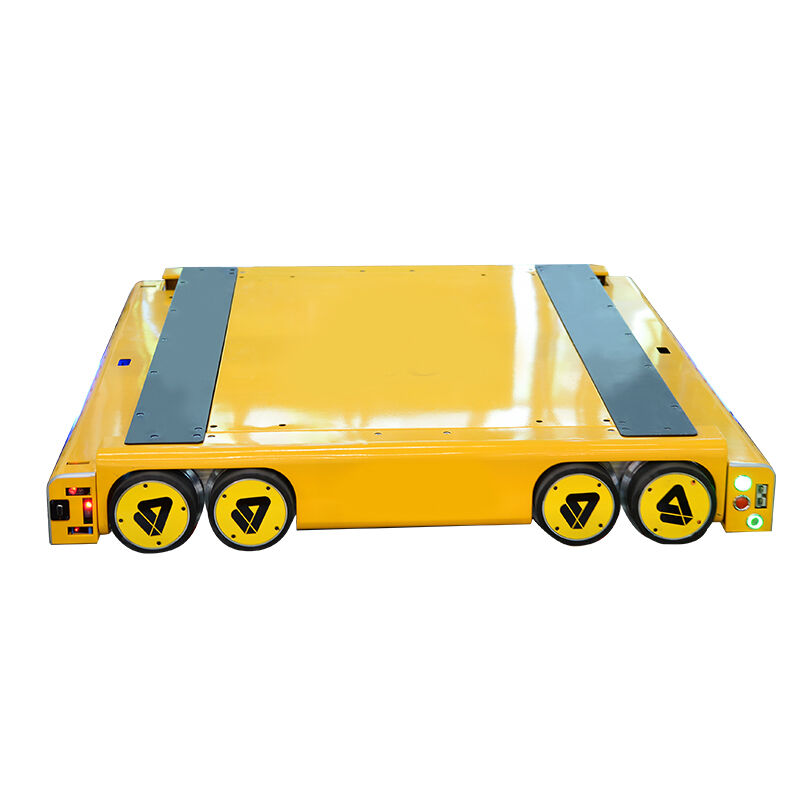
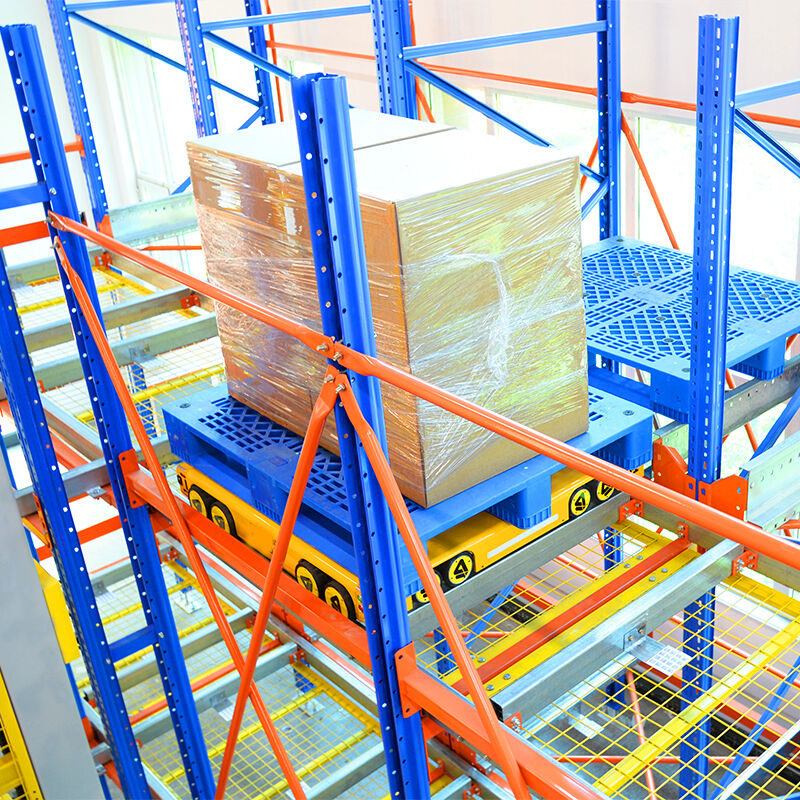
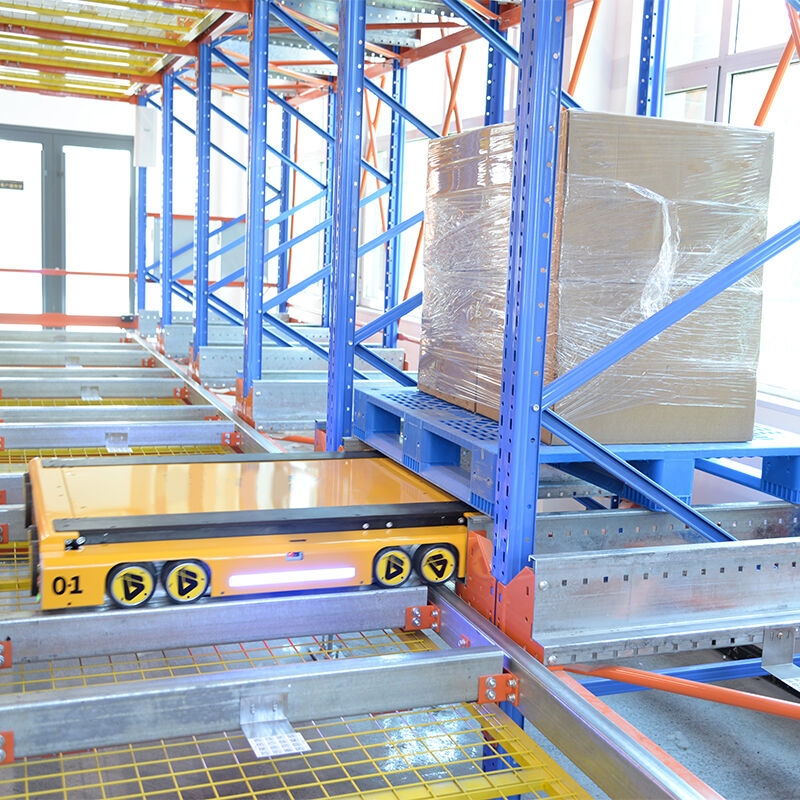
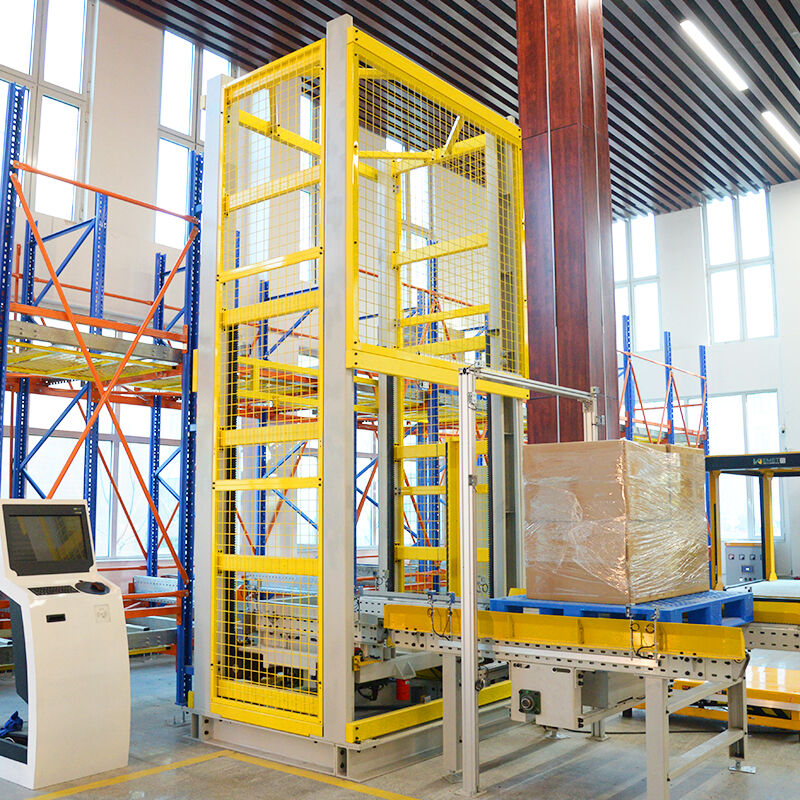
Smart warehousing solutions incorporate state-of-the-art robotic systems and automated material handling equipment that transforms warehouse operations from labor-intensive processes into highly efficient, technology-driven environments. Autonomous mobile robots navigate warehouse floors using advanced mapping and obstacle avoidance technologies, transporting products between storage locations, picking stations, and shipping areas without human intervention. These robotic systems operate continuously, increasing throughput capacity by 200-300 percent while maintaining consistent performance levels regardless of shift schedules or staffing fluctuations. Automated storage and retrieval systems maximize vertical space utilization by storing products in high-density configurations that would be impossible to access manually, increasing storage capacity by up to 400 percent within existing facility footprints. Robotic picking arms equipped with computer vision technology can handle products of varying shapes, sizes, and weights with precision that exceeds human capabilities, achieving picking rates of 600-1000 items per hour compared to manual rates of 100-150 items per hour. The integration of conveyor systems, sortation equipment, and automated packaging machines creates seamless product flow from receipt to shipment, minimizing handling time and reducing damage risks associated with multiple touch points. Collaborative robots work alongside human employees in shared workspaces, combining the efficiency of automation with the flexibility and problem-solving capabilities of human workers for optimal operational performance. The robotic systems feature predictive maintenance capabilities that monitor performance metrics, vibration levels, and component wear patterns to schedule maintenance activities before failures occur, ensuring consistent operational availability. Advanced warehouse control systems coordinate all automated equipment, optimizing task assignments and traffic patterns to prevent bottlenecks and maximize overall system throughput. The modular design of robotic solutions allows businesses to scale automation incrementally, starting with high-impact areas and expanding coverage as operational benefits are realized and justified through measurable return on investment calculations.
Real-Time Visibility and Performance Optimization

Real-Time Visibility and Performance Optimization

Smart warehousing solutions provide unprecedented visibility into all aspects of warehouse operations through comprehensive monitoring systems that track every product movement, equipment status, and performance metric in real-time. Dashboard interfaces display critical information including current inventory levels, order fulfillment progress, equipment utilization rates, and productivity metrics, enabling managers to identify issues immediately and implement corrective actions before problems escalate into customer service failures or operational disruptions. RFID and barcode scanning technologies create an electronic trail for every product, providing complete traceability from receipt through shipment while enabling instant location identification for any item within the facility. This level of visibility eliminates the time-consuming manual searches that traditionally consumed significant labor hours and delayed order fulfillment processes. Performance optimization algorithms continuously analyze operational data to identify efficiency improvement opportunities, automatically adjusting work assignments, routing patterns, and resource allocation to maximize throughput while minimizing costs. The system monitors individual employee productivity metrics without creating surveillance concerns, instead focusing on identifying training needs and recognizing top performers for motivation and retention purposes. Quality control processes are enhanced through real-time monitoring of critical parameters such as temperature, humidity, and handling procedures, with automatic alerts generated when deviations occur that could compromise product integrity. Advanced analytics identify patterns in operational performance that reveal optimization opportunities, such as peak activity periods that require additional staffing or equipment maintenance schedules that minimize disruption to operations. Integration with transportation management systems provides end-to-end visibility from warehouse to customer delivery, enabling proactive communication about shipment status and delivery expectations. The comprehensive reporting capabilities generate actionable insights for strategic planning, including space utilization analysis, labor efficiency trends, and cost per order metrics that support data-driven decision making for continuous improvement initiatives that drive competitive advantage in increasingly demanding market environments.

Get a Free Quote

Our representative will contact you soon.
Email
Mobile/WhatsApp
Name
Company Name
Message
0/1000