Hydraulic Freight Elevator Solutions: Heavy-Duty Material Handling Systems for Industrial Applications

Get a Free Quote

Our representative will contact you soon.
Email
Mobile/WhatsApp
Name
Company Name
Message
0/1000

hydraulic freight elevator

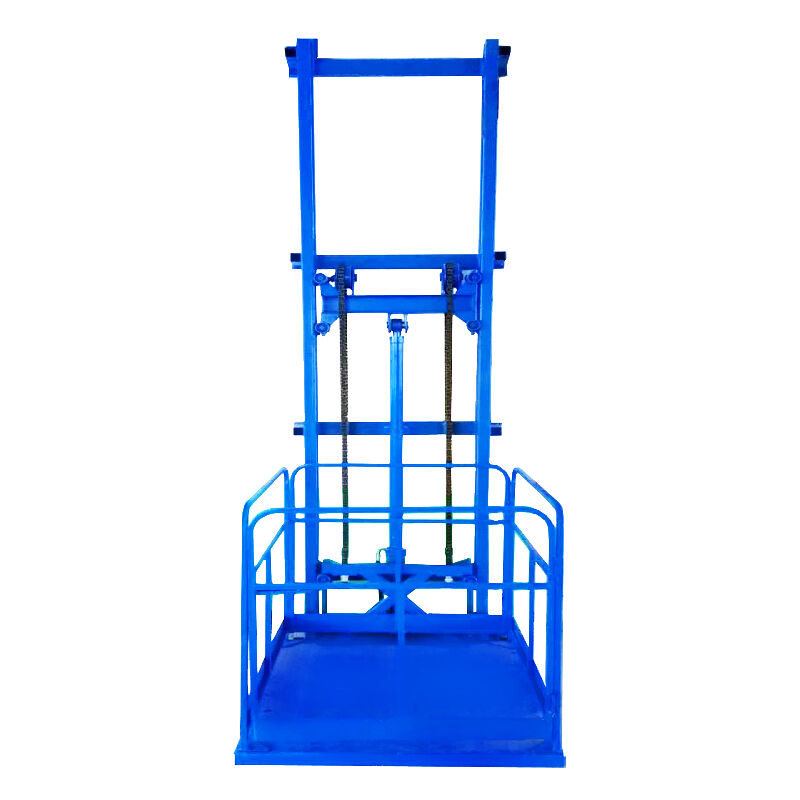
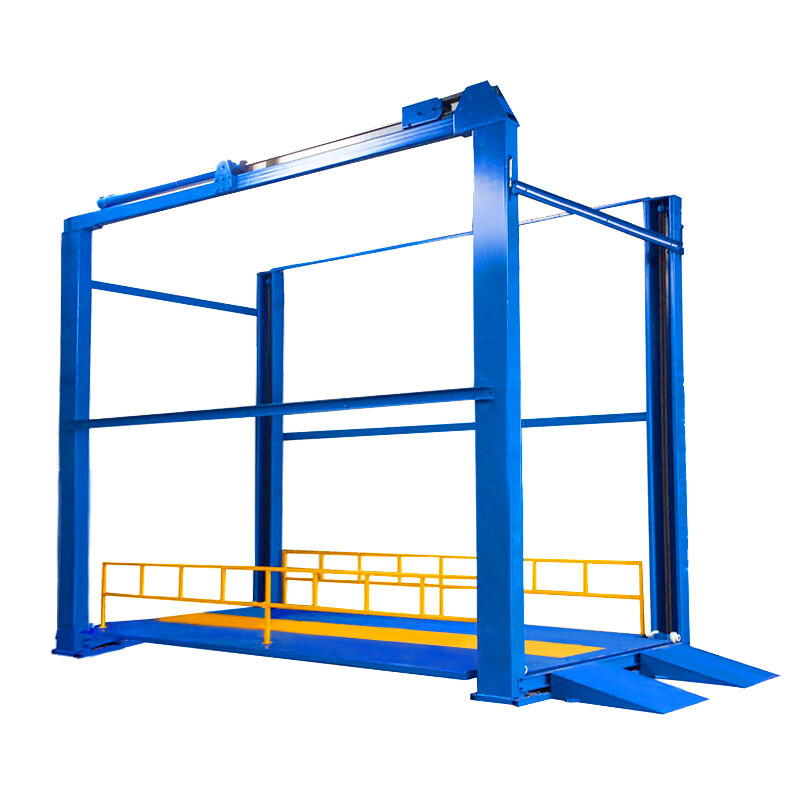
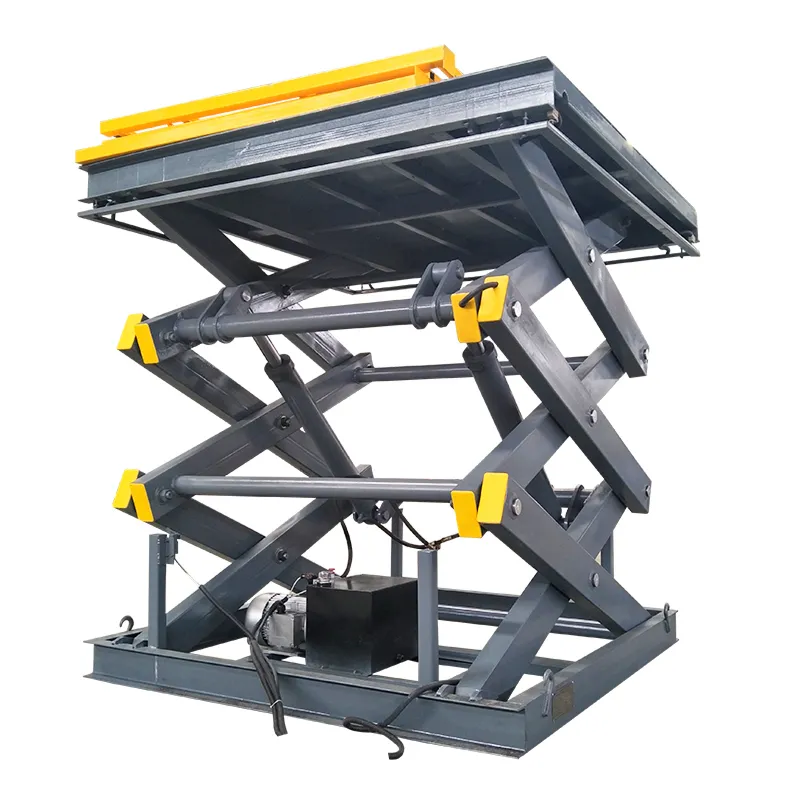
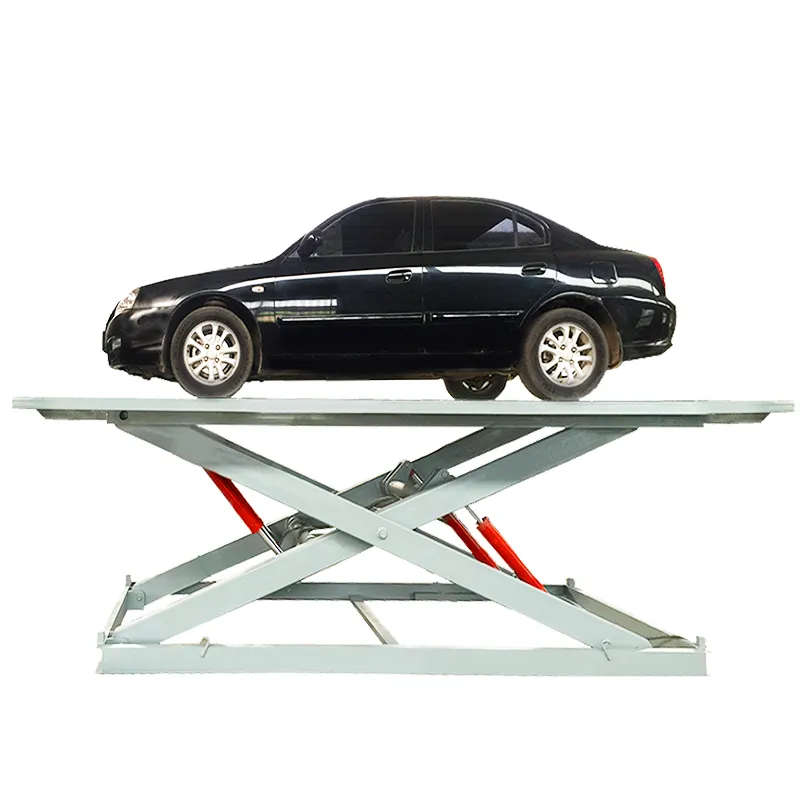
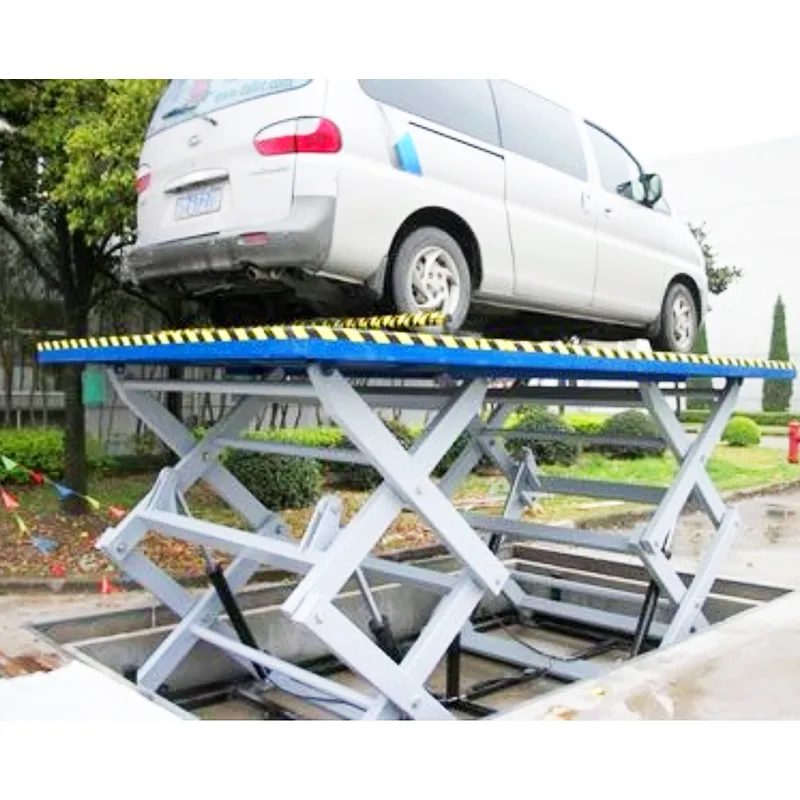
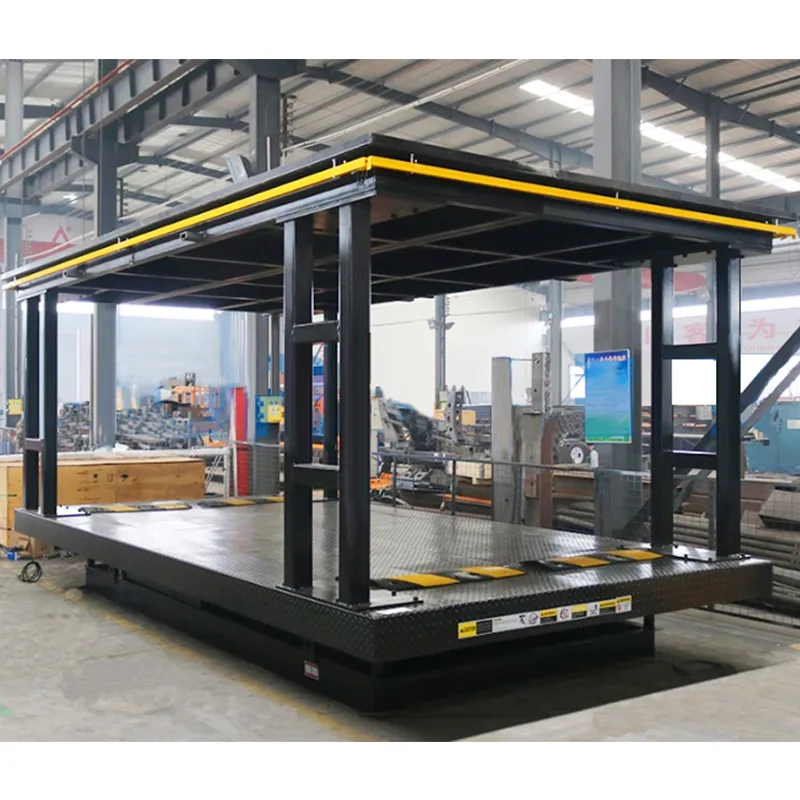
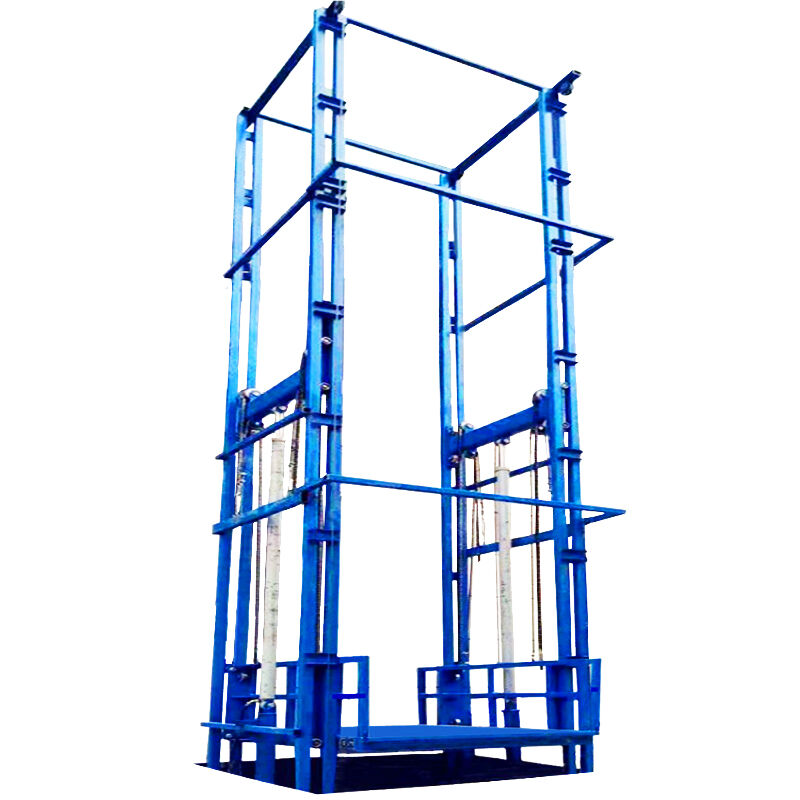
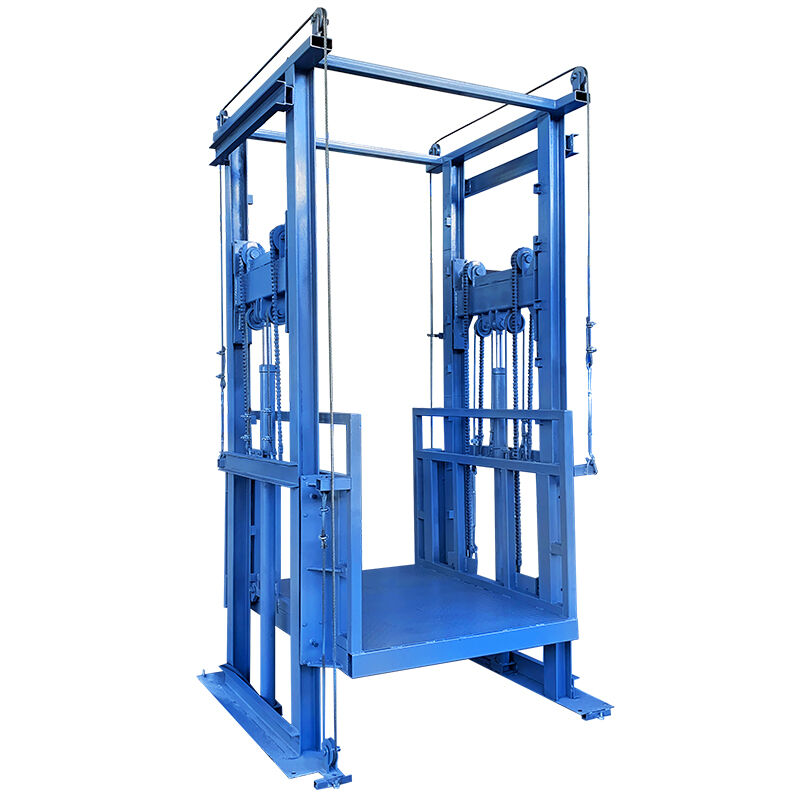
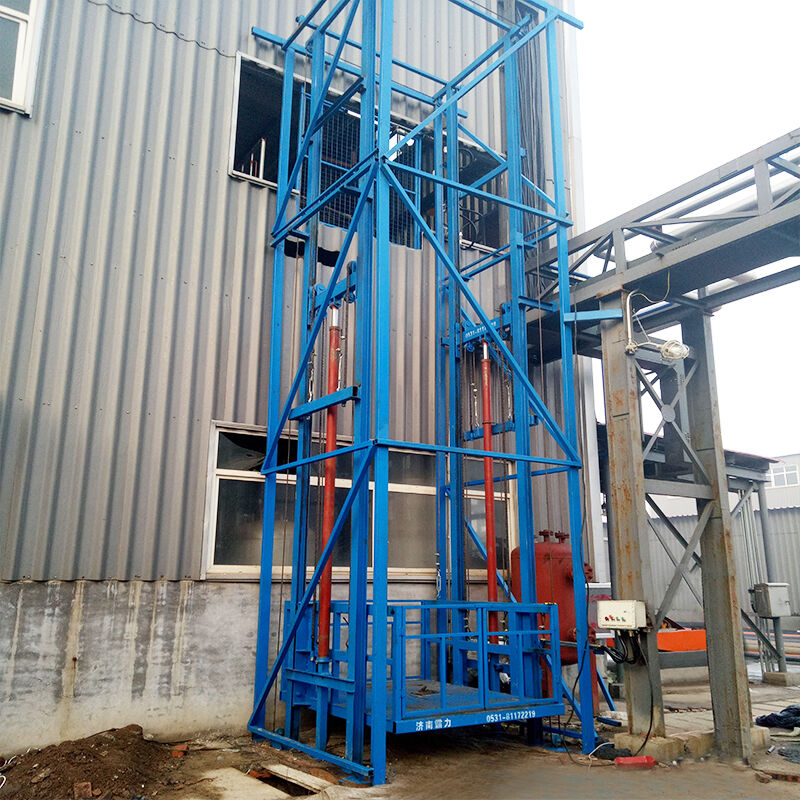
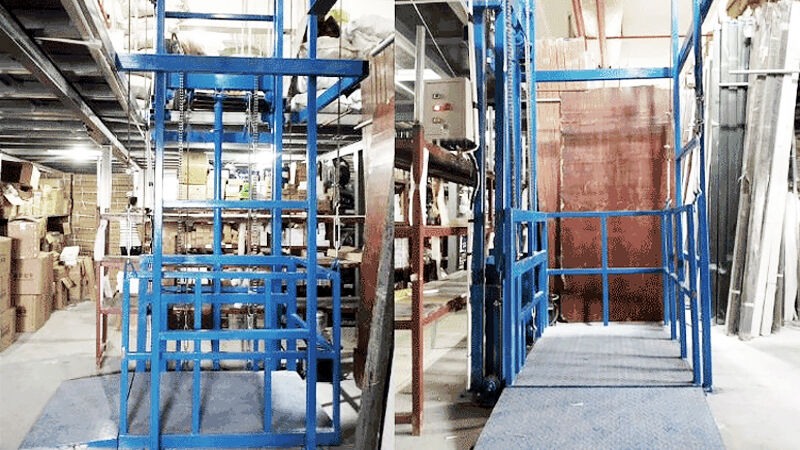
A hydraulic freight elevator represents a sophisticated vertical transportation solution specifically engineered for moving heavy cargo and materials between different levels of commercial, industrial, and warehouse facilities. This robust system utilizes hydraulic power technology to provide reliable, efficient, and safe material handling capabilities that significantly enhance operational productivity. The hydraulic freight elevator operates through a pressurized fluid system that creates smooth, controlled vertical movement, making it an ideal choice for businesses requiring consistent heavy-duty lifting performance. The core functionality of a hydraulic freight elevator centers on its ability to transport substantial loads ranging from palletized goods to oversized equipment with remarkable precision. These systems excel in environments where traditional passenger elevators cannot accommodate the weight, size, or frequency demands of material transportation. The technological architecture incorporates advanced hydraulic cylinders, precision control valves, and integrated safety mechanisms that work together to ensure optimal performance under demanding conditions. Modern hydraulic freight elevator systems feature sophisticated control panels that allow operators to manage multiple floor stops, customize lifting speeds, and monitor system performance in real-time. The applications for hydraulic freight elevator installations span numerous industries including manufacturing plants, distribution centers, retail facilities, automotive service centers, and multi-story warehouses. These versatile systems adapt to various building configurations and can be customized to meet specific operational requirements. The hydraulic freight elevator design accommodates different platform sizes, weight capacities, and travel distances, providing flexibility for diverse material handling needs. Installation options include both indoor and outdoor configurations, allowing businesses to optimize their vertical transportation capabilities regardless of facility constraints. The reliability and durability of hydraulic freight elevator systems make them a preferred choice for companies seeking long-term material handling solutions that minimize maintenance requirements while maximizing operational efficiency.

New Products

The hydraulic freight elevator delivers exceptional value through its superior load-carrying capacity, enabling businesses to transport heavy materials efficiently without compromising safety or performance. This system handles significantly more weight than conventional elevators, making it perfect for industrial operations that regularly move dense cargo, machinery components, or bulk materials. The smooth hydraulic operation eliminates the jarring movements often associated with cable-driven systems, protecting sensitive equipment and fragile goods during transport. Businesses benefit from reduced product damage and improved inventory protection, translating directly into cost savings and enhanced profitability. The energy efficiency of a hydraulic freight elevator surpasses many alternative lifting solutions, particularly for low-rise applications where the system operates most effectively. The hydraulic mechanism requires power only during upward movement, while gravity assists the descent, resulting in lower operational costs compared to continuously powered systems. This efficiency becomes particularly valuable for facilities with frequent loading and unloading cycles, where energy consumption directly impacts operational budgets. The simplified mechanical design of hydraulic freight elevator systems reduces maintenance complexity and extends service intervals, providing businesses with predictable operational costs and minimal downtime. Unlike complex cable and pulley systems, hydraulic components require less frequent adjustments and replacement, resulting in lower long-term maintenance expenses. The robust construction withstands demanding industrial environments, including exposure to dust, moisture, and temperature variations that might affect more delicate elevator mechanisms. Installation flexibility represents another significant advantage, as hydraulic freight elevator systems adapt to various building configurations without requiring extensive structural modifications. The compact hydraulic power unit can be positioned in multiple locations, accommodating space constraints and architectural limitations. This adaptability reduces installation costs and minimizes disruption to ongoing business operations. The precise control capabilities allow operators to position loads accurately at different levels, improving workflow efficiency and reducing manual handling requirements. Safety features integrated into hydraulic freight elevator systems exceed industry standards, incorporating multiple redundant systems that protect both operators and cargo. Emergency lowering capabilities ensure safe evacuation of loads during power outages, while pressure relief valves prevent system overpressure. These comprehensive safety measures provide peace of mind for facility managers and comply with stringent industrial safety regulations, protecting businesses from liability concerns while maintaining operational continuity.

Practical Tips

How Does an Industrial Lift Support High-Load Transportation Tasks?

10

Mar

How Does an Industrial Lift Support High-Load Transportation Tasks?

Industrial facilities across manufacturing, warehousing, and logistics sectors face constant challenges in moving heavy materials between different floor levels efficiently and safely. The mechanism by which an industrial lift handles high-load trans...
View More
Why Are Stationary Scissor Lifts Popular in Manufacturing Plants?

16

Mar

Why Are Stationary Scissor Lifts Popular in Manufacturing Plants?

Manufacturing plants worldwide have increasingly turned to stationary scissor lifts as essential equipment for their vertical material handling and access needs. These robust hydraulic platforms have become indispensable in modern industrial operatio...
View More
How Do Car Lifts for Home Garage Add Value to Real Estate Projects?

20

Mar

How Do Car Lifts for Home Garage Add Value to Real Estate Projects?

Car lifts for home garage installations have emerged as a premium feature that significantly enhances property value in today's competitive real estate market. These sophisticated automotive storage solutions transform ordinary residential garages in...
View More
What Are the Key Benefits of Installing a Goods Lift in Factories?

30

Mar

What Are the Key Benefits of Installing a Goods Lift in Factories?

In today’s highly competitive industrial environment, factories are under constant pressure to improve operational efficiency, reduce labor costs, and ensure workplace safety. One of the most practical solutions adopted by modern manufactu...
View More

Get a Free Quote

Our representative will contact you soon.
Email
Mobile/WhatsApp
Name
Company Name
Message
0/1000

hydraulic freight elevator

Unmatched Load Capacity and Durability for Heavy-Duty Operations

Unmatched Load Capacity and Durability for Heavy-Duty Operations

The hydraulic freight elevator stands out in the material handling industry due to its exceptional ability to manage substantial weight loads that would overwhelm conventional lifting systems. This remarkable capacity stems from the fundamental hydraulic principle that allows even small hydraulic cylinders to generate tremendous lifting force through pressurized fluid dynamics. Industrial facilities regularly rely on these systems to transport loads ranging from 2,000 to 20,000 pounds or more, depending on the specific configuration and requirements. The engineering excellence behind hydraulic freight elevator design ensures consistent performance even under maximum load conditions, making it an indispensable asset for manufacturing plants, warehouses, and distribution centers. The durability aspect of hydraulic freight elevator systems becomes evident through their construction using heavy-duty steel components, reinforced platforms, and industrial-grade hydraulic components designed to withstand continuous operation in demanding environments. Unlike lighter-duty alternatives, these systems maintain structural integrity and performance standards even after years of intensive use. The robust platform construction typically features diamond plate steel or specialized non-slip surfaces that provide secure footing for operators while protecting the underlying structure from impact damage. This durability translates into exceptional return on investment, as businesses can depend on their hydraulic freight elevator for decades with proper maintenance. The system's ability to handle irregularly shaped or oversized cargo sets it apart from standard freight elevators that may have dimensional restrictions. Whether transporting automotive engines, large appliances, construction materials, or palletized goods, the hydraulic freight elevator accommodates diverse load types without requiring specialized handling equipment. This versatility reduces the need for additional material handling investments and streamlines operational processes. The consistent lifting performance ensures that productivity remains high even during peak operational periods when material movement demands are at their highest. Quality hydraulic freight elevator installations incorporate advanced load monitoring systems that provide real-time feedback on weight distribution and system performance, enabling operators to optimize loading strategies and prevent overload conditions that could compromise safety or equipment longevity.
Superior Energy Efficiency and Cost-Effective Operation

Superior Energy Efficiency and Cost-Effective Operation

The hydraulic freight elevator delivers outstanding energy efficiency that directly impacts operational costs and environmental sustainability, making it an economically sound choice for businesses focused on controlling overhead expenses. The innovative hydraulic system design requires electrical power only during the lifting phase of operation, while descent relies on gravity-assisted controlled lowering that consumes minimal energy. This operational characteristic results in significantly lower electricity consumption compared to traction-based elevator systems that require continuous power for both upward and downward movement. For facilities with high-frequency material movement, these energy savings accumulate into substantial cost reductions over time. The hydraulic freight elevator system optimizes power usage through variable-speed controls that adjust energy consumption based on load weight and travel distance, ensuring efficient operation across all usage scenarios. Modern hydraulic power units incorporate energy recovery systems that capture and reuse hydraulic pressure, further enhancing overall efficiency. The simplicity of hydraulic components means fewer moving parts compared to complex cable and pulley systems, resulting in reduced friction losses and improved energy transfer efficiency. This mechanical advantage translates into lower operational costs and extended equipment lifespan. Maintenance cost advantages of hydraulic freight elevator systems become apparent through their straightforward design and robust component selection. The hydraulic cylinders, pumps, and control valves require less frequent service compared to the intricate mechanisms found in alternative lifting systems. Routine maintenance typically involves hydraulic fluid changes, seal inspections, and basic component lubrication, tasks that can often be performed by in-house maintenance teams without specialized elevator technicians. This accessibility reduces service costs and minimizes downtime associated with maintenance activities. The predictable nature of hydraulic system wear patterns allows businesses to implement proactive maintenance schedules that prevent unexpected failures and costly emergency repairs. Replacement parts for hydraulic freight elevator systems are readily available and generally less expensive than specialized elevator components, contributing to lower long-term operational costs. The modular design of hydraulic systems allows for component upgrades or replacements without complete system overhaul, providing flexibility for future capacity expansions or performance improvements while protecting the original investment.
Versatile Installation Options and Enhanced Safety Features

Versatile Installation Options and Enhanced Safety Features

The hydraulic freight elevator offers unparalleled installation flexibility that accommodates diverse building configurations and operational requirements, making it suitable for both new construction and retrofit applications. This adaptability stems from the compact design of hydraulic power units that can be positioned in various locations within a facility, including basements, mechanical rooms, or even outdoor enclosures when space constraints exist. Unlike elevator systems that require dedicated machine rooms at specific locations, the hydraulic freight elevator power unit can be located up to several hundred feet from the actual lifting mechanism, providing architects and facility planners with creative freedom in system placement. The installation process typically requires minimal structural modifications to existing buildings, as hydraulic systems can utilize existing floor openings or work within standard structural bay dimensions. This flexibility reduces construction costs and minimizes disruption to ongoing business operations during installation. The hydraulic freight elevator can be configured for various travel heights, from single-story applications to multi-level installations serving four or more floors, adapting to facility growth needs without requiring complete system replacement. Customization options include platform sizes ranging from compact units for small parts to expansive platforms capable of accommodating multiple pallets simultaneously. The safety features integrated into hydraulic freight elevator systems exceed industry standards and provide comprehensive protection for both operators and cargo throughout all phases of operation. Advanced safety systems include multiple backup mechanisms such as velocity fuses that automatically stop descent in case of hydraulic line failure, ensuring controlled emergency lowering even during system malfunctions. Pressure relief valves prevent dangerous overpressure conditions that could compromise system integrity or operator safety. Modern hydraulic freight elevator installations incorporate sophisticated control systems with safety interlocks that prevent operation when safety gates are open or when personnel are detected in unsafe positions. Emergency communication systems provide direct contact with maintenance support, while battery backup systems ensure essential safety functions remain operational during power outages. The platform design includes safety barriers, non-slip surfaces, and warning systems that alert operators to potential hazards. Load sensors prevent overloading that could compromise safety or damage equipment, while emergency stop buttons provide immediate system shutdown capabilities accessible from multiple locations around the platform area.

Get a Free Quote

Our representative will contact you soon.
Email
Mobile/WhatsApp
Name
Company Name
Message
0/1000