dock leveler price
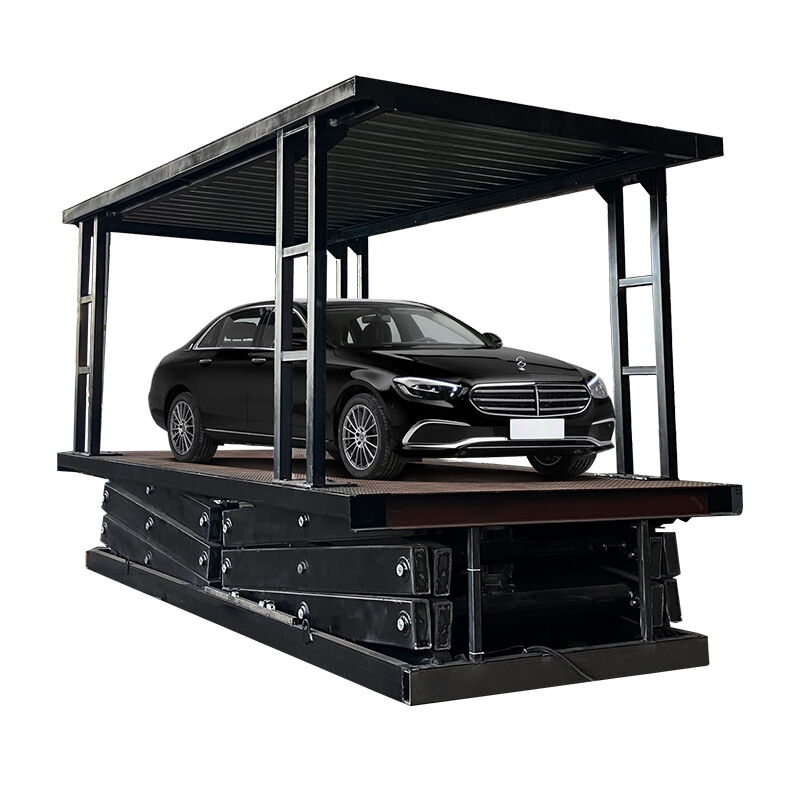
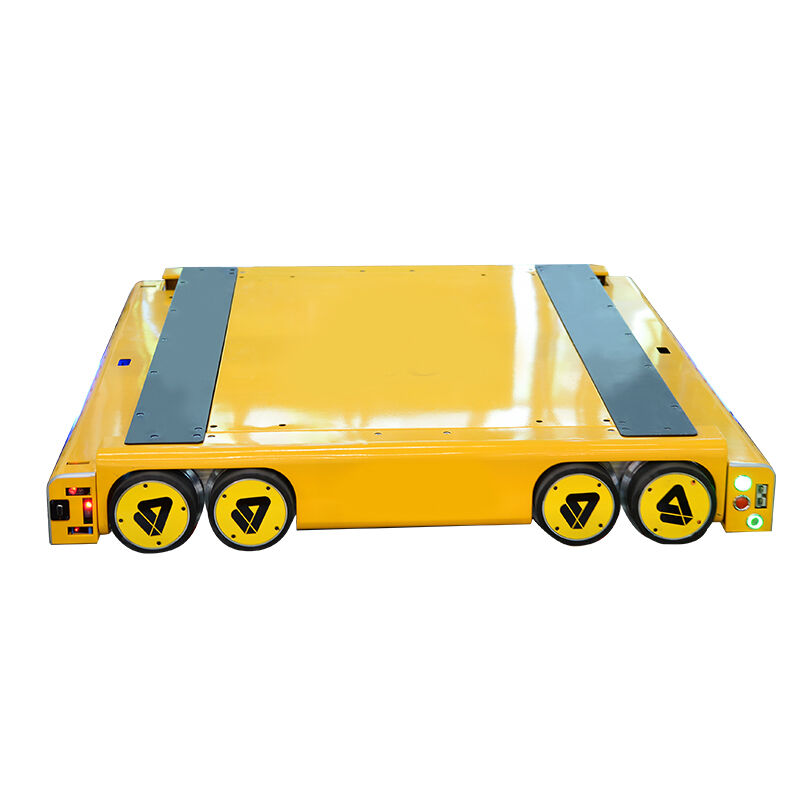
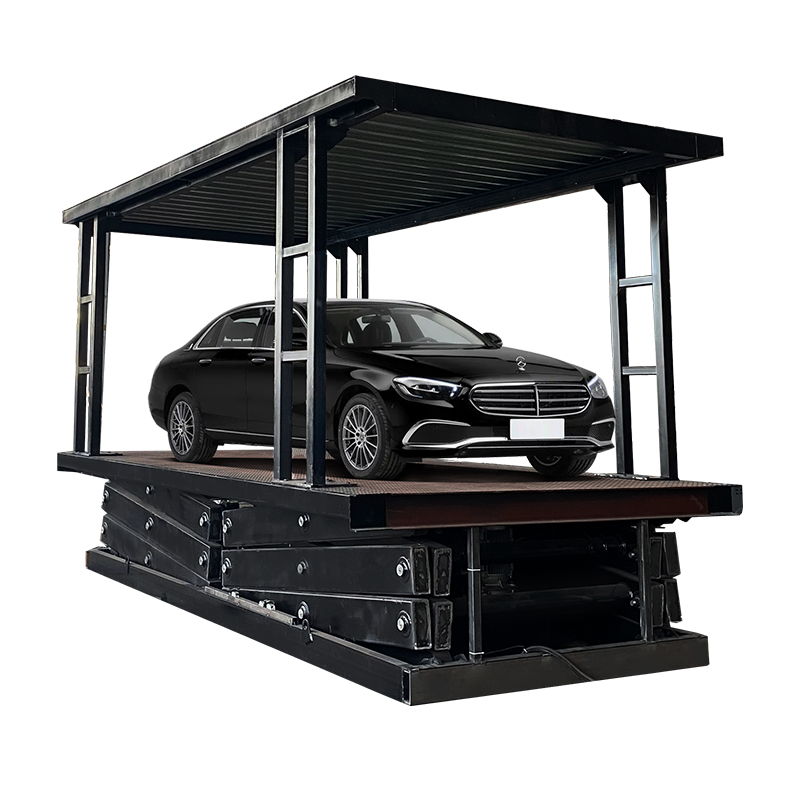
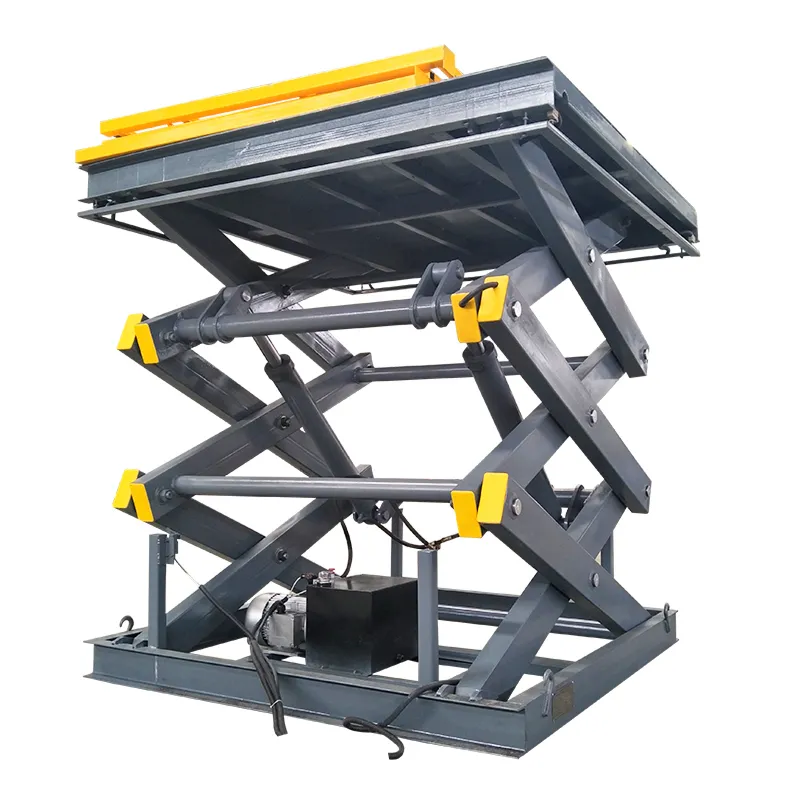
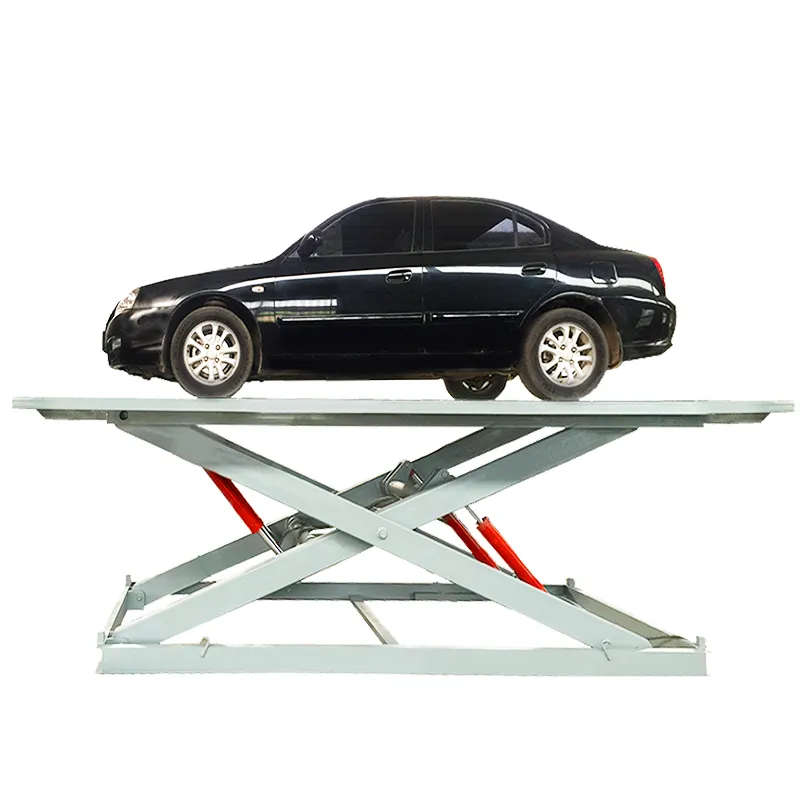
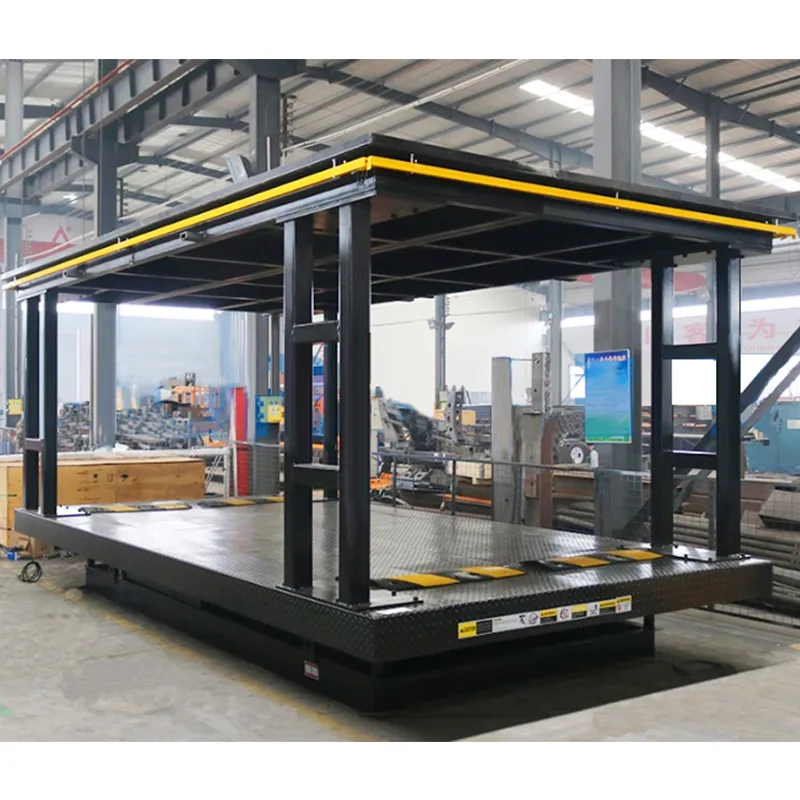
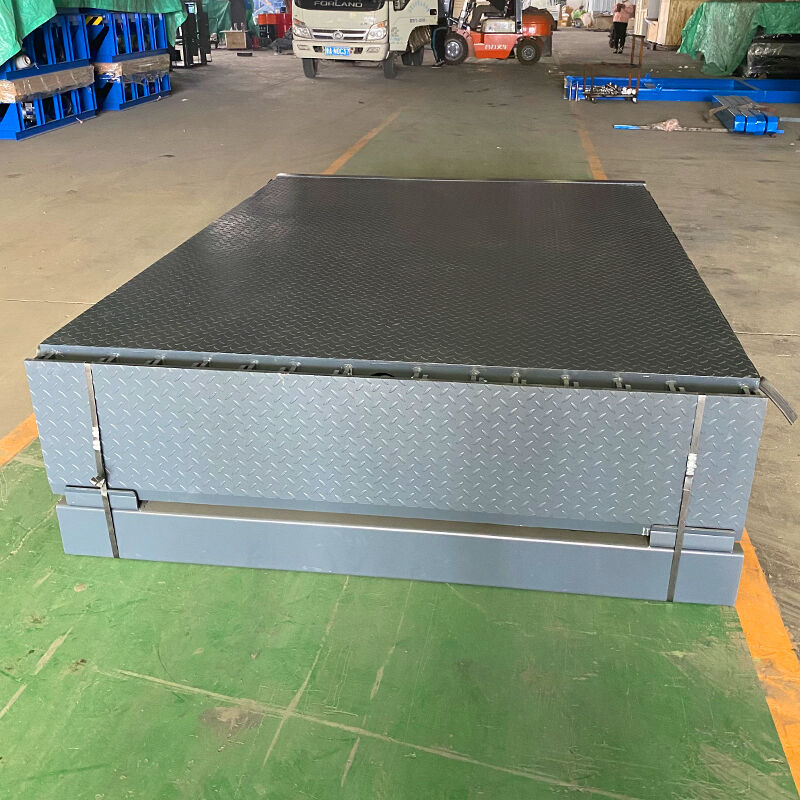
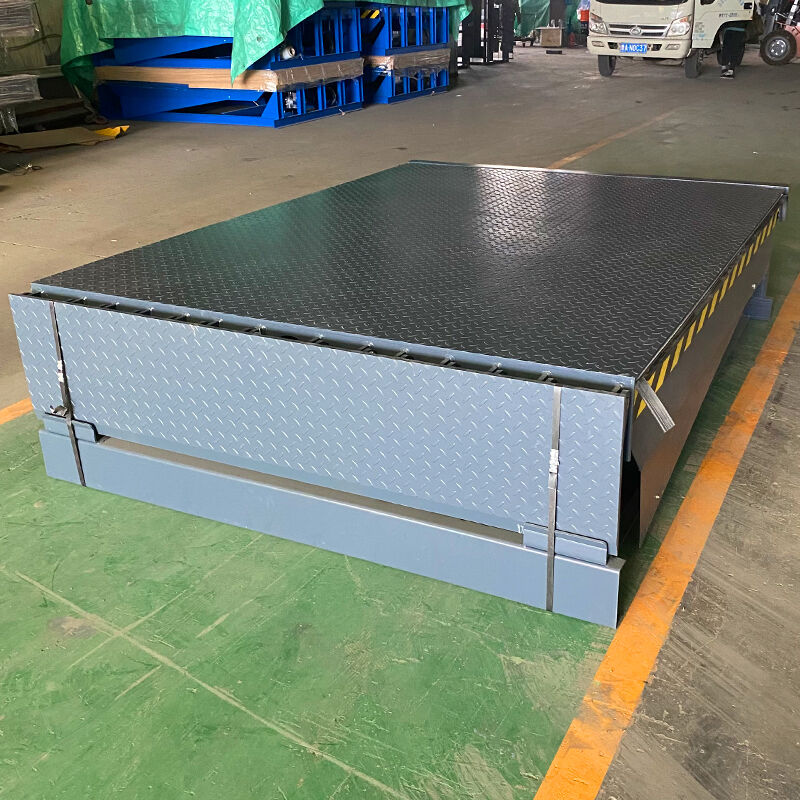
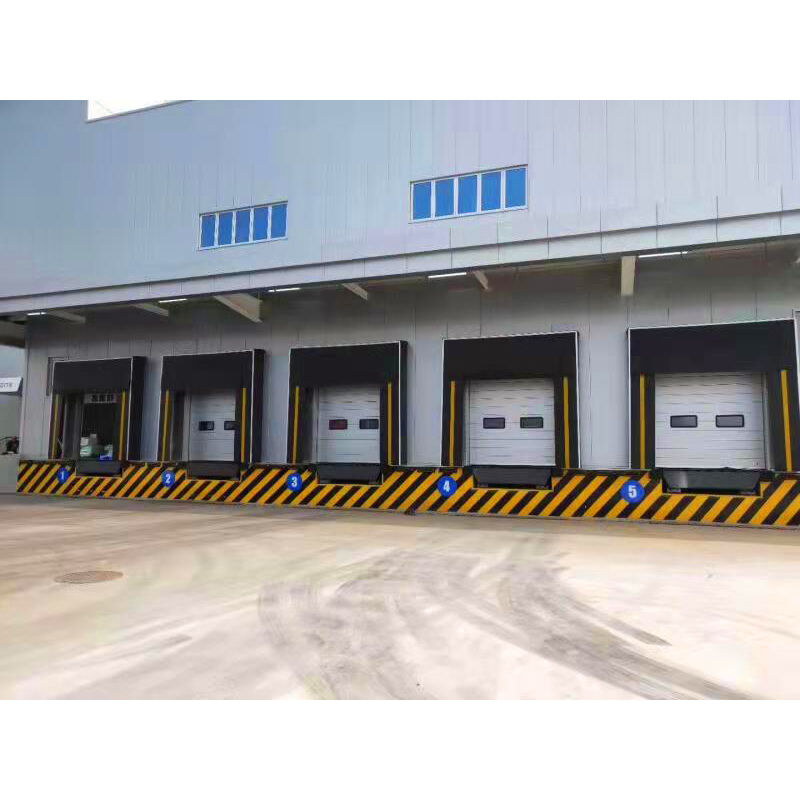
Understanding dock leveler price involves examining multiple factors that contribute to the overall investment in this essential loading dock equipment. Dock levelers serve as critical bridge mechanisms that compensate for height differences between loading docks and truck beds, ensuring safe and efficient cargo transfer operations. The dock leveler price varies significantly based on capacity requirements, installation complexity, and technological specifications that meet specific operational demands. Modern dock levelers incorporate sophisticated hydraulic systems, mechanical components, and safety features that justify their pricing structure while delivering long-term operational value. When evaluating dock leveler price considerations, businesses must assess load capacity requirements ranging from 25,000 to 80,000 pounds, platform dimensions, and integration compatibility with existing dock infrastructure. Premium models feature advanced safety mechanisms including automatic return-to-dock functions, lip extension capabilities, and weather-resistant construction materials that enhance durability and performance longevity. The dock leveler price reflects engineering excellence through robust steel construction, precision hydraulic cylinders, and maintenance-friendly designs that minimize operational disruptions. Installation requirements significantly impact overall dock leveler price, as complex configurations may require structural modifications, electrical connections, and specialized mounting systems. Energy-efficient models incorporate eco-friendly hydraulic fluids, reduced power consumption mechanisms, and sustainable manufacturing processes that provide environmental benefits while maintaining competitive pricing structures. Maintenance considerations factor into total ownership costs, with higher-quality units requiring fewer repairs and component replacements over their operational lifespan. The dock leveler price investment typically generates substantial returns through improved loading efficiency, reduced worker injury risks, and enhanced operational productivity that justifies initial equipment expenditures.
 EN
EN