Ramp Container Solutions: Advanced Loading Technology for Modern Logistics

Get a Free Quote

Our representative will contact you soon.
Email
Mobile/WhatsApp
Name
Company Name
Message
0/1000

ramp container

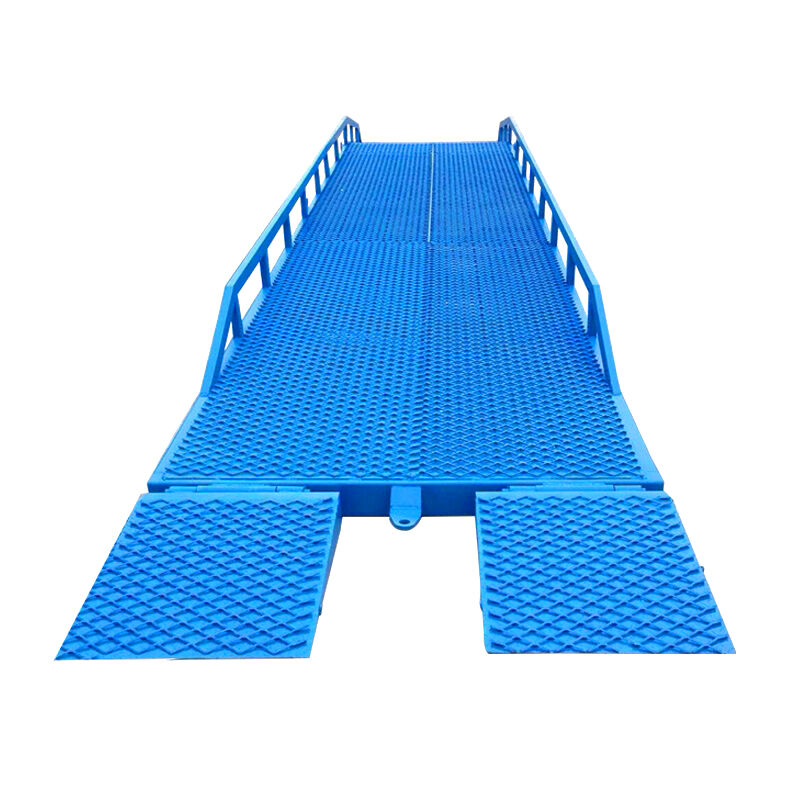
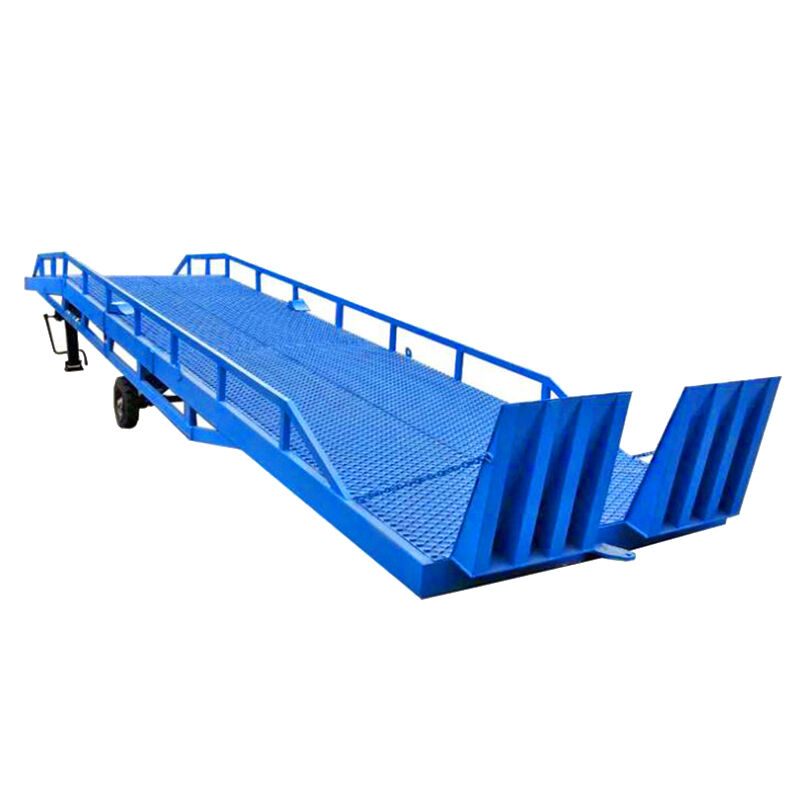
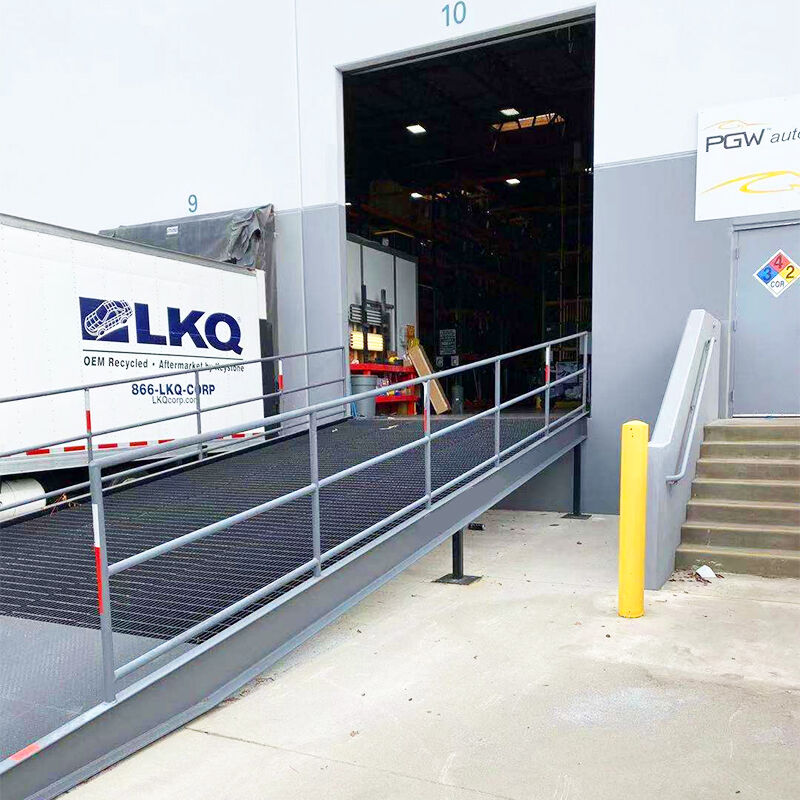
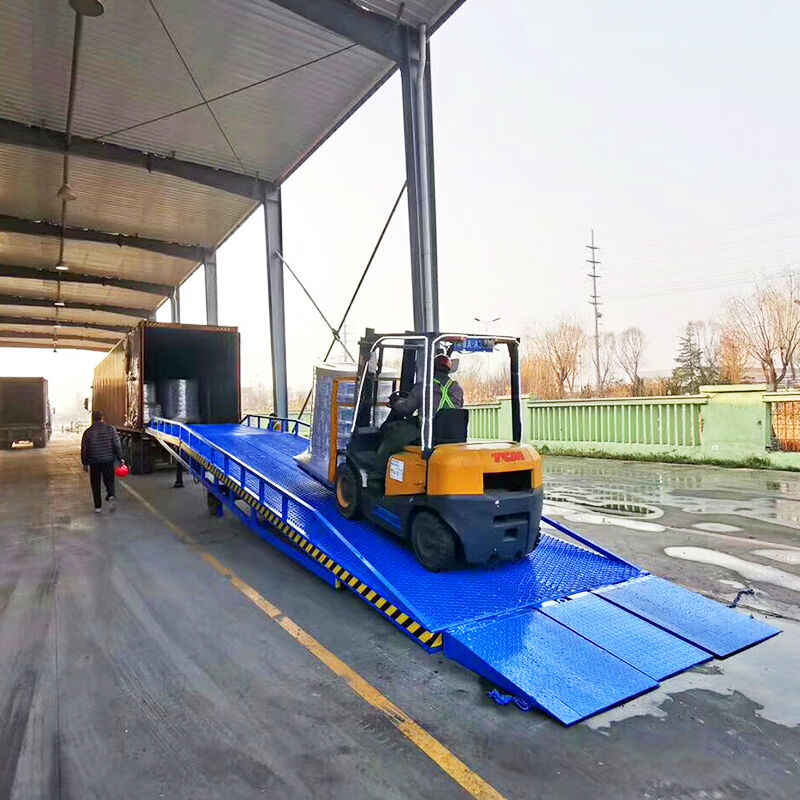
A ramp container represents a revolutionary advancement in modern logistics and transportation technology, designed to streamline loading and unloading processes across various industrial applications. This specialized container system features an integrated ramp mechanism that eliminates the need for external loading equipment, making cargo handling more efficient and cost-effective. The ramp container's primary function centers on providing seamless access for wheeled cargo, heavy machinery, and oversized equipment that would otherwise require complex lifting procedures. The technological framework of the ramp container incorporates hydraulic or mechanical systems that enable smooth ramp deployment and retraction. These containers typically feature reinforced steel construction with specialized flooring designed to withstand substantial weight distribution. The ramp mechanism itself utilizes precision engineering to ensure stable operation under various load conditions. Advanced locking systems secure the ramp during transport, while weatherproof seals protect cargo from environmental elements. The container's structural design includes strengthened corner posts and cross-members to maintain integrity during loading operations. Applications for ramp containers span numerous industries, including automotive manufacturing, construction equipment transport, military logistics, and specialized freight services. In automotive sectors, these containers facilitate efficient vehicle loading for international shipping. Construction companies utilize ramp containers to transport heavy machinery to remote job sites. Military applications benefit from rapid deployment capabilities for tactical equipment. The versatility of ramp containers extends to roll-on-roll-off operations at ports and terminals, where they integrate seamlessly with existing infrastructure. These containers accommodate various cargo types, from standard palletized goods to custom-shaped machinery. The ramp container's design philosophy emphasizes operational flexibility while maintaining the standardized dimensions required for intermodal transportation compatibility.

New Product Recommendations

The ramp container delivers substantial operational benefits that transform traditional cargo handling methods into streamlined, efficient processes. Companies experience significant cost reductions by eliminating the need for expensive loading equipment such as forklifts, cranes, or specialized lifting machinery. This self-contained loading solution reduces labor requirements and minimizes the risk of equipment-related delays or breakdowns. The time savings achieved through ramp container implementation can be substantial, with loading and unloading operations completing up to 60% faster than conventional methods. Safety improvements represent another crucial advantage, as the ramp container reduces manual handling requirements and decreases the potential for workplace accidents. Workers no longer need to operate complex lifting equipment or navigate challenging loading scenarios, resulting in fewer injury claims and improved workplace safety records. The container's stable ramp platform provides secure footing and reduces the risk of cargo damage during handling operations. Flexibility in cargo accommodation sets the ramp container apart from standard shipping solutions. These containers handle diverse load types, from lightweight packages to heavy industrial equipment, without requiring specialized handling procedures. The adjustable ramp system accommodates various vehicle sizes and cargo configurations, making it ideal for companies with diverse shipping requirements. Weather protection capabilities ensure cargo integrity regardless of environmental conditions, with sealed container designs preventing moisture intrusion and temperature fluctuations. This protection reduces cargo loss and maintains product quality throughout the transportation process. The ramp container's standardized dimensions ensure compatibility with existing transportation infrastructure, including trucks, trains, and ships. This intermodal capability streamlines logistics planning and reduces the complexity of multi-modal transportation arrangements. Companies benefit from improved scheduling flexibility, as ramp containers can be loaded and unloaded at any location with sufficient space for ramp deployment. The reduced dependency on specialized terminal facilities expands delivery options and improves customer service capabilities. Maintenance requirements for ramp containers remain minimal compared to traditional loading equipment, with robust construction ensuring long-term reliability and reduced operational downtime.

Tips And Tricks

What Are the Advantages of Choosing a Custom Lift Manufacturer?

05

Mar

What Are the Advantages of Choosing a Custom Lift Manufacturer?

When businesses need vertical transportation solutions, they often face a critical decision: choose a standard, off-the-shelf lift system or partner with a custom lift manufacturer. While pre-engineered lifts may seem like the simpler option, working...
View More
How Does an Industrial Lift Support High-Load Transportation Tasks?

10

Mar

How Does an Industrial Lift Support High-Load Transportation Tasks?

Industrial facilities across manufacturing, warehousing, and logistics sectors face constant challenges in moving heavy materials between different floor levels efficiently and safely. The mechanism by which an industrial lift handles high-load trans...
View More
Why Are Stationary Scissor Lifts Popular in Manufacturing Plants?

16

Mar

Why Are Stationary Scissor Lifts Popular in Manufacturing Plants?

Manufacturing plants worldwide have increasingly turned to stationary scissor lifts as essential equipment for their vertical material handling and access needs. These robust hydraulic platforms have become indispensable in modern industrial operatio...
View More
How Do Car Lifts for Home Garage Add Value to Real Estate Projects?

20

Mar

How Do Car Lifts for Home Garage Add Value to Real Estate Projects?

Car lifts for home garage installations have emerged as a premium feature that significantly enhances property value in today's competitive real estate market. These sophisticated automotive storage solutions transform ordinary residential garages in...
View More

Get a Free Quote

Our representative will contact you soon.
Email
Mobile/WhatsApp
Name
Company Name
Message
0/1000

ramp container

Advanced Hydraulic Ramp Technology

Advanced Hydraulic Ramp Technology

The sophisticated hydraulic ramp technology integrated into modern ramp containers represents a pinnacle of engineering innovation that fundamentally transforms cargo handling efficiency. This advanced system utilizes precision-engineered hydraulic cylinders and control mechanisms to provide smooth, controlled ramp deployment and retraction operations. The hydraulic components feature high-grade steel construction with specialized sealing systems that maintain optimal performance under extreme weather conditions and heavy load scenarios. The technology incorporates multiple safety redundancies, including backup hydraulic circuits and emergency manual override capabilities, ensuring operational reliability even in challenging circumstances. The hydraulic system's intelligent design automatically adjusts pressure and flow rates based on load conditions, providing consistent performance regardless of cargo weight or distribution. This adaptive functionality prevents system overload while optimizing energy consumption throughout the operation cycle. The ramp container's hydraulic technology includes integrated position sensors that provide precise ramp angle control, enabling operators to achieve optimal loading configurations for different cargo types. The system's responsiveness allows for fine adjustments during loading operations, accommodating vehicles with varying ground clearance requirements or specialized loading needs. Advanced filtration systems protect hydraulic components from contamination, extending service life and reducing maintenance requirements. The technology incorporates temperature monitoring capabilities that prevent system overheating during intensive operations, ensuring consistent performance throughout extended loading cycles. Remote operation capabilities allow operators to control ramp functions from safe distances, improving workplace safety while maintaining operational efficiency. The hydraulic ramp technology's modular design facilitates easy maintenance and component replacement, minimizing downtime and reducing long-term operational costs. This technological advancement eliminates the need for external power sources at many loading locations, as the system operates efficiently from the container's integrated power supply. The precision engineering behind this hydraulic technology ensures smooth operation even under asymmetric loading conditions, maintaining stability and safety throughout the cargo handling process.
Enhanced Structural Durability and Load Capacity

Enhanced Structural Durability and Load Capacity

The exceptional structural durability and impressive load capacity of ramp containers establish them as superior solutions for demanding transportation applications across multiple industries. These containers feature reinforced steel framework construction utilizing high-tensile strength materials that exceed standard shipping container specifications by substantial margins. The structural design incorporates advanced engineering principles that distribute load forces evenly throughout the container body, preventing stress concentration points that could compromise structural integrity. Specialized welding techniques and quality control processes ensure consistent strength characteristics across all connection points and structural joints. The ramp container's floor system utilizes heavy-duty steel plating with anti-slip surface treatments that provide secure footing for personnel and equipment while maintaining exceptional load-bearing capacity. The flooring design includes integrated drainage channels that prevent water accumulation and reduce corrosion potential, extending the container's operational lifespan significantly. Corner post reinforcement exceeds international shipping standards, ensuring compatibility with standard handling equipment while providing enhanced protection against impact damage during transportation and handling operations. The container's side walls feature additional structural reinforcement points strategically positioned to accommodate various securing and tie-down systems required for different cargo types. This enhanced structural integrity allows ramp containers to handle concentrated loads that would exceed the capabilities of standard shipping containers. The load capacity specifications often reach 30-35 tons depending on configuration, making these containers suitable for transporting heavy construction equipment, military vehicles, and industrial machinery. The structural design philosophy emphasizes longevity and reliability, with many ramp containers maintaining operational effectiveness for decades under regular commercial use. Advanced corrosion protection systems, including specialized coatings and galvanization processes, protect structural components from environmental degradation. The container's design accommodates dynamic loading conditions experienced during transportation, with flexible mounting systems that absorb shock and vibration forces. This structural resilience reduces cargo damage and maintains container integrity throughout long-distance transportation cycles.
Versatile Multi-Modal Transportation Compatibility

Versatile Multi-Modal Transportation Compatibility

The remarkable multi-modal transportation compatibility of ramp containers provides unmatched flexibility for logistics operations spanning road, rail, and maritime transportation networks. This comprehensive compatibility stems from adherence to international standardization requirements while incorporating specialized features that enhance operational versatility across different transportation modes. The container's dimensional specifications align perfectly with ISO standards, ensuring seamless integration with existing transportation infrastructure including truck trailers, railway flatcars, and container ships. This standardization eliminates the need for specialized handling equipment at most terminals and ports, reducing transportation costs and improving scheduling flexibility. The ramp container's corner fitting design accommodates standard twist-lock mechanisms used throughout the global shipping industry, while reinforced attachment points provide additional security for specialized transportation requirements. The container's weight distribution characteristics optimize stability during maritime transportation, with low center of gravity design reducing motion-induced stress during ocean voyages. Railway transportation benefits from the container's standardized dimensions and secure attachment systems that prevent shifting during rail operations. The design accommodates various rail car configurations, from standard flatcars to specialized container transport systems. Road transportation versatility extends beyond standard truck configurations, with the ramp container compatible with various trailer types including lowboy, flatbed, and specialized heavy-haul equipment. The container's modular design facilitates easy transfer between transportation modes without cargo handling, reducing transfer time and minimizing cargo exposure to damage risks. Port operations benefit from the container's compatibility with standard gantry cranes and container handling equipment, eliminating the need for specialized lifting apparatus. The ramp functionality remains operational regardless of transportation mode, allowing for efficient cargo access at intermediate stops or destination points. This multi-modal compatibility extends to international shipping regulations, with ramp containers meeting safety and security requirements for cross-border transportation. The standardized approach reduces documentation complexity and customs processing time, streamlining international logistics operations. Environmental considerations include reduced fuel consumption through optimized aerodynamic design and weight distribution that improves transportation efficiency across all modes.

Get a Free Quote

Our representative will contact you soon.
Email
Mobile/WhatsApp
Name
Company Name
Message
0/1000