Sea Container Ramp Solutions - Advanced Maritime Cargo Handling Equipment

Get a Free Quote

Our representative will contact you soon.
Email
Mobile/WhatsApp
Name
Company Name
Message
0/1000

sea container ramp

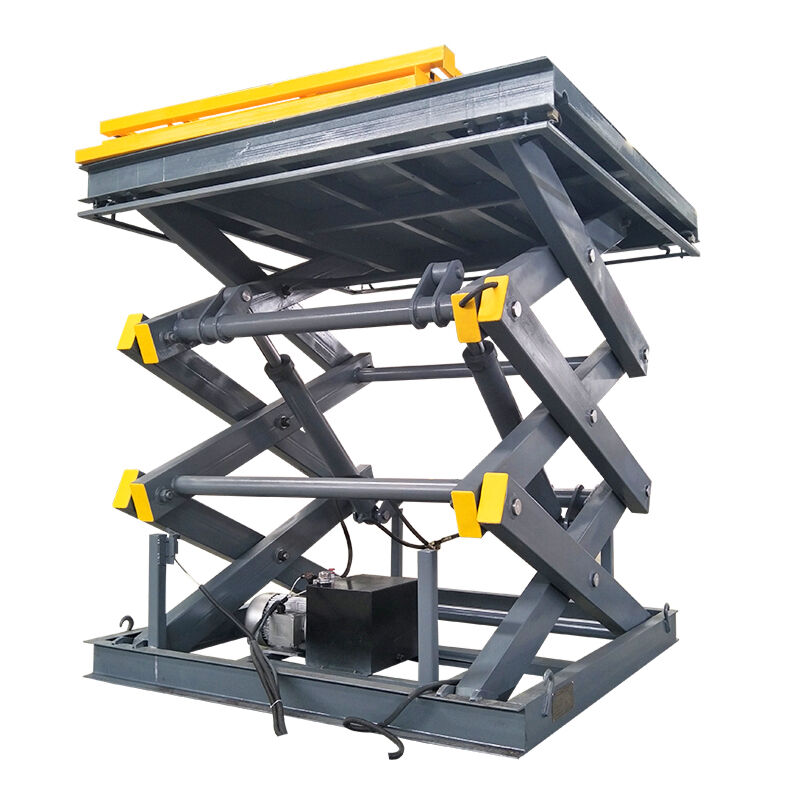
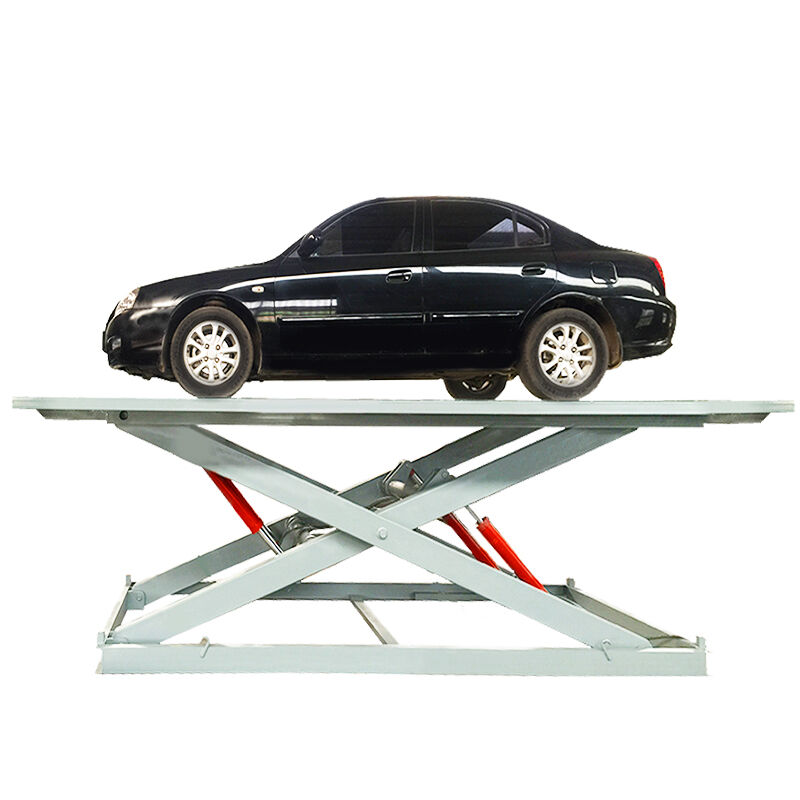
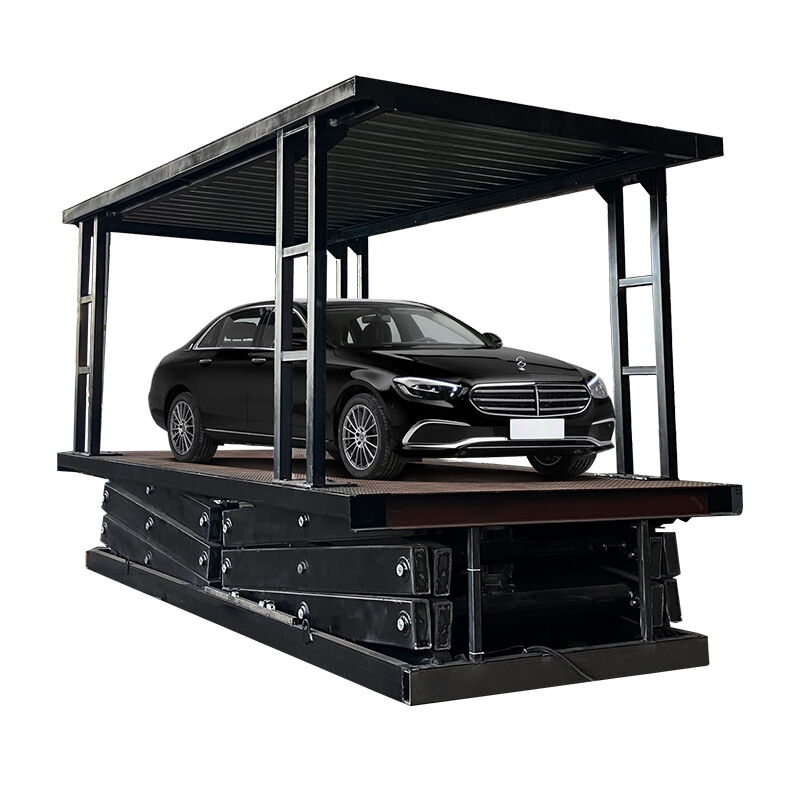
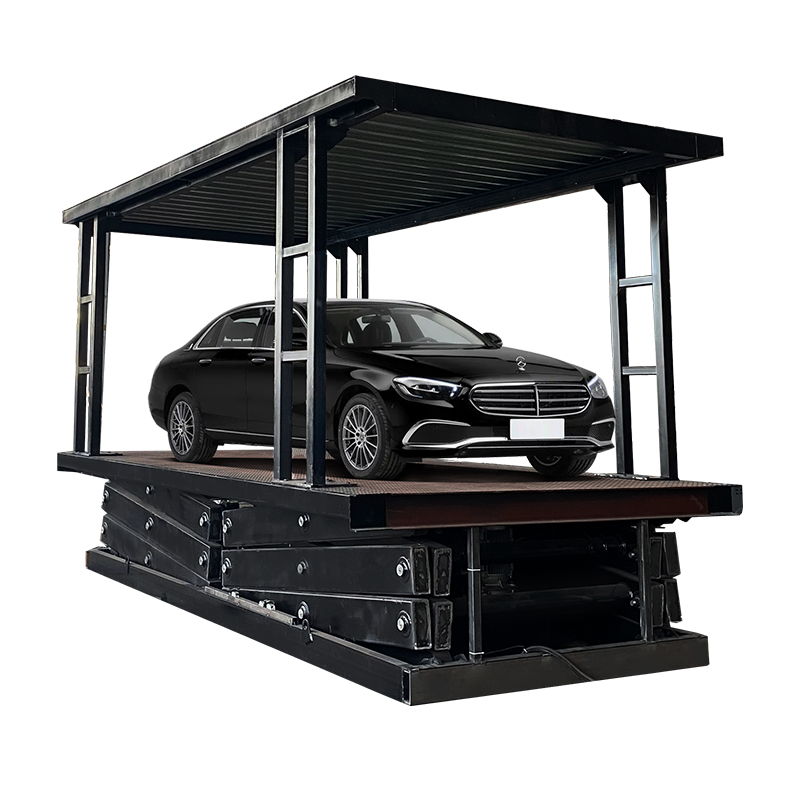
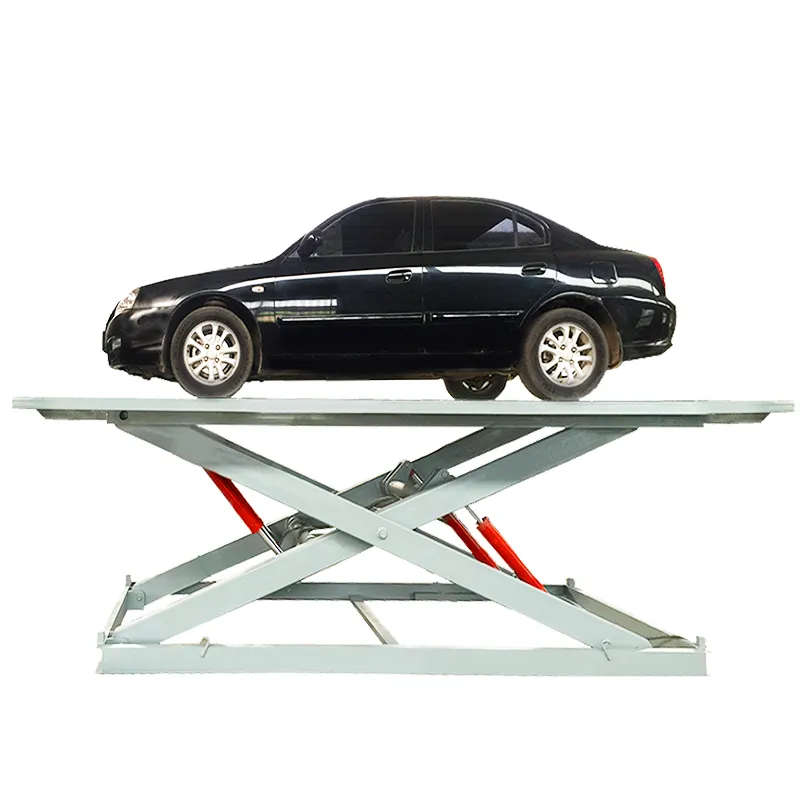
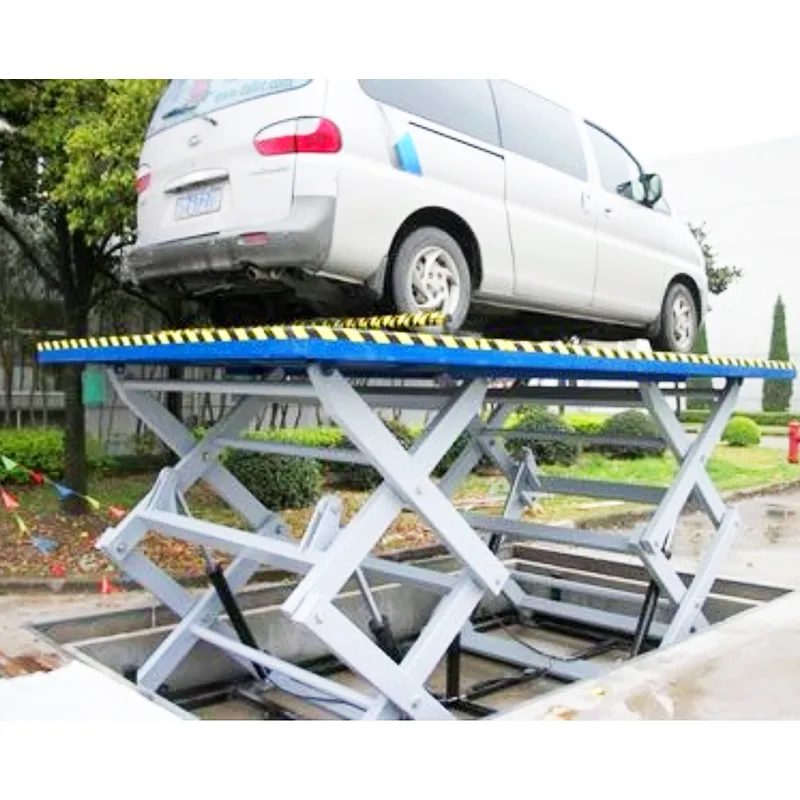
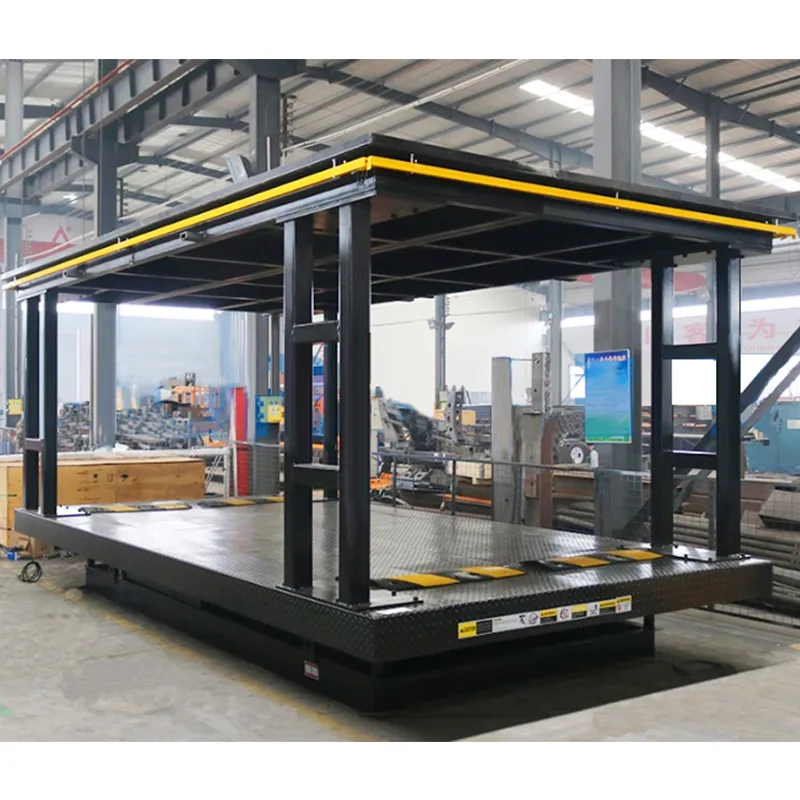
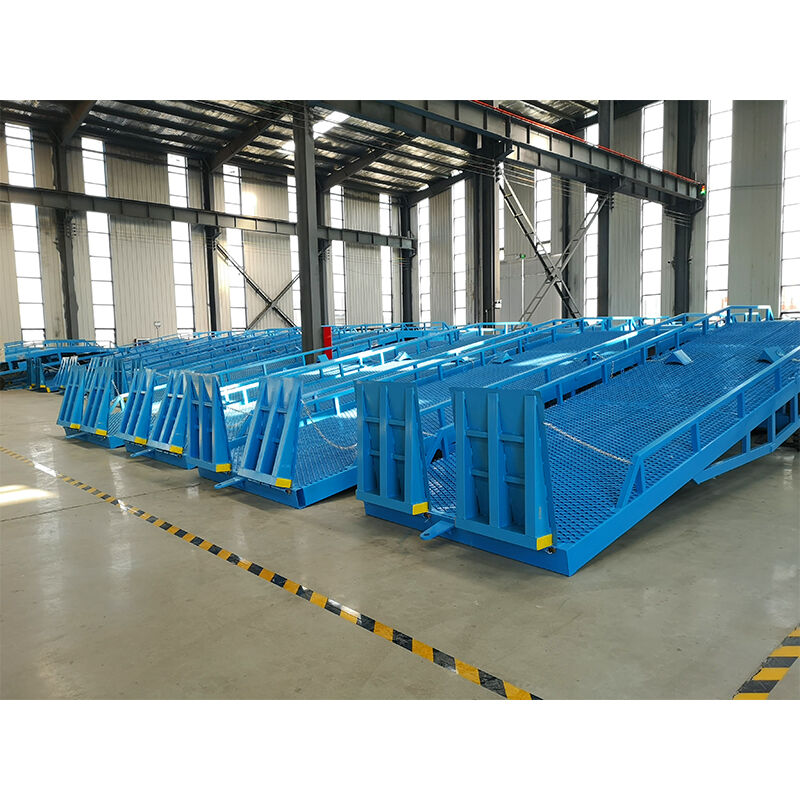
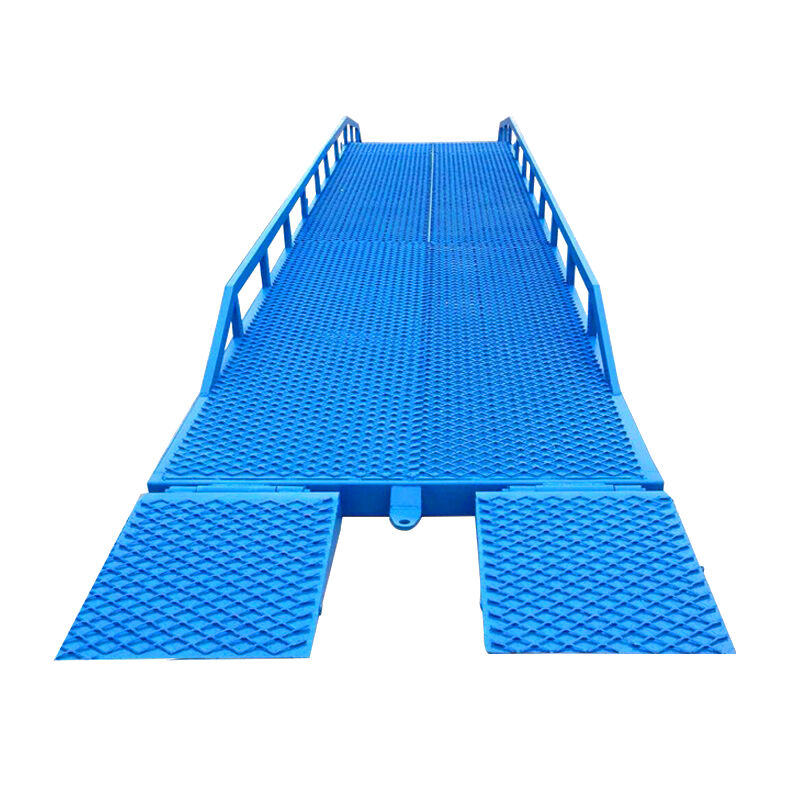
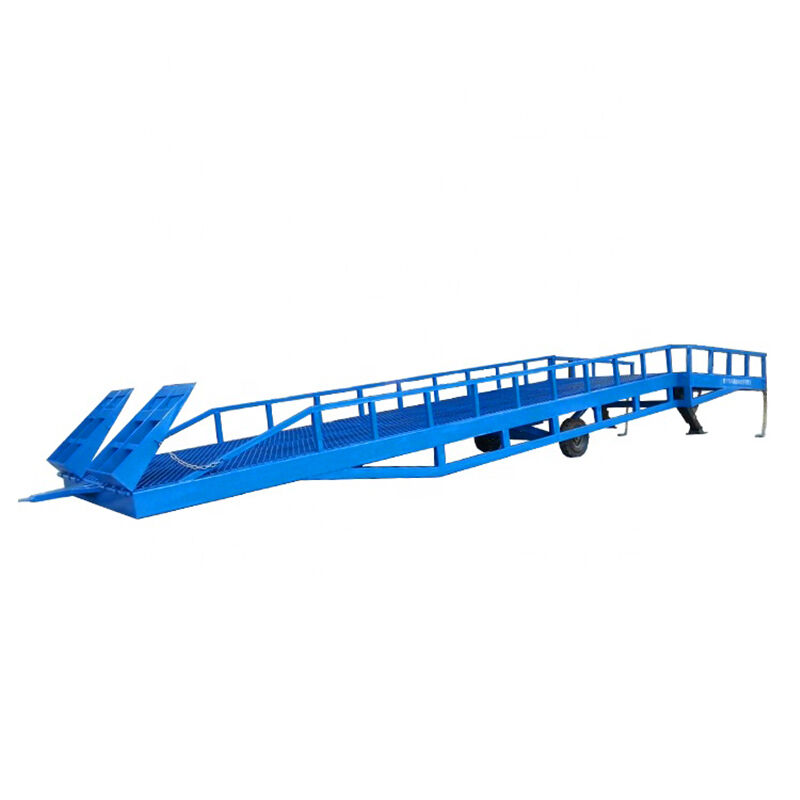
A sea container ramp represents a crucial piece of maritime infrastructure that facilitates the efficient loading and unloading of containers at ports, terminals, and maritime facilities worldwide. This specialized equipment serves as a bridge between different elevation levels, enabling smooth transportation of cargo containers from ships to shore and vice versa. The sea container ramp functions as an inclined platform designed to accommodate the substantial weight and dimensions of standard shipping containers, including 20-foot and 40-foot units that dominate international trade. Modern sea container ramp systems incorporate advanced engineering principles to handle heavy loads while maintaining structural integrity under demanding operational conditions. These ramps feature robust steel construction with reinforced surfaces capable of supporting containers weighing up to 30 tons or more. The design typically includes adjustable height mechanisms that allow operators to match various vessel configurations and dock levels, ensuring seamless cargo transfer operations regardless of tidal variations or ship displacement. Technological innovations have enhanced sea container ramp functionality through hydraulic lift systems, automated positioning controls, and safety monitoring equipment. Many contemporary models integrate weather-resistant materials and corrosion-resistant coatings specifically engineered for harsh marine environments. The sea container ramp applications extend beyond traditional port operations to include inland terminals, rail yards, and intermodal facilities where containers require elevation changes during transport. These versatile structures support various container handling equipment, from reach stackers and straddle carriers to specialized container trucks and trailers. Advanced sea container ramp designs incorporate safety features such as non-slip surfaces, emergency stop systems, and load distribution mechanisms that prevent structural damage during peak operations. The modular construction approach allows for customization based on specific terminal requirements, traffic volumes, and operational constraints, making each sea container ramp installation uniquely suited to its intended environment.

New Products

The sea container ramp delivers exceptional operational efficiency by streamlining cargo handling processes and reducing loading times significantly. Port operators experience faster turnaround rates when utilizing properly designed sea container ramp systems, as containers move smoothly between different elevation levels without requiring complex lifting equipment or time-consuming manual adjustments. This efficiency translates directly into cost savings through reduced labor requirements and increased throughput capacity. The sea container ramp eliminates bottlenecks commonly associated with traditional loading methods, allowing terminals to process higher container volumes within shorter timeframes. Economic benefits extend beyond operational speed improvements, as sea container ramp installations reduce maintenance costs compared to alternative elevation solutions. The durable construction materials and simplified mechanical systems require minimal ongoing maintenance, resulting in lower total cost of ownership over the equipment's operational lifespan. Energy efficiency represents another significant advantage, as modern sea container ramp designs minimize power consumption through optimized hydraulic systems and lightweight yet strong construction materials. Safety enhancements provide substantial value through reduced workplace accidents and improved working conditions for terminal personnel. The sea container ramp incorporates multiple safety features that protect both equipment operators and cargo handlers during routine operations. These safety systems include emergency shutdown mechanisms, overload protection, and visual warning systems that alert personnel to potential hazards. Environmental benefits emerge from reduced fuel consumption and emissions, as efficient container movement minimizes the time heavy machinery operates within terminal areas. The sea container ramp supports sustainable terminal operations by enabling faster cargo processing with lower environmental impact. Flexibility stands out as a key operational advantage, allowing terminals to accommodate various container sizes, weights, and handling equipment configurations without requiring significant infrastructure modifications. The adaptable design ensures long-term viability as shipping industry requirements evolve and container specifications change. Investment returns prove substantial as sea container ramp installations typically pay for themselves through operational improvements within the first few years of service. The enhanced productivity, reduced operating costs, and improved safety record combine to deliver measurable financial benefits that justify the initial capital expenditure while providing ongoing value throughout the equipment's service life.

Practical Tips

What Are the Advantages of Choosing a Custom Lift Manufacturer?

05

Mar

What Are the Advantages of Choosing a Custom Lift Manufacturer?

When businesses need vertical transportation solutions, they often face a critical decision: choose a standard, off-the-shelf lift system or partner with a custom lift manufacturer. While pre-engineered lifts may seem like the simpler option, working...
View More
Why Are Stationary Scissor Lifts Popular in Manufacturing Plants?

16

Mar

Why Are Stationary Scissor Lifts Popular in Manufacturing Plants?

Manufacturing plants worldwide have increasingly turned to stationary scissor lifts as essential equipment for their vertical material handling and access needs. These robust hydraulic platforms have become indispensable in modern industrial operatio...
View More
How Do Car Lifts for Home Garage Add Value to Real Estate Projects?

20

Mar

How Do Car Lifts for Home Garage Add Value to Real Estate Projects?

Car lifts for home garage installations have emerged as a premium feature that significantly enhances property value in today's competitive real estate market. These sophisticated automotive storage solutions transform ordinary residential garages in...
View More
What Are the Key Benefits of Installing a Goods Lift in Factories?

30

Mar

What Are the Key Benefits of Installing a Goods Lift in Factories?

In today’s highly competitive industrial environment, factories are under constant pressure to improve operational efficiency, reduce labor costs, and ensure workplace safety. One of the most practical solutions adopted by modern manufactu...
View More

Get a Free Quote

Our representative will contact you soon.
Email
Mobile/WhatsApp
Name
Company Name
Message
0/1000

sea container ramp

Superior Load Capacity and Structural Durability

Superior Load Capacity and Structural Durability

The sea container ramp excels in handling massive cargo loads through its engineered structural design that prioritizes both strength and longevity. This exceptional load capacity stems from high-grade steel construction reinforced with strategically placed support beams and cross-bracing systems that distribute weight evenly across the entire structure. The sea container ramp can accommodate containers exceeding 30 tons without compromising structural integrity or operational safety. Advanced metallurgy ensures the ramp surface maintains its shape and functionality even under continuous heavy-duty use, preventing deformation that could impede smooth container movement. The structural durability extends to harsh marine environments where salt spray, temperature fluctuations, and constant moisture exposure challenge equipment longevity. Specialized protective coatings and corrosion-resistant materials shield critical components from environmental degradation, ensuring decades of reliable service life. Engineering calculations account for dynamic loading scenarios where containers may shift or impact the ramp surface during placement or removal operations. The robust foundation systems anchor the sea container ramp securely to existing dock infrastructure, preventing movement or settlement that could create safety hazards or operational disruptions. Quality control measures during manufacturing guarantee consistent material properties and weld integrity throughout the structure. Regular stress testing validates the design's ability to exceed rated capacity limits, providing safety margins that protect against unexpected loading conditions. The modular construction approach allows for component replacement or upgrades without requiring complete system replacement, maximizing the long-term value proposition. Field testing under real-world conditions confirms the sea container ramp performance under various weather conditions, cargo types, and operational schedules. This proven durability reduces unplanned maintenance requirements and minimizes operational downtime, delivering consistent productivity benefits that justify the initial investment through sustained performance over many years of continuous service.
Advanced Safety Systems and Risk Mitigation

Advanced Safety Systems and Risk Mitigation

Safety innovation distinguishes the modern sea container ramp through comprehensive risk mitigation systems that protect personnel, equipment, and cargo during all phases of operation. These advanced safety features begin with non-slip surface treatments that maintain traction under wet conditions, preventing containers and handling equipment from sliding during positioning or movement activities. The sea container ramp incorporates multiple redundant safety mechanisms including emergency stop systems accessible from various locations around the work area, ensuring immediate shutdown capability when hazardous situations develop. Load monitoring technology continuously tracks weight distribution across the ramp surface, providing real-time feedback to operators about loading conditions and automatically triggering warnings when capacity limits approach. Visual and audible warning systems alert personnel to ramp movement, container positioning activities, and potential hazard conditions, creating heightened awareness in busy terminal environments where multiple operations occur simultaneously. Barrier systems and designated walkways separate pedestrian areas from active container handling zones, reducing the risk of accidents involving ground personnel and mobile equipment. The sea container ramp design includes fall protection features and secure anchor points for safety equipment when maintenance activities require personnel access to elevated areas. Environmental monitoring capabilities detect adverse weather conditions such as high winds or ice formation that could compromise safe operations, automatically implementing protective measures or recommending operational suspensions. Training integration features help operators understand proper usage procedures and safety protocols through built-in guidance systems and operational feedback mechanisms. Regular safety audits and compliance testing ensure the sea container ramp meets or exceeds industry safety standards and regulatory requirements. Emergency response procedures receive support from integrated communication systems that facilitate rapid coordination between operators, supervisors, and emergency personnel when incidents occur. These comprehensive safety measures demonstrate the commitment to protecting human resources while maintaining operational efficiency, creating a work environment where productivity and safety complement rather than compete with each other.
Operational Flexibility and Adaptability

Operational Flexibility and Adaptability

The sea container ramp achieves remarkable operational versatility through adaptable design features that accommodate diverse terminal configurations, container specifications, and handling equipment requirements. This flexibility begins with adjustable height mechanisms that enable precise positioning for various vessel types, from small coastal freighters to massive container ships with different deck elevations and loading configurations. The sea container ramp adapts seamlessly to tidal variations and vessel displacement changes throughout loading and unloading cycles, maintaining optimal alignment without requiring manual repositioning or complex adjustment procedures. Multi-modal compatibility allows the same ramp system to support different container handling equipment including reach stackers, straddle carriers, rubber-tired gantry cranes, and specialized container chassis, maximizing equipment utilization across varied operational scenarios. Modular expansion capabilities enable terminals to modify or extend sea container ramp systems as throughput requirements increase or facility layouts change, protecting initial investments while supporting business growth. The intelligent control systems learn from operational patterns and automatically optimize positioning parameters for different container types, cargo weights, and handling equipment characteristics, improving efficiency through accumulated operational experience. Weather adaptation features allow continued operations under challenging environmental conditions by adjusting system parameters for temperature variations, wind loading, and precipitation effects that could impact container handling safety or efficiency. Interface compatibility ensures seamless integration with existing terminal management systems, cargo tracking technologies, and automated handling equipment, preserving current operational procedures while adding enhanced capabilities. Maintenance scheduling flexibility accommodates varying operational demands by allowing system components to undergo service during low-activity periods without disrupting critical cargo handling operations. Future-proofing design elements anticipate evolving industry standards for container dimensions, weights, and handling procedures, ensuring long-term compatibility with emerging shipping industry trends. This comprehensive adaptability reduces the need for multiple specialized handling systems, simplifying terminal operations while maintaining the capability to handle diverse cargo requirements efficiently and safely across different operational scenarios and changing business conditions.

Get a Free Quote

Our representative will contact you soon.
Email
Mobile/WhatsApp
Name
Company Name
Message
0/1000