ground level container access ramps
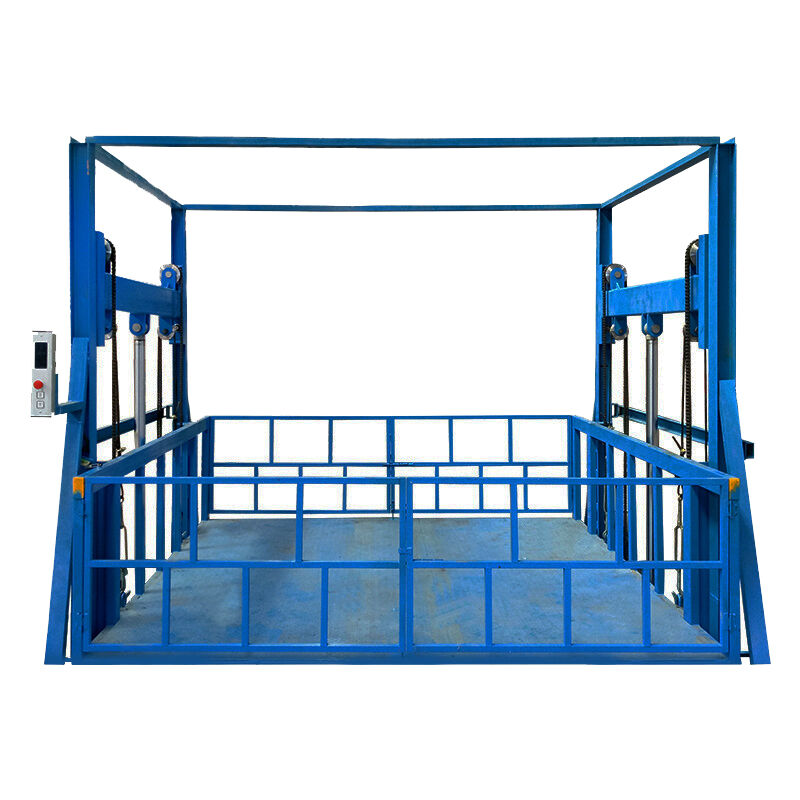
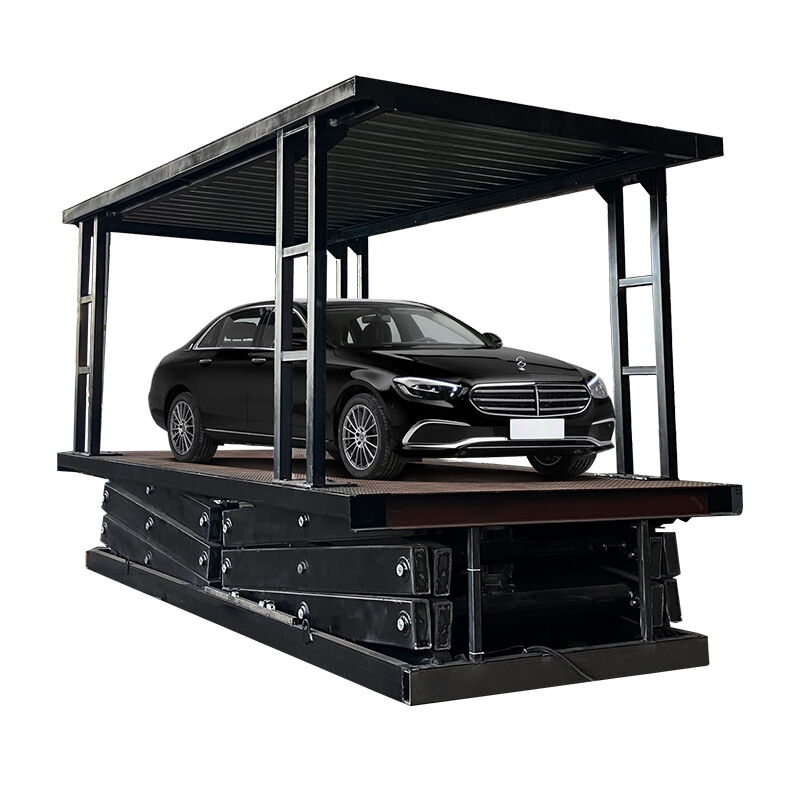
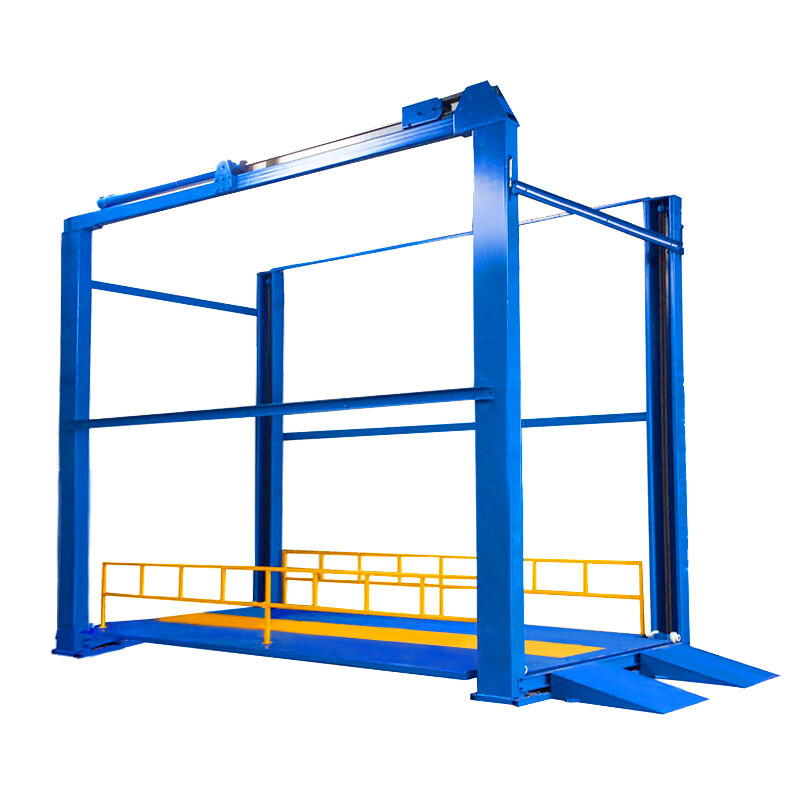
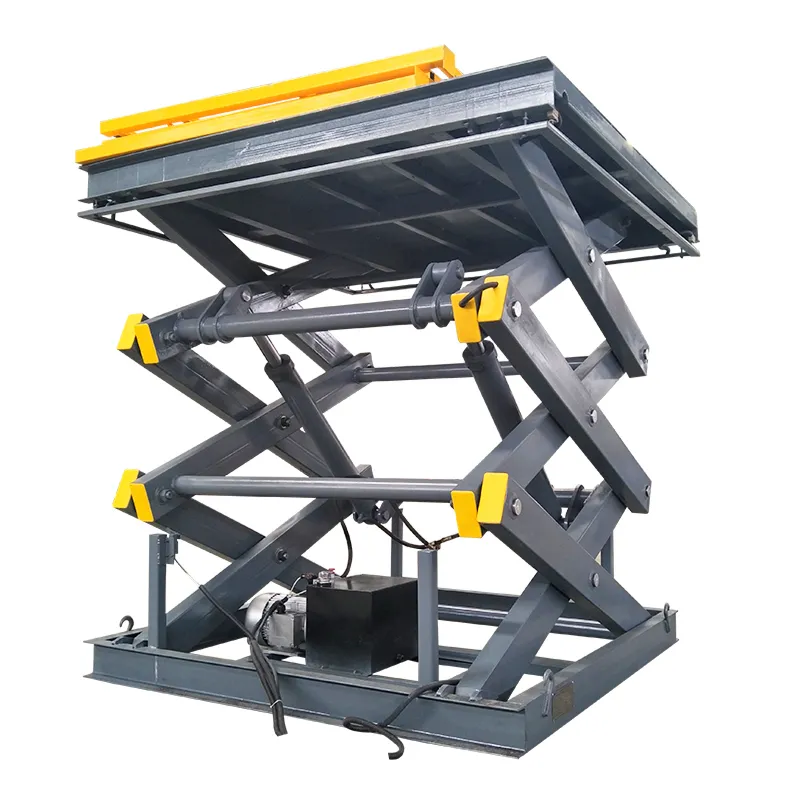
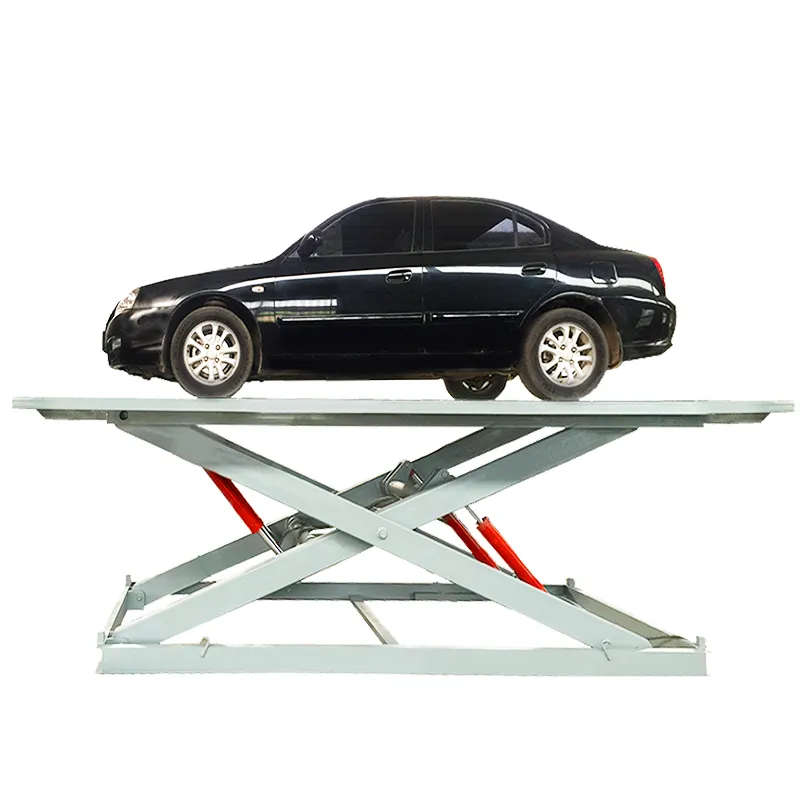
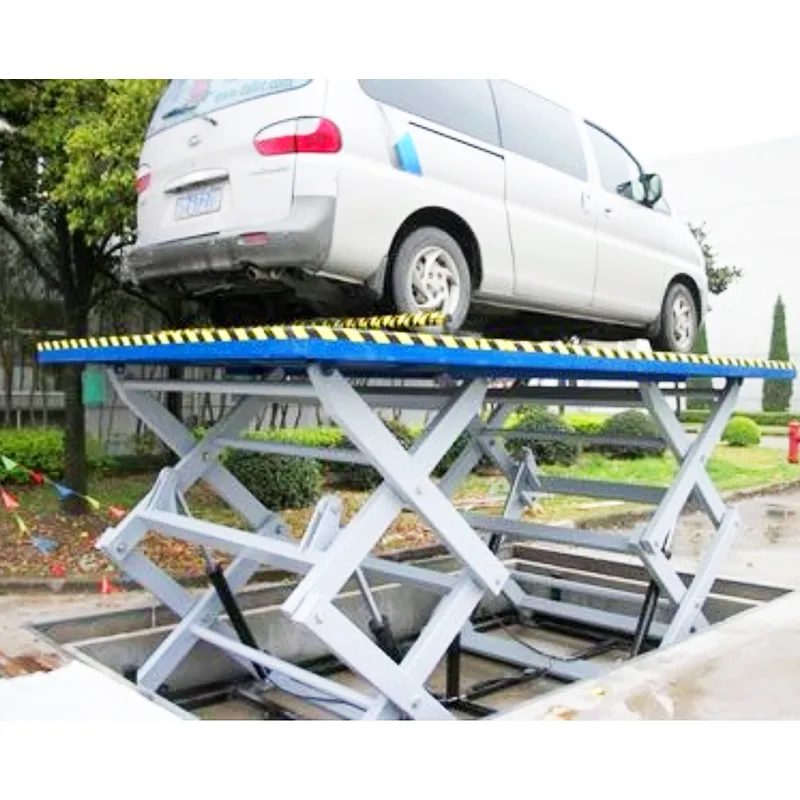
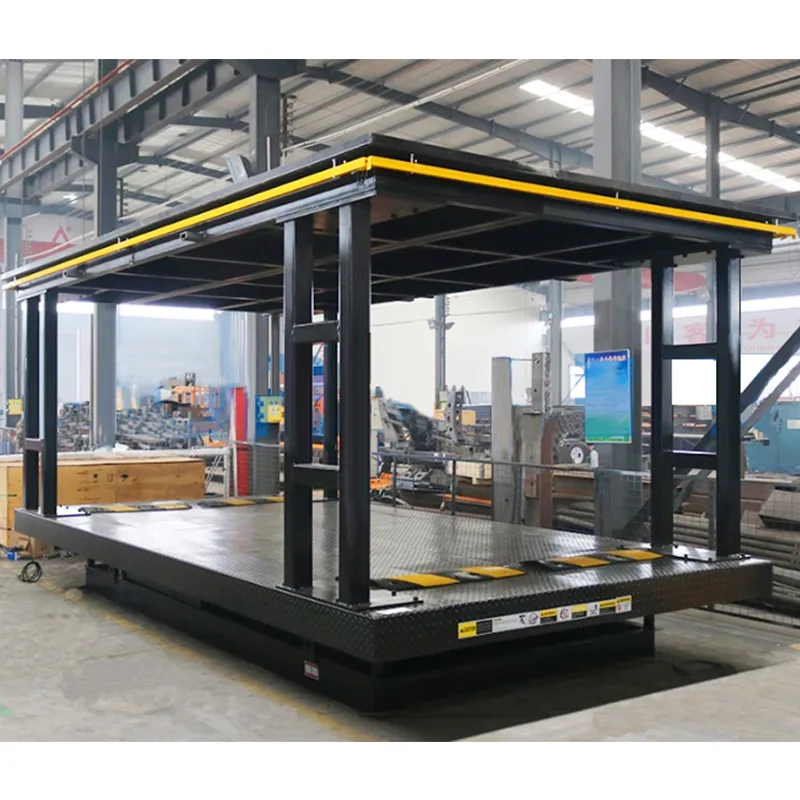
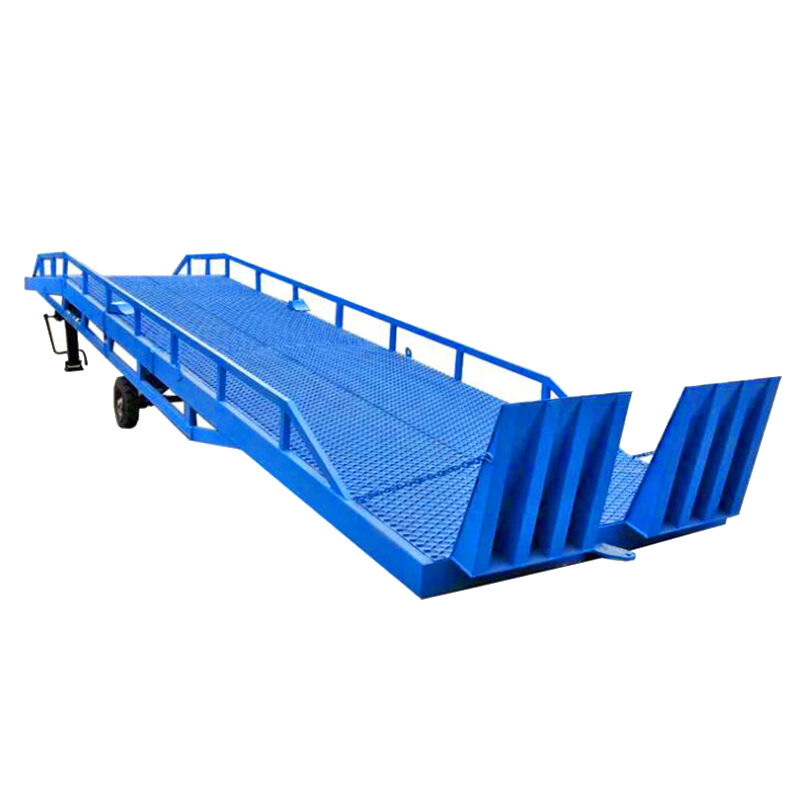
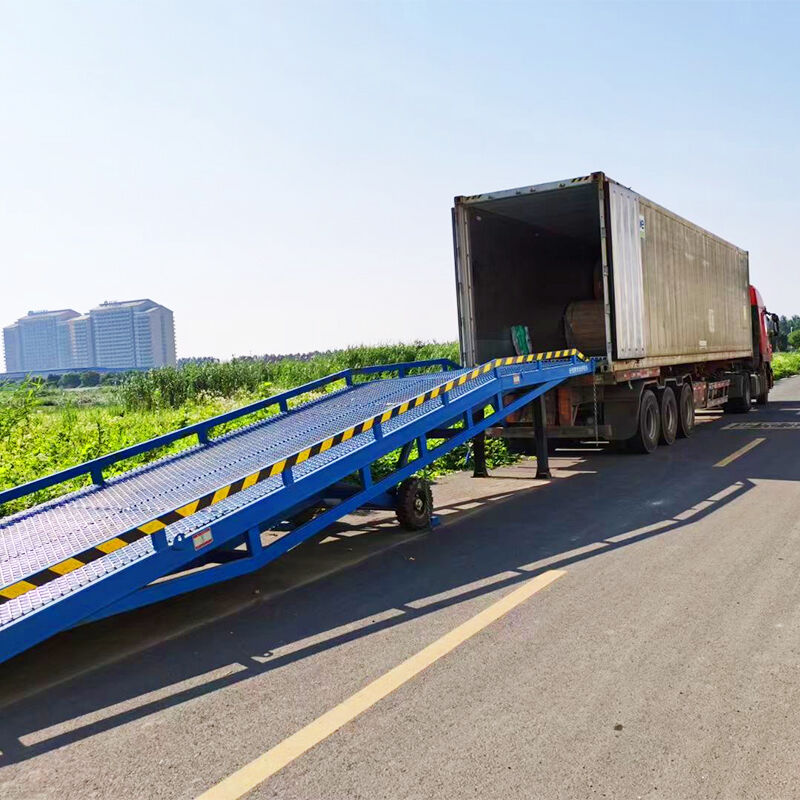
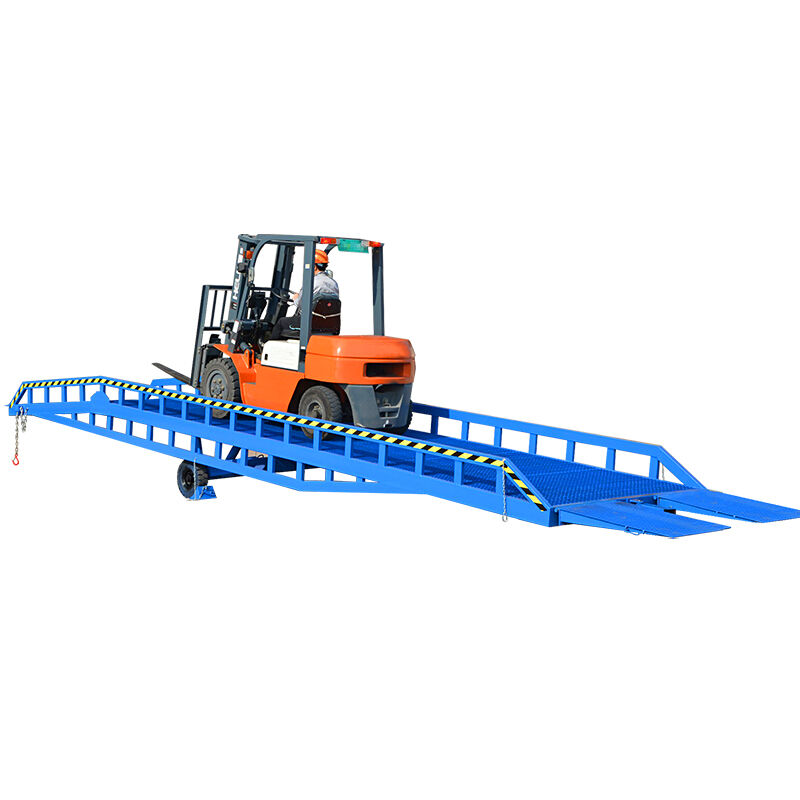
Ground level container access ramps represent a revolutionary solution for efficient cargo handling and material transportation in modern logistics operations. These specialized loading systems are engineered to create seamless transitions between ground level surfaces and container floors, eliminating height barriers that traditionally complicate loading and unloading processes. Ground level container access ramps serve multiple critical functions in warehouse operations, shipping facilities, and distribution centers where efficient cargo movement directly impacts operational productivity and safety standards. The primary function involves bridging the gap between standard ground surfaces and elevated container thresholds, which typically range from 48 to 60 inches in height depending on container specifications and truck configurations. These systems incorporate advanced hydraulic mechanisms, robust steel construction, and precision engineering to ensure reliable performance under demanding operational conditions. Technological features include variable height adjustment capabilities, allowing operators to accommodate different container types and truck bed heights with remarkable precision. Modern ground level container access ramps integrate sophisticated safety systems including anti-slip surfaces, safety barriers, and emergency stop mechanisms that protect personnel during operation. The structural design utilizes high-strength steel materials with corrosion-resistant coatings, ensuring longevity in harsh industrial environments. Applications span across diverse industries including automotive manufacturing, food distribution, pharmaceutical logistics, retail supply chains, and international shipping operations. These systems prove particularly valuable in facilities handling temperature-sensitive cargo, hazardous materials, or high-value merchandise where efficient loading processes minimize exposure risks. Ground level container access ramps significantly enhance operational efficiency by reducing manual handling requirements, accelerating cargo transfer speeds, and maintaining consistent workflow patterns regardless of container configurations or seasonal operational demands.
 EN
EN