Professional Container Ramp for Forklift - Heavy-Duty Loading Solutions

Get a Free Quote

Our representative will contact you soon.
Email
Mobile/WhatsApp
Name
Company Name
Message
0/1000

container ramp for forklift

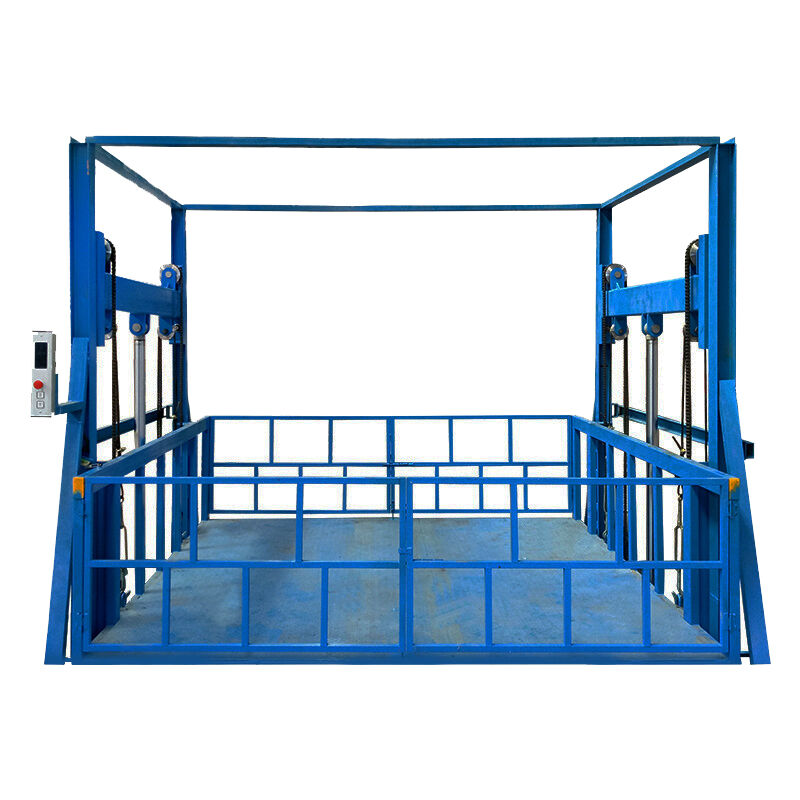
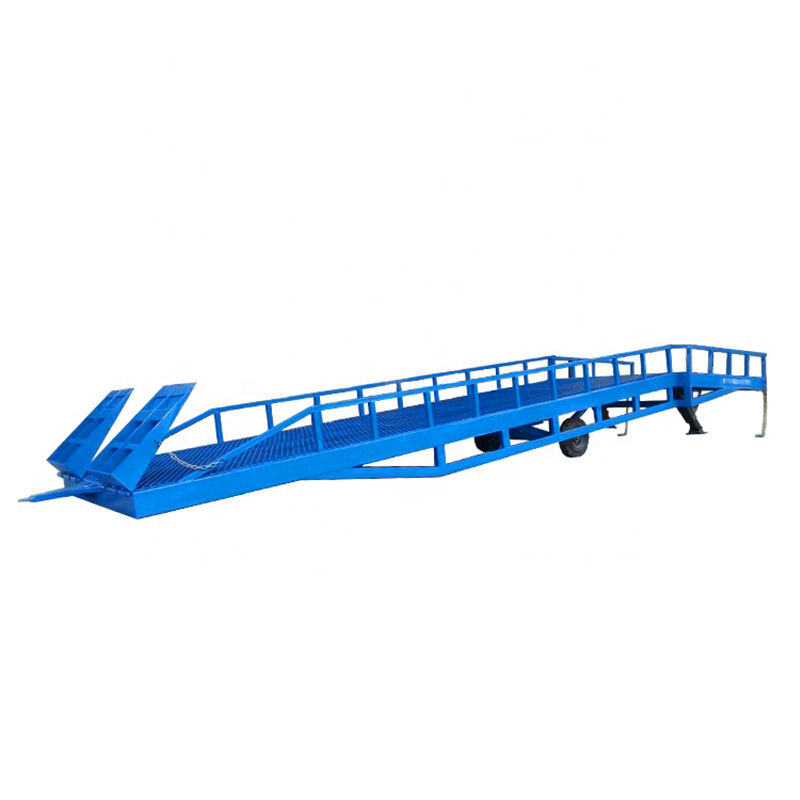
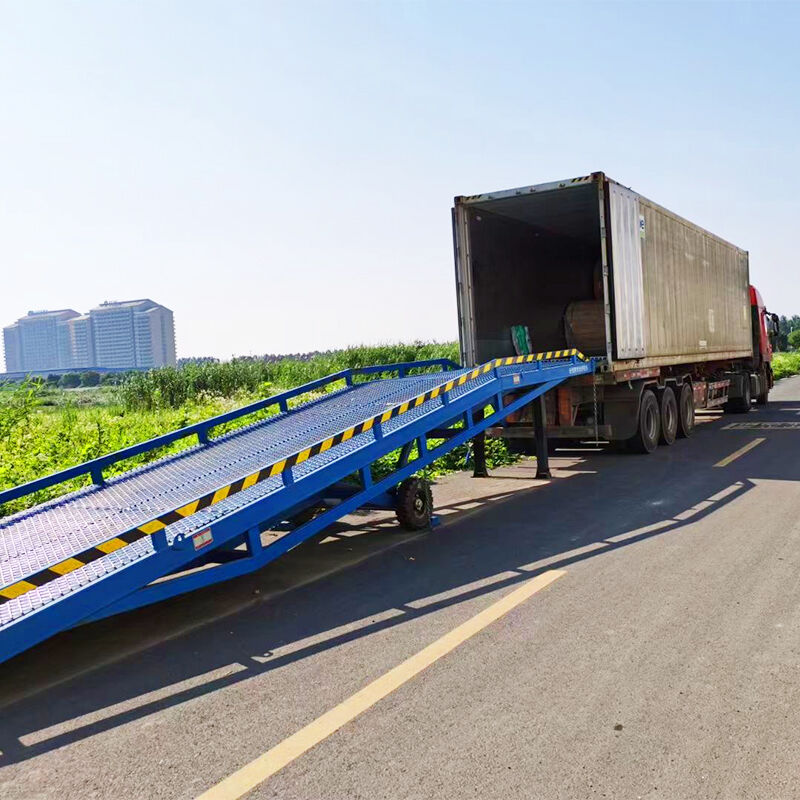
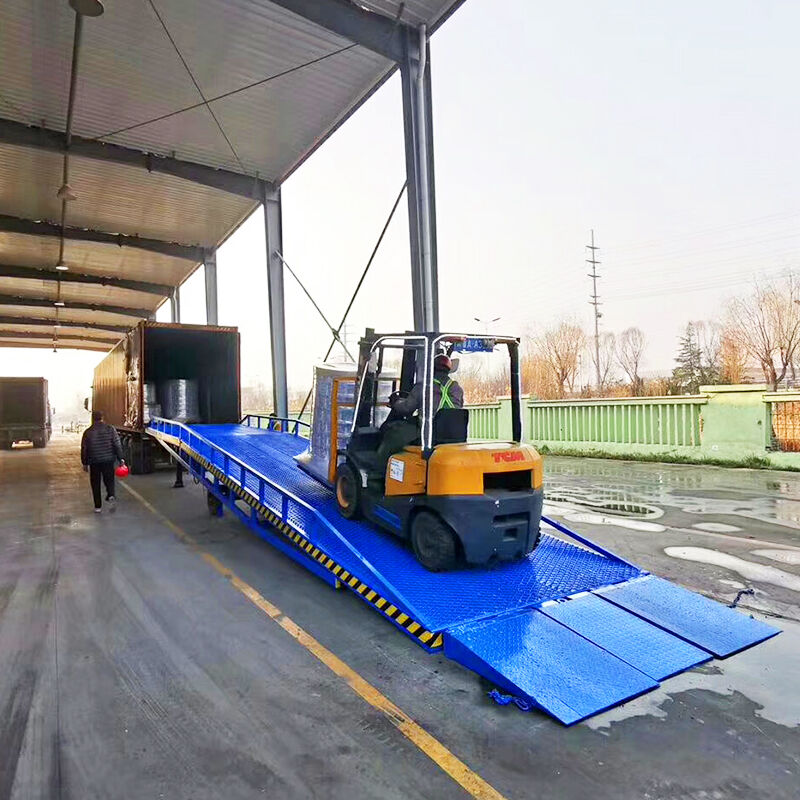
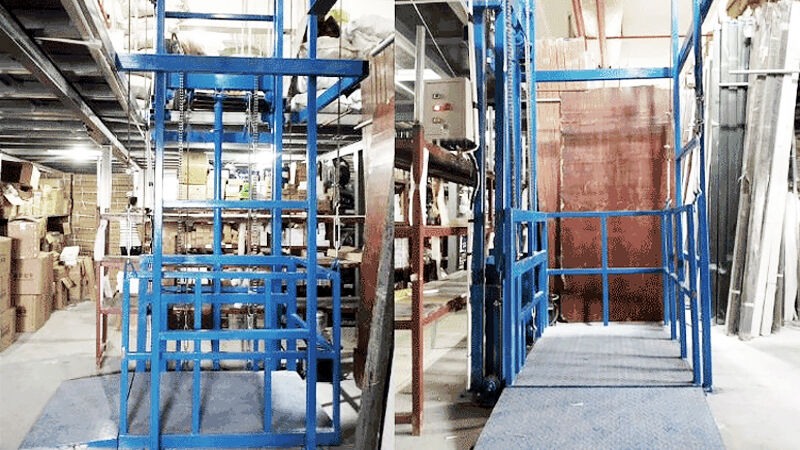
A container ramp for forklift represents an essential piece of equipment designed to bridge the gap between ground level and elevated surfaces such as trucks, trailers, and shipping containers. This specialized loading dock solution enables forklifts to safely and efficiently move materials in and out of containers without the need for permanent dock facilities. The container ramp for forklift features a robust steel construction with hydraulic or mechanical adjustment mechanisms that allow operators to match the height and angle requirements of various container types. These ramps incorporate safety features including slip-resistant surfaces, safety chains, and edge protection barriers to prevent accidents during loading operations. The technological framework of a container ramp for forklift includes weight capacity ratings typically ranging from 6,000 to 30,000 pounds, accommodating different forklift sizes and load requirements. Advanced models feature adjustable legs with multiple positioning options, ensuring stable contact with uneven ground surfaces. The ramp surface utilizes diamond plate or checkered steel patterns that provide superior traction for forklift wheels while resisting wear from repeated use. Modern container ramp for forklift designs incorporate weather-resistant coatings and galvanized components to withstand outdoor conditions and extend service life. Applications span across warehousing, distribution centers, manufacturing facilities, ports, and temporary loading sites where permanent dock infrastructure is unavailable or impractical. Industries utilizing container ramp for forklift solutions include automotive, retail, food and beverage, pharmaceutical, and logistics sectors. The versatility of these ramps makes them particularly valuable for businesses handling seasonal fluctuations in shipping volumes or operating in remote locations. Installation requires minimal setup time, allowing operations to commence quickly without extensive preparation or construction work. The portable nature of many container ramp for forklift models enables businesses to relocate equipment as operational needs change, maximizing return on investment through flexible deployment options.

New Products

The primary advantage of implementing a container ramp for forklift operations lies in its ability to eliminate the dependency on fixed loading dock infrastructure. This flexibility allows businesses to establish loading operations virtually anywhere, reducing facility costs and expanding operational possibilities. Companies can avoid expensive dock construction projects while maintaining full loading capabilities, making the container ramp for forklift an economically attractive solution for growing businesses. The equipment significantly reduces manual labor requirements by enabling direct forklift access to container interiors, eliminating the need for workers to manually transfer goods across height differences. This automation improvement leads to faster turnaround times and reduced labor costs while minimizing the risk of workplace injuries associated with manual material handling. Safety enhancements represent another crucial advantage of the container ramp for forklift system. The engineered design provides stable, controlled access that reduces accidents compared to makeshift solutions or manual loading methods. Built-in safety features such as guardrails, non-slip surfaces, and proper weight distribution ensure operators can work confidently while maintaining productivity standards. The time efficiency gained through container ramp for forklift implementation directly translates to improved operational throughput. Loading and unloading operations that previously required hours can be completed in significantly less time, allowing businesses to process more shipments per day and improve customer service levels. This increased efficiency becomes particularly valuable during peak seasons or when handling time-sensitive deliveries. Versatility stands as a major competitive advantage, as the container ramp for forklift adapts to various container heights and truck configurations without requiring multiple specialized tools. This adaptability reduces equipment inventory costs while ensuring operational continuity across different shipping scenarios. The portable nature of many models allows businesses to deploy the ramp where needed most, optimizing resource allocation and supporting multiple locations with a single investment. Cost-effectiveness extends beyond the initial purchase price, as the container ramp for forklift requires minimal maintenance compared to permanent dock structures. The equipment typically provides decades of reliable service with basic upkeep, delivering excellent return on investment through consistent performance and durability. Weather resistance features ensure year-round operation without performance degradation, maintaining productivity regardless of environmental conditions.

Latest News

What Are the Advantages of Choosing a Custom Lift Manufacturer?

05

Mar

What Are the Advantages of Choosing a Custom Lift Manufacturer?

When businesses need vertical transportation solutions, they often face a critical decision: choose a standard, off-the-shelf lift system or partner with a custom lift manufacturer. While pre-engineered lifts may seem like the simpler option, working...
View More
Why Are Stationary Scissor Lifts Popular in Manufacturing Plants?

16

Mar

Why Are Stationary Scissor Lifts Popular in Manufacturing Plants?

Manufacturing plants worldwide have increasingly turned to stationary scissor lifts as essential equipment for their vertical material handling and access needs. These robust hydraulic platforms have become indispensable in modern industrial operatio...
View More
How Do Car Lifts for Home Garage Add Value to Real Estate Projects?

20

Mar

How Do Car Lifts for Home Garage Add Value to Real Estate Projects?

Car lifts for home garage installations have emerged as a premium feature that significantly enhances property value in today's competitive real estate market. These sophisticated automotive storage solutions transform ordinary residential garages in...
View More
What Are the Key Benefits of Installing a Goods Lift in Factories?

30

Mar

What Are the Key Benefits of Installing a Goods Lift in Factories?

In today’s highly competitive industrial environment, factories are under constant pressure to improve operational efficiency, reduce labor costs, and ensure workplace safety. One of the most practical solutions adopted by modern manufactu...
View More

Get a Free Quote

Our representative will contact you soon.
Email
Mobile/WhatsApp
Name
Company Name
Message
0/1000

container ramp for forklift

Advanced Height Adjustment Technology

Advanced Height Adjustment Technology

The sophisticated height adjustment mechanism represents the cornerstone technology that distinguishes professional-grade container ramp for forklift systems from basic alternatives. This advanced feature utilizes precision-engineered hydraulic cylinders or mechanical screw jacks that provide smooth, controlled elevation changes to accommodate containers ranging from standard ground-level trailers to high-cube shipping containers. The adjustment range typically spans 48 to 72 inches, ensuring compatibility with virtually all commercial container types encountered in modern logistics operations. Professional container ramp for forklift models incorporate dual-cylinder hydraulic systems that distribute lifting forces evenly across the ramp structure, preventing warping or stress concentration that could compromise safety or durability. The hydraulic power unit features variable pressure controls allowing operators to fine-tune positioning for perfect alignment with container floors, eliminating gaps or excessive angles that could damage equipment or create hazardous conditions. Safety interlocks prevent adjustment operations while forklifts are positioned on the ramp, ensuring operator protection during height changes. The mechanical advantage provided by this technology enables a single operator to quickly adjust the container ramp for forklift position without physical strain or time-consuming manual procedures. Advanced models include memory positioning systems that store frequently used height settings, allowing operators to quickly return to common configurations with the press of a button. This automation reduces setup time and ensures consistent positioning accuracy across multiple loading cycles. The robust construction of adjustment mechanisms utilizes hardened steel components and sealed hydraulic circuits designed to withstand thousands of adjustment cycles without performance degradation. Regular maintenance requirements remain minimal due to the use of high-quality seals and lubricants that resist contamination and wear. The investment in advanced height adjustment technology pays dividends through improved operational efficiency, enhanced safety compliance, and reduced operator fatigue, making the container ramp for forklift an indispensable tool for modern material handling operations.
Superior Load Distribution and Structural Integrity

Superior Load Distribution and Structural Integrity

The structural engineering excellence of a professional container ramp for forklift centers on its ability to safely distribute dynamic loads across multiple support points while maintaining structural integrity under extreme operating conditions. The foundation of this capability lies in the engineered beam framework that utilizes high-strength steel alloys specifically selected for their fatigue resistance and load-bearing properties. The primary support beams feature I-beam or tubular steel construction with calculated dimensions that provide optimal strength-to-weight ratios while ensuring deflection limits remain within safe operating parameters. Cross-bracing elements create a rigid framework that prevents lateral movement and maintains dimensional stability under varying load conditions. The container ramp for forklift incorporates multiple contact points with the ground through adjustable support legs that distribute the combined weight of the ramp, forklift, and cargo across a wide footprint. This distribution prevents ground pressure concentration that could cause settling or instability on various surface types. Professional-grade models include swivel-mounted feet with large contact plates that automatically adjust to ground contours while providing maximum surface contact area. The ramp surface itself utilizes heavy-duty steel plate construction with integrated reinforcement ribs that channel loads directly to the support structure. Diamond plate or checkered surface patterns not only provide traction but also contribute to structural rigidity through their formed geometry. The welded construction employs certified welding procedures and inspected joints that meet or exceed industry safety standards for material handling equipment. Load capacity ratings for professional container ramp for forklift systems typically range from 20,000 to 50,000 pounds, accommodating the heaviest industrial forklifts while maintaining substantial safety margins. Dynamic load testing during manufacturing ensures each unit can withstand impact loads and repetitive stress cycles that occur during normal operation. The engineering excellence extends to connection points where removable sections join, utilizing precision-machined interfaces with positive locking mechanisms that eliminate play or movement between components. This attention to structural detail ensures the container ramp for forklift provides reliable, safe operation throughout its extended service life while maintaining dimensional accuracy and performance standards.
Weather-Resistant Durability and Low Maintenance Design

Weather-Resistant Durability and Low Maintenance Design

The exceptional durability and minimal maintenance requirements of a professional container ramp for forklift stem from advanced materials engineering and protective coating systems designed to withstand harsh operating environments while maintaining peak performance over extended service periods. The foundation of this durability begins with the selection of high-grade structural steel that undergoes specialized heat treatment processes to optimize grain structure and enhance resistance to fatigue, corrosion, and impact damage. The steel components receive multi-stage surface preparation including shot blasting to achieve optimal coating adhesion before application of premium protective finishes. Professional-grade container ramp for forklift systems utilize hot-dip galvanizing processes that provide complete zinc coating coverage, including internal surfaces and connection points that might be missed by spray-applied coatings. This galvanizing process creates a metallurgical bond between the zinc and steel substrate that provides decades of corrosion protection even in marine environments or areas with road salt exposure. The zinc coating thickness typically exceeds standard specifications to ensure extended protection life that far surpasses painted alternatives. Beyond corrosion resistance, the container ramp for forklift incorporates wear-resistant materials at critical contact points where repeated forklift traffic occurs. The ramp surface features abrasion-resistant steel alloys or replaceable wear strips that maintain traction properties throughout the equipment lifecycle. Hinge points and adjustment mechanisms utilize bronze bushings or sealed bearing assemblies that eliminate the need for frequent lubrication while providing smooth operation under load. Hydraulic components, where applicable, employ commercial-grade cylinders with chrome-plated rods and high-durometer seals designed for mobile equipment applications. These components resist contamination from dust, moisture, and temperature extremes commonly encountered in outdoor loading operations. The hydraulic fluid specifications include anti-wear additives and viscosity improvers that maintain performance across wide temperature ranges while extending component life. Maintenance requirements for a properly engineered container ramp for forklift typically consist of periodic visual inspections, basic cleaning, and occasional lubrication of exposed moving parts. The sealed bearing design eliminates daily greasing requirements, while the galvanized finish resists environmental degradation without need for repainting or touch-up work. This low-maintenance design philosophy reduces total cost of ownership while ensuring consistent availability for critical loading operations, making the container ramp for forklift investment highly cost-effective over its operational lifetime.

Get a Free Quote

Our representative will contact you soon.
Email
Mobile/WhatsApp
Name
Company Name
Message
0/1000