ramp container loading
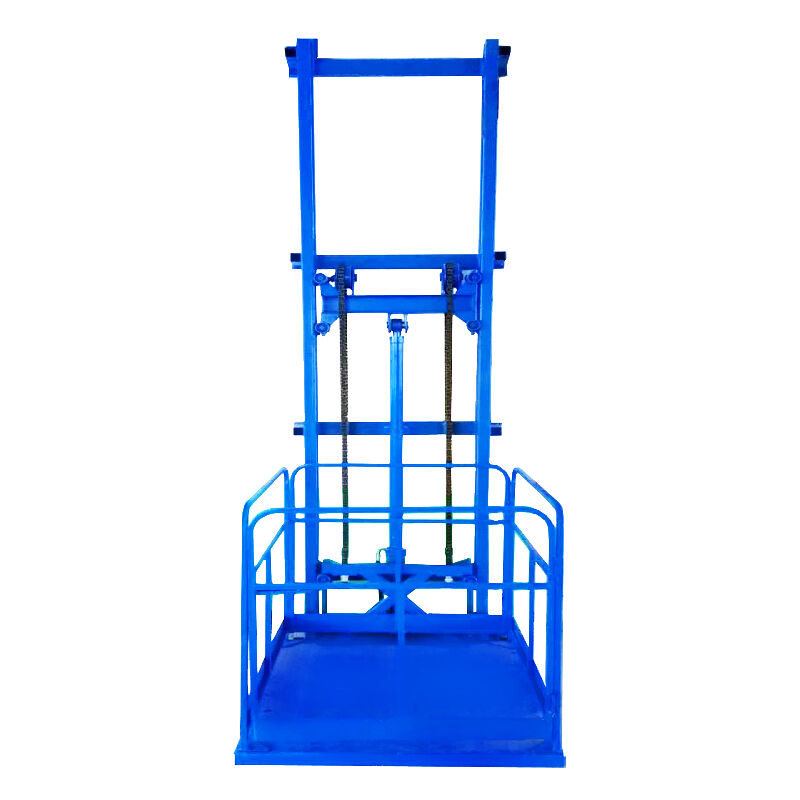
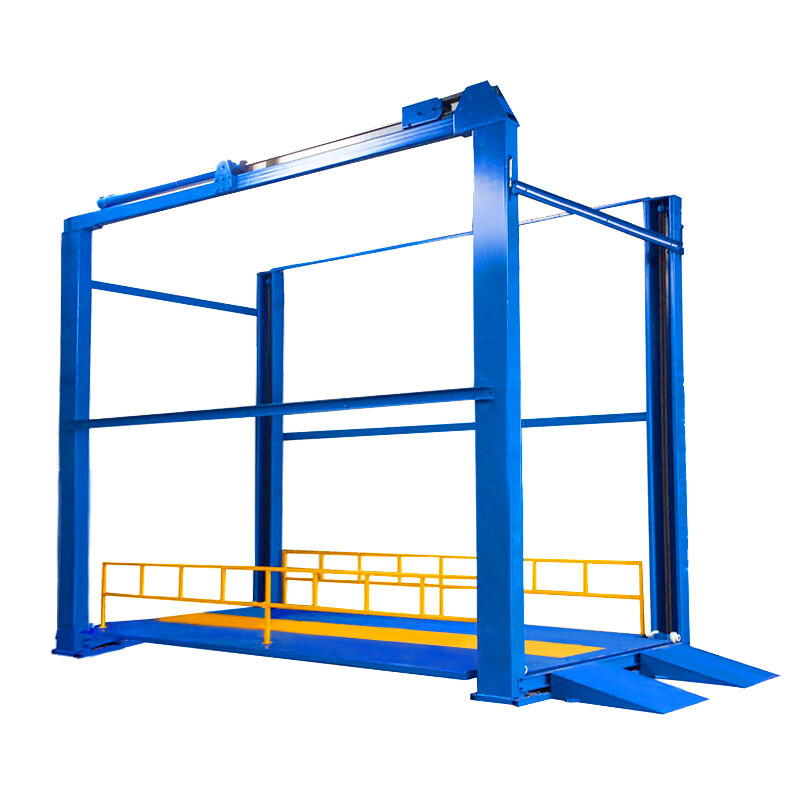
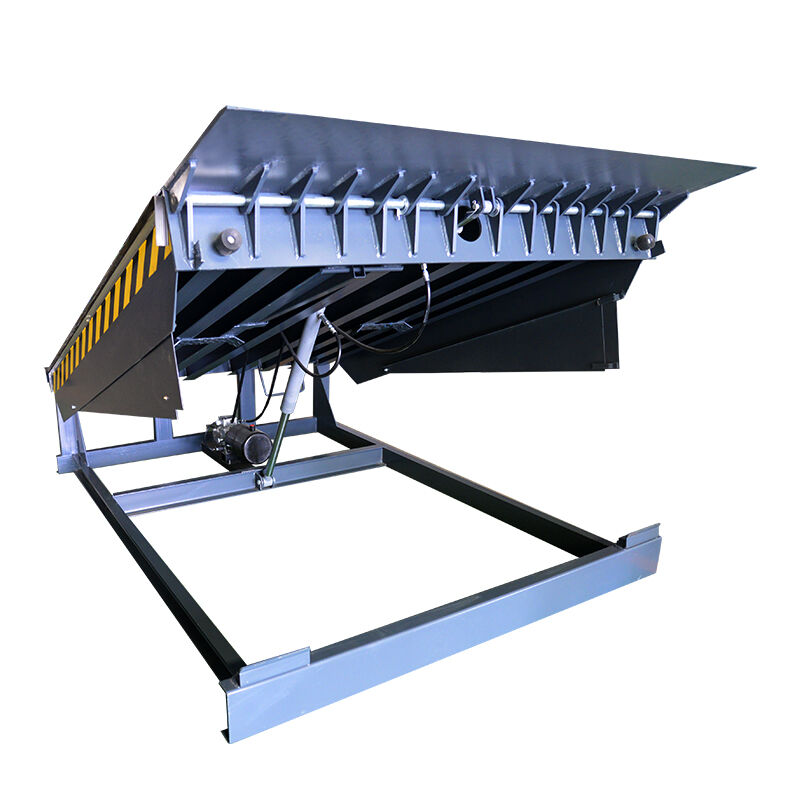
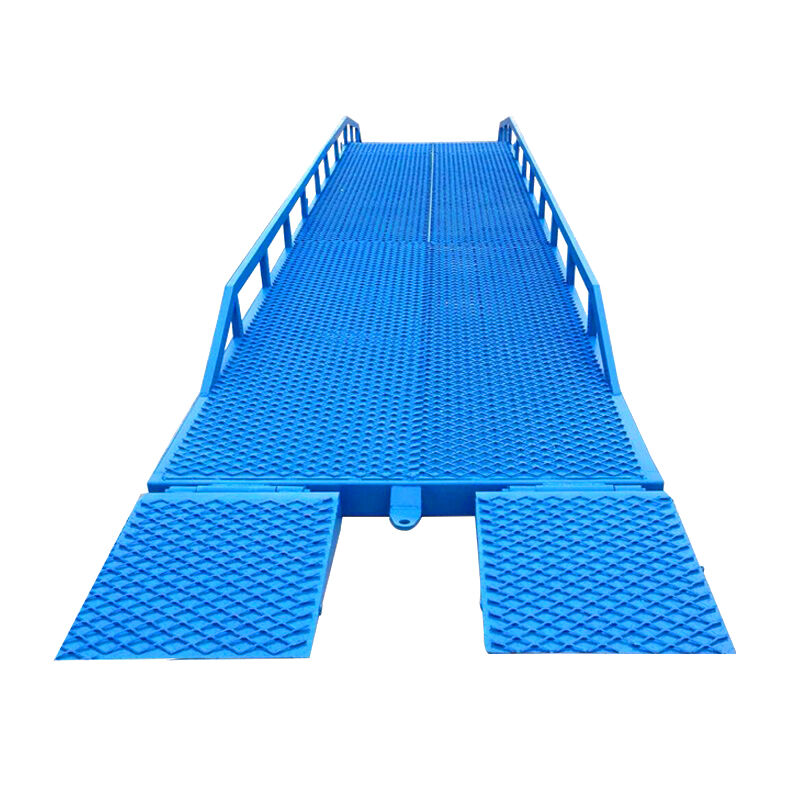
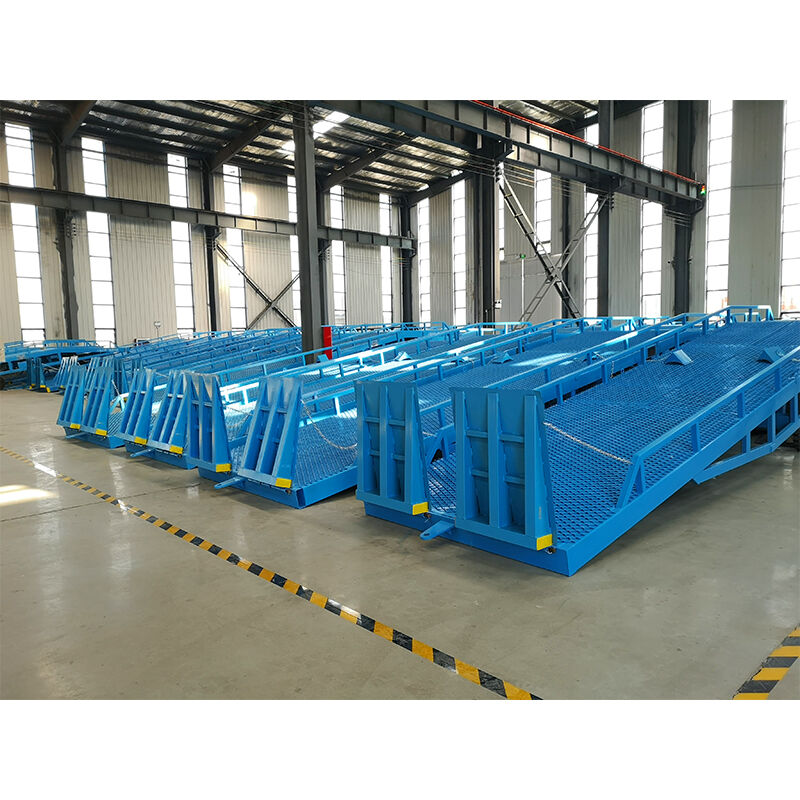
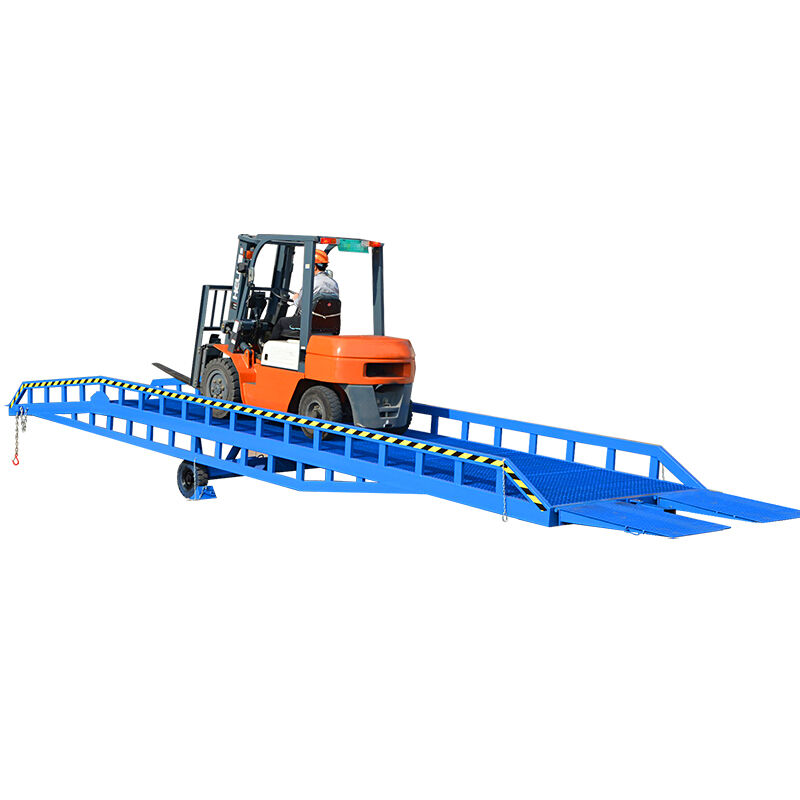
Ramp container loading represents a revolutionary approach to cargo handling that transforms how businesses manage their freight operations. This innovative system utilizes specialized ramps and mechanized equipment to streamline the loading and unloading process of shipping containers, significantly reducing manual labor requirements while maximizing operational efficiency. The ramp container loading system integrates seamlessly with existing warehouse infrastructure, creating a comprehensive solution for modern logistics challenges. At its core, ramp container loading employs hydraulic or mechanical ramp systems that adjust to various container heights and truck configurations. These adjustable platforms create smooth transitions between ground level and container floors, enabling wheeled equipment such as forklifts, pallet jacks, and automated guided vehicles to move cargo directly into containers without the need for complex lifting mechanisms. The technology incorporates advanced safety features including anti-slip surfaces, protective barriers, and automated positioning systems that ensure secure cargo handling throughout the loading process. Modern ramp container loading systems feature sophisticated control panels that allow operators to precisely adjust ramp angles and heights with minimal effort. These systems typically accommodate standard container sizes including 20-foot, 40-foot, and high-cube containers, making them versatile solutions for diverse shipping requirements. The technological framework includes robust construction materials such as reinforced steel and aluminum alloys that withstand heavy-duty industrial use while maintaining structural integrity under substantial weight loads. Applications for ramp container loading span across numerous industries including manufacturing, retail distribution, automotive, pharmaceuticals, and food processing. Warehouses and distribution centers particularly benefit from this technology as it enables rapid container turnaround times and reduces dwell periods at loading docks. Port facilities increasingly adopt ramp container loading systems to enhance their throughput capabilities and improve overall operational efficiency. The system proves especially valuable for businesses handling time-sensitive cargo or operating under tight delivery schedules, as it significantly reduces the time required for container loading operations while maintaining high safety standards throughout the process.
 EN
EN