Stationary Lift Platform Solutions - Industrial Vertical Transportation Equipment

Get a Free Quote

Our representative will contact you soon.
Email
Mobile/WhatsApp
Name
Company Name
Message
0/1000

stationary lift platform

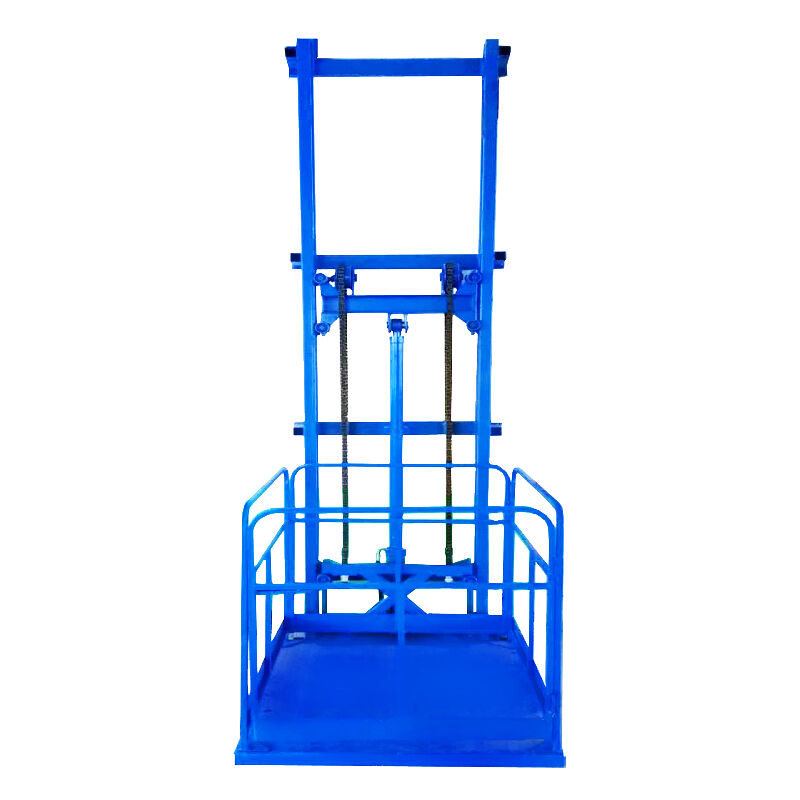
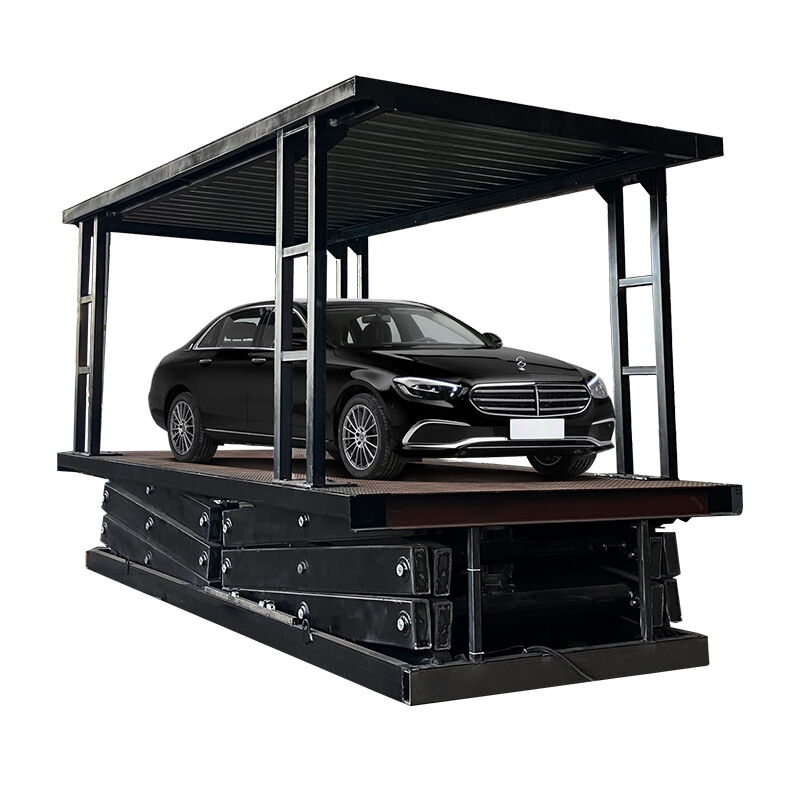
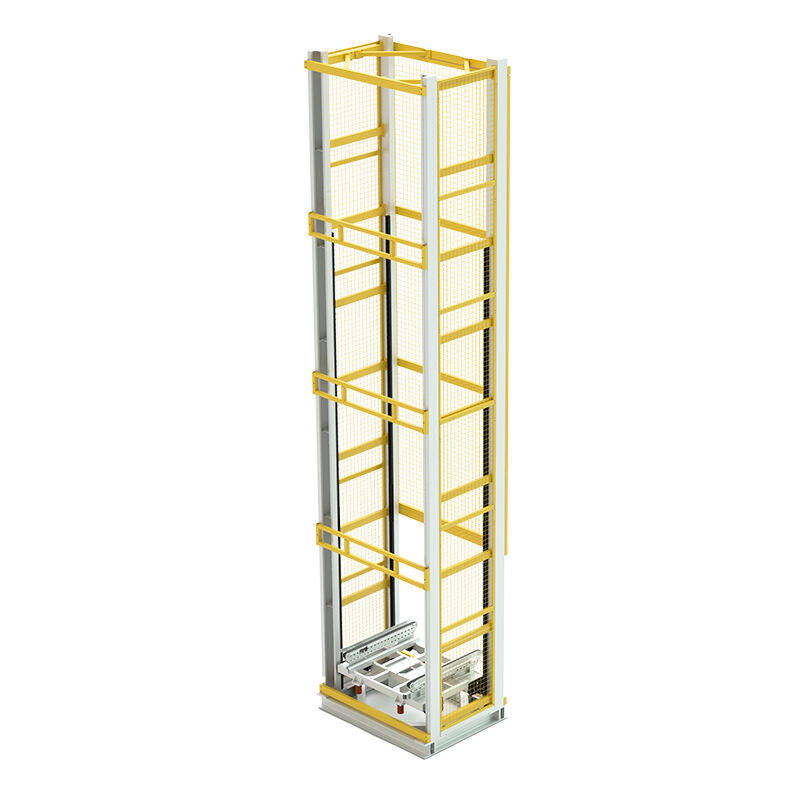
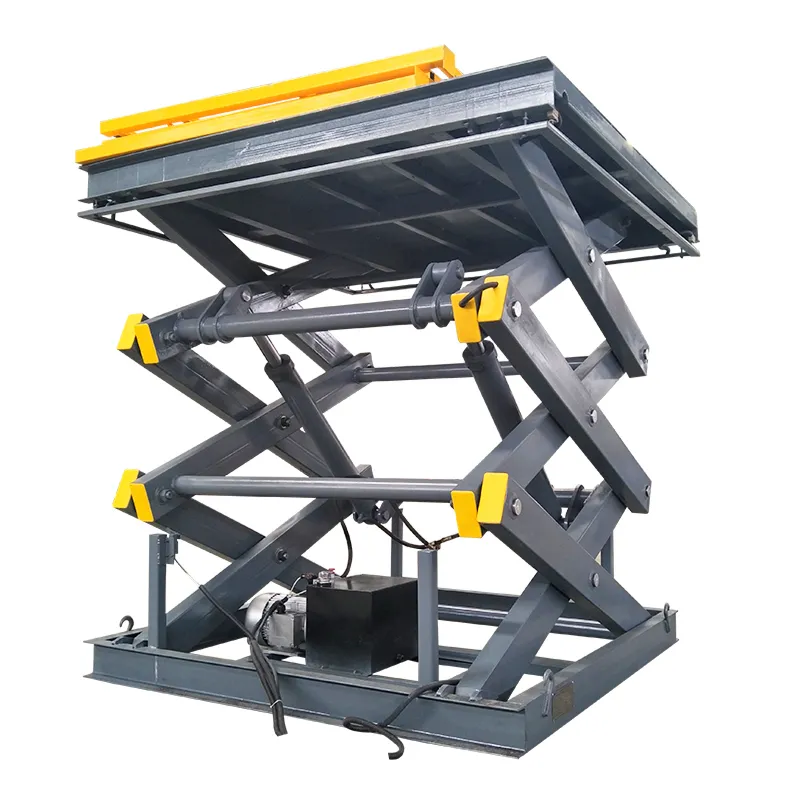
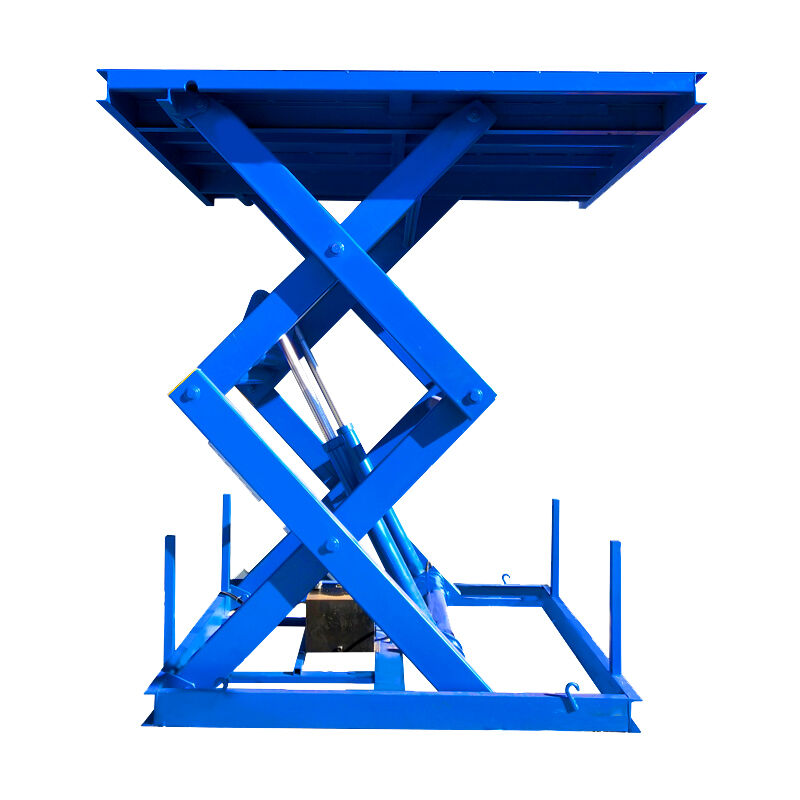
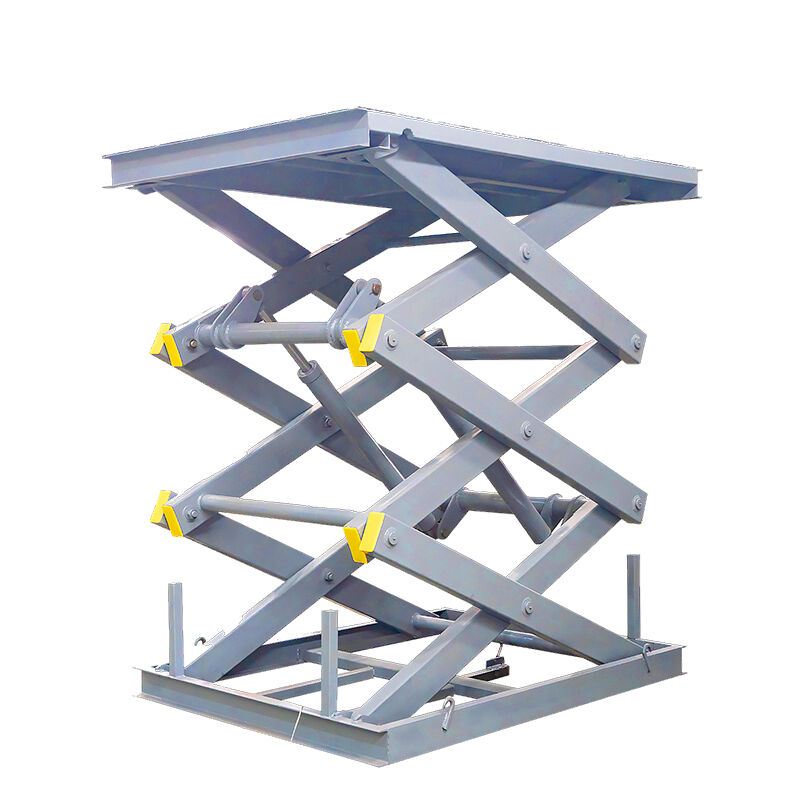
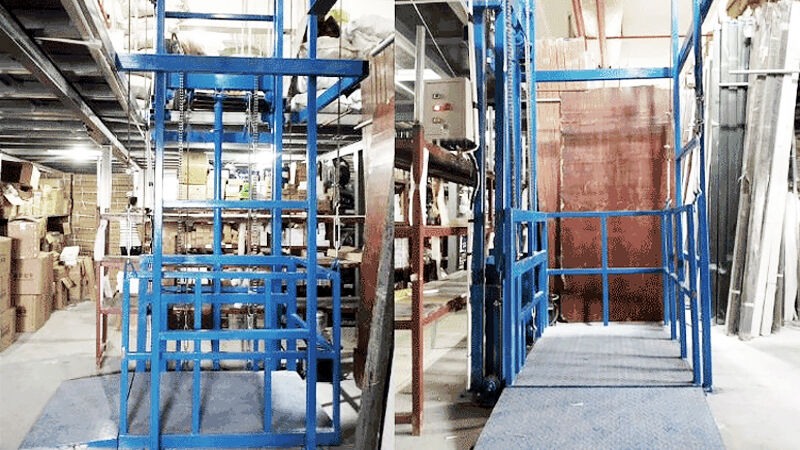
A stationary lift platform represents an essential piece of industrial equipment designed to provide vertical transportation solutions for materials, goods, and personnel within various facilities. This robust mechanical system operates as a fixed installation that elevates loads between different floor levels, offering a reliable alternative to traditional conveyor systems or manual handling methods. The stationary lift platform consists of a sturdy platform deck supported by a scissor mechanism, hydraulic cylinders, or other lifting technologies that ensure smooth and controlled vertical movement. These platforms are engineered with precision-manufactured components including heavy-duty steel frames, reinforced platform surfaces, and advanced safety systems that guarantee operational reliability. The core functionality revolves around creating efficient workflows by eliminating the need for workers to manually transport heavy items up stairs or ramps, significantly reducing physical strain and workplace injuries. Modern stationary lift platform systems incorporate sophisticated control panels with user-friendly interfaces that allow operators to precisely position loads at desired heights. The technological features include overload protection sensors that prevent exceeding weight capacity limits, emergency stop buttons strategically positioned for immediate access, and backup power systems ensuring continued operation during electrical interruptions. Safety railings, non-slip platform surfaces, and audible warning signals further enhance the protective features of these installations. The stationary lift platform finds extensive applications across warehouses, manufacturing facilities, retail stores, automotive service centers, and construction sites where multi-level material handling is required. These versatile machines accommodate various load types including palletized goods, machinery components, vehicles, and bulk materials. The installation process involves securing the platform to concrete foundations and connecting electrical systems, creating a permanent solution for vertical transportation needs. Regular maintenance schedules ensure optimal performance and extend the operational lifespan of these valuable assets. The stationary lift platform delivers exceptional return on investment by improving productivity, reducing labor costs, and enhancing workplace safety standards throughout industrial operations.

New Product Releases

The stationary lift platform offers numerous practical benefits that directly impact operational efficiency and cost-effectiveness for businesses across various industries. These platforms dramatically reduce manual labor requirements by automating the vertical transportation process, allowing workers to focus on more productive tasks rather than physically moving heavy materials between floors. Companies experience significant reductions in workplace injuries and workers' compensation claims since employees no longer need to carry heavy loads up stairs or use potentially dangerous manual lifting techniques. The ergonomic advantages translate into improved worker satisfaction and reduced turnover rates, as staff appreciate the safer working conditions and decreased physical demands. Installation of a stationary lift platform increases overall productivity by enabling faster material movement between levels, eliminating bottlenecks that occur when workers must manually transport items through stairways or external routes. The time savings accumulate throughout daily operations, allowing businesses to process more orders, serve additional customers, and increase revenue potential. Energy efficiency represents another compelling advantage, as modern stationary lift platform systems consume minimal electricity compared to alternative solutions like freight elevators or conveyor systems. The hydraulic mechanisms operate only when lifting loads, remaining idle during standby periods and contributing to lower operational costs. Maintenance requirements are straightforward and cost-effective, with routine inspections and lubrication extending equipment lifespan while preventing unexpected breakdowns that could disrupt business operations. The stationary lift platform provides exceptional durability, withstanding heavy daily use while maintaining consistent performance standards over many years of service. Customization options allow businesses to specify platform dimensions, weight capacities, and lifting heights that precisely match their operational requirements, ensuring optimal functionality without unnecessary features that increase costs. The compact footprint of stationary lift platform installations makes them suitable for facilities with limited space, as they require minimal floor area compared to ramps or freight elevators. Return on investment typically occurs within the first year of operation through reduced labor costs, improved efficiency, and decreased injury-related expenses. The stationary lift platform enhances professional appearance and demonstrates commitment to modern operational standards, potentially attracting quality employees and impressing customers who visit the facility.

Practical Tips

What Are the Advantages of Choosing a Custom Lift Manufacturer?

05

Mar

What Are the Advantages of Choosing a Custom Lift Manufacturer?

When businesses need vertical transportation solutions, they often face a critical decision: choose a standard, off-the-shelf lift system or partner with a custom lift manufacturer. While pre-engineered lifts may seem like the simpler option, working...
View More
How Does an Industrial Lift Support High-Load Transportation Tasks?

10

Mar

How Does an Industrial Lift Support High-Load Transportation Tasks?

Industrial facilities across manufacturing, warehousing, and logistics sectors face constant challenges in moving heavy materials between different floor levels efficiently and safely. The mechanism by which an industrial lift handles high-load trans...
View More
How Do Car Lifts for Home Garage Add Value to Real Estate Projects?

20

Mar

How Do Car Lifts for Home Garage Add Value to Real Estate Projects?

Car lifts for home garage installations have emerged as a premium feature that significantly enhances property value in today's competitive real estate market. These sophisticated automotive storage solutions transform ordinary residential garages in...
View More
What Are the Key Benefits of Installing a Goods Lift in Factories?

30

Mar

What Are the Key Benefits of Installing a Goods Lift in Factories?

In today’s highly competitive industrial environment, factories are under constant pressure to improve operational efficiency, reduce labor costs, and ensure workplace safety. One of the most practical solutions adopted by modern manufactu...
View More

Get a Free Quote

Our representative will contact you soon.
Email
Mobile/WhatsApp
Name
Company Name
Message
0/1000

stationary lift platform

Advanced Safety Systems and Compliance Standards

Advanced Safety Systems and Compliance Standards

The stationary lift platform incorporates comprehensive safety features that exceed industry standards and provide peace of mind for operators and management teams. Multiple redundant safety systems work together to prevent accidents and protect both personnel and equipment during lifting operations. The primary safety mechanism includes overload protection sensors that continuously monitor weight distribution across the platform surface, automatically preventing operation when loads exceed specified capacity limits. These sensors use advanced load cell technology to detect weight variations and immediately halt lifting functions if unsafe conditions are detected. Emergency stop buttons are strategically positioned at multiple locations around the stationary lift platform, allowing any person in the vicinity to immediately halt operations if potential hazards arise. The emergency systems include both mechanical and electrical components, ensuring that stopping mechanisms function even during power failures or control system malfunctions. Perimeter safety barriers and guardrails prevent accidental contact with moving components while maintaining easy access for loading and unloading operations. The stationary lift platform features non-slip platform surfaces with specialized coatings that maintain traction even when wet or contaminated with oils or other substances commonly found in industrial environments. Audible and visual warning systems alert nearby personnel when the platform is in motion, reducing the risk of accidents caused by unexpected movement. The control systems include key-operated switches that prevent unauthorized use and ensure that only trained operators can activate the stationary lift platform. Compliance with OSHA regulations and ANSI safety standards provides legal protection and demonstrates commitment to workplace safety. Regular safety inspections and certification programs help maintain compliance while identifying potential issues before they become serious problems. The stationary lift platform undergoes rigorous testing during manufacturing to verify that all safety systems function correctly under various operating conditions. Documentation and training materials help facility managers establish proper safety protocols and ensure that all personnel understand correct operating procedures. These comprehensive safety features significantly reduce liability risks while creating a safer working environment that protects valuable human resources and maintains operational continuity.
Versatile Load Handling and Customization Options

Versatile Load Handling and Customization Options

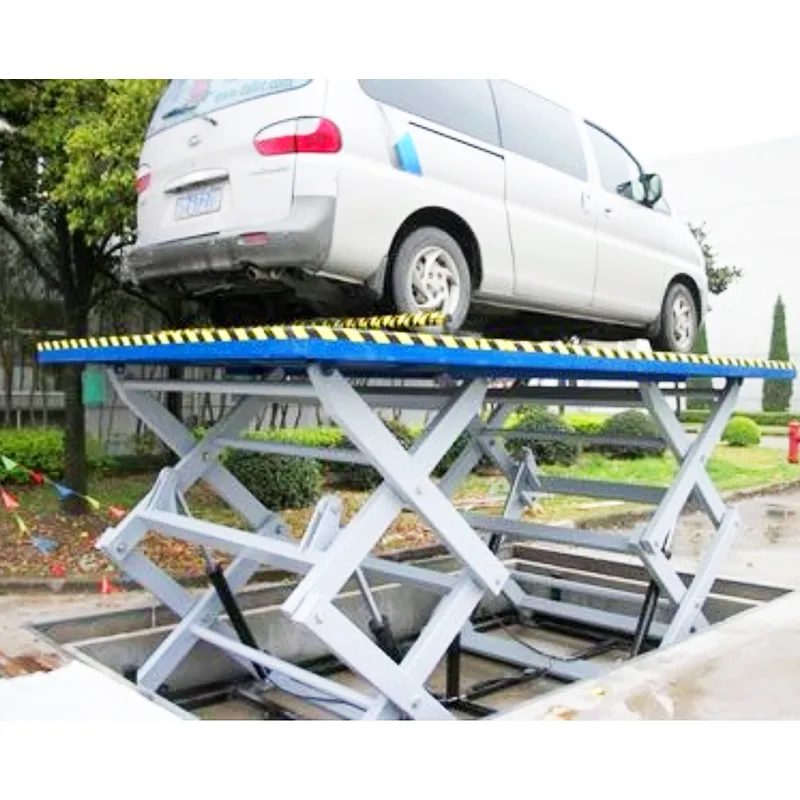
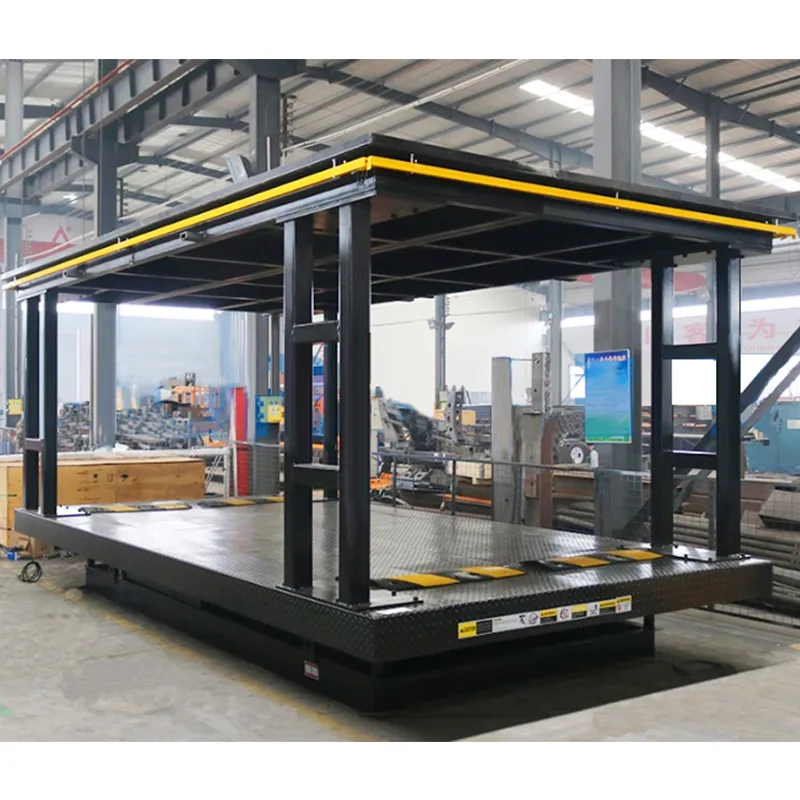
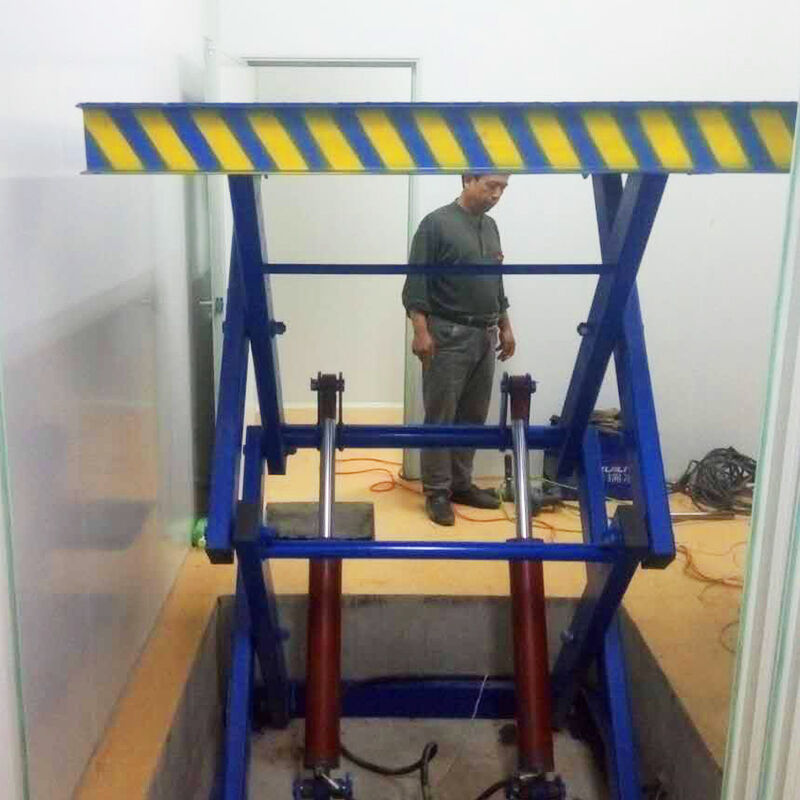
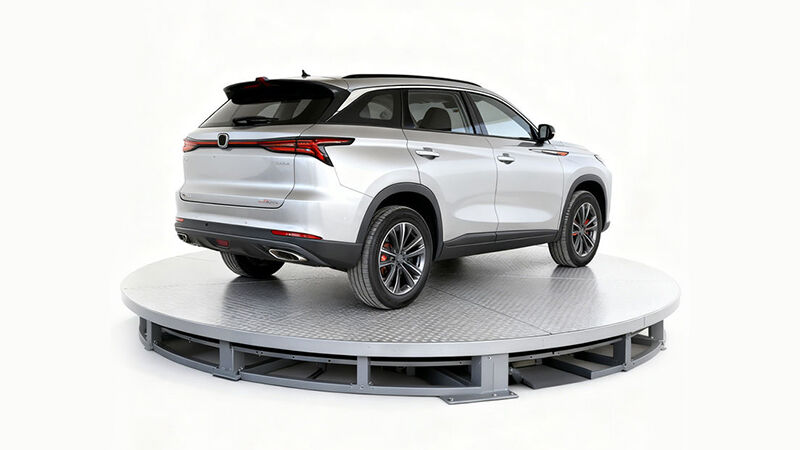
The stationary lift platform demonstrates remarkable versatility in accommodating diverse load types and operational requirements across multiple industries and applications. This adaptability stems from extensive customization options that allow businesses to configure platforms according to their specific needs and operational constraints. Platform dimensions can be tailored to handle everything from small components and tools to large machinery, vehicles, and bulk material containers. Weight capacity options range from light-duty applications handling several hundred pounds to heavy-industrial installations supporting tens of thousands of pounds of cargo. The stationary lift platform can be equipped with specialized accessories including conveyor integration points, rotating mechanisms for repositioning loads, and adjustable side rails that adapt to different cargo dimensions. Surface treatments provide optimal traction and durability for specific applications, with options including diamond plate steel, rubber coatings, and specialized materials resistant to chemicals or extreme temperatures. Loading dock integration capabilities allow the stationary lift platform to interface seamlessly with existing material handling systems, creating smooth workflows between different operational areas. The platform can accommodate wheeled equipment including forklifts, pallet jacks, and hand trucks, enabling operators to drive directly onto the surface without manual load transfer. Pit-mounted installations create flush floor surfaces that eliminate trip hazards while providing full lifting capacity, particularly valuable in high-traffic areas where safety is paramount. The stationary lift platform can be configured with multiple stop positions, allowing precise positioning at various floor levels or intermediate heights as required by specific operational procedures. Remote control options provide operators with flexibility to position themselves safely away from the platform during lifting operations while maintaining complete control over movement and positioning. Integration with building management systems enables automated operation schedules and coordination with other facility equipment. The stationary lift platform supports various power supply options including standard electrical service, backup generators, and battery systems for continued operation during power outages. Environmental considerations include weather-resistant coatings for outdoor installations and specialized seals that protect internal components from dust, moisture, and corrosive substances. These extensive customization capabilities ensure that each stationary lift platform installation provides optimal performance while seamlessly integrating with existing operational workflows and facility infrastructure.
Long-Term Durability and Cost-Effective Operation

Long-Term Durability and Cost-Effective Operation

The stationary lift platform delivers exceptional long-term value through robust construction, minimal maintenance requirements, and operational efficiency that significantly reduces total cost of ownership over the equipment's service life. Heavy-duty steel construction with precision-engineered components ensures reliable performance under demanding industrial conditions while resisting wear and environmental factors that can degrade lesser equipment. The structural design incorporates safety factors that exceed normal operational loads, providing confidence that the stationary lift platform will maintain performance standards even under occasional overload conditions or unexpected stress situations. High-quality hydraulic systems utilize premium components including sealed cylinders, precision-manufactured valves, and filtration systems that extend fluid life while maintaining consistent lifting performance. The hydraulic design minimizes energy consumption by using efficient pump systems and accumulator technology that reduces electrical demand during peak operation periods. Preventive maintenance procedures are straightforward and can be performed by facility maintenance staff using standard tools and readily available replacement parts. The stationary lift platform requires minimal routine maintenance consisting primarily of periodic lubrication, hydraulic fluid checks, and visual inspection of safety systems and structural components. Scheduled maintenance intervals are designed to fit conveniently into normal facility downtime, minimizing disruption to daily operations while ensuring continued reliable performance. Replacement parts are standardized and readily available from multiple suppliers, reducing inventory costs and ensuring rapid repair capabilities when maintenance is required. The stationary lift platform typically operates for decades with proper care, providing exceptional return on investment compared to alternative material handling solutions that require more frequent replacement or major overhauls. Energy efficiency translates into lower operational costs, as the platform consumes electricity only during active lifting cycles while remaining in standby mode during idle periods. The durable construction resists corrosion, impact damage, and normal wear factors that affect equipment in industrial environments. Quality certifications and warranty coverage provide additional protection for the investment while demonstrating manufacturer confidence in product reliability. Operational cost analysis typically shows significant savings compared to manual labor alternatives, freight elevators, or other vertical transportation methods when calculated over the equipment's service life. The stationary lift platform maintains consistent performance characteristics throughout its operational life, avoiding the degradation in efficiency that affects some mechanical systems as they age.

Get a Free Quote

Our representative will contact you soon.
Email
Mobile/WhatsApp
Name
Company Name
Message
0/1000