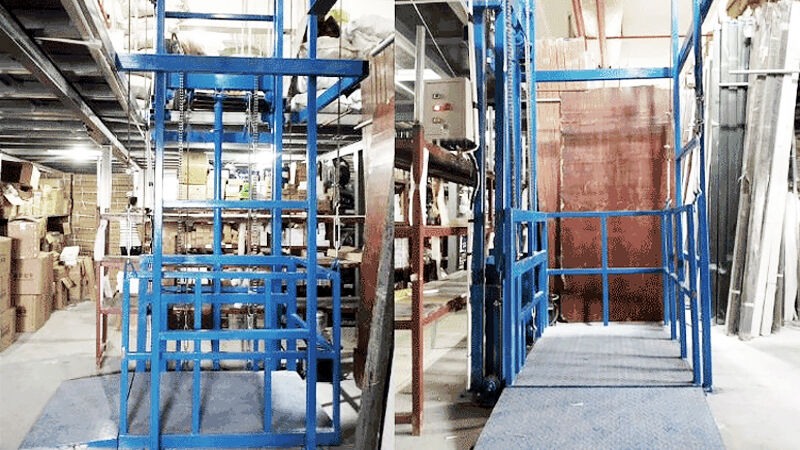
lift elevator barang
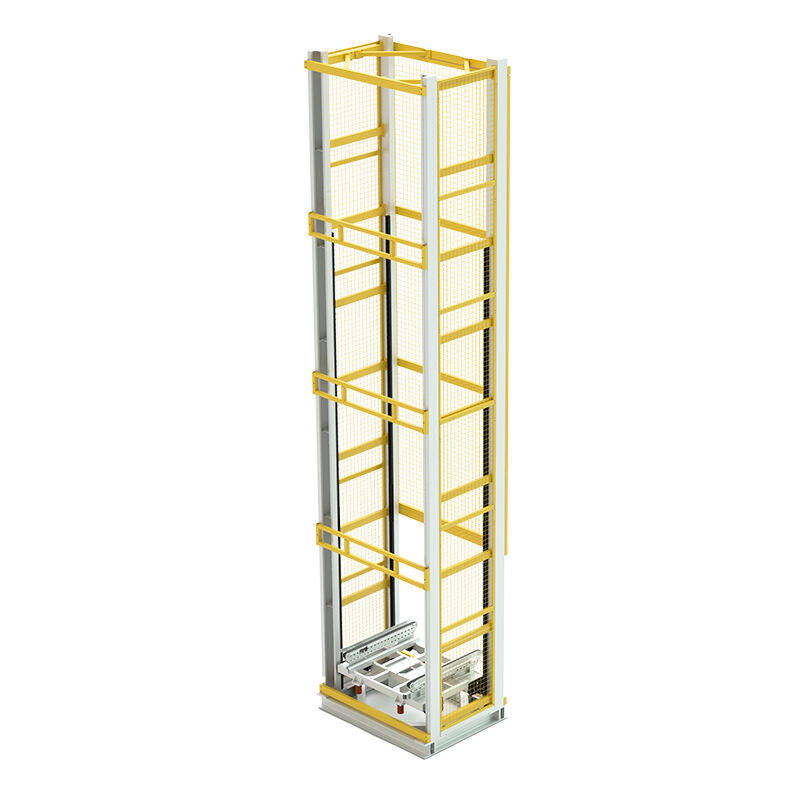
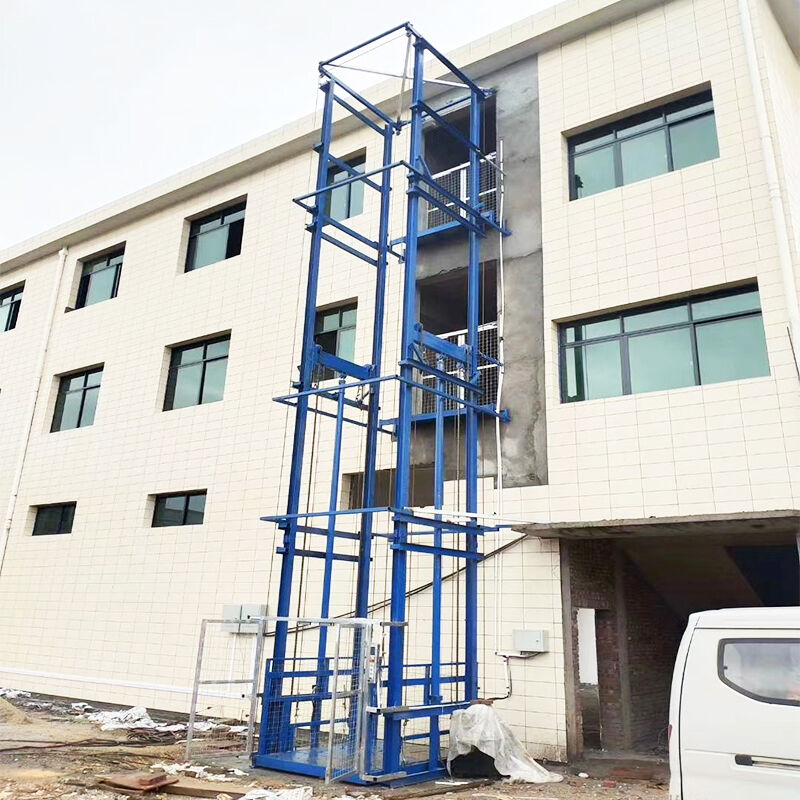
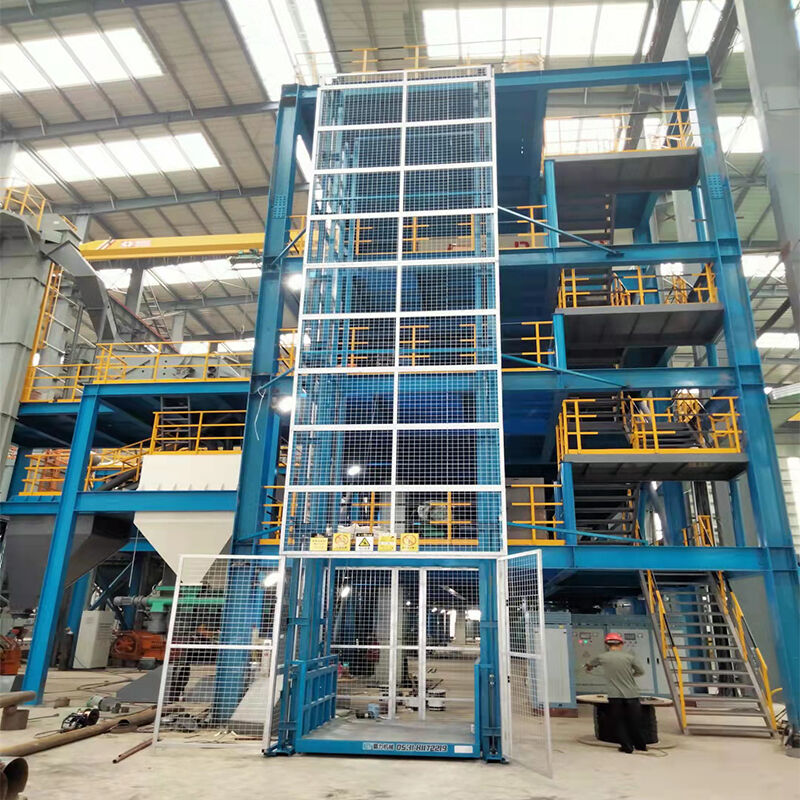
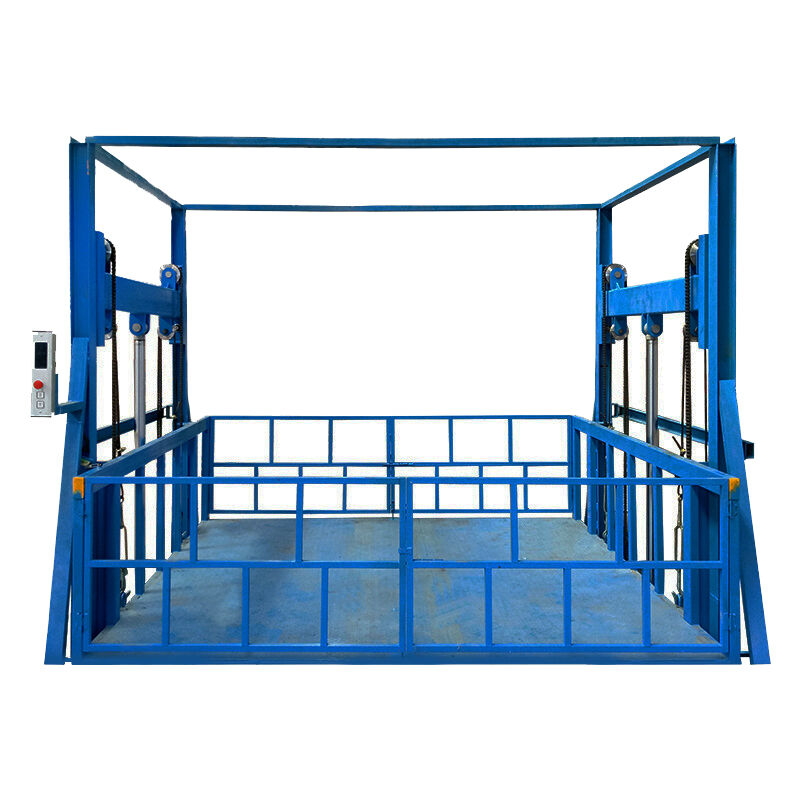
Lift barang merupakan sistem transportasi vertikal khusus yang dirancang secara khusus untuk memindahkan bahan, produk, dan kargo antar lantai di gedung komersial, industri, dan perumahan. Berbeda dengan lift penumpang, mesin-mesin kokoh ini sepenuhnya berfokus pada kemampuan penanganan barang, menawarkan kapasitas beban dan ketahanan yang lebih tinggi guna memenuhi tuntutan lingkungan operasional yang berat. Lift barang berperan sebagai komponen infrastruktur penting di gudang, pabrik, pusat perbelanjaan, rumah sakit, hotel, serta kompleks perumahan bersusun, di mana perpindahan kargo vertikal yang efisien sangat krusial bagi kelancaran operasional harian. Lift ini memiliki konstruksi yang diperkuat dengan komponen tahan beban berat, termasuk kabel yang diperkuat, sistem motor yang bertenaga, serta platform yang diperkuat mampu menopang beban besar mulai dari 1.000 hingga 10.000 pon atau lebih, tergantung spesifikasi model tertentu. Kerangka teknologinya mencakup mekanisme keselamatan canggih seperti sistem pengereman darurat, sensor perlindungan kelebihan muatan, dan fungsi perataan otomatis yang menjamin penyelarasan lantai secara presisi selama proses bongkar-muat. Sistem lift barang modern mengintegrasikan panel kontrol canggih dengan pengendali logika terprogram (PLC), memungkinkan operasi yang lancar serta pemrograman yang dapat disesuaikan guna memenuhi berbagai kebutuhan operasional. Desain strukturalnya menekankan kepraktisan, dengan bukaan pintu yang lebar, kompartemen kargo yang luas, serta komponen berbiaya perawatan rendah yang meminimalkan waktu henti dan biaya operasional. Fleksibilitas pemasangan memungkinkan konfigurasi baik di dalam maupun di luar ruangan, dengan opsi tahan cuaca tersedia untuk aplikasi eksterior. Lift barang umumnya dilengkapi sistem pintu manual atau otomatis, dengan pilihan konfigurasi dua-arah (bi-parting), geser tunggal (single-slide), atau bukaan vertikal guna menyesuaikan berbagai batasan ruang dan kebutuhan bongkar-muat. Sistem motor hemat energi serta teknologi pengereman regeneratif berkontribusi pada penurunan biaya operasional tanpa mengorbankan standar kinerja yang andal. Sistem-sistem ini sering kali dilengkapi kemampuan pemantauan jarak jauh, memungkinkan manajer fasilitas melacak pola penggunaan, menjadwalkan perawatan, serta menerima peringatan diagnostik guna mencegah kegagalan tak terduga dan mengoptimalkan efisiensi operasional sepanjang siklus hidup peralatan.
 EN
EN