Professional Forklift Ramps - Heavy-Duty Material Handling Solutions for Industrial Applications

Get a Free Quote

Our representative will contact you soon.
Email
Mobile/WhatsApp
Name
Company Name
Message
0/1000

ramp for forklift

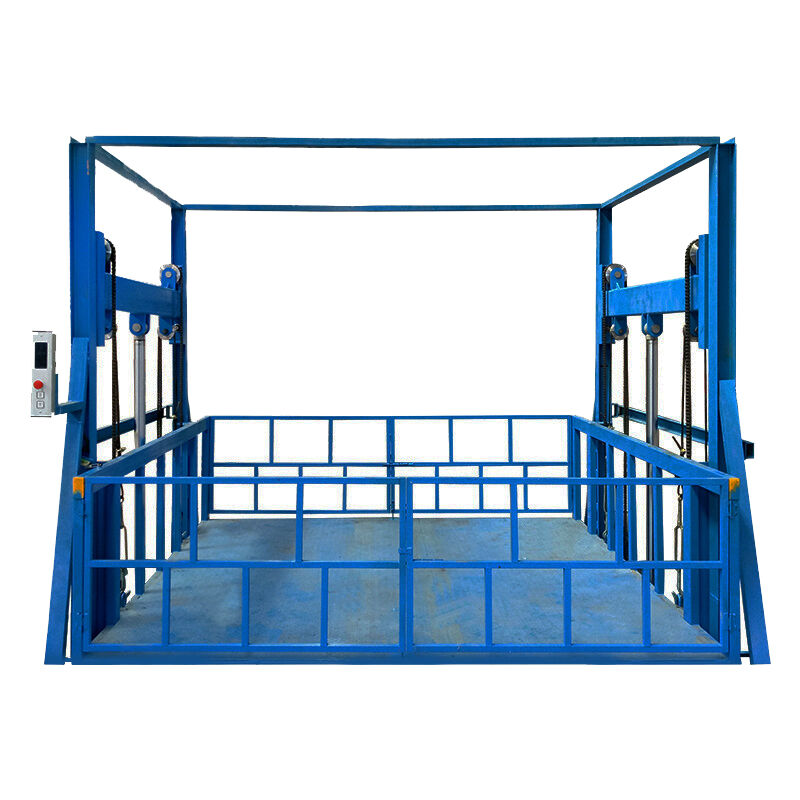
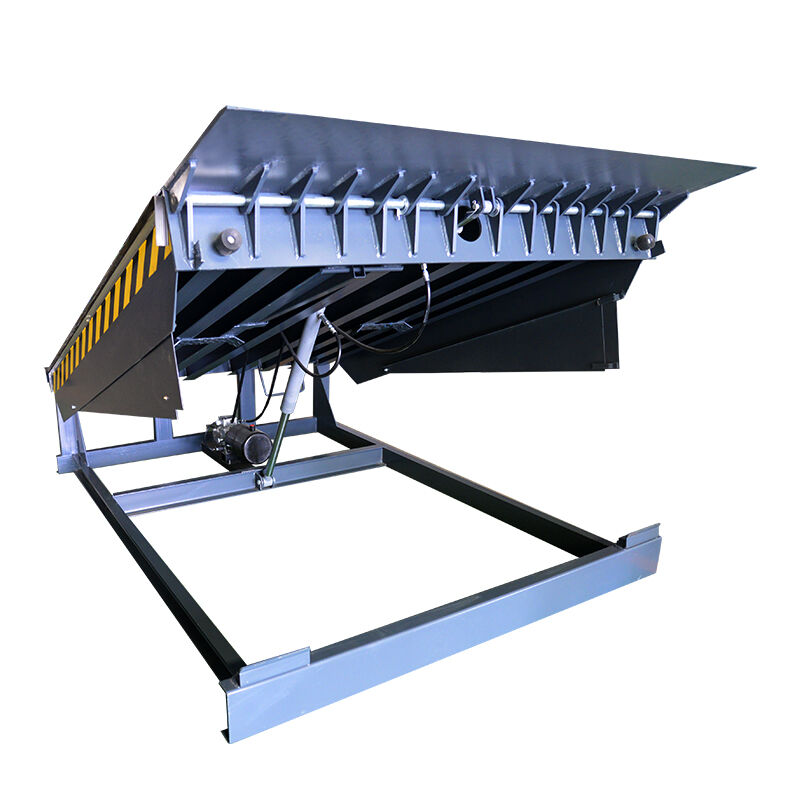
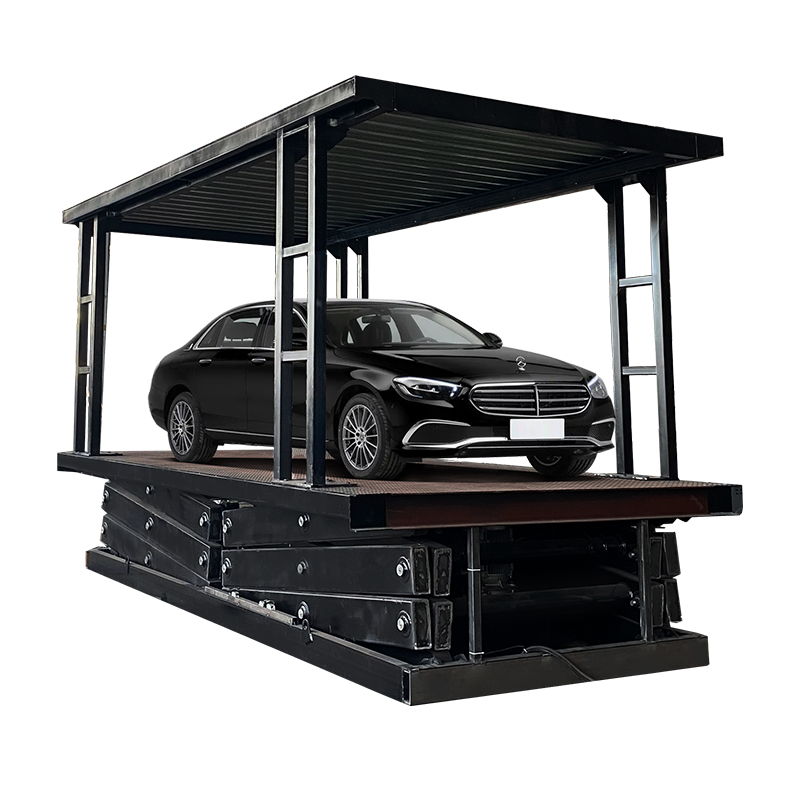
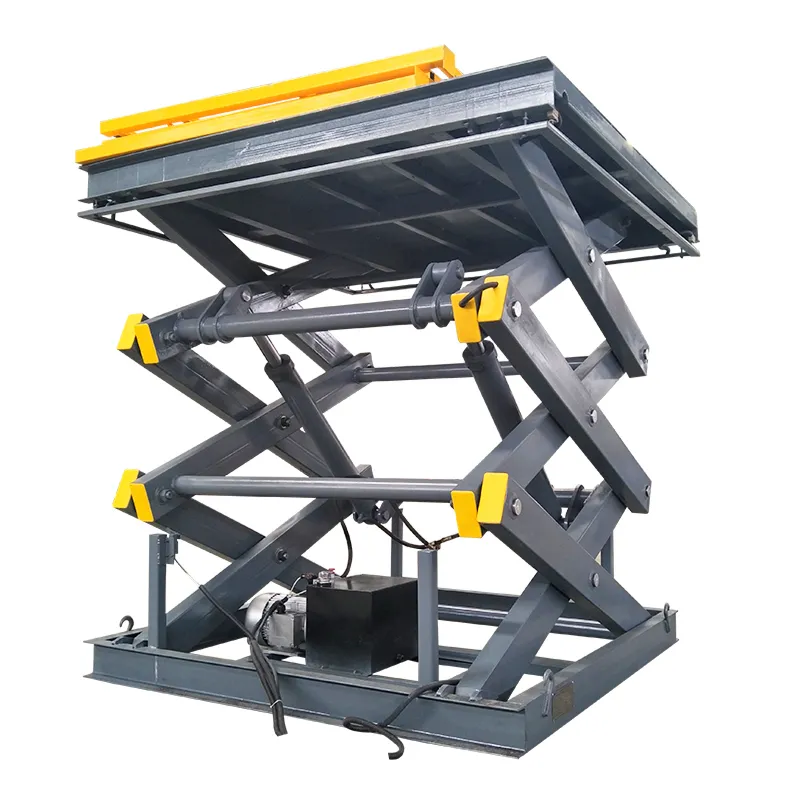
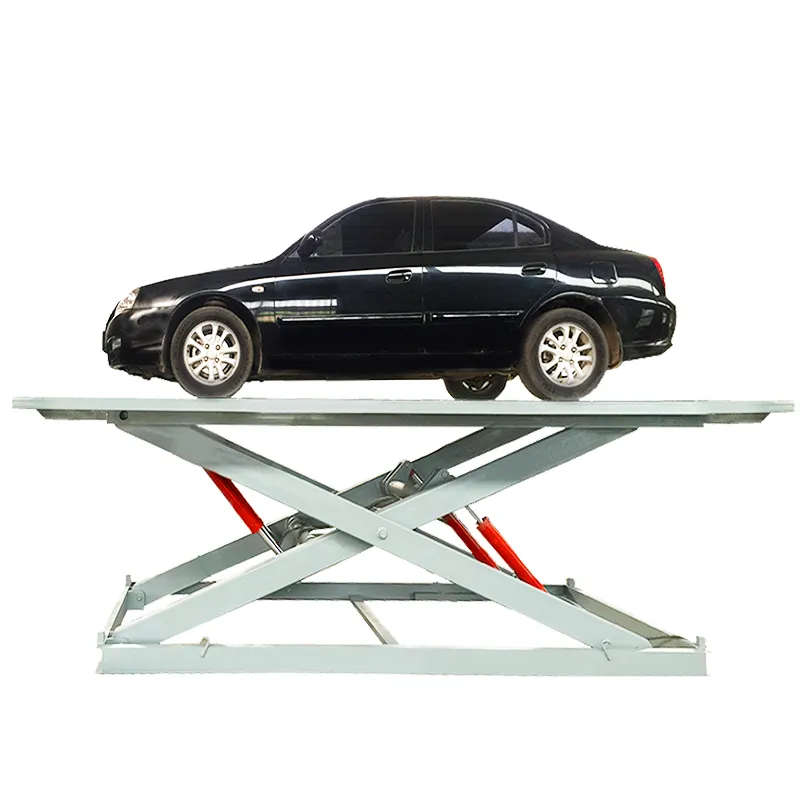
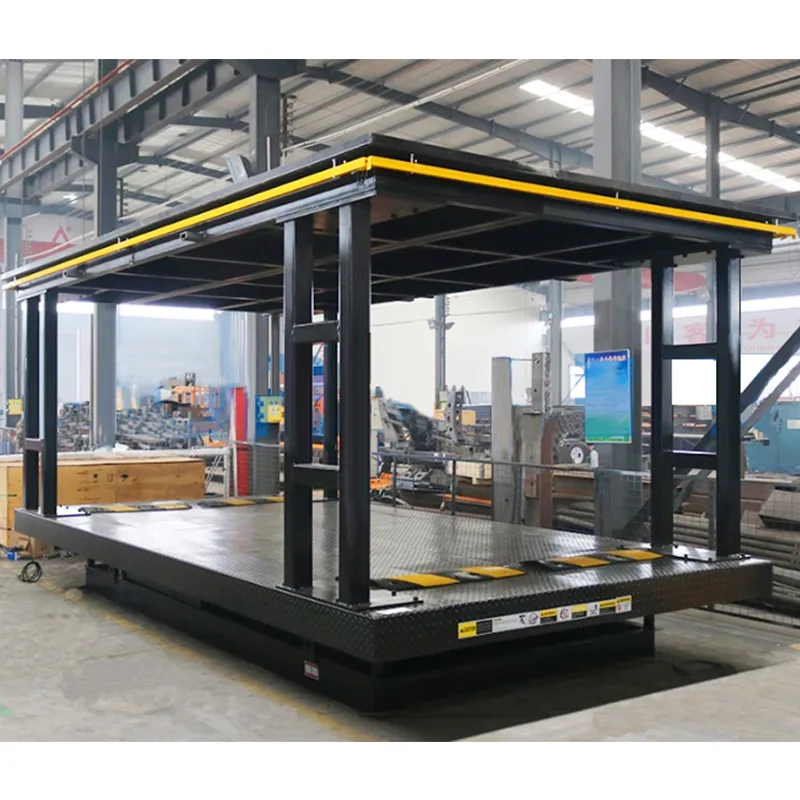
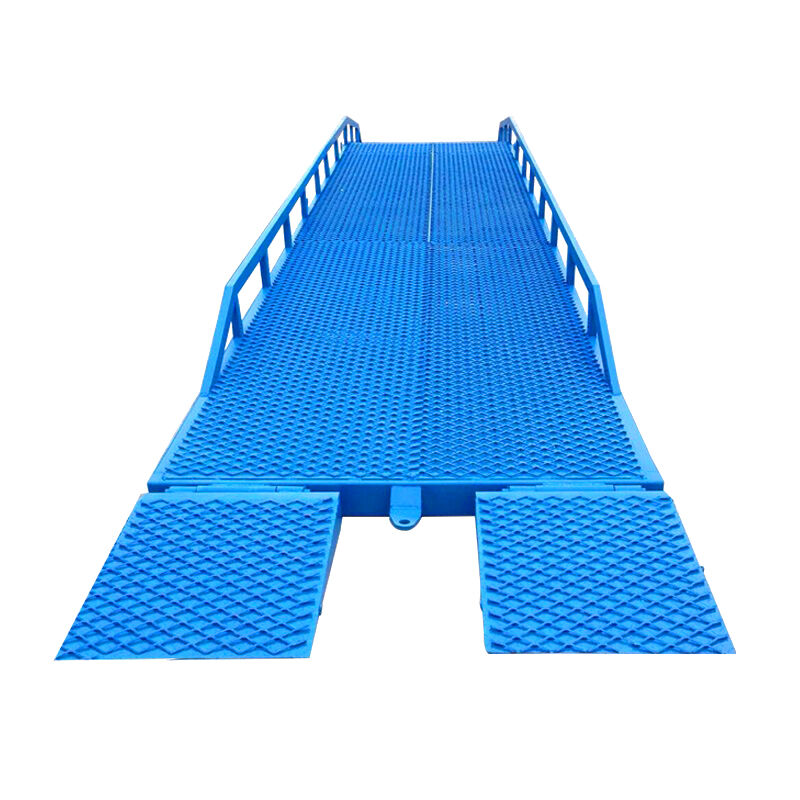
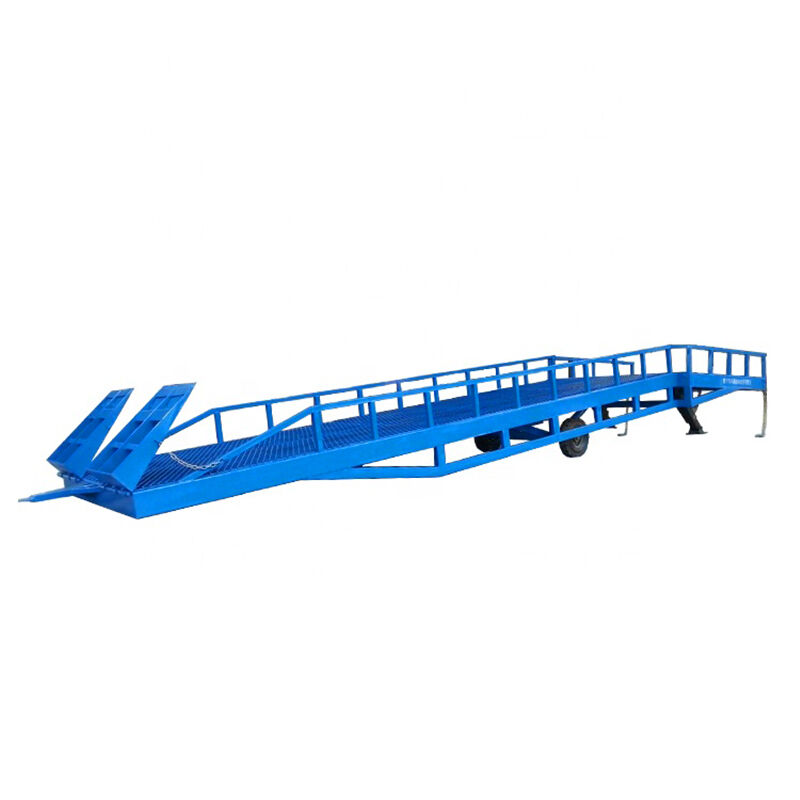
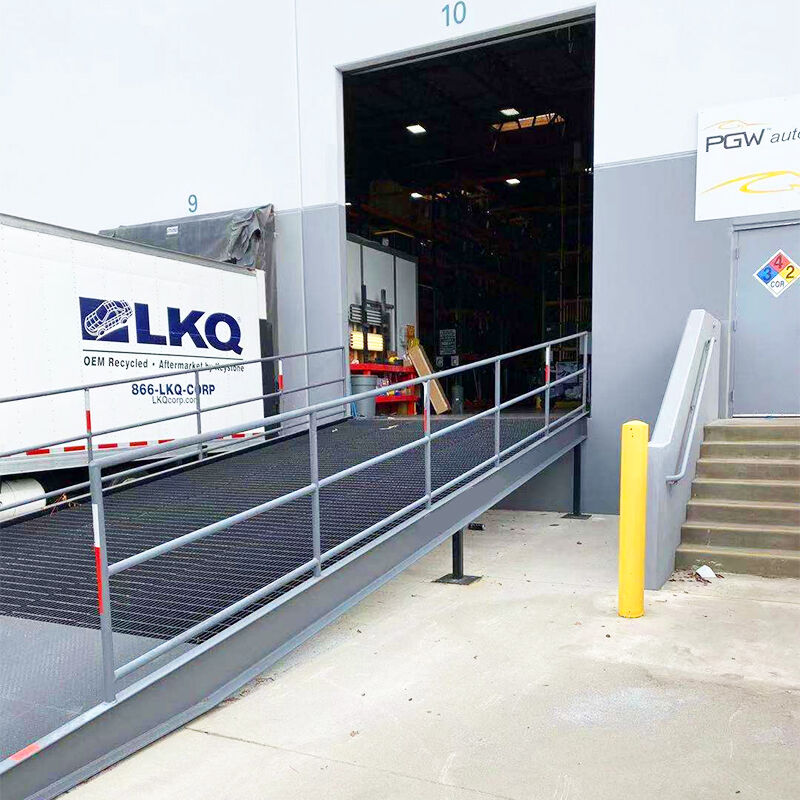
A ramp for forklift represents an essential piece of industrial equipment designed to bridge height differences and facilitate smooth material handling operations in warehouses, loading docks, and manufacturing facilities. This specialized equipment serves as a transitional platform that enables forklifts and other material handling vehicles to move seamlessly between different elevation levels, such as from ground level to truck beds, storage platforms, or raised dock areas. The primary function of a forklift ramp involves creating a safe, stable inclined surface that accommodates the weight and operational requirements of heavy-duty industrial vehicles while maintaining optimal safety standards for operators and equipment alike. Modern forklift ramps incorporate advanced engineering principles that ensure maximum load-bearing capacity, typically supporting weights ranging from several thousand pounds to multiple tons depending on the specific model and construction materials. These ramps feature adjustable height mechanisms that allow operators to customize the incline angle based on the particular application requirements and the type of forklift being used. The technological features of contemporary forklift ramps include hydraulic lift systems, anti-slip surface treatments, safety railings, and reinforced structural components made from high-grade steel or aluminum alloys. Many models incorporate innovative design elements such as telescoping sections that extend the ramp length for greater versatility, while others feature modular construction that enables easy assembly and disassembly for portable applications. The surface of a quality ramp for forklift typically includes textured materials or specialized coatings that provide enhanced traction even in wet or slippery conditions, significantly reducing the risk of accidents during material handling operations. Applications for forklift ramps span across numerous industries including logistics, manufacturing, construction, retail distribution, and automotive sectors, where efficient loading and unloading operations are critical for maintaining productivity and meeting operational deadlines.

New Products

The advantages of implementing a ramp for forklift in your material handling operations extend far beyond basic functionality, delivering substantial improvements in operational efficiency, workplace safety, and cost-effectiveness that directly impact your bottom line. First and foremost, these specialized ramps dramatically reduce the physical strain on workers by eliminating the need for manual lifting and carrying of heavy materials across different elevation levels, which translates into fewer workplace injuries, reduced insurance claims, and improved employee satisfaction and retention rates. The time savings achieved through the use of forklift ramps cannot be overstated, as operators can quickly and efficiently move large quantities of materials in a fraction of the time required for manual handling methods, allowing your facility to process more orders, meet tighter deadlines, and ultimately serve more customers with existing staff resources. Safety improvements represent another critical advantage, as properly designed forklift ramps feature built-in safety mechanisms such as side barriers, non-slip surfaces, and weight distribution systems that minimize the risk of accidents, equipment damage, and product loss during material handling operations. The versatility offered by modern forklift ramps enables businesses to adapt quickly to changing operational requirements, whether accommodating different truck heights, varying load sizes, or seasonal fluctuations in shipping volumes without requiring permanent structural modifications to existing facilities. Cost savings accumulate over time through reduced labor requirements, decreased equipment wear and tear, and minimized product damage during transfer operations, while the durability of quality forklift ramps ensures long-term value with minimal maintenance requirements. Additionally, the professional appearance and smooth operation of a well-designed ramp for forklift system enhances your facility's reputation with customers and business partners, demonstrating your commitment to efficient, modern material handling practices that can become a competitive advantage in your industry. The flexibility to position and reposition portable ramp systems as needed allows businesses to optimize their workflow layouts and respond dynamically to changing operational demands without significant infrastructure investments.

Latest News

What Are the Advantages of Choosing a Custom Lift Manufacturer?

05

Mar

What Are the Advantages of Choosing a Custom Lift Manufacturer?

When businesses need vertical transportation solutions, they often face a critical decision: choose a standard, off-the-shelf lift system or partner with a custom lift manufacturer. While pre-engineered lifts may seem like the simpler option, working...
View More
How Does an Industrial Lift Support High-Load Transportation Tasks?

10

Mar

How Does an Industrial Lift Support High-Load Transportation Tasks?

Industrial facilities across manufacturing, warehousing, and logistics sectors face constant challenges in moving heavy materials between different floor levels efficiently and safely. The mechanism by which an industrial lift handles high-load trans...
View More
Why Are Stationary Scissor Lifts Popular in Manufacturing Plants?

16

Mar

Why Are Stationary Scissor Lifts Popular in Manufacturing Plants?

Manufacturing plants worldwide have increasingly turned to stationary scissor lifts as essential equipment for their vertical material handling and access needs. These robust hydraulic platforms have become indispensable in modern industrial operatio...
View More
What Are the Key Benefits of Installing a Goods Lift in Factories?

30

Mar

What Are the Key Benefits of Installing a Goods Lift in Factories?

In today’s highly competitive industrial environment, factories are under constant pressure to improve operational efficiency, reduce labor costs, and ensure workplace safety. One of the most practical solutions adopted by modern manufactu...
View More

Get a Free Quote

Our representative will contact you soon.
Email
Mobile/WhatsApp
Name
Company Name
Message
0/1000

ramp for forklift

Advanced Safety Engineering and Accident Prevention

Advanced Safety Engineering and Accident Prevention

The safety engineering incorporated into modern forklift ramps represents a revolutionary approach to workplace protection that goes far beyond basic compliance requirements, establishing comprehensive accident prevention systems that safeguard both personnel and valuable equipment investments. These sophisticated safety features begin with the fundamental structural design, where engineers utilize advanced computer modeling and stress analysis to ensure that every component can withstand not only the specified load limits but also dynamic forces generated during normal forklift operations, emergency stops, and unexpected load shifts. The surface engineering of a quality ramp for forklift incorporates multiple layers of safety enhancement, starting with specialized anti-slip texturing that maintains its effectiveness across a wide range of environmental conditions, from dry warehouse floors to wet outdoor loading docks where rain or snow might create hazardous conditions. Advanced models feature integrated safety sensors that can detect when a forklift approaches the ramp edges, automatically activating warning lights or audible alerts to prevent accidental run-offs that could result in serious injuries or expensive equipment damage. The side barrier systems represent another critical safety innovation, with adjustable height railings that can accommodate different forklift types while providing psychological comfort to operators who might otherwise feel anxious about navigating elevated surfaces. Many contemporary forklift ramps also incorporate emergency stop mechanisms that allow immediate halt of any hydraulic or mechanical operations in case of equipment malfunction or operator error, while backup safety systems ensure that the ramp remains stable even if primary support systems experience unexpected failure. The lighting integration found in premium ramp systems provides essential visibility during low-light operations, with LED arrays positioned to eliminate shadows and blind spots that could contribute to accidents. Furthermore, the maintenance accessibility designed into these safety systems ensures that regular inspections and upkeep can be performed efficiently, maintaining optimal safety performance throughout the entire operational lifespan of the ramp for forklift installation.
Exceptional Load Capacity and Structural Durability

Exceptional Load Capacity and Structural Durability

The exceptional load capacity and structural durability engineered into professional-grade forklift ramps deliver unmatched performance reliability that transforms material handling operations from potential bottlenecks into smooth, efficient processes capable of supporting the most demanding industrial applications. The foundation of this superior performance lies in the advanced materials science applied during the manufacturing process, where high-tensile steel alloys and aircraft-grade aluminum components undergo precision fabrication techniques that maximize strength-to-weight ratios while ensuring long-term resistance to fatigue, corrosion, and environmental degradation. The load distribution engineering incorporated into these ramps utilizes sophisticated beam and truss configurations that effectively spread weight across multiple support points, preventing stress concentration that could lead to premature failure or dangerous structural deformation under heavy loads. Quality forklift ramps typically feature load capacities ranging from 15,000 to 60,000 pounds or more, with specialized heavy-duty models capable of supporting even larger weights for extreme industrial applications such as steel mills, shipping ports, or heavy manufacturing facilities. The durability testing protocols employed during the development of these ramps involve millions of load cycles, extreme temperature variations, and accelerated aging processes that simulate decades of real-world use, ensuring that customers receive equipment that will maintain its performance characteristics throughout extended operational periods. The modular construction approach used in many modern ramp designs not only facilitates easier transportation and installation but also enables selective replacement of individual components if wear or damage occurs, significantly extending the overall service life while reducing long-term maintenance costs. Weather resistance features including galvanized coatings, powder coating finishes, and sealed bearing systems ensure that outdoor installations maintain their structural integrity and operational smoothness despite exposure to rain, snow, salt spray, and temperature fluctuations that would quickly degrade lesser equipment. The precision manufacturing tolerances maintained throughout the production process guarantee smooth operation even under maximum load conditions, while the robust construction eliminates the flexing and vibration that can cause operator fatigue and reduce operational efficiency in inferior ramp for forklift systems.

Operational Flexibility and Productivity Enhancement

Operational Flexibility and Productivity Enhancement

The operational flexibility and productivity enhancement capabilities of modern forklift ramps represent a paradigm shift in material handling efficiency that enables businesses to maximize their throughput while minimizing operational complexity and resource requirements across diverse industrial environments. The adjustability features built into contemporary ramp systems allow operators to quickly modify height settings, approach angles, and platform configurations to accommodate varying truck heights, different forklift types, and changing load requirements without requiring specialized tools or extensive setup procedures that could interrupt productive operations. This adaptability extends to the modular design philosophy that enables businesses to expand or reconfigure their ramp systems as operational needs evolve, whether scaling up for increased volume, adapting to new product lines, or relocating operations to different facilities without losing their equipment investment. The time savings achieved through streamlined setup and operation procedures directly translate into increased throughput capacity, as operators can focus on material movement rather than equipment adjustment, while the intuitive control systems minimize the learning curve for new personnel and reduce the training overhead associated with complex material handling equipment. Advanced forklift ramps incorporate smart positioning systems that allow precise alignment with trucks and trailers of varying sizes, eliminating the time-consuming trial-and-error process that often accompanies loading dock operations and ensuring optimal safety margins during all phases of the loading and unloading process. The portability options available in modern ramp designs enable businesses to deploy their equipment wherever needed, whether moving between different loading bays within a single facility or transporting ramps to temporary job sites or seasonal operations without requiring permanent infrastructure modifications. Integration capabilities with existing warehouse management systems and material handling equipment create seamless operational workflows that minimize manual intervention and reduce the potential for human error, while compatibility with various forklift types ensures that businesses can utilize their existing vehicle fleet without requiring additional equipment purchases. The maintenance efficiency designed into these systems includes readily accessible service points, self-diagnostic capabilities, and component standardization that reduces inventory requirements while ensuring maximum uptime for critical material handling operations, making the ramp for forklift system an invaluable productivity multiplier for modern industrial facilities.

Get a Free Quote

Our representative will contact you soon.
Email
Mobile/WhatsApp
Name
Company Name
Message
0/1000