Professional Container Loading Ramps - Heavy Duty Portable Solutions for Efficient Cargo Handling

Get a Free Quote

Our representative will contact you soon.
Email
Mobile/WhatsApp
Name
Company Name
Message
0/1000

container loading ramp

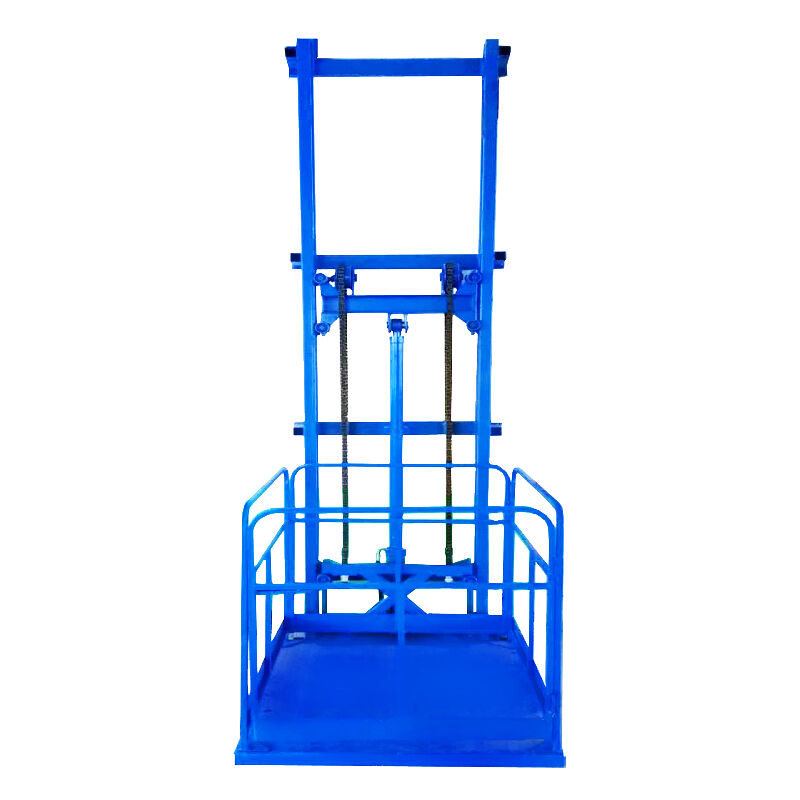
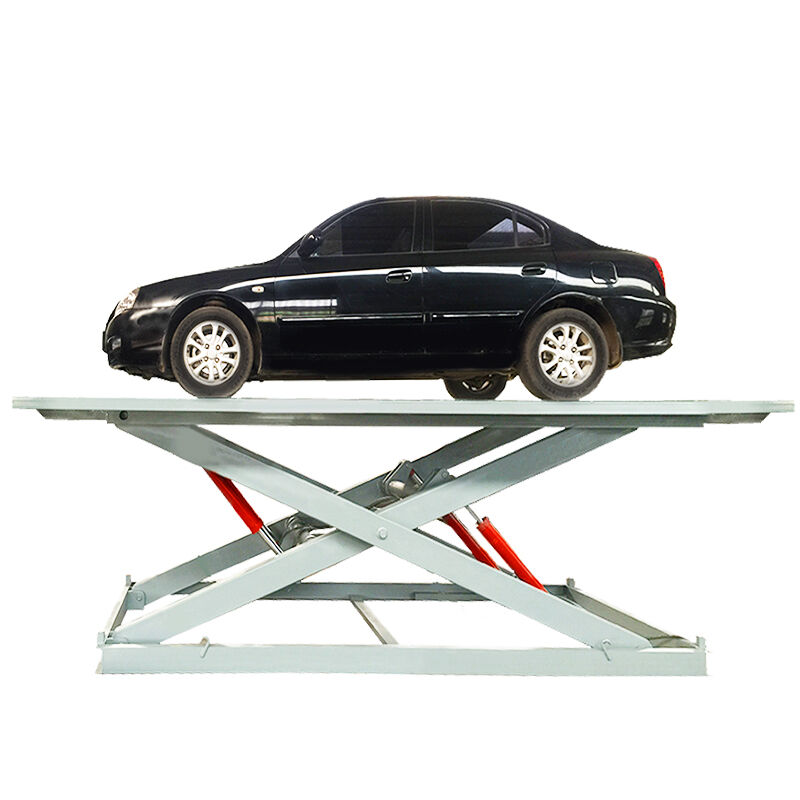
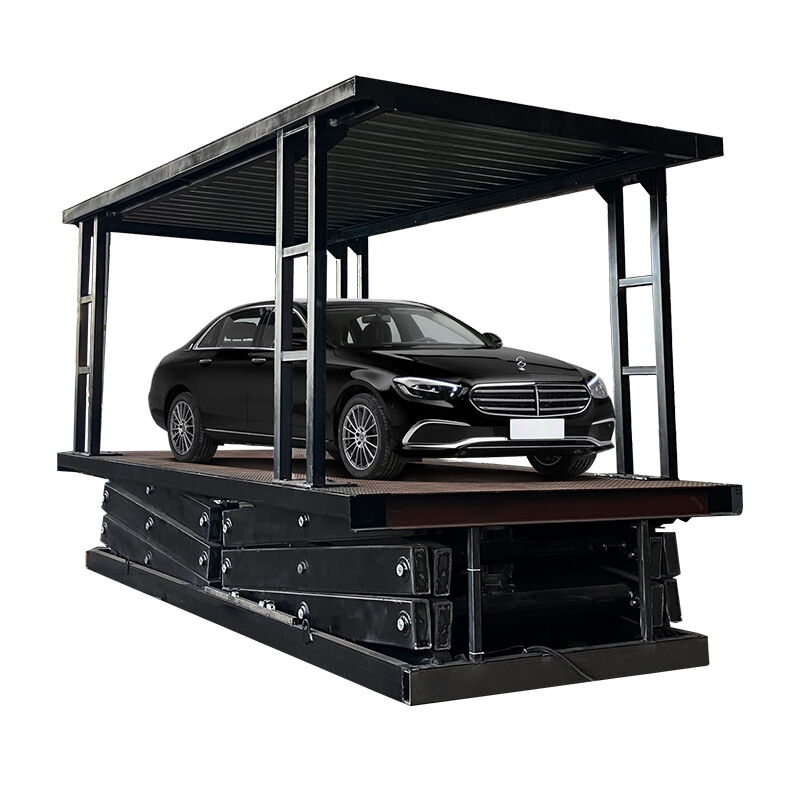
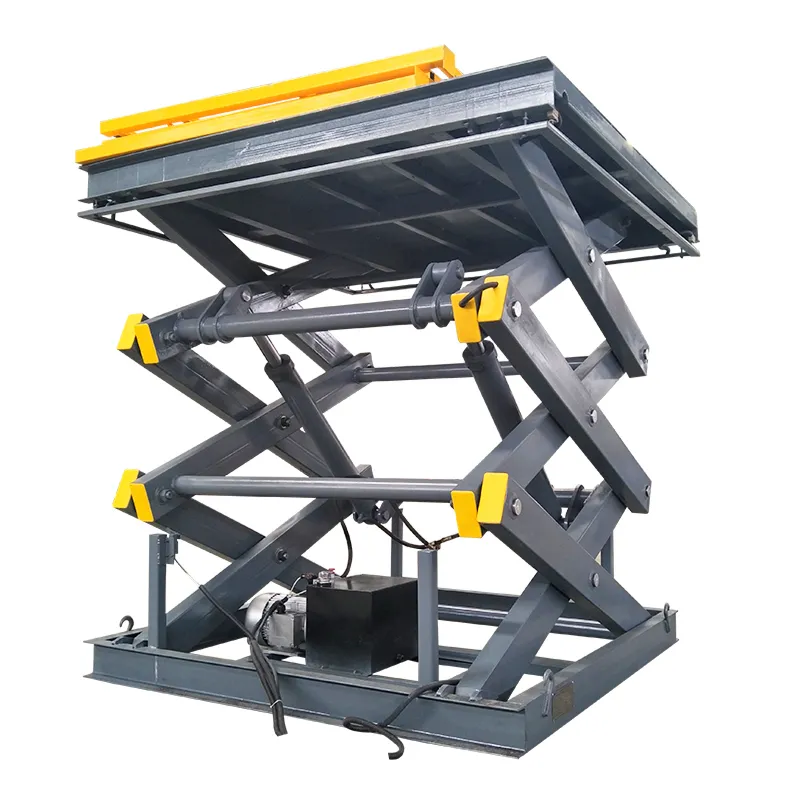
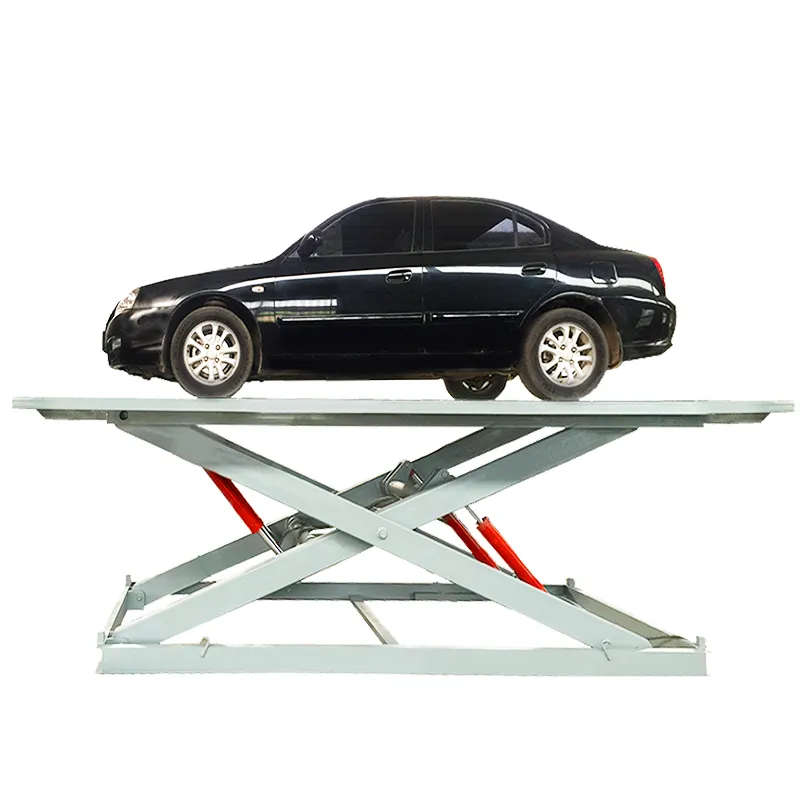
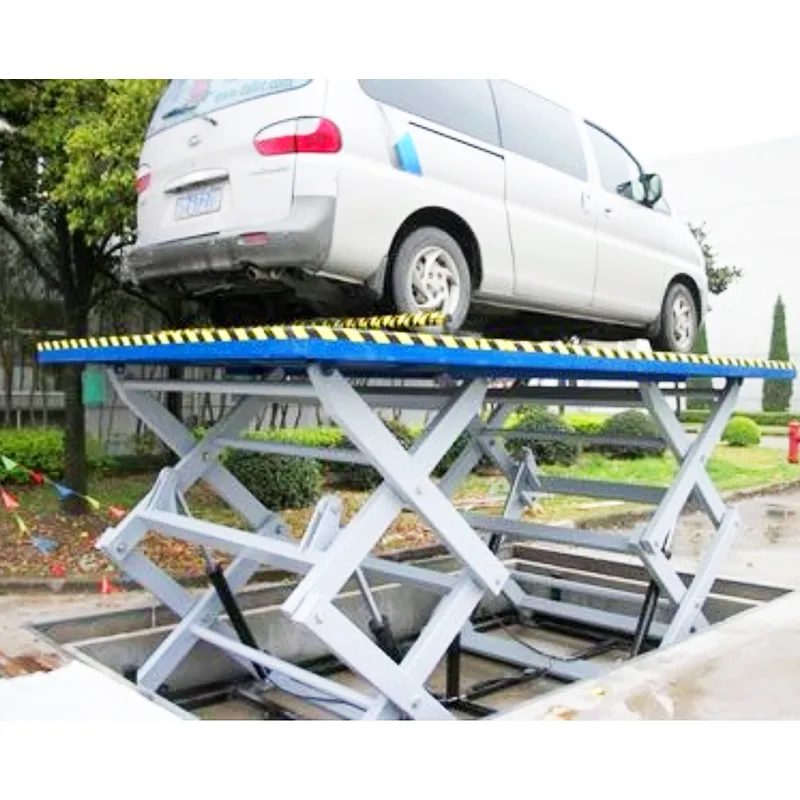
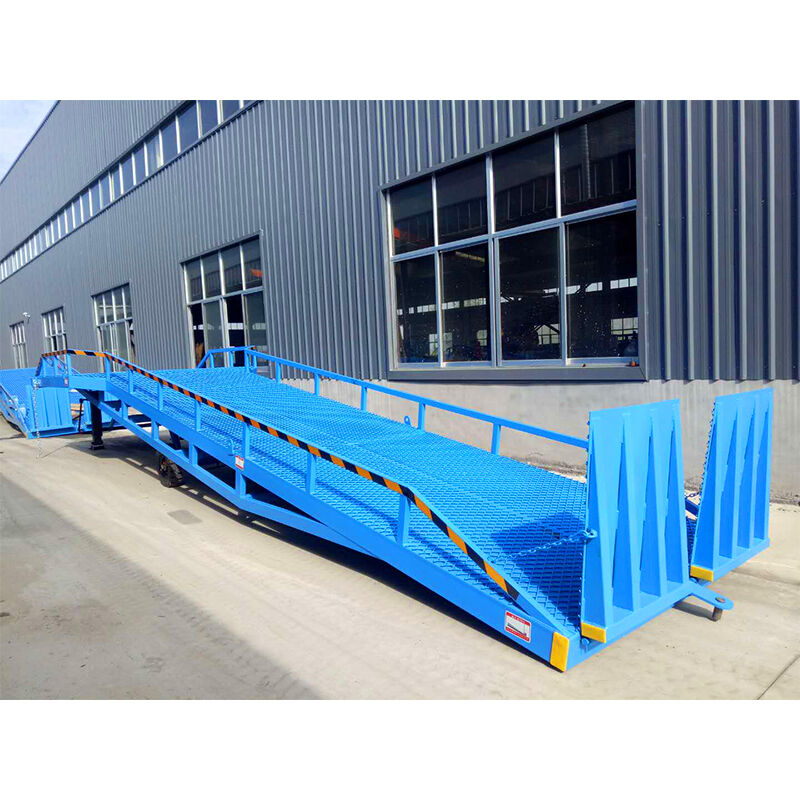
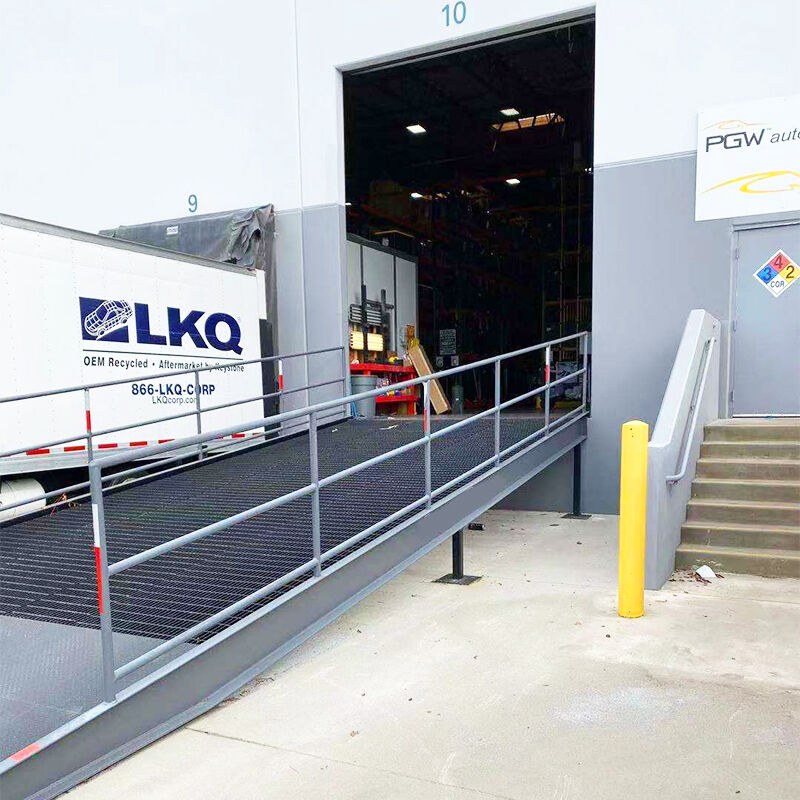
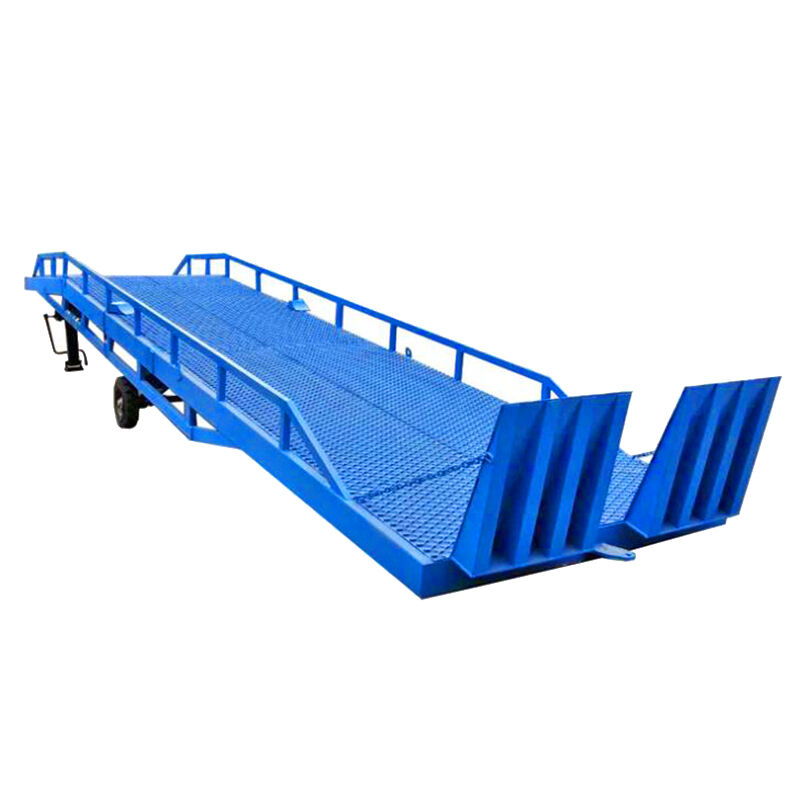
A container loading ramp serves as an essential piece of equipment in modern logistics and shipping operations, designed to facilitate the safe and efficient loading and unloading of containers from various transport vehicles. This specialized infrastructure component bridges the gap between ground level and container height, creating a smooth inclined pathway that enables forklifts, pallet jacks, and other material handling equipment to access container interiors seamlessly. The container loading ramp represents a critical investment for warehouses, distribution centers, ports, and freight terminals that handle substantial volumes of containerized cargo on a daily basis. These ramps are engineered with robust construction materials, typically featuring heavy-duty steel frameworks that can withstand the demanding requirements of industrial environments. The primary function of a container loading ramp extends beyond simple elevation adjustment, encompassing safety enhancement, operational efficiency improvement, and workforce protection. Modern container loading ramps incorporate adjustable height mechanisms that accommodate different container types and truck bed elevations, ensuring optimal alignment regardless of vehicle specifications. The technological features of contemporary container loading ramps include hydraulic or mechanical adjustment systems that allow operators to fine-tune the ramp angle and height with precision. Anti-slip surfaces, safety railings, and load capacity indicators are standard features that enhance operational safety while maximizing productivity. Many container loading ramps also feature portable designs that enable repositioning across different loading bays as operational needs change. The applications of container loading ramps span across multiple industries, including manufacturing, retail distribution, automotive, pharmaceuticals, and food processing. These versatile tools prove indispensable in scenarios where ground-level access to elevated containers is required, making them fundamental components of efficient supply chain operations.

New Products

Container loading ramps deliver substantial operational benefits that directly impact productivity and cost-effectiveness in material handling operations. The most significant advantage lies in the dramatic reduction of loading and unloading time, as workers can move goods directly between ground level and container interiors without manual lifting or complex maneuvering procedures. This time savings translates into increased throughput capacity, allowing facilities to process more containers within the same operational window. The enhanced efficiency enables companies to meet tighter delivery schedules and accommodate higher cargo volumes without proportional increases in labor costs. Safety improvements represent another crucial advantage of implementing container loading ramps in warehouse operations. These systems eliminate the need for workers to climb into containers or perform potentially hazardous lifting activities at awkward angles. The stable, slip-resistant surfaces and proper incline angles reduce the risk of workplace injuries, leading to lower insurance premiums and reduced workers compensation claims. The ergonomic benefits extend to equipment operators who can maintain proper posture and control while navigating the ramp surface. Container loading ramps also provide remarkable versatility in handling diverse cargo types and container configurations. The adjustable height features accommodate standard shipping containers, refrigerated units, and specialized cargo containers without requiring different equipment for each application. This adaptability reduces equipment investment costs and simplifies training requirements for operational staff. The durability of well-constructed container loading ramps ensures long-term value through minimal maintenance requirements and extended service life. Quality ramps withstand constant use in demanding industrial environments, providing reliable performance across multiple shifts and weather conditions. The return on investment becomes evident through reduced labor costs, improved productivity metrics, and decreased equipment replacement frequency. Additionally, container loading ramps enhance operational flexibility by enabling quick reconfiguration of loading dock arrangements. Portable models can be relocated to different bays as shipping patterns change, maximizing facility utilization and accommodating seasonal demand fluctuations. This adaptability proves particularly valuable for companies experiencing growth or operational changes.

Latest News

How Does an Industrial Lift Support High-Load Transportation Tasks?

10

Mar

How Does an Industrial Lift Support High-Load Transportation Tasks?

Industrial facilities across manufacturing, warehousing, and logistics sectors face constant challenges in moving heavy materials between different floor levels efficiently and safely. The mechanism by which an industrial lift handles high-load trans...
View More
Why Are Stationary Scissor Lifts Popular in Manufacturing Plants?

16

Mar

Why Are Stationary Scissor Lifts Popular in Manufacturing Plants?

Manufacturing plants worldwide have increasingly turned to stationary scissor lifts as essential equipment for their vertical material handling and access needs. These robust hydraulic platforms have become indispensable in modern industrial operatio...
View More
How Do Car Lifts for Home Garage Add Value to Real Estate Projects?

20

Mar

How Do Car Lifts for Home Garage Add Value to Real Estate Projects?

Car lifts for home garage installations have emerged as a premium feature that significantly enhances property value in today's competitive real estate market. These sophisticated automotive storage solutions transform ordinary residential garages in...
View More
What Are the Key Benefits of Installing a Goods Lift in Factories?

30

Mar

What Are the Key Benefits of Installing a Goods Lift in Factories?

In today’s highly competitive industrial environment, factories are under constant pressure to improve operational efficiency, reduce labor costs, and ensure workplace safety. One of the most practical solutions adopted by modern manufactu...
View More

Get a Free Quote

Our representative will contact you soon.
Email
Mobile/WhatsApp
Name
Company Name
Message
0/1000

container loading ramp

Advanced Height Adjustment Technology

Advanced Height Adjustment Technology

The sophisticated height adjustment technology integrated into modern container loading ramps represents a revolutionary advancement in material handling efficiency and operational flexibility. This innovative system utilizes precision-engineered hydraulic or mechanical mechanisms that enable operators to achieve exact height alignment with containers of varying elevations. The technology accommodates the diverse range of container heights encountered in today's shipping industry, from standard ground-level containers to elevated truck-mounted units positioned at different loading dock configurations. The hydraulic adjustment systems feature smooth, controlled movement that eliminates jarring or sudden elevation changes that could potentially damage sensitive cargo or create safety hazards for personnel. These systems incorporate pressure relief valves and safety locks that maintain stable positioning under heavy load conditions, ensuring consistent performance throughout extended loading operations. The mechanical adjustment alternatives provide reliable height modification through gear-driven mechanisms that offer precise positioning control while eliminating dependence on hydraulic fluid maintenance. This advanced height adjustment technology significantly reduces setup time between different container types, allowing facilities to transition seamlessly between various shipping configurations without operational delays. The system's precision enables optimal ramp angles that maximize safety while maintaining efficient cargo flow, reducing physical strain on equipment operators and minimizing wear on material handling equipment. Many advanced container loading ramps feature electronic controls that provide operator feedback regarding current height settings and load capacity status. These intelligent systems prevent overloading situations and alert operators to optimal positioning parameters. The technology also incorporates safety interlocks that prevent ramp movement while personnel or equipment remain on the loading surface, demonstrating the commitment to workplace safety that defines modern container loading ramp design. The durability of these adjustment mechanisms ensures consistent performance across thousands of operational cycles, providing long-term reliability that justifies the investment in advanced container loading ramp technology.
Superior Load Capacity and Structural Integrity

Superior Load Capacity and Structural Integrity

The exceptional load capacity and structural integrity of professional-grade container loading ramps establish them as indispensable assets for heavy-duty material handling operations. These robust systems are engineered to support substantial weight loads that far exceed typical material handling requirements, providing safety margins that accommodate unexpected load concentrations and dynamic loading conditions. The structural design incorporates high-strength steel construction with reinforced support frameworks that distribute weight evenly across the ramp surface, preventing localized stress concentrations that could compromise structural integrity. Advanced engineering calculations ensure that container loading ramps maintain stability under maximum rated loads while accounting for dynamic forces generated by moving equipment and cargo. The load capacity specifications typically range from several tons to over twenty tons, depending on the specific model and intended application. This substantial capacity enables facilities to handle the heaviest container loads without concerns about equipment limitations or safety compromises. The structural integrity extends beyond static load support to encompass resistance against repeated loading cycles and environmental factors. The materials and construction techniques employed in premium container loading ramps resist fatigue failure, corrosion, and deformation under normal operating conditions. Welded joints utilize high-penetration techniques that create bonds stronger than the base materials, ensuring long-term structural reliability. The surface construction features non-slip textures and patterns that maintain effectiveness under various weather conditions while providing adequate drainage to prevent water accumulation. The robust construction also incorporates safety features such as reinforced side rails and barrier systems that prevent accidental falls or equipment departure from the ramp surface. These structural elements are integrated seamlessly into the overall design without compromising the ramp's load capacity or operational efficiency. The engineering excellence demonstrated in container loading ramp construction reflects the critical role these systems play in maintaining safe, efficient cargo handling operations across diverse industrial applications.
Exceptional Portability and Installation Flexibility

Exceptional Portability and Installation Flexibility

The remarkable portability and installation flexibility of modern container loading ramps provide unprecedented operational adaptability for facilities managing dynamic cargo handling requirements. This mobility advantage enables companies to optimize their material handling capabilities by repositioning equipment to match changing operational demands, seasonal fluctuations, or facility reconfigurations. The portable design eliminates the constraints associated with permanent installations, allowing facilities to maximize their investment by utilizing container loading ramps across multiple locations within their operations. The engineering innovations that enable this portability include lightweight yet durable construction materials, integrated transportation features, and modular components that facilitate rapid deployment and relocation. Many container loading ramps incorporate built-in wheels or casters that enable single-person repositioning, while larger models feature attachment points for forklifts or other material handling equipment to assist in relocation efforts. The installation flexibility extends to the variety of surface conditions and dock configurations that these ramps can accommodate. Unlike permanent installations that require extensive foundation work and structural modifications, portable container loading ramps can be deployed on concrete surfaces, asphalt, or properly prepared ground areas without permanent alterations to the facility infrastructure. This flexibility proves particularly valuable for leased facilities or operations that anticipate future relocations. The modular design concepts employed in advanced container loading ramps enable customization of length, width, and capacity specifications to match specific operational requirements. Components can be added or reconfigured as needs evolve, providing long-term adaptability that maximizes the useful life of the equipment investment. The installation process typically requires minimal setup time, allowing facilities to begin utilizing their container loading ramp capabilities within hours of delivery rather than waiting for extensive construction projects. This rapid deployment capability proves essential for companies facing urgent operational demands or tight project timelines. The portability features also enhance maintenance accessibility, as ramps can be moved to facilitate cleaning, inspection, and repair activities without disrupting ongoing operations in adjacent areas.

Get a Free Quote

Our representative will contact you soon.
Email
Mobile/WhatsApp
Name
Company Name
Message
0/1000