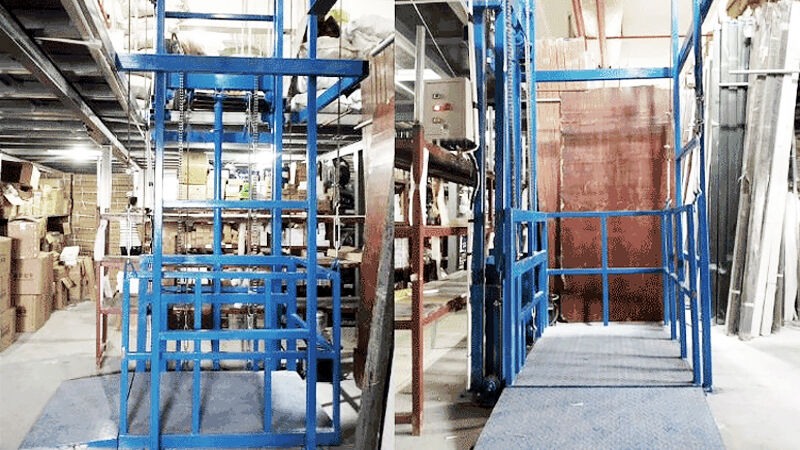
ramp for loading container
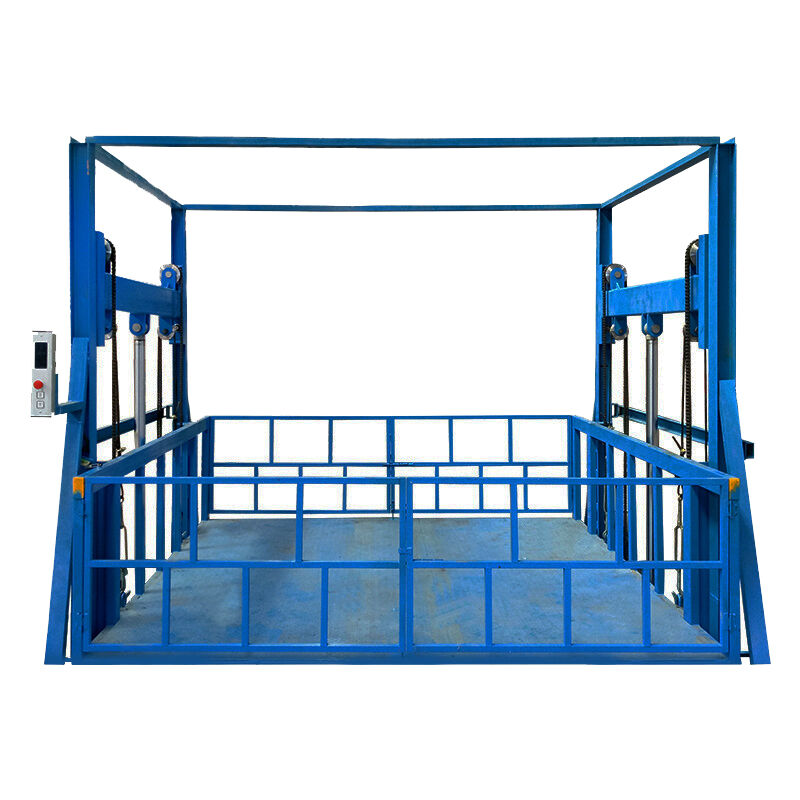
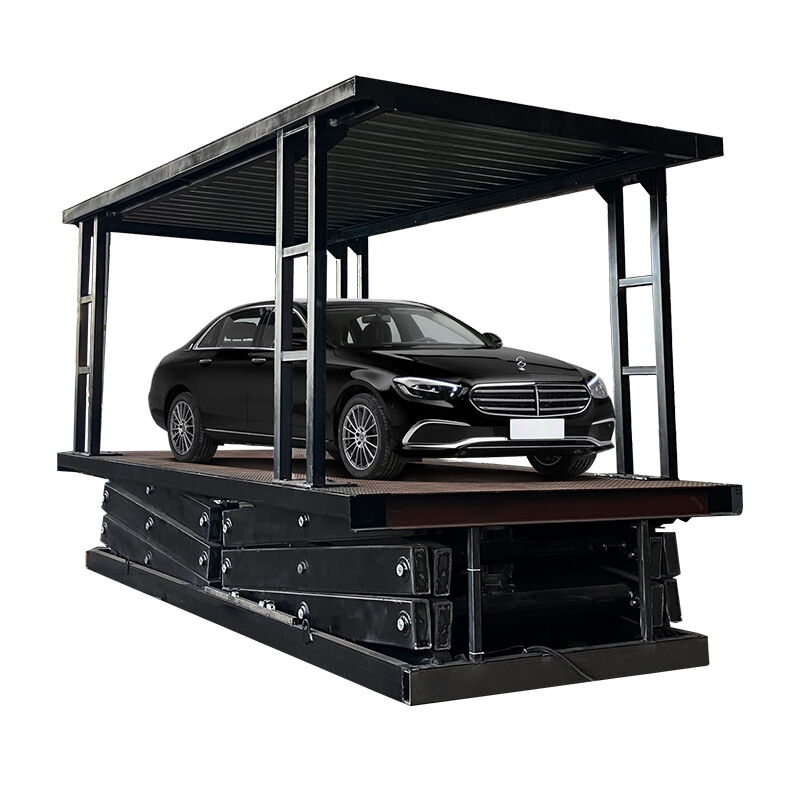
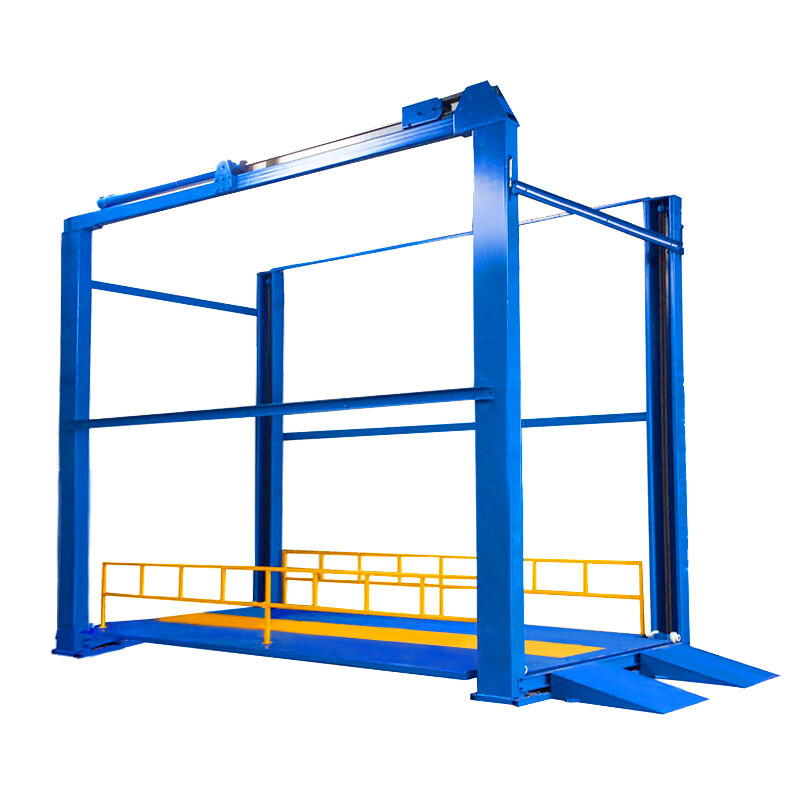
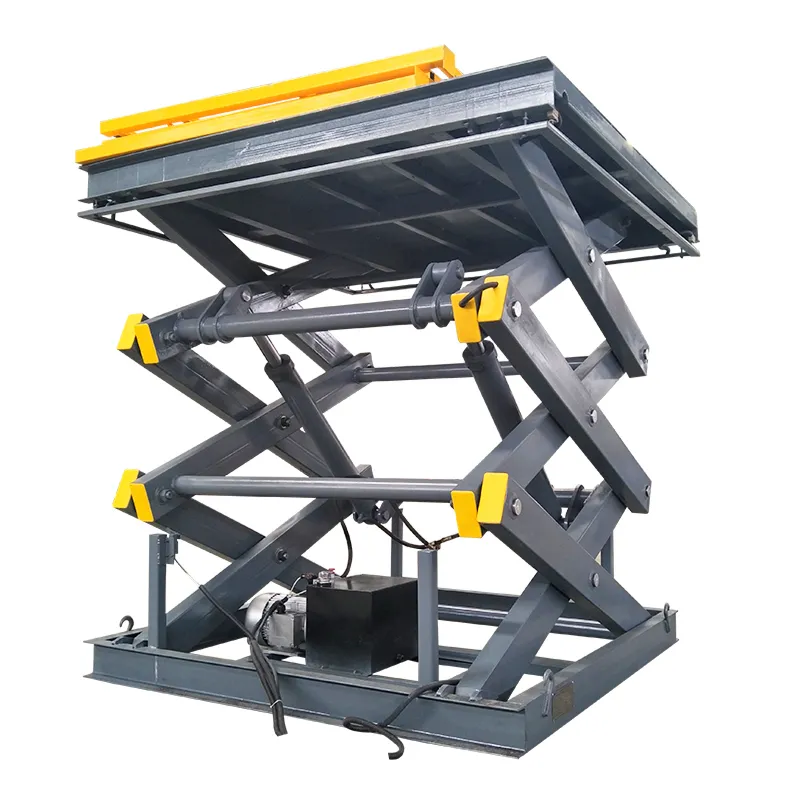
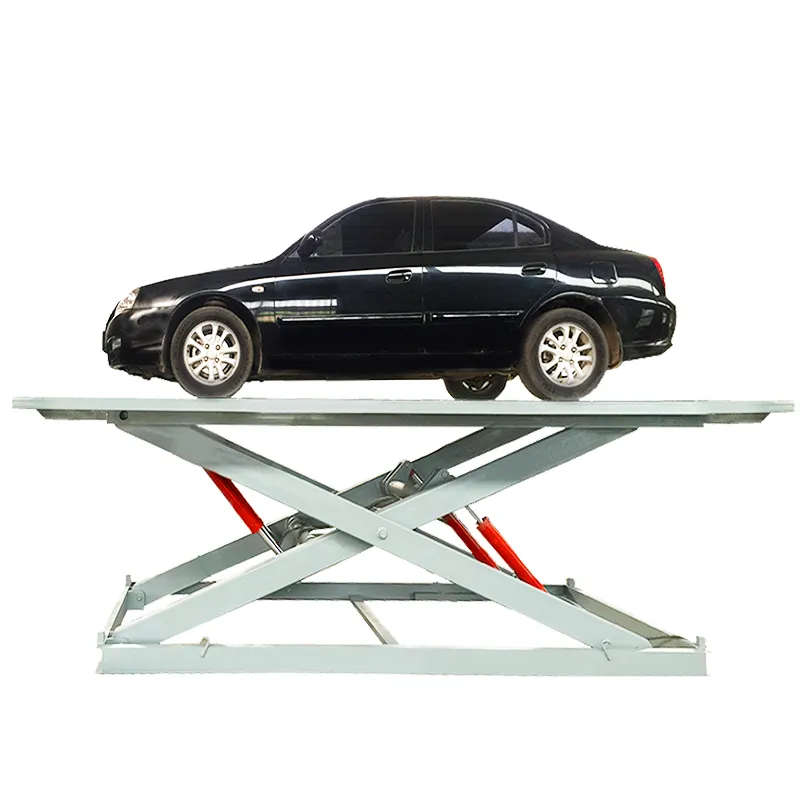
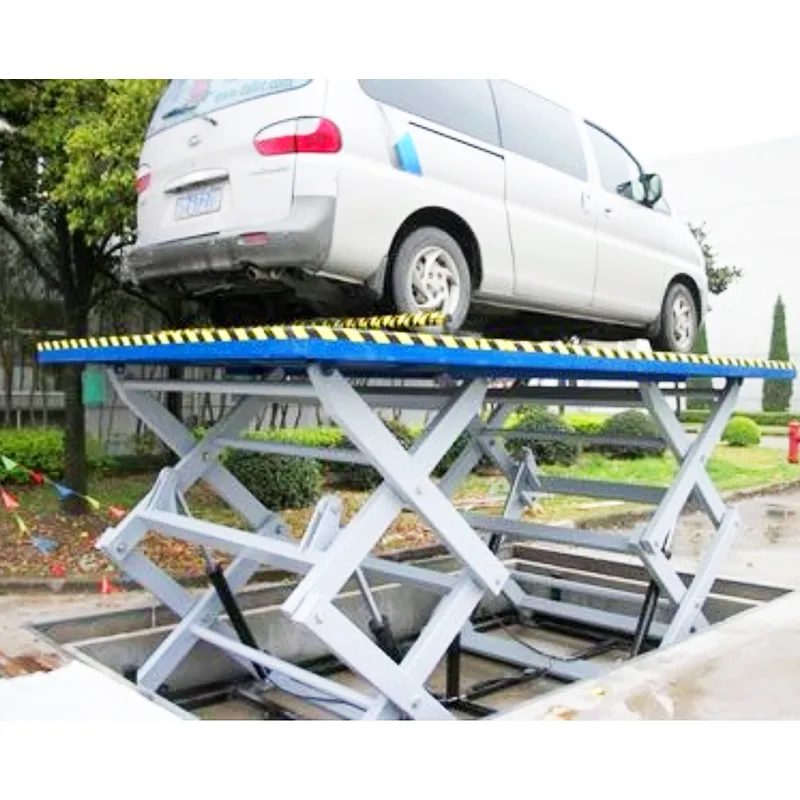
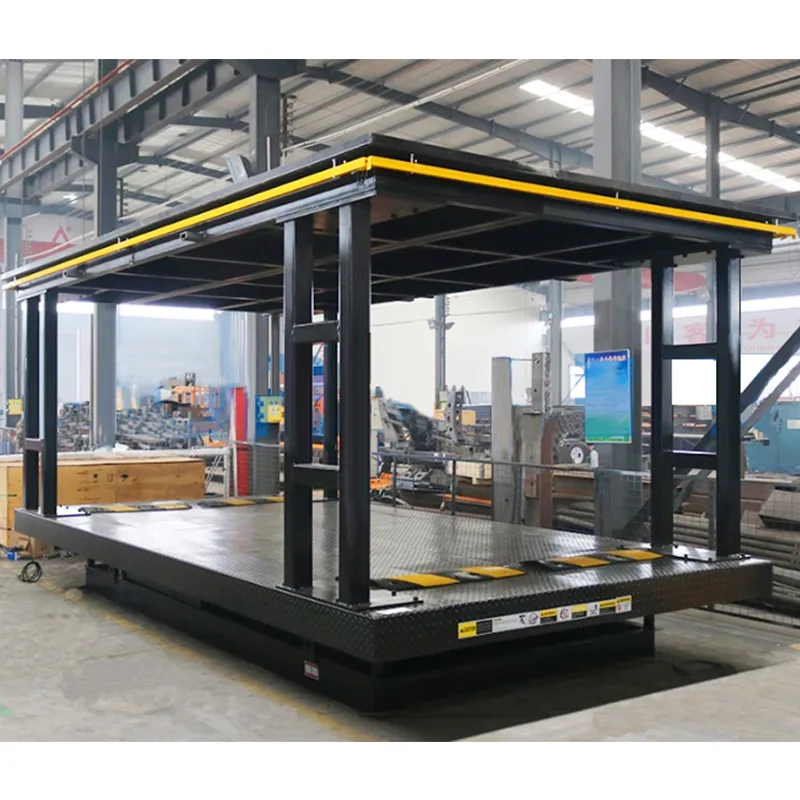
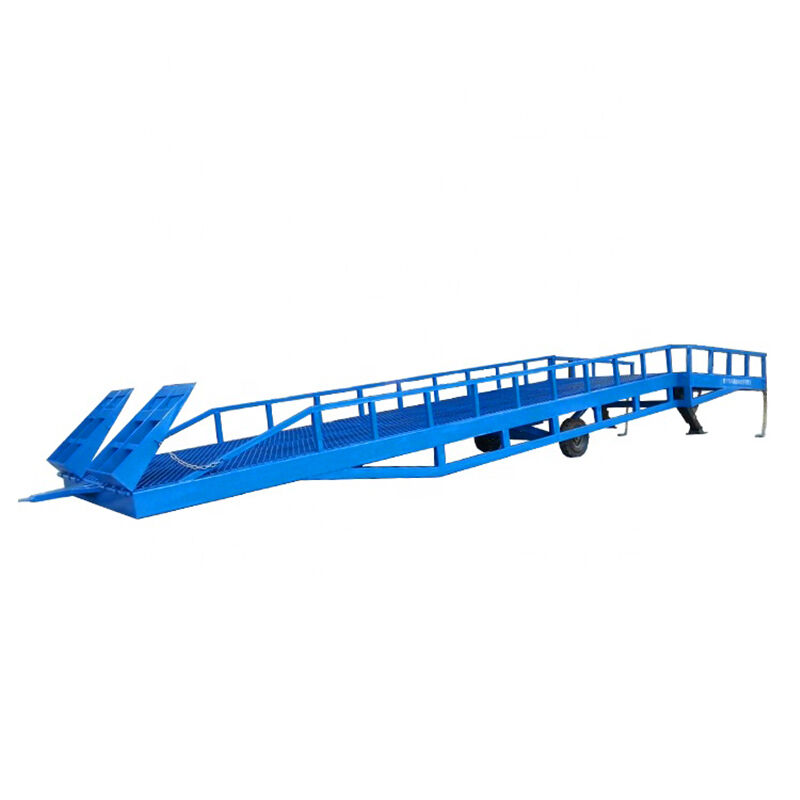
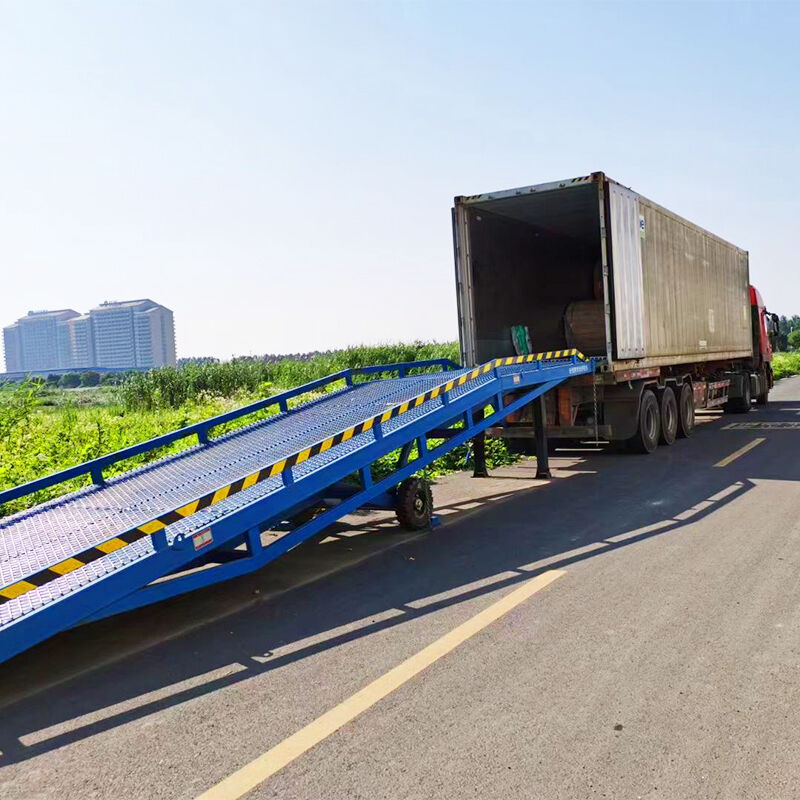
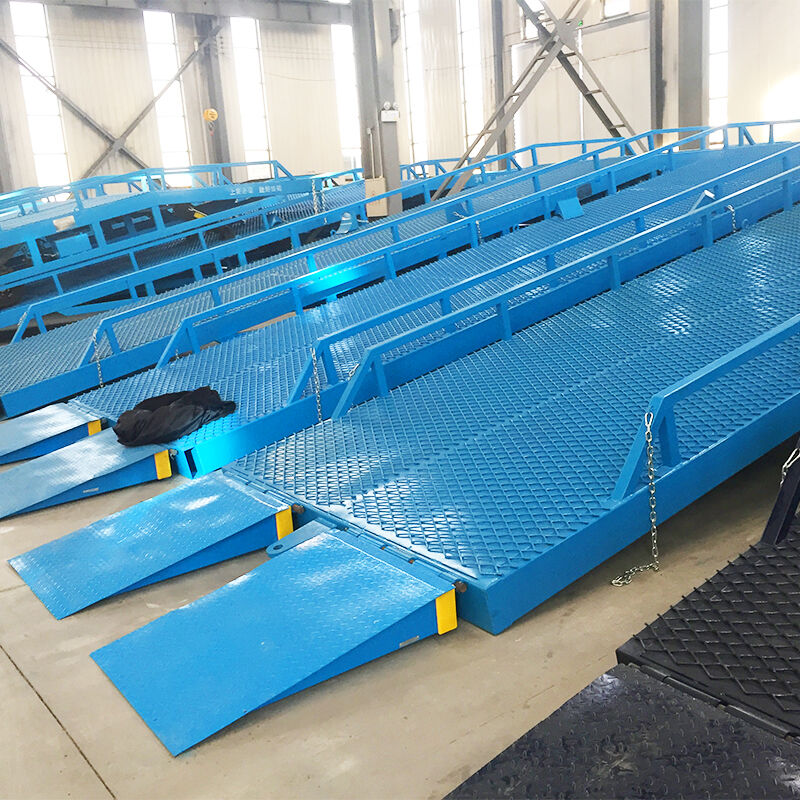
A ramp for loading container represents a critical piece of material handling equipment designed to facilitate the safe and efficient movement of goods between ground level and container floors. This specialized loading infrastructure serves as a bridge mechanism that creates a gradual inclined pathway, enabling workers to transport heavy cargo, palletized goods, and equipment into shipping containers without the need for complex lifting machinery. The primary function of a ramp for loading container centers on providing accessibility and reducing the physical strain associated with container loading operations. These ramps effectively eliminate the height differential between the loading dock and container floor, creating a smooth transition zone that supports wheeled equipment such as forklifts, pallet jacks, and hand trucks. The technological features of modern container loading ramps include adjustable height mechanisms that accommodate various container sizes and dock heights, robust construction materials capable of supporting substantial weight loads, and safety features like non-slip surfaces and side railings. Many ramp for loading container systems incorporate hydraulic or mechanical adjustment systems that allow operators to precisely match the ramp angle to the specific container being loaded. The applications for container loading ramps span across numerous industries including logistics, manufacturing, warehousing, and distribution centers. These versatile tools prove essential in ports, shipping terminals, manufacturing facilities, and retail distribution centers where efficient container loading directly impacts operational productivity. Container loading ramps support various cargo types from lightweight consumer goods to heavy industrial equipment, making them indispensable for businesses that rely on containerized shipping. The strategic implementation of a ramp for loading container system significantly improves workplace safety by reducing the risk of injuries associated with manual lifting and awkward positioning during loading operations.
 EN
EN